आयुर्वेदिक डॉक्टर से प्रश्न पूछें और निःशुल्क या भुगतान मोड में अपनी चिंता की समस्या पर ऑनलाइन परामर्श प्राप्त करें। 2,000 से अधिक अनुभवी डॉक्टर हमारी साइट पर काम करते हैं और आपके प्रश्नों का इंतजार करते हैं और उपयोगकर्ताओं को उनकी स्वास्थ्य समस्याओं को हल करने में प्रतिदिन मदद करते हैं।


Body DetoxEar, Nose, and Throat DisordersGeriatrics & RejuvenationImmunodeficiencyInfertility TreatmentNutritionOrthopedic DisordersPediatricsRespiratory DisordersSexually Transmitted Diseases (STDs)Surgery RecoveryUrological DisordersVascular DisordersDental DisordersEndocrinological DisordersGastrointestinal DisordersYoga TherapyGeneral MedicineAllergic DisordersCardio DisordersGynecology and ObstetricsCosmetologySkin and Hair DisordersEye DisordersInfectious DiseasesMental DisordersNeurological DisordersOncologyPanchakarmaSexual Health & DisordersSports Medicine
पर प्रकाशित 10/09/24
(को अपडेट 08/12/26)
3,450
Hormonal Imbalance Treatment in Ayurveda
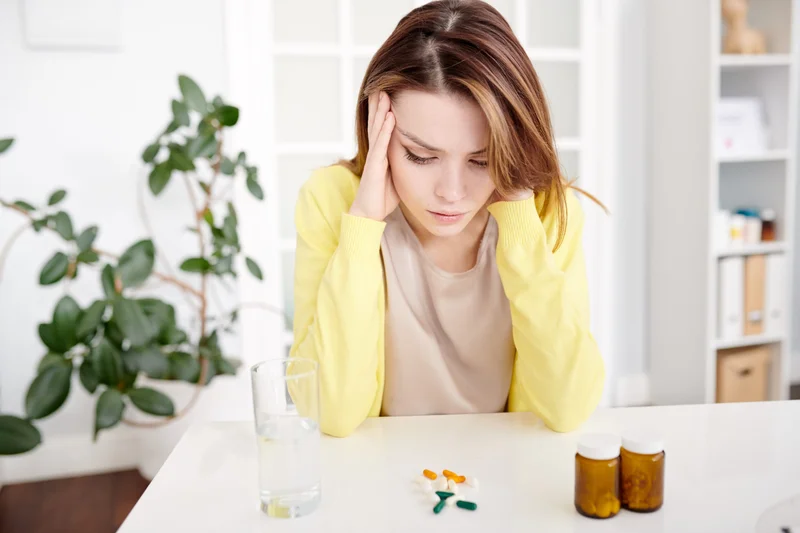
- Hormonal imbalance occurs when your body produces too much or too little of one or more hormones — the chemical messengers that regulate virtually every process in your body, from metabolism and mood to reproduction and sleep.
- It's surprisingly common: according to a 2023 study published in Endocrine Reviews, nearly 80% of women and over 40% of men will experience a clinically significant hormonal disruption at some point in their lives. The good news? Most hormonal imbalances are treatable, and many can be managed — or even reversed — with the right combination of medical care, lifestyle changes, and, in some cases, natural remedies rooted in traditions like Ayurveda.
This guide covers everything you need to know: what hormones do, what goes wrong when they're out of balance, the symptoms to watch for at every age, how doctors diagnose the problem, and the full spectrum of treatment options available today.
What Are Hormones and Why Do They Matter?
Hormones are chemical substances produced by your endocrine glands — including the thyroid, adrenals, pituitary, ovaries, testes, and pancreas. They travel through your bloodstream and act as messengers, telling organs and tissues what to do and when to do it.
- Even tiny amounts matter. A small shift in hormone levels can trigger large changes in your body.
- Think of hormones as a thermostat: when the setting is off by just one or two degrees, the entire house feels different.
Key Hormones and Their Functions
| Hormone | Produced By | Primary Functions |
|---|---|---|
| Estrogen | Ovaries, adrenal glands | Regulates menstrual cycle, bone density, skin health, mood |
| Progesterone | Ovaries, placenta | Prepares uterus for pregnancy, stabilises mood |
| Testosterone | Testes, ovaries, adrenals | Muscle mass, libido, bone strength, red blood cell production |
| Thyroid hormones (T3, T4) | Thyroid gland | Metabolism, energy, body temperature, heart rate |
| Insulin | Pancreas | Blood sugar regulation, fat storage |
| Cortisol | Adrenal glands | Stress response, blood pressure, inflammation control |
| Prolactin | Pituitary gland | Milk production, reproductive health |
| Melatonin | Pineal gland | Sleep-wake cycle regulation |
| Growth hormone (GH) | Pituitary gland | Growth, cell repair, body composition |
When any of these hormones are produced in excess or insufficient quantities, the result is what we call a hormonal imbalance.
What Causes Hormonal Imbalance?
There's rarely a single cause. Hormonal imbalances typically result from a combination of factors — some you can control, and some you can't.
Natural Life Stages
Certain periods in life naturally trigger hormonal shifts:
- Puberty — Surges in estrogen, progesterone, and testosterone drive physical changes
- Menstrual cycles — Monthly fluctuations in estrogen and progesterone
- Pregnancy and postpartum — Dramatic rises and falls in multiple hormones
- Perimenopause and menopause — Estrogen and progesterone decline, typically between ages 45–55
- Andropause — Gradual testosterone decline in men, usually after age 40 (about 1–2% per year, according to the Journal of Clinical Endocrinology & Metabolism)
Medical Conditions
- PCOS (Polycystic Ovary Syndrome) — Affects up to 1 in 5 women of reproductive age in India, per ICMR data
- Hypothyroidism / Hyperthyroidism — Thyroid disorders affect an estimated 42 million people in India
- Type 1 and Type 2 Diabetes — Impaired insulin production or insulin resistance
- Cushing's syndrome — Excess cortisol production
- Addison's disease — Insufficient cortisol and aldosterone
- Hyperprolactinemia — Excess prolactin, often linked to pituitary tumours
- Hypogonadism — Reduced sex hormone production in both men and women
Lifestyle and Environmental Factors
This is where things get interesting — and where most people have more control than they realize.
- Chronic stress is one of the most underestimated culprits. When you're under constant stress, your adrenal glands pump out cortisol relentlessly.
- This creates a cascading effect: elevated cortisol suppresses thyroid function, disrupts insulin sensitivity, reduces progesterone production (a phenomenon sometimes called "progesterone steal"), and interferes with melatonin secretion. Its a domino effect that can dysregulate your entire endocrine system.
- Endocrine disruptors — synthetic chemicals that mimic or block hormones — are another major and largely overlooked factor.
- These include:
- BPA (Bisphenol A) found in plastic containers, water bottles, and food can linings
- Phthalates in personal care products, perfumes, and plastic packaging
- Pesticides and herbicides on conventionally grown produce
- Parabens in cosmetics and skincare products
A 2020 study in The Lancet Diabetes & Endocrinology linked chronic exposure to endocrine disruptors with increased risk of thyroid dysfunction, reproductive disorders, and metabolic syndrome. No competitor article fully addresses this, yet it's critical — especially in urban Indian environments where exposure to these chemicals is high.
Other lifestyle causes include poor diet (excess sugar and processed foods), sedentary lifestyle, sleep deprivation, certain medications (corticosteroids, hormonal contraceptives, some antidepressants), and tumours of the endocrine glands.
What Are the Signs and Symptoms of Hormonal Imbalance?
The symptoms vary widely depending on which hormones are affected — and this is exactly why hormonal imbalances are so often misdiagnosed or dismissed. Many of these symptoms overlap with other conditions, which can make the picture confusing.
Common Symptoms in Everyone
- Unexplained weight gain or difficulty losing weight
- Persistent fatigue that doesn't improve with rest
- Mood swings, anxiety, or depression
- Difficulty sleeping or insomnia
- Brain fog and difficulty concentrating
- Changes in appetite
- Digestive issues (bloating, constipation, diarrhea — research published in Gastroenterology has linked hormonal fluctuations to IBS symptoms)
- Skin changes: acne, dry skin, or increased oiliness
- Hair thinning or excessive hair growth
- Decreased libido
Symptoms Specific to Women (AFAB)
- Irregular, heavy, or missed periods
- Hot flashes and night sweats
- Vaginal dryness
- Breast tenderness
- Hirsutism (excess facial or body hair — especially with PCOS)
- Darkening of skin along the neck or under breasts
- Infertility or recurrent miscarriages
- Painful intercourse
What Is the Main Cause of Hormonal Imbalance in Females?
- The most common cause in women of reproductive age is PCOS, which affects estrogen, progesterone, and androgen levels simultaneously. In women over 40, perimenopause and menopause are the primary drivers.
- Thyroid disorders — particularly hypothyroidism — cut across all age groups and are disproportionately common in Indian women.
Symptoms Specific to Men (AMAB)
- Erectile dysfunction
- Reduced muscle mass and strength
- Gynecomastia (breast tissue development)
- Low sperm count
- Decreased body and facial hair
- Fatigue and low energy
- Difficulty concentrating
- Osteoporosis (in severe, long-term cases)
Symptoms in Children and Adolescents
This is a critical area that most resources overlook entirely.
- Delayed puberty — Absence of secondary sexual characteristics by age 13 in girls or 14 in boys
- Precocious (early) puberty — Development of breast tissue or pubic hair before age 8 in girls, or testicular enlargement before age 9 in boys
- Growth disorders — Abnormally short stature or rapid growth spikes related to growth hormone imbalances
- Childhood obesity linked to insulin resistance
- Behavioural and mood changes that may be mistaken for ADHD or other conditions
If your child shows any of these signs, a pediatric endocrinologist should be consulted promptly.
Hormonal Imbalance by Age Group: What to Expect at Every Stage
None of the top-ranking articles currently structure information this way — yet the causes, symptoms, and priorities shift dramatically with age. Here's a breakdown.
| Age Group | Common Hormonal Issues | Key Hormones Affected | Priority Actions |
|---|---|---|---|
| Teens (13–19) | Acne, irregular periods, delayed/early puberty, mood swings | Estrogen, testosterone, GH | Evaluate if puberty milestones are on track; address severe acne or absent periods |
| 20s–30s | PCOS, thyroid disorders, stress-related cortisol spikes, fertility issues | Estrogen, progesterone, thyroid, insulin, cortisol | Fertility planning, PCOS management, stress reduction |
| 30s–40s | Perimenopause onset, declining progesterone, early andropause signs, weight gain | Progesterone, estrogen, testosterone | Baseline hormone testing, metabolic health focus |
| 40s–50s | Menopause, andropause, insulin resistance, bone density loss | Estrogen, testosterone, insulin, DHEA | HRT evaluation, bone density screening, cardiovascular risk assessment |
| 50s+ | Post-menopausal symptoms, increased risk of osteoporosis, metabolic syndrome | Estrogen, testosterone, thyroid, insulin | Regular monitoring, chronic disease prevention |
Understanding your age-specific hormonal landscape helps you ask the right questions and seek the right tests — rather than relying on a one-size-fits-all approach.
How Are Hormonal Imbalances Diagnosed?
There's no single test that checks "all your hormones." Diagnosis usually involves a combination of clinical evaluation and targeted testing.
Blood Tests
- Blood tests are the primary diagnostic tool.
- Your doctor may order:
- Thyroid panel: TSH, free T3, free T4, thyroid antibodies (TPO, TgAb)
- Sex hormones: Estradiol, progesterone, total and free testosterone, DHEA-S, SHBG
- Metabolic markers: Fasting insulin, fasting glucose, HbA1c, lipid panel
- Adrenal hormones: Cortisol (morning serum or 24-hour urine), ACTH
- Pituitary hormones: Prolactin, LH, FSH, growth hormone
Normal Reference Ranges for Key Hormones
- This is one of the most searched-for pieces of information, yet no top-ranking competitor provides it.
- Here are general adult reference ranges (note: these vary slightly between labs):
| Hormone | Women (Normal Range) | Men (Normal Range) | Unit |
|---|---|---|---|
| TSH | 0.4–4.0 | 0.4–4.0 | mIU/L |
| Free T4 | 0.8–1.8 | 0.8–1.8 | ng/dL |
| Estradiol (follicular phase) | 30–120 | 10–40 | pg/mL |
| Progesterone (luteal phase) | 5–20 | 0.1–0.2 | ng/mL |
| Total Testosterone | 15–70 | 270–1,070 | ng/dL |
| Fasting Insulin | 2.6–24.9 | 2.6–24.9 | μIU/mL |
| Cortisol (morning) | 6–23 | 6–23 | μg/dL |
| Prolactin | 2–29 | 2–18 | ng/mL |
| DHEA-S (age 20–30) | 65–380 | 280–640 | μg/dL |
Always compare results with your specific lab's reference range and discuss with your doctor.
Additional Diagnostic Tools
- Pelvic ultrasound — To check for ovarian cysts (PCOS), fibroids, or structural issues
- Thyroid ultrasound — To evaluate nodules or goitre
- MRI of the pituitary gland — To detect pituitary tumours (adenomas)
- Bone density scan (DEXA) — If osteoporosis is suspected
- Endometrial biopsy — In cases of abnormal uterine bleeding
At-Home Hormone Testing Kits
- A growing trend, especially in India's metro cities. Companies now offer at-home saliva or finger-prick blood tests that measure cortisol, thyroid hormones, testosterone, and estrogen.
- These can be a useful starting point — but they have limitations. Saliva tests, for instance, measure "free" hormone levels, which can differ significantly from serum levels. They're best used as a screening tool, not a replacement for comprehensive lab work ordered by a doctor.
स्वयं दवा न लें और प्रतीक्षा न करें। अभी डॉक्टर से चैट शुरू करें
How to Fix Hormonal Imbalance: Treatment Options
Treatment depends entirely on which hormone is out of balance and what's causing it. Here's a comprehensive overview.
Medical Treatments
Thyroid hormone therapy:
- Levothyroxine (Synthroid, Eltroxin) for hypothyroidism
- Methimazole or propylthiouracil for hyperthyroidism
- Radioactive iodine or surgery for severe cases
Hormone Replacement Therapy (HRT):
- Estrogen therapy (oral, patch, gel, or vaginal) for menopausal symptoms
- Combined estrogen-progesterone therapy for women with an intact uterus
- Testosterone replacement (gel, injection, or patch) for men with confirmed low testosterone
Medications for PCOS:
- Combined oral contraceptives to regulate periods and reduce androgens
- Metformin to improve insulin resistance
- Spironolactone (anti-androgen) for hirsutism and acne
- Clomiphene citrate or letrozole for ovulation induction in women trying to conceive
Other targeted treatments:
- Vaginal estrogen for dryness and discomfort
- Flibanserin (Addyi) or bremelanotide (Vyleesi) for low sexual desire in premenopausal women
- Eflornithine cream (Vaniqa) for facial hair reduction
- Cabergoline or bromocriptine for elevated prolactin
- Growth hormone therapy for GH deficiency in children and adults
Is Hormonal Imbalance Curable?
It depends on the cause. Hormonal imbalances caused by life stages (puberty, menopause) are natural and manageable but not "curable" — they're part of normal physiology. Those caused by conditions like thyroid disorders or PCOS are typically manageable with ongoing treatment. Some imbalances, particularly those triggered by lifestyle factors like chronic stress, poor diet, or environmental toxin exposure, can be fully reversed.
Natural Remedies and Lifestyle Changes for Hormonal Balance
This is where you have the most agency — and honestly, where the greatest long-term benefits lie.
Diet and Nutrition
- What you eat directly impacts your hormone production.
- Focus on:
- Protein at every meal — Amino acids are precursors to many hormones. Aim for 20–30g per meal.
- Healthy fats — Omega-3 fatty acids (fatty fish, flaxseeds, walnuts) reduce inflammation and support hormone synthesis. A 2018 study in Reproductive Biology and Endocrinology showed omega-3 supplementation improved hormonal profiles in women with PCOS.
- Cruciferous vegetables — Broccoli, cauliflower, and cabbage contain indole-3-carbinol, which supports healthy estrogen metabolism
- Fibre — Helps excrete excess estrogen. Aim for 25–35g daily.
- Limit sugar and refined carbs — They spike insulin, which can disrupt all other hormonal cascades
- Fermented foods — Yogurt, idli, dosa, kimchi support gut health, which is closely linked to hormone metabolism
Foods to be cautious about: Phytoestrogens in soy products can mimic estrogen. While moderate soy intake is generally safe, excessive consumption may be problematic for individuals with estrogen-sensitive conditions, including certain breast cancers and autoimmune thyroid disorders.
Stress Management and Cortisol Control
- Chronic stress → elevated cortisol → disrupted everything.
- The mechanism works like this: when cortisol stays elevated, your body prioritises survival over reproduction, digestion, and repair. Progesterone production drops. Thyroid function slows. Insulin sensitivity decreases. Serotonin and dopamine pathways get disrupted, contributing to anxiety and depression.
Practical strategies:
- Deep breathing exercises — Even 5 minutes of diaphragmatic breathing can measurably lower cortisol
- Meditation and yoga — A 2019 study in Psychoneuroendocrinology found 8 weeks of mindfulness meditation reduced cortisol levels by 25%
- Set boundaries — Over-commitment is a cortisol factory
- Adaptogenic herbs — Ashwagandha (Withania somnifera) has strong evidence: a 2019 randomized controlled trial in Medicine found that 600mg daily reduced cortisol levels by 30% and improved thyroid function in subclinical hypothyroid patients
Exercise
- Physical activity improves insulin sensitivity, reduces cortisol, boosts endorphins, and supports healthy testosterone and estrogen levels.
- But the type of exercise matters:
- Strength training (2–3x/week) — Best for improving insulin sensitivity and boosting testosterone naturally
- Moderate cardio (walking, swimming, cycling) — Supports cortisol regulation
- Yoga — Particularly beneficial for PCOS; a 2012 study in the Journal of Alternative and Complementary Medicine showed yoga improved androgen levels in women with PCOS
- Avoid overtraining — Excessive high-intensity exercise can actually increase cortisol and suppress reproductive hormones. This is a common mistake.
Sleep and Circadian Rhythm
Poor sleep doesn't just make you tired. It disrupts virtually every hormone in your body.
- Just one week of sleeping 5 hours per night reduces testosterone by 10–15% in young men (a study from JAMA)
- Sleep deprivation increases ghrelin (hunger hormone) and decreases leptin (satiety hormone), driving weight gain
- Melatonin production requires darkness — screen exposure before bed suppresses it significantly
Actionable sleep recommendations:
- Maintain consistent sleep and wake times, even on weekends
- Block blue light 1–2 hours before bed (use blue-light blocking glasses or enable night mode)
- Keep your bedroom cool (18–22°C is optimal for melatonin production)
- Avoid caffeine after 2 PM
- Consider melatonin supplementation (0.5–3mg) for short-term circadian rhythm correction — but consult your doctor first
Natural Supplements with Evidence
| Supplement | Evidence Level | Best For | Typical Dosage |
|---|---|---|---|
| Ashwagandha | Strong (multiple RCTs) | Cortisol, thyroid, testosterone | 300–600mg standardized extract daily |
| Myo-inositol | Strong | PCOS, insulin resistance | 2,000–4,000mg daily |
| Vitamin D | Strong | Overall hormonal health, PCOS | 1,000–4,000 IU daily (based on levels) |
| Magnesium | Moderate | Sleep, cortisol, insulin | 200–400mg daily |
| Omega-3 fatty acids | Moderate | Inflammation, PCOS | 1,000–2,000mg EPA+DHA daily |
| Zinc | Moderate | Testosterone, thyroid | 15–30mg daily |
| Shatavari | Moderate (traditional + emerging) | Female reproductive hormones | 500–1,000mg daily |
| Black cohosh | Moderate | Menopausal symptoms | 20–40mg daily |
Always inform your doctor about supplements you're taking, especially if you're on medication.
Hormonal Imbalance and Mental Health: The Hidden Connection
Everyone mentions mood swings and anxiety as symptoms. But few explain why hormonal imbalances affect your mind so profoundly.
Here's the mechanism: Estrogen modulates serotonin receptors and serotonin production — so when estrogen drops (perimenopause, postpartum), serotonin drops too, contributing to depression. Progesterone enhances GABA activity, your brain's primary calming neurotransmitter — low progesterone means less GABA, which means more anxiety. Thyroid hormones directly affect dopamine and norepinephrine pathways, so hypothyroidism can mimic clinical depression, while hyperthyroidism can trigger panic attacks.
Cortisol, when chronically elevated, literally shrinks the hippocampus — the brain region responsible for memory and emotional regulation. A 2018 study in Neurology found that people with higher cortisol levels had smaller brain volumes and performed worse on memory tests.
What this means practically: If you've been diagnosed with anxiety or depression and treatment isn't working well, ask your doctor to check your hormone levels — particularly thyroid, cortisol, estrogen, and progesterone. Addressing the hormonal root cause can sometimes be more effective than antidepressants alone.
How Long Does It Take to Fix a Hormonal Imbalance?
- This is one of the most common questions, yet almost no resource provides a clear answer.
- The truth is — it varies significantly.
| Scenario | Expected Timeline |
|---|
- | Thyroid medication (levothyroxine) | Symptom improvement: 2–4 weeks.
- Full stabilisation: 6–8 weeks. |
- | Lifestyle changes (diet, exercise, sleep) | Measurable hormonal changes: 3–6 months.
- Full rebalancing: 6–12 months. |
- | PCOS management (metformin + lifestyle) | Period regulation: 2–3 months.
- Androgen reduction: 3–6 months. |
| Stress-related cortisol imbalance | With consistent stress management: 8–12 weeks for measurable cortisol reduction. |
|---|
- | Menopausal HRT | Hot flash relief: 2–4 weeks.
- Full symptom improvement: 3 months. |
- | Post-pill hormonal recovery | Ovulation return: 1–3 months.
- Full cycle regulation: 3–6 months. |
- | Supplement protocols (ashwagandha, inositol) | Noticeable effects: 4–8 weeks.
- Optimal results: 3–6 months. |
Important: Hormonal healing is not linear. You might feel better for a few weeks, then have a setback. This is normal. Consistency matters more than perfection.
Conditions Caused by Hormonal Imbalances
Untreated hormonal imbalances don't just cause symptoms — they can lead to serious medical conditions:
- Type 2 diabetes — From chronic insulin resistance
- PCOS — Both a cause and consequence of hormonal disruption
- Infertility — Anovulation, low sperm count, poor egg quality
- Osteoporosis — From low estrogen or testosterone over years
- Cardiovascular disease — Post-menopausal estrogen decline increases risk significantly
- Obesity and metabolic syndrome — Linked to insulin, cortisol, and thyroid dysfunction
- Endometrial cancer — From unopposed estrogen (estrogen without progesterone)
- Thyroid disorders — Can become autoimmune (Hashimoto's, Graves' disease)
When Should You See a Doctor?
- Don't wait until symptoms become unbearable.
- See a doctor — preferably an endocrinologist or gynecologist — if you experience:
- Periods that are consistently irregular, absent, or extremely heavy
- Unexplained weight gain or loss of more than 5 kg in a short period
- Persistent fatigue that doesn't respond to adequate sleep
- New or severe acne, or sudden hair loss
- Difficulty conceiving after 12 months of trying (6 months if over 35)
- Symptoms of thyroid dysfunction (cold intolerance, rapid heartbeat, neck swelling)
- Significant mood changes, especially if accompanied by physical symptoms
- Any symptoms in children suggesting early or delayed puberty
Frequently Asked Questions (FAQ)
What does a hormonal imbalance feel like?
It varies by person, but most describe a combination of persistent fatigue, difficulty managing weight, mood instability, and a general sense that "something is off" even when basic health checks seem normal. Some women describe it as feeling like a completely different person at different points in their cycle — but amplified.
Can hormone imbalance cause weight gain?
Yes, and it's one of the most frustrating symptoms. Hypothyroidism slows metabolism. Insulin resistance promotes fat storage, particularly around the abdomen. Elevated cortisol triggers fat deposition in the midsection and face. Declining estrogen during menopause shifts fat distribution from hips to the belly. If you're eating well and exercising but still gaining weight, hormones are a likely culprit.
Can hormone imbalance cause anxiety?
Absolutely. Low progesterone reduces GABA activity, increasing anxiety. Hyperthyroidism directly stimulates the nervous system. Excess cortisol keeps your body in a chronic "fight or flight" state. Even fluctuating estrogen levels during the menstrual cycle can trigger anxiety in sensitive individuals.
Is hormonal imbalance normal?
Temporary hormonal fluctuations are completely normal — during puberty, menstruation, pregnancy, and menopause. However, persistent or severe symptoms that interfere with daily life are not something you should just accept as "normal." They warrant investigation and treatment.
Are there hormonal imbalance pills?
There's no single "hormone balancing pill." Treatment depends on which hormones are affected. Options include levothyroxine for thyroid issues, oral contraceptives for PCOS, metformin for insulin resistance, or HRT for menopause. Over-the-counter supplements like inositol or ashwagandha may complement medical treatment but shouldn't replace it.
What hormones are involved in female hormonal imbalance?
The primary hormones are estrogen, progesterone, testosterone (yes, women produce it too), thyroid hormones (T3, T4, TSH), insulin, cortisol, prolactin, and DHEA-S. PCOS involves excess androgens. Menopause involves declining estrogen and progesterone. Thyroid disorders are disproportionately common in women.
Take Control of Your Hormonal Health: Next Steps
Hormonal imbalance isn't something you simply have to live with. Whether your symptoms are mild or severe, whether they started last month or have been building for years — there are clear, evidence-based steps you can take right now.
Start here:
- Track your symptoms for 2–4 weeks (note timing, severity, and patterns)
- Schedule comprehensive blood work — request a full thyroid panel, sex hormones, fasting insulin, and cortisol at minimum
- Audit your lifestyle: sleep, stress, diet, movement, and chemical exposure
- Find a doctor who listens — ideally an endocrinologist who takes a holistic view
If you're interested in Ayurvedic approaches to hormonal balance — including dosha-specific protocols, Panchakarma, and herbal formulations like Ashwagandha and Shatavari — our certified Ayurvedic doctors are available 24/7 to guide you with your specific case. Ask a question today and get a personalized response from over 1,000 verified practitioners.
- Your hormones are not your destiny.
- They're your biology — and biology responds to the right interventions.
Scientific Sources
- An overview of herbal alternatives in androgenetic alopecia — Dhariwala MY et al., 2019, Journal of cosmetic dermatology
- Nutritional and herbal interventions for polycystic ovary syndrome (PCOS): a comprehensive review of dietary approaches, macronutrient impact, and herbal medicine in management — Muhammed Saeed AA et al., 2025, Journal of health, population, and nutrition
- Polycystic Ovary Syndrome: A Disorder of Reproductive Age, Its Pathogenesis, and a Discussion on the Emerging Role of Herbal Remedies — Zeng LH et al., 2022, Frontiers in pharmacology
- Yangyin Shugan capsule ameliorates premature ovarian insufficiency via dual receptor-mediated cascade in rats — Hou J et al., 2025, Phytomedicine : international journal of phytotherapy and phytopharmacology
- Biomarkers of Osteoporosis: An Update — Parveen B et al., 2019, Endocrine, metabolic & immune disorders drug targets
- Mangiferin ameliorates polycystic ovary syndrome in rats by modulating insulin resistance, gut microbiota, and ovarian cell apoptosis — Yong Z et al., 2024, Frontiers in pharmacology
- From root to Recovery: The role of herbs in polycystic ovary syndrome management — Zafar NU et al., 2025, Steroids
- Research trend on the emerging role of the microbiome in idiopathic male infertility — Preetham K et al., 2025, Antonie van Leeuwenhoek
- Use of traditional and complementary medicine by ethnic Indian women living with polycystic ovary syndrome: a global survey — Rao VS et al., 2023, BMC complementary medicine and therapies
- Traditional Chinese Medicine for osteoporosis management: from molecular mechanisms to drug discovery — Yan S et al., 2026, Chinese medicine
- Analysis of traditional Chinese medicine diagnosis and treatment for erectile dysfunction related to COVID-19 infection (https://pubmed.ncbi.nlm.nih.gov/38619524/) — Cheng HY et al., 2023, Zhonghua nan ke xue = National journal of andrology
- Protective effect of hydroalcoholic Crateva religiosa G. Forst. bark extract on oxidative stress, hormonal imbalance and gene expressions (CYP19A1 and PPARγ) in letrozole-induced polycystic ovarian syndrome rats — P M et al., 2025, Journal of ethnopharmacology
- Unveiling therapeutic targets and preventive components for kidney insufficiency and blood stasis-type BPH: bridging metabolomics, network pharmacology and reverse screening — Kong X et al., 2025, Frontiers in pharmacology
- A review on herbal interventions and nanotechnological advancements for managing polycystic ovarian syndrome — Sharma K et al., 2025, JBRA assisted reproduction
- Luteolin alleviates PCOS by inhibiting AR/STAT3/NLRP3-mediated granulosa cell pyroptosis — Ouyang X et al., 2026, Journal of ovarian research
- Role of Withania somnifera (Ashwagandha) in the management of male infertility — Sengupta P et al., 2018, Reproductive biomedicine online
- Clinical outcomes of NBF gel application in managing mucositis associated with xerostomia — Szabó G et al., 2024, Maxillofacial plastic and reconstructive surgery
- Molecular docking analysis of shatavarins with female hormonal receptors — Arora N et al., 2024, Bioinformation
- Bushen Shugan Huayu formula improves depressive-like behavior in perimenopausal mice by modulating neuronal ferroptosis through the GPER1/Nrf2 pathway — Feng Z et al., 2026, Phytomedicine : international journal of phytotherapy and phytopharmacology
- Comparative risk reduction of complications pertaining to polycystic ovarian syndrome by multiple treatment options — Masroor D et al., 2022, Pakistan journal of pharmaceutical sciences
उपयोगकर्ताओं के प्रश्न
How long should I stick to a low-sugar diet for hormonal balance?
Client_164d2d
28 दिनों पहले
To achieve hormonal balance through a low-sugar diet, it's generally recommended to stick with it for at least 3 to 6 months. A low-sugar diet limits sugar intake to about 25–35 grams daily, reducing insulin spikes that can disrupt hormonal balance. For conditions like PCOS or androgen imbalances, noticeable changes may take 3–6 months. Alongside, stress management can help with cortisol imbalance, potentially showing results in 8–12 weeks. Always consult a healthcare provider if you're planning significant dietary changes or if you notice no improvement in your symptoms.
How long does it take to notice changes in hormonal balance after treatment?
Client_f0d3f6
38 दिनों पहले
The time it takes to notice changes in hormonal balance after starting treatment can vary significantly depending on the type of hormonal imbalance and the treatment used. For conditions like hypothyroidism, improvements might be noticed within a few weeks after starting medication, while others like polycystic ovary syndrome (PCOS) might take several months to show visible changes. Always follow up with your doctor for persistent symptoms or if your symptoms interfere with daily life. It's crucial to tailor treatment plans individually, considering the specific hormone and underlying condition.
What are the potential side effects of hormonal imbalance medications?
Client_b04e55
47 दिनों पहले
The potential side effects of medications for hormonal imbalance depend on the specific hormone being treated. Common medications include hormone replacement therapy (HRT) for estrogen, progesterone, or testosterone imbalances, and thyroid medications for hypothyroidism or hyperthyroidism. Side effects can include weight gain, mood changes, fatigue, sleep disturbances, and increased risk of blood clots with HRT. It's crucial to monitor side effects closely and report any severe or persistent issues to a healthcare provider. Regular follow-up appointments are recommended to tailor treatment as needed. Consult a doctor before adjusting any medication. Avoid self-treatment or over-the-counter remedies without professional guidance.
How does low progesterone specifically affect anxiety levels?
Client_f2a9ed
57 दिनों पहले
Low progesterone can directly affect anxiety levels by decreasing GABA activity in the brain, which is vital for calming nerve activity. This decline can heighten feelings of anxiety. While progesterone impacts this neurotransmitter directly, low estrogen can also affect mood by reducing serotonin, another critical mood stabilizing chemical. To manage anxiety linked to hormonal imbalances, consider discussing options like hormone replacement therapy or lifestyle changes with your doctor. If anxiety symptoms significantly impact your daily life, it’s essential to seek medical advice.
Is it safe to consume soy products if I have hormonal imbalances?
Client_4eca8d
66 दिनों पहले
Hmm, soy products contain phytoestrogens, which can mimic estrogen. It's kinda tricky 'cause if you're dealing with hormonal imbalances, it might affect you differently based on your specific condition. Best to chat with a healthcare pro who understands your unique situation and can guide you safely.
What is the role of chronic stress in causing hormonal imbalances?
Client_82373c
76 दिनों पहले
Chronic stress leads to consistent high levels of cortisol, which can throw other hormones off balance. This prolonged stress can decrease production of sex hormones and thyroid hormones, and affect insulin sensitivity. It's like a domino effect! Managing stress through relaxation techniques or simple breathwork might be a good start.
Can hormonal imbalances cause weight gain even with a healthy diet and exercise?
Client_322e28
85 दिनों पहले
Yes, hormonal imbalances can totally mess with weight even if you have a great diet and exercise routine. Bodies are complex! When hormones like insulin or cortisol are off, your metabolism and the way your body stores fat might change. It's good to check in with a healthcare pro to figure out underlying issues.
What tests should I ask for to evaluate my hormone levels comprehensively?
Client_c3733b
94 दिनों पहले
You'll want to ask for a full thyroid panel, sex hormones (like estrogen, progesterone, testosterone), fasting insulin, and cortisol levels as a start. That's a good comprehensive baseline! Don't forget track your symptoms too, that can be super helpful. If you're into Ayurveda, consider your dosha and look into herbs like Ashwagandha and Shatavari. 🧘♀️
Can I do self-massage with oils daily to help manage hormonal imbalances?
Client_38f882
112 दिनों पहले
Yes, self-massage with oils, abhyanga, can be a great daily practice for managing hormonal imbalances. It helps you relax, calms the mind, improves circulation and can balance your body & mind connection. Choose oils like sesame or almond oil. Listen to your body, though; if it feels too much, maybe do it a few times a week instead.
Can I use meditation to manage daily stress levels effectively?
Client_c4c649
122 दिनों पहले
Yes, meditation can definitely help manage daily stress levels. It helps calm the mind and promotes inner peace. When you meditate, you can balance your doshas and enhance your agni, which boosts your body's ability to handle stress. Try to make it a daily practice, even just 5-10 min can make a difference. If you have specific concerns, maybe consulting with an Ayurvedic expert could be a great next step.
संबंधित आलेख

Endocrinological Disorders
Neeri Tablet Uses: Kidney Stone Relief and How to Take It Safely
Discover Neeri tablet uses for kidney health, dosage instructions, and how to take it safely. Learn its benefits, composition, and daily dose recommendations
12,661
Endocrinological Disorders
Hyperthyroidism Ayurveda: What You’ve Probably Overlooked About Your Overactive Thyroid
Hyperthyroidism — simply put — is when your thyroid gland (a tiny butterfly-shaped thing in your neck) starts producing way more hormones than your body actually needs. It’s like your internal thermostat is stuck on “overheat.” But while conventional medi
2,349

Endocrinological Disorders
Which Juice Is Good for Liver: Detox, Healing, and Ayurvedic View
Which juice is good for liver health? Learn the best juices for liver detox, problems, and overall wellness. Discover fruit juices and Ayurvedic tips
7,780

Endocrinological Disorders
Hyponidd Tablet
Exploration of Hyponidd Tablet
6,838
Endocrinological Disorders
What Causes Kidney Stones: Ayurvedic Explanations and Remedies
What causes kidney stones? Learn Ayurvedic causes, symptoms, foods to avoid, and holistic prevention methods. Discover natural treatment for kidney stones
2,409

Endocrinological Disorders
Liv 52 Syrup or Tablet: Which Is Better for Liver Support?
Liv 52 syrup or tablet — which is better? Explore the uses, benefits, side effects, and differences between Liv 52 syrup vs tablet for liver care in Ayurveda
26,711
Endocrinological Disorders
Stomatab Capsule: Ayurvedic Solution for Oral & Digestive Health
Discover Stomatab Capsule, an Ayurvedic formulation designed to support oral health. Learn about its benefits, ingredients, usage, and how it promotes healthy gums and a pain-free mouth.
3,616
Endocrinological Disorders
Ayurvedic Medicine for Hyperthyroidism: A Real Look at Natural Healing
Hyperthyroidism. Honestly, it’s one of those medical conditions that sounds more complicated than it feels—until you're the one dealing with it. Your body is buzzing, you're sweating when it's chilly, your heart races over nothing, and that weight you kee
3,394

Endocrinological Disorders
पुनर्नवादि मंडूर के उपयोग: आयुर्वेदिक फायदे, सामग्री, और खुराक
पुनर्नवादि मंडूर के उपयोग, खुराक और सामग्री के बारे में जानें। जानें कि यह आयुर्वेदिक उपाय कैसे लीवर की सेहत, एनीमिया से राहत और डिटॉक्सिफिकेशन में मदद करता है।
13,001

Endocrinological Disorders
How to Prevent Kidney Stones: Ayurvedic Practices, Diet, and Lifestyle Tips
How to prevent kidney stones? Explore Ayurvedic diet tips, foods to avoid, natural remedies, and supplements that help prevent kidney stone formation and recurrence
2,712
विषय से संबंधित परामर्श
अतिरिक्त दस्तावेज़
© 2024 Ask Ayurveda. सर्वाधिकार सुरक्षित।