आयुर्वेदिक डॉक्टर से प्रश्न पूछें और निःशुल्क या भुगतान मोड में अपनी चिंता की समस्या पर ऑनलाइन परामर्श प्राप्त करें। 2,000 से अधिक अनुभवी डॉक्टर हमारी साइट पर काम करते हैं और आपके प्रश्नों का इंतजार करते हैं और उपयोगकर्ताओं को उनकी स्वास्थ्य समस्याओं को हल करने में प्रतिदिन मदद करते हैं।


Body DetoxEar, Nose, and Throat DisordersGeriatrics & RejuvenationImmunodeficiencyInfertility TreatmentNutritionOrthopedic DisordersPediatricsRespiratory DisordersSexually Transmitted Diseases (STDs)Surgery RecoveryUrological DisordersVascular DisordersDental DisordersEndocrinological DisordersGastrointestinal DisordersYoga TherapyGeneral MedicineAllergic DisordersCardio DisordersGynecology and ObstetricsCosmetologySkin and Hair DisordersEye DisordersInfectious DiseasesMental DisordersNeurological DisordersOncologyPanchakarmaSexual Health & DisordersSports Medicine
पर प्रकाशित 05/26/25
(को अपडेट 08/10/26)
2,437
How to Get Rid of Bloating: Ayurvedic Tips for a Calm, Flat Belly

Let’s just say it—bloating sucks. Whether it’s that tight, puffed-up feeling after a heavy meal or waking up with a mysteriously swollen belly (despite eating clean the day before), it can ruin your day. And if you’ve been Googling how to get rid of bloating for the tenth time this week, you’re not alone. The struggle is weirdly universal.
The good news? You don’t have to rely on antacids or chalky pills every time your gut goes rogue. Ayurveda—India’s ancient science of life—has a surprisingly practical, grounded approach to digestive issues. From balancing your digestive fire (agni) to sipping herbal tea for digestion, there are natural tools that actually work. This isn’t about six-pack abs or #flatstomachgoals—it’s about feeling good in your body. That said… a calmer gut often does lead to a flatter belly. Bonus.
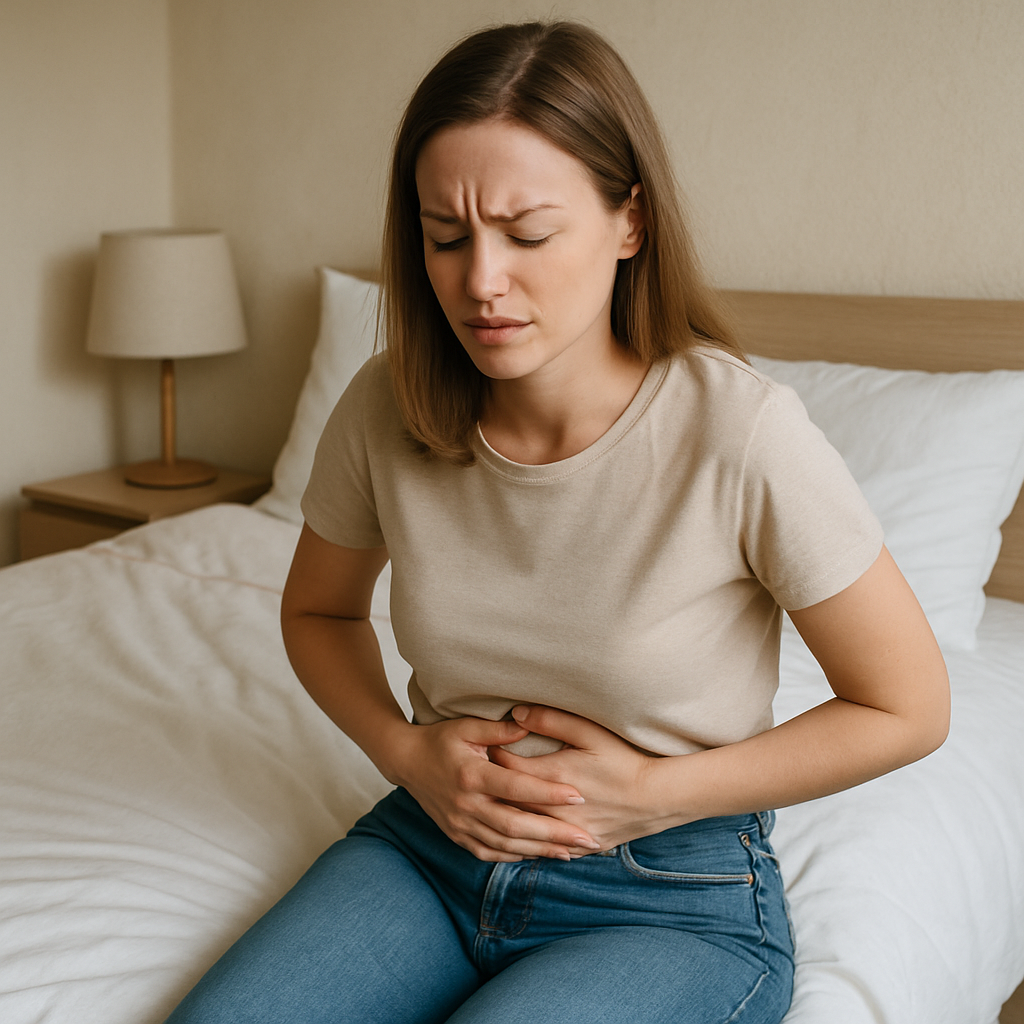
What Causes Bloating?
Before you dive into the remedies, it's good to understand what you're actually dealing with. Bloating isn’t just about gas (though, yeah, that’s part of it). It can be about your nervous system, your daily habits, and even how you think about food.
Poor Digestion and Food Triggers
Let’s not sugarcoat this: a lot of us eat like we’re in a rush. Cold smoothies in winter, random snacking, heavy late-night dinners—these choices confuse your digestion. According to Ayurveda, poor food combining or eating on-the-go can weaken agni, the inner digestive fire that breaks down food. And when digestion is sluggish? You get gas, heaviness, and yes—bloating.
Certain culprits are classic: beans, dairy, processed carbs, cruciferous veggies like broccoli, and artificial sweeteners. These aren’t “bad” foods, but they can become troublemakers when your digestion’s off.
Gut Imbalance and Stress
Ever noticed how bloating hits hardest before a big meeting? Or after an argument? That’s not coincidence. Stress messes with the gut big time. In fact, your brain and gut are constantly talking—when one is anxious, the other reacts.
Stress can cause imbalances in your gut bacteria (hello, dysbiosis), slow down digestion, and increase inflammation. If you’re constantly feeling puffy, despite eating healthy, this might be why.
Also, let’s not ignore chronic issues like IBS, food intolerances, or hormonal shifts. They can all play a role in persistent bloating. Ayurveda doesn't claim to "cure" these things—but it can support your body’s healing.
How to Get Rid of Bloating Fast
Now for the part everyone’s really here for: what actually helps when you feel like you swallowed a balloon?
Effective Home and Herbal Remedies
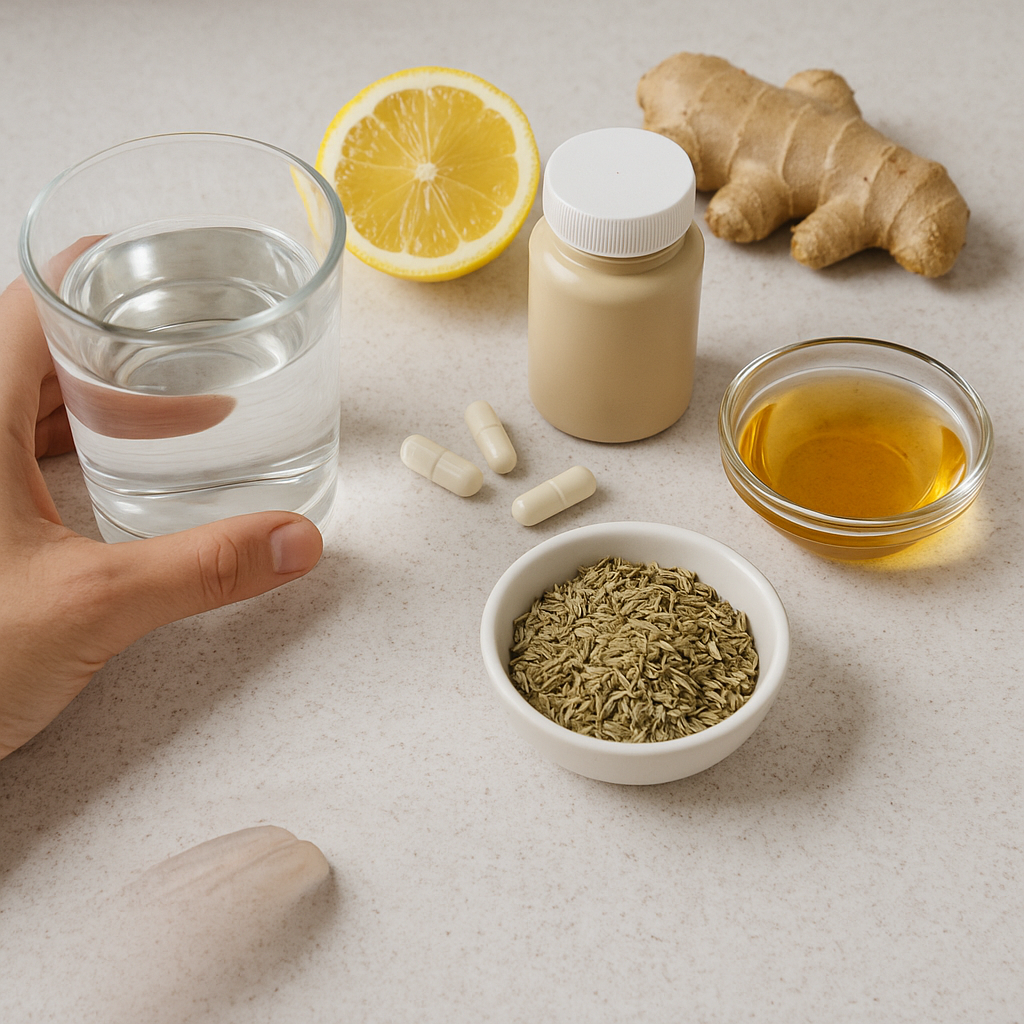
Some of the best bloating remedies are surprisingly simple. Start with warm water. Sip it slowly, especially first thing in the morning. It gently stokes agni and flushes out excess gas.
Try chewing a mix of fennel, cumin, and ajwain seeds after meals. Or boil them together to make a digestive tea. Honestly, this is a game-changer. Not glamorous, but super effective.
Peppermint oil capsules, ginger tea, or a bit of hing (asafoetida) in your cooking can also reduce belly gas almost instantly. These are time-tested tools—not internet hacks.
Simple Diet Swaps
Okay, look. No one’s saying you need to go full monk mode with your meals. But if you want to actually reduce bloating and get that light, spacious feeling back in your belly, a few intentional food swaps can make all the difference.
First, ditch the cold stuff. I know iced lattes and raw salads feel “clean,” but they can put out your digestive fire (agni) like a bucket of water. Ayurveda recommends warm, cooked foods, especially when your digestion is off. Think soups, lightly spiced lentils, sautéed veggies—not cold smoothies or protein bars straight from the fridge.
Second: simplify. Instead of cramming 12 ingredients into every meal (looking at you, rainbow Buddha bowls), try eating mono-meals—just rice and veggies, or dal and rice. Less complexity = easier digestion = less bloating.
Also, keep an eye on food combining. Ayurveda has strong opinions here—fruit with dairy, beans with cheese, or yogurt with fish? Big no. These combos create "ama" (toxins) and lead to bloating. Even if it sounds old-school, test it for a week and see how your gut responds.

Ayurvedic Approach to Bloating
Modern solutions can feel like a band-aid—pop a pill, move on. Ayurveda takes a slower, deeper route. It asks: why is your digestion weak? Where is the imbalance? Let’s fix that, not just the symptom.
Agni (Digestive Fire) and Bloating
Everything in Ayurveda revolves around agni—your internal fire. When agni burns bright, digestion is strong, and bloating doesn’t stand a chance. But when it’s weak or “dampened” by stress, cold food, or irregular eating? That’s when gas builds up, food sits heavy, and things just feel...off.
To strengthen agni, start small. Sip warm ginger tea before meals. Don’t snack constantly—give your belly 3–4 hours between meals to reset. Sit down when you eat (crazy how often we don’t). Even a short walk after lunch helps stoke the fire.
Best Herbs and Teas
Now, the fun part: Ayurvedic herbs for bloating are powerful, natural, and (mostly) easy to find.
-
Triphala: This classic blend of three fruits helps cleanse the gut and regulate elimination. Take it before bed with warm water.
-
Cumin-Fennel-Coriander Tea: This simple infusion helps calm the gut and support agni. Bonus: it’s caffeine-free and super gentle.
-
Ajwain (carom seeds): Strong, spicy, and amazing for gas. A pinch with salt and warm water is an old Indian remedy that works like magic.
-
Hing (asafoetida): Smells funky, but trust me—your gut will love it. A tiny bit in your cooking or mixed with ghee can knock out bloating fast.
Also worth trying: licorice root for calming inflammation, and tulsi (holy basil) for stress-related gut issues. Ayurveda’s got a whole pharmacy of natural digestion tips, but these are a great place to start.
Daily Habits to Prevent Bloating
Let’s be honest—this is where most of us drop the ball. We might chug ginger tea for a day or two, but long-term gut calm? That’s built with habits. Tiny, consistent ones.
Eating Practices and Posture
Here’s the big one: slow. down. when. you. eat. I don’t mean meditate over every bite (unless that’s your thing), but try not to scroll TikTok or argue politics mid-lunch. Eat sitting down, chew well, and don’t multitask. Your digestive system isn’t built for chaos.
Also, posture matters more than you'd think. Slouching right after eating compresses your abdominal organs—so yeah, the gas builds up. Try sitting cross-legged, or take a gentle walk for 10–15 minutes. In Ayurveda, this is called “Shatapavali”—literally, “100 steps after eating.”
And avoid drinking a ton of water during meals. A few sips? Fine. But flooding your stomach dilutes your agni. Wait 30 minutes after eating if you can.
Calming the Nervous System
So many bloating issues aren’t about what you eat, but how your body is reacting. If your nervous system is in fight-or-flight mode, digestion shuts down. Literally.
Breathing slowly before meals, doing a few minutes of alternate nostril breathing (nadi shodhana), or even just lighting a candle while you eat—these tiny rituals can put your body into “rest-and-digest” mode. Which is where you want to be.
Some folks swear by abhyanga—self-massage with warm oil—as a nervous system soother. Sounds indulgent, but it helps. Especially if your bloating gets worse when you’re anxious.
स्वयं दवा न लें और प्रतीक्षा न करें। अभी डॉक्टर से चैट शुरू करें
When to Worry About Bloating
Sometimes bloating is more than just a meal gone wrong. It can be a sign that something deeper needs attention.
Chronic Bloating and Serious Causes
If bloating is happening daily, especially with weight changes, fatigue, or bowel issues—you might want to dig deeper. Conditions like SIBO, celiac disease, endometriosis, or gut infections can masquerade as “just bloating.” Don’t self-diagnose forever. Ayurveda can support you, but persistent symptoms deserve a closer look.
When to Consult a Doctor
Quick rule of thumb: if bloating comes with pain, vomiting, bleeding, or you’re losing weight without trying—please, go see a doctor. Don’t just “herb” your way through it.
Ayurveda is powerful, but it's not a substitute for medical care. It can be an amazing complement though—especially when guided by someone who understands both systems.
Conclusion
So, how to get rid of bloating? There’s no magic bullet. But between bloating remedies, ayurvedic herbs for bloating, gentle daily rituals, and awareness of stress, you can absolutely start to feel lighter—physically and emotionally.
It’s not about fixing your belly overnight. It’s about reconnecting with your gut in a way that feels kind, intelligent, and sustainable.
Trust your body. It’s trying to talk to you. Sometimes, it just needs you to listen with a little more warmth.
FAQs
What foods cause bloating the most?
Dairy, beans, cruciferous veggies (like broccoli), fried foods, carbonated drinks, and artificial sweeteners are common culprits. Cold and raw foods can also bloat you if digestion is weak.
Which Ayurvedic herbs help with bloating?
Triphala, fennel, ajwain, cumin, coriander, and hing are top choices. Each supports digestion in a different way.
Can stress and anxiety trigger bloating?
Absolutely. When you're stressed, digestion slows down. This can lead to gas buildup, bloating, and discomfort. Calming your nervous system can help reduce symptoms.
How fast can natural remedies relieve gas?
It varies. Warm herbal teas and spice blends can work in 15–30 minutes. But lasting relief usually comes from consistent habits.
उपयोगकर्ताओं के प्रश्न
What lifestyle habits can support better digestion and reduce bloating?
Client_710f93
2 दिनों पहले
To support better digestion and reduce bloating, focus on mindful eating habits and regular routines. Avoid constant snacking and allow 3-4 hours between meals to let your digestive system reset. Chew food thoroughly to aid digestion, and consider using herbs like fennel, cumin, and ajwain, traditionally used to alleviate bloating. Engage in light physical activity, such as a daily walk, to enhance gut motility. Persistent bloating may indicate underlying conditions like SIBO or celiac disease, so consult a healthcare professional if symptoms continue.
How long does it take to notice changes in digestion after dietary adjustments?
Client_ac80ad
12 दिनों पहले
You can typically notice changes in digestion within a few days to a couple of weeks after adjusting your diet. Immediate symptoms like bloating or constipation may start to improve within 48 hours to a week, especially if the changes include increasing fiber and hydration. However, more significant shifts, such as alterations in gut microbiome or chronic digestive issues, might take several weeks. If symptoms persist or are accompanied by pain, vomiting, bleeding, or unintentional weight loss, it's essential to consult a doctor to rule out underlying conditions. Additionally, stress management plays a key role in improving digestive health.
What dietary changes can help alleviate gas and bloating?
Client_150392
21 दिनों पहले
To alleviate gas and bloating, it's effective to make dietary changes such as reducing the intake of common gas-inducing foods like beans, onions, broccoli, and dairy if you're lactose intolerant. Gradually adding fiber to your diet can help, but increasing fiber should be done slowly to prevent further gas. Eating smaller, more frequent meals instead of large ones can reduce pressure and gas buildup. Peppermint oil capsules and ginger tea are also helpful. If symptoms persist despite these changes, it may be necessary to consult a doctor to rule out more serious conditions.
How can I tell if a tea is beneficial for my digestion?
Client_3fd47e
31 दिनों पहले
To determine if a tea is beneficial for digestion, consider its ingredients and their known effects on the digestive system. Teas containing ingredients like ginger, peppermint, or chamomile are often helpful for easing digestive discomfort and reducing bloating. If you choose teas made with Ayurvedic herbs like Triphala, they may support gut cleansing and regular elimination. Improvements can vary, but some individuals notice benefits within hours to a few days. If symptoms persist, worsen, or include severe pain or bleeding, consult a doctor. Avoid teas with additives or high sugar content, as these can exacerbate digestive issues.
How does hydration affect digestion and reduce bloating?
Client_f5ab1d
41 दिनों पहले
Hydration plays a crucial role in digestion by aiding in the breakdown of food and the absorption of nutrients. Drinking enough water can help prevent constipation, which is often a factor in bloating. Typically, it's recommended to aim for at least eight 8-ounce glasses of water a day, but individual needs can vary. Staying well-hydrated supports regular bowel movements and helps maintain a healthy digestive tract, subsequently reducing bloating. If bloating persists or is severe, it’s important to consult a doctor to rule out underlying conditions.
What is the role of daily walks in preventing bloating and improving digestion?
Client_1dc4f7
50 दिनों पहले
Daily walks play a big role in getting your digestive fire, or "agni," going. A stroll after meals is like a gentle nudge to your digestion, keeping things moving and reducing bloating. Walking not only helps balance vata dosha, which can cause bloating, but also helps circulate the energy throughout your body, aiding overall digestion.
Can I combine different types of fruit with warm water to improve digestion?
Client_28f93c
60 दिनों पहले
You can definitely try combining fruits with warm water, but in Ayurveda, it's important to pair fruits wisely. Some fruits don't mix well with others and can create toxins, or "ama," in your body. Try a single type of fruit like apples with warm water. It's best to keep it simple and see how your body responds.
What is the impact of eating too quickly on digestive health and bloating?
Client_899052
69 दिनों पहले
Eating too quickly can mess with digestion by not giving your stomach a head start at breaking down food properly, often leading to bloating. From an Ayurvedic view, it can disrupt agni (digestive fire), causing dosha imabalances. So, slow it down and savor each bite—your belly will thank you.
Can stress lead to emotional eating and worsen bloating problems?
Client_29b5f4
78 दिनों पहले
Yes, stress can definitely lead to emotional eating, which can worsen bloating. When stressed, digestion slows down, making it harder to process meals. Trying a few simple things like a short walk or making gentle food swaps—like warm, easy-to-digest foods—might help. Keep an eye on your eating habits and be kind to your body! 😊
Can I drink warm ginger tea after meals to help with bloating?
Client_98d2d6
87 दिनों पहले
Yes, you can! Drinking warm ginger tea after meals may still help with bloating but generally it's best before meals to kind of get the digestive fire going. But hey, if you've already eaten, give it a try and see if it works for you. Every body's a bit different, so finding what suits you is key. 😊
संबंधित आलेख

Gastrointestinal Disorders
कुटजारिष्ट के उपयोग, खुराक, साइड इफेक्ट्स और सामग्री
कुटजारिष्ट के उपयोग, खुराक, साइड इफेक्ट्स और सामग्री की खोज
3,855

Gastrointestinal Disorders
पतोला मूलादी कषायम के फायदे, खुराक, साइड इफेक्ट्स, सामग्री
पतोला मूलादी कषायम के फायदे, खुराक, साइड इफेक्ट्स, और सामग्री की खोज
1,910

Gastrointestinal Disorders
Kutaja Parpati Vati Uses – Traditional Ayurvedic Remedy for Digestive Disorders
Discover the traditional Ayurvedic uses of Kutaja Parpati Vati, a potent remedy for digestive disorders including dysentery and diarrhea. Learn about its benefits, usage guidelines, and expert insights.
2,863

Gastrointestinal Disorders
Ritu Haritaki – Ayurvedic Remedy for Digestive Health and Detoxification
Explore the benefits and uses of Ritu Haritaki, a seasonal Ayurvedic herb known for promoting digestive health, detoxification, and overall wellness.
3,774

Gastrointestinal Disorders
Panchavalkala Kwatha Churna: Benefits, Dosage & Ayurvedic Insights
Explore the benefits, proper dosage, uses, and Ayurvedic foundations of Panchavalkala Kwatha Churna, a traditional herbal powder for digestive and overall health.
6,502

Gastrointestinal Disorders
त्रिवृत लेह्यम: फायदे, खुराक, साइड इफेक्ट्स, उपयोग कैसे करें, सामग्री
त्रिवृत लेह्यम की खोज: फायदे, खुराक, साइड इफेक्ट्स, उपयोग कैसे करें, सामग्री
3,603

Gastrointestinal Disorders
Vettumaran Gulika Benefits Dosage Ingredients Side Effects
Exploration of Vettumaran Gulika Benefits Dosage Ingredients Side Effects
2,446

Gastrointestinal Disorders
Anuloma DS Tablet – Uses, Ingredients, Dose, Side Effects
Exploration of Anuloma DS Tablet – Uses, Ingredients, Dose, Side Effects
7,180

Gastrointestinal Disorders
How to Consume Castor Oil: Ayurvedic Guide and Benefits
Exploration of Exploring the Digestive Benefits and Safe Consumption of Castor Oil
13,067

Gastrointestinal Disorders
Is Coconut Water Good for Acid Reflux and Acidity? Ayurvedic Insights
Exploration of Exploring the Benefits of Coconut Water for Acid Reflux Relief
21,152
विषय से संबंधित परामर्श
अतिरिक्त दस्तावेज़
© 2024 Ask Ayurveda. सर्वाधिकार सुरक्षित।