आयुर्वेदिक डॉक्टर से प्रश्न पूछें और निःशुल्क या भुगतान मोड में अपनी चिंता की समस्या पर ऑनलाइन परामर्श प्राप्त करें। 2,000 से अधिक अनुभवी डॉक्टर हमारी साइट पर काम करते हैं और आपके प्रश्नों का इंतजार करते हैं और उपयोगकर्ताओं को उनकी स्वास्थ्य समस्याओं को हल करने में प्रतिदिन मदद करते हैं।


Body DetoxEar, Nose, and Throat DisordersGeriatrics & RejuvenationImmunodeficiencyInfertility TreatmentNutritionOrthopedic DisordersPediatricsRespiratory DisordersSexually Transmitted Diseases (STDs)Surgery RecoveryUrological DisordersVascular DisordersDental DisordersEndocrinological DisordersGastrointestinal DisordersYoga TherapyGeneral MedicineAllergic DisordersCardio DisordersGynecology and ObstetricsCosmetologySkin and Hair DisordersEye DisordersInfectious DiseasesMental DisordersNeurological DisordersOncologyPanchakarmaSexual Health & DisordersSports Medicine
पर प्रकाशित 05/27/25
(को अपडेट 08/10/26)
1,995
What Causes Low Blood Sugar Without Diabetes?

Okay, so here’s a weird one: You’re lightheaded, shaky, and maybe even a little sweaty — and you haven’t even had caffeine yet. Your brain feels foggy, like someone turned down the volume on your thoughts. You think, “Is this what a sugar crash feels like?” But you’re not diabetic. Your blood sugar shouldn’t be this low… right?
Turns out, it can happen. Low blood sugar without diabetes — also known as non diabetic hypoglycemia — is very real. And while it might sound like something only super health-conscious folks talk about in wellness podcasts, it’s actually more common than people think.
So what causes low blood sugar without diabetes? And more importantly, what can you do about it? That’s what this piece is for. We’ll talk through the real causes, the odd (but explainable) symptoms, and even dive into what Ayurveda says about this whole thing. Because, honestly? Western medicine doesn’t always have all the answers — especially when you're feeling weird and your labs are "normal."

What Is Low Blood Sugar Without Diabetes (Non-Diabetic Hypoglycemia)
Non-diabetic hypoglycemia is like this paradox: your blood sugar drops too low, but you’re not on insulin, and you haven’t been diagnosed with diabetes. It feels unfair — or like your body’s playing tricks on you. But it’s not. It’s just reacting to something, even if it’s hard to pinpoint what.
So technically, blood sugar is considered low when it falls below 70 mg/dL. But symptoms can show up even before that, especially if your body isn’t used to sudden drops. The confusing part? Most doctors test your fasting glucose and say you’re fine. But timing is everything. For many folks, especially those with reactive hypoglycemia non diabetic, it’s the sudden crash after eating that sets off the symptoms.
Non-diabetic reactive hypoglycemia is exactly what it sounds like: your body overreacts to sugar (or carbs) and releases too much insulin, which then makes your blood sugar tank. Cue the shakiness, confusion, and hangry panic.
Causes of Low Blood Sugar Without Diabetes
Let’s get into the why. Because if you’re not diabetic, what’s messing with your blood sugar?
Skipped Meals, Poor Digestion, and Vata-Pitta Imbalance
Skipping meals might seem harmless — even noble, depending on which TikTok “health trend” you follow. But for some people, especially those with a fast-burning metabolism (Ayurveda would call this a Pitta trait), missing meals creates a perfect storm. Add to that some digestive irregularity (hello, Vata), and your blood sugar starts bouncing like a yo-yo.
Poor digestion means you’re not absorbing nutrients properly. If your body doesn’t extract the glucose it needs from food efficiently, it reacts as if you haven’t eaten at all. Cue low blood sugar symptoms without diabetes: lightheadedness, fatigue, irritability.
It’s not always about how much you eat — it’s how well your body uses what you eat. And if your internal fire (or Agni, as Ayurveda calls it) is weak or unstable, you’re going to feel those crashes more often.
Stress, Overexertion, and Improper Food Combining
Ah, stress — the invisible culprit behind, well, everything. Chronic stress activates your adrenal glands, which can lead to hormone imbalances, including cortisol dysregulation. Over time, this messes with your blood sugar regulation, even if you don’t have diabetes.
Plus, overexertion — whether it’s pushing too hard at the gym or just living in go-go-go mode — eats up glucose fast. If your energy demand outpaces your supply, boom: hypoglycemia, non diabetic style.
And food combining? Honestly, it’s underrated. If you're downing sugar-laden granola with fruit juice, your insulin spikes, crashes, and leaves you shaky. Not everyone reacts this way, but if you’re prone to non diabetic hypoglycemia, it matters more than you'd think.
Symptoms of Low Blood Sugar Without Diabetes
So how do you know if you’re dealing with non diabetic hypoglycemia symptoms — and not just having an off day?
That’s the tricky part. The symptoms are vague. They overlap with anxiety, burnout, and sometimes even dehydration. But there are patterns. Once you notice them, it’s hard to unsee.
How Sudden Drops Affect Mind, Mood, and Body
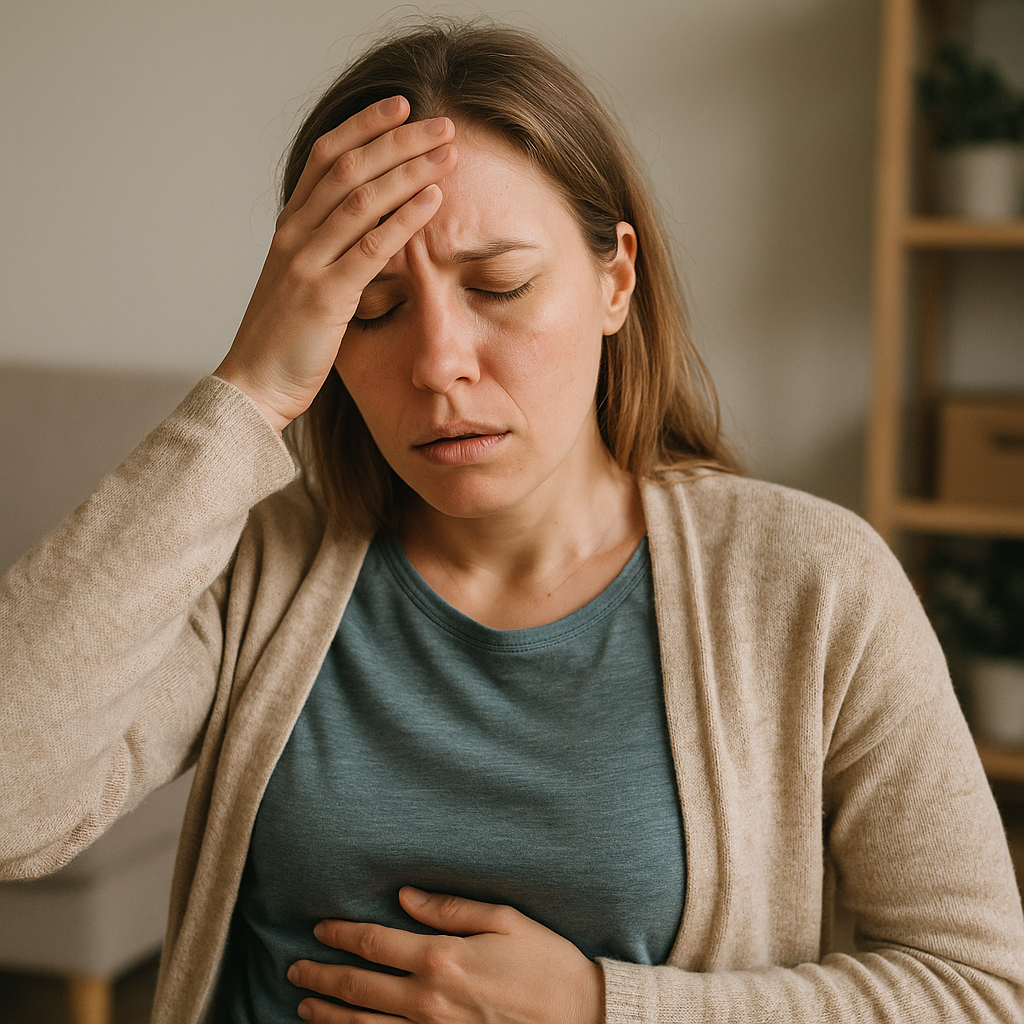
One second, you're fine. Then… it hits. The shaky hands, the brain fog, maybe a weird wave of nausea. You might feel like you have to eat something immediately, or else you’ll lose it — emotionally or physically.
Common low blood sugar symptoms without diabetes include:
-
Feeling shaky or jittery
-
Lightheadedness or dizziness
-
Sudden irritability or anxiety (like, disproportionate to what's happening)
-
Blurred vision
-
Sweating, even when you’re not hot
-
A weird, intense hunger that hits out of nowhere
-
Trouble thinking clearly — your brain just won’t cooperate
Here’s a weird one I’ve heard from people (and felt myself): you feel like crying, for no reason. Like a wave of emotional instability just crashes through you. That’s not “just in your head” — it’s literally your brain starving for glucose.
For some folks, especially those with reactive hypoglycemia non diabetic, the crash comes about 1–3 hours after a meal. You eat something (often carb-heavy), feel okay… and then boom, your blood sugar drops like a rock. That’s when the body says, “Not cool, buddy.”
And it’s not only about food. Stress, dehydration, lack of sleep — all of it piles on. That’s what makes this hard to pin down: it’s not a single trigger. It’s a combination.
Ayurvedic Treatment for Low Blood Sugar Without Diabetes
Okay, let’s pivot. Western medicine acknowledges non diabetic hypoglycemia, but often shrugs when you ask, “What should I do about it?” Enter Ayurveda.
Now, I’m not here to say Ayurveda is magic. But it does offer a framework for understanding these weird energetic shifts in the body — something that’s often missing in clinical approaches.
Stabilizing Agni with Regular, Balanced Meals
First, your Agni — your digestive fire — needs to be stable. If you’re skipping meals or eating erratically, you’re confusing your body. In Ayurvedic terms, this disrupts both Vata and Pitta, which are key players in energy regulation.
Regular meals matter. And I mean real food — warm, nourishing, grounding stuff. Think kitchari, soups, stews. Add a little ghee. Avoid the sugar spikes. Basically, eat like someone who respects their stomach.
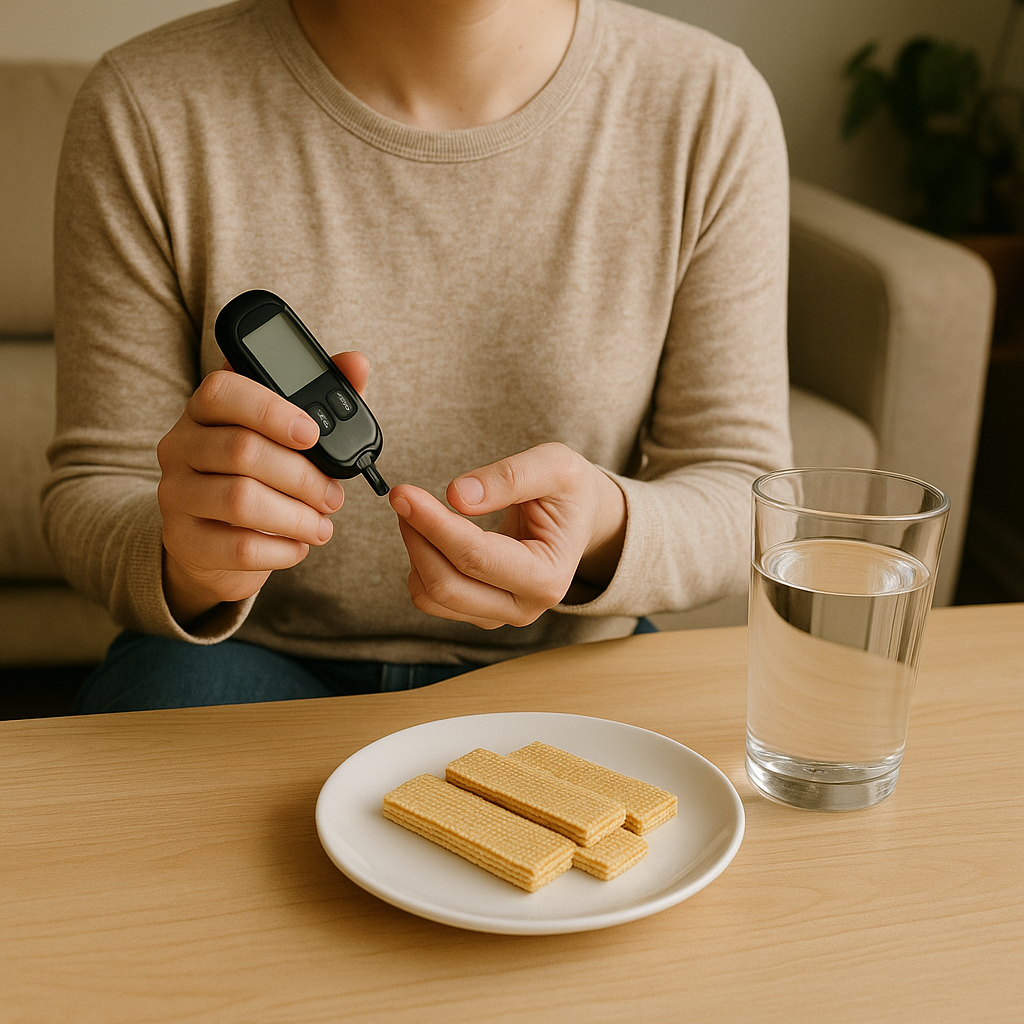
Eating every 3–4 hours might sound excessive, but for people with hypoglycemia non diabetic, it’s honestly life-saving. Blood sugar loves rhythm. So do your hormones. Give them a pattern, and they’ll start behaving.
Herbal and Natural Support for Blood Sugar Stability
A few herbs that come up again and again:
-
Ashwagandha (for stress reduction)
-
Licorice root (to support adrenal balance — but careful with high blood pressure)
-
Guduchi and Triphala (for digestive support and blood sugar regulation)
These aren't quick fixes, and they’re not one-size-fits-all. But when used properly (ideally under the guidance of an Ayurvedic practitioner), they can help stabilize your internal systems over time.
Lifestyle and Breath Practices to Maintain Energy
And yeah, let’s talk lifestyle. Ayurveda isn't just about herbs and food — it's how you live.
Simple pranayama (breath practices) like nadi shodhana or box breathing can regulate the nervous system, helping prevent stress-induced sugar dips.
Sleep matters, too. Ayurveda recommends going to bed before 10 p.m. to stay in sync with natural rhythms. Sounds woo-woo, but there’s something to it. When you’re sleep-deprived, your cortisol spikes, and bam — your blood sugar takes a hit.

How to Prevent Non-Diabetic Reactive Hypoglycemia
If you’ve made it this far, you’re probably thinking, “Cool, I know what it is — but how do I stop feeling like this?” Fair question.
Preventing non diabetic reactive hypoglycemia isn’t just about reacting to symptoms — it’s about managing the conditions that cause them. Think of it like gardening: You’re not just pulling weeds; you’re tending the soil so they don’t grow in the first place.
Here’s the big one: balance your meals. Each plate should have protein, healthy fat, and slow-digesting carbs. No more dry toast for breakfast, no more fruit-only smoothies. If you eat carbs alone — especially refined ones — your blood sugar will spike and then crash. You need that trio to slow down digestion and keep energy stable.
Second: eat regularly. You might feel fine skipping breakfast until you don’t. Once your blood sugar regulation goes off the rails, it’s harder to bring it back. Even if intermittent fasting worked for you at one point, that might change — especially if you're prone to non diabetic hypoglycemia. Bodies evolve. Respect that.
Don’t forget about hydration. Dehydration mimics low blood sugar symptoms — and can even cause them. Try adding a pinch of sea salt and lemon to your water. It helps maintain electrolytes and supports adrenal health.
Movement also plays a role. Gentle exercise (like walking after meals) helps improve insulin sensitivity. But don’t overdo it — intense workouts can sometimes trigger blood sugar crashes, especially if you haven’t eaten properly beforehand.
And if you suspect adrenal fatigue? Treat that like a root issue. It’s connected. A tired adrenal system can’t regulate blood sugar well. Cortisol, insulin, and glucose — they’re part of the same conversation.
स्वयं दवा न लें और प्रतीक्षा न करें। अभी डॉक्टर से चैट शुरू करें
Conclusion
So, what causes low blood sugar without diabetes? Honestly, it’s a mix. It could be diet. It could be stress. It could be your gut or hormones or just your constitution — how you're built.
But here's the thing: non diabetic hypoglycemia isn’t imaginary. And it’s not just about eating more sugar. In fact, that often makes it worse.
What you need is rhythm. Stability. Food that nourishes, herbs that support, and habits that make space for your body to self-regulate.
And if all of this sounds kind of annoying or exhausting — I get it. But once you start tuning into your body’s patterns, it becomes less about managing symptoms and more about preventing chaos before it even starts.
FAQs
What condition mimics low blood sugar?
Adrenal fatigue, anxiety disorders, and even dehydration can mimic symptoms of low blood sugar. Sometimes, it’s not about glucose at all — but how your body is perceiving stress.
Can a healthy person be hypoglycemic?
Yes, especially if they’re skipping meals, under chronic stress, or have imbalanced digestion. “Healthy” doesn’t mean immune to blood sugar dips — especially if you’re pushing your body hard without proper recovery.
How is non-diabetic hypoglycemia different from general fatigue?
Fatigue is a general lack of energy, while non diabetic hypoglycemia often comes with a cluster of symptoms: shakiness, mood swings, intense hunger, and mental fog — often suddenly, and often resolved quickly by eating.
उपयोगकर्ताओं के प्रश्न
What supplements can help prevent low blood sugar episodes?
Client_c816ce
7 दिनों पहले
To prevent low blood sugar episodes, consider supplements like chromium, magnesium, and alpha-lipoic acid, which can aid blood sugar regulation. Chromium helps enhance insulin function, magnesium is crucial for glucose metabolism, and alpha-lipoic acid supports insulin sensitivity. Typically, you may notice changes in 4 to 6 weeks, but results vary. It's important to monitor for symptoms like dizziness or confusion. Consult a doctor before starting new supplements, especially if you have underlying health conditions.
What are the signs and symptoms of low blood sugar in non-diabetics?
Client_ca528b
17 दिनों पहले
Low blood sugar in non-diabetics, also known as non-diabetic hypoglycemia, can present symptoms such as shakiness, sweating, confusion, irritability, anxiety, dizziness, and hunger. These symptoms occur when the blood glucose level drops below normal. Eating regularly every 3-4 hours and including balanced portions of protein, healthy fats, and complex carbohydrates can help prevent these episodes. If symptoms persist or severely impact daily life, it is crucial to consult a healthcare provider to rule out underlying conditions and tailor a management plan.
How long does it take to balance blood sugar levels with diet changes?
Client_f5e024
27 दिनों पहले
Balancing blood sugar levels with diet changes can take a few weeks to several months, depending on individual factors such as current eating habits, physical activity, and metabolic health. The key is consistently eating balanced meals that include a mix of carbohydrates, protein, and fats to prevent spikes. Avoid consuming carbohydrates alone, especially refined ones, as this leads to fluctuations. Stay hydrated, as it supports overall metabolic function. If symptoms like shakiness or brain fog persist despite dietary changes, consult a healthcare professional to rule out conditions like diabetes or prediabetes.
How does meal timing affect blood sugar levels in non-diabetics?
Client_fd99be
36 दिनों पहले
Meal timing can significantly affect blood sugar levels even in non-diabetics. Consuming meals and snacks at regular intervals can help maintain stable blood sugar levels, preventing drastic spikes and drops. Irregular meal timing can lead to higher peaks and lower troughs in blood sugar, potentially causing fluctuations in energy levels and mood. It's generally beneficial to have balanced meals that include protein, fiber, and healthy fats to slow down sugar absorption. If you notice symptoms like dizziness or fatigue frequently, consider consulting a healthcare provider to rule out any underlying conditions.
What are the best foods to include for stable energy if I have adrenal fatigue?
Client_a0283f
46 दिनों पहले
For stable energy with adrenal fatigue, try meals that blend protein, healthy fats, like avocado or nuts, and slow-digesting carbs, like quinoa or sweet potatoes. Kitchari, soups, and stews can be great with balanced timing. Also, avoid sugar spikes- they're the enemy! Your meals should help stabilize blood sugar levels. 😊
What are some effective ways to manage stress to help stabilize blood sugar levels?
Client_530321
55 दिनों पहले
Managing stress can indeed help with stabilizing blood sugar levels. Try incorporating daily practices like meditation or deep breathing to calm your mind. Gentle exercises, like yoga, can also be very grounding. Don’t forget balanced meals—keep that Agni strong! Think protein, healthy fats, and slow carbs, no skippin' meals! Warm foods can also be soothing. If you suspect a larger issue, maybe chat with a healthcare pro who understands Ayurveda too.
What are some common habits that can disrupt blood sugar levels in non-diabetics?
Client_e9c490
64 दिनों पहले
Skipping meals can really throw off your blood sugar levels, even for non-diabetics. Also, if your digestion isn't strong, it might cause your body to not extract glucose well, leading to imbalances. A Vata-Pitta imbalance often makes this worse. Try regular meals, nourish with ghee, and monitor digestion to keep things stable.
Is it safe to try intermittent fasting if I have reactive hypoglycemia?
Client_3fd738
74 दिनों पहले
Intermittent fasting might be tricky with reactive hypoglycemia since it could trigger those crashes you mentioned. But, it really depends on how your body typically reacts. Maybe starting with a more gentle fasting window just 12 hours, could help. Consulting with a healthcare professional about it would be best!
How can stress management techniques help prevent low blood sugar symptoms?
Client_b907d8
83 दिनों पहले
Stress can actually play a big role in low blood sugar symptoms. Ayurveda sees stress as a thing that shakes our balance. Techniques like nadi shodhana or box breathing can regulate your nervous system, helping your body manage energy better. This might stop the drop in sugar levels that stress can trigger. Try including these simple breath practices in your daily routine!
What lifestyle changes can help improve brain fog related to low blood sugar?
Client_4a63b0
93 दिनों पहले
Focus on grounding foods and regular meal times to help stabilize blood sugar and improve brain fog. Start your day with a warm, nourishing breakfast, like oatmeal or kitchari. Avoid sugar highs & lows by eating balanced meals with protein, healthy fats, and complex carbs. Stay hydrated, manage Vata by practicing slow, calming breathwork or yoga. If stuff ain't shifting, working with an Ayurvedic practitioner can be a good move.
संबंधित आलेख

General Medicine
Punarnava Mandur – Tablets, Benefits, Dosage, Ingredients, Side Effects
Exploration of Punarnava Mandur – Tablets, Benefits, Dosage, Ingredients, Side Effects
4,250

General Medicine
पुरुष प्रजनन सप्लीमेंट्स: पहले जड़ कारणों को समझें
स्पर्म बनने में 74 दिन लगते हैं। सबसे पहले गर्मी, नींद, शराब और ब्लड शुगर को ठीक करने के लिए 90 दिन का प्रोटोकॉल अपनाना चाहिए, और इसमें सप्लीमेंट्स का सही जगह पर इस्तेमाल करना जरूरी है।
83

General Medicine
पुरुष प्रजनन क्षमता के सप्लीमेंट्स: क्या वाकई में काम करता है?
CoQ10, जिंक, सेलेनियम, L-कर्निटाइन और फोलेट के शोधित डोज़, साथ ही अश्वगंधा और कपिकच्छु — कौन से पुरुष प्रजनन सप्लीमेंट्स स्पर्म की क्वालिटी को बदलते हैं।
76

General Medicine
How to Prevent Diabetes: Ayurvedic Lifestyle, Foods, and At-Home Care
How to prevent diabetes naturally? Learn Ayurvedic tips, foods, and daily routines to prevent or reverse diabetes, including exercises for diabetes care at home
1,542

General Medicine
What Is Chirata: Ayurvedic Plant, Benefits and Uses
Exploration of Exploring the Benefits and Uses of Chirata in Ayurveda
6,255

General Medicine
महिलाओं के लिए हेयर ग्रोथ सप्लीमेंट्स: क्या सच में काम करता है?
कुछ भी खरीदने से पहले जो ब्लड टेस्ट करना चाहिए, कौन से सप्लीमेंट्स सच में महिलाओं के पतले होते बालों में मदद करते हैं, और क्यों बायोटिन सबसे ज्यादा बेचा जाने वाला सप्लीमेंट है।
236

General Medicine
Pushkaramoolasava: Focuses on holistic wellness, reproductive, and immune health.
Explore the benefits, proper dosage, side effects, and scientific research behind Pushkaramoolasava, a potent Ayurvedic herbal tonic.
2,388

General Medicine
पतोलाड़ी कषायम के फायदे, खुराक, सामग्री, साइड इफेक्ट्स
पतोलाड़ी कषायम के फायदे, खुराक, सामग्री, और साइड इफेक्ट्स की जानकारी
3,081

General Medicine
याददाश्त खोने का प्राकृतिक इलाज: जड़ी-बूटियाँ, खाद्य पदार्थ, आदतें
ब्राह्मी, अश्वगंधा, गोटू कोला, हल्दी और केसर याददाश्त के लिए, साथ ही नींद और व्यायाम की आदतें जो इनसे भी ज्यादा महत्वपूर्ण हैं और डॉक्टर को कब दिखाना चाहिए।
99

General Medicine
वजन घटाने के लिए प्रोटीन ड्रिंक: क्या काम करता है, क्या नहीं
फैट लॉस के लिए आपको कितनी प्रोटीन की जरूरत है, कौन सा प्रकार चुनें, 30-30-30 नियम का मूल्यांकन, घर पर बने रेसिपी, और क्यों कुछ लोगों को शेक पीने से पेट फूलता है।
67
विषय से संबंधित परामर्श
अतिरिक्त दस्तावेज़
© 2024 Ask Ayurveda. सर्वाधिकार सुरक्षित।