आयुर्वेदिक डॉक्टर से प्रश्न पूछें और निःशुल्क या भुगतान मोड में अपनी चिंता की समस्या पर ऑनलाइन परामर्श प्राप्त करें। 2,000 से अधिक अनुभवी डॉक्टर हमारी साइट पर काम करते हैं और आपके प्रश्नों का इंतजार करते हैं और उपयोगकर्ताओं को उनकी स्वास्थ्य समस्याओं को हल करने में प्रतिदिन मदद करते हैं।


Body DetoxEar, Nose, and Throat DisordersGeriatrics & RejuvenationImmunodeficiencyInfertility TreatmentNutritionOrthopedic DisordersPediatricsRespiratory DisordersSexually Transmitted Diseases (STDs)Surgery RecoveryUrological DisordersVascular DisordersDental DisordersEndocrinological DisordersGastrointestinal DisordersYoga TherapyGeneral MedicineAllergic DisordersCardio DisordersGynecology and ObstetricsCosmetologySkin and Hair DisordersEye DisordersInfectious DiseasesMental DisordersNeurological DisordersOncologyPanchakarmaSexual Health & DisordersSports Medicine
पर प्रकाशित 06/03/25
(को अपडेट 08/13/26)
2,842
What Causes Tinnitus: Common Causes and Ayurvedic Understanding

What Is Tinnitus According to Ayurvedic Medicine
Tinnitus is referred to in Ayurveda as "Karna Nada," which literally means "sound in the ear." It is typically regarded as a Vata imbalance and falls under the category of ear disorders. Space, air, and movement within the body are all governed by vata dosha. Stress, ageing, poor digestion, or excessive sensory stimulation can all aggravate Vata, which can lead to abnormalities in the nervous system and subtle body channels (srotas), which can cause phantom sounds in the ears.
Ayurveda aims to identify the underlying cause of the imbalance and address it at its source, compared with traditional medicine, which often focusses on symptom management. Treating digestive problems, calming the nervous system, or reducing the body's buildup of toxins (ama) could all be part of the solution for tinnitus.
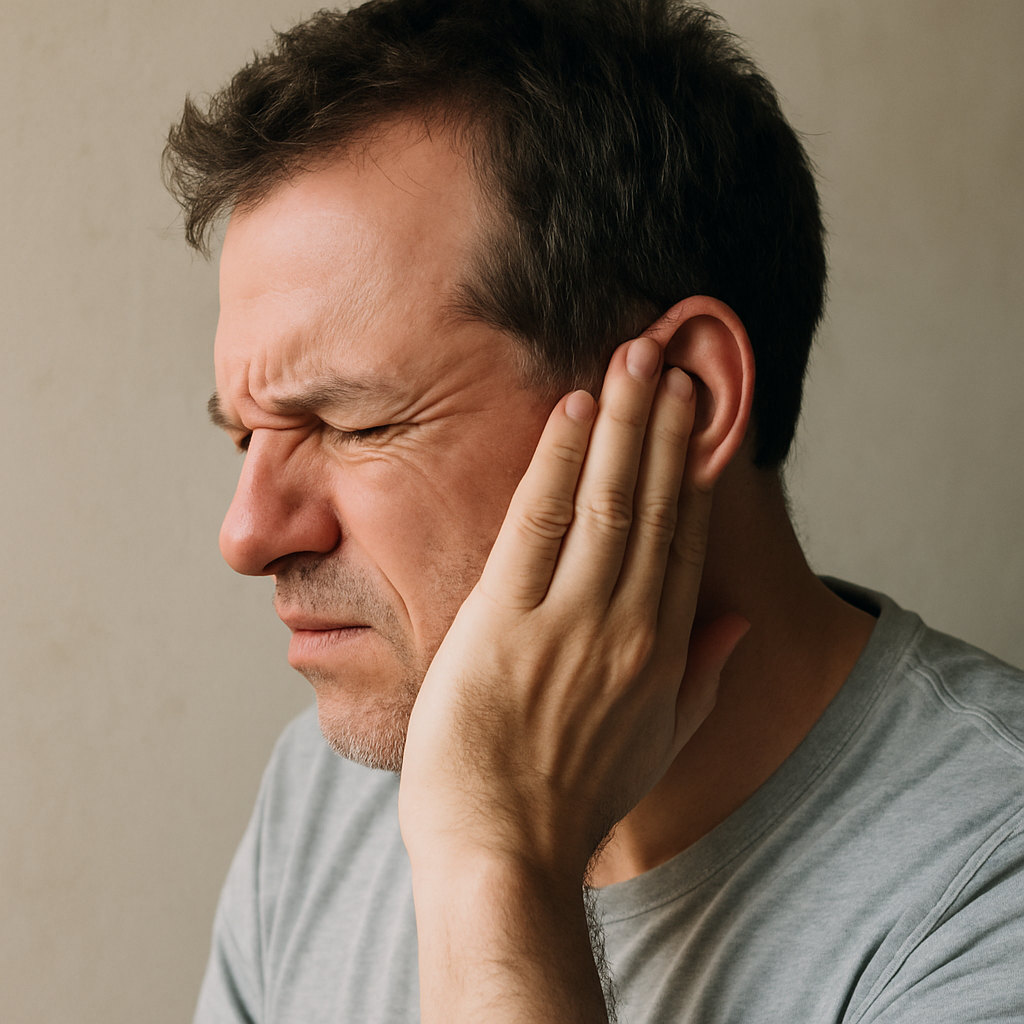
Main Causes of Tinnitus and Their Ayurvedic Interpretation
Age, Ear Damage, and Environmental Noise
Ageing is one of the most common causes of tinnitus. When people grow older, the tiny hair cells in their cochlea (inner ear) starts deteriorating. This degeneration further affects how sound is processed, leading to that tell-tale high-pitched ringing.
Exposure to loud noise, whether it is from from industrial environments, music concerts, or constant headphone use, is another major factor. Over time, this damages the auditory nerves, causing permanent or temporary tinnitus.
Ayurvedic Viewpoint:
Ayurveda sees aging as a natural increase in Vata energy. As Vata increases with age, dryness and weakness in the tissues—particularly in the nervous system—become more pronounced. Environmental noise acts as a direct aggravator of the auditory system, further disturbing Vata and causing imbalances that manifest as ear disturbances.
Stress, Poor Sleep, and Overuse of Electronics
Modern life is filled with stressors: emotional pressure, irregular sleep patterns, excessive screen time, and digital overload. These contribute to nervous system fatigue and hypersensitivity—both of which are closely associated with tinnitus.
Ayurvedic Viewpoint:
Excessive stimulation and insomnia aggravate Vata and disturb the mind (manas), especially when lifestyle habits are rajasic—overactive, fast-paced, and chaotic. This leads to poor mental digestion, affecting both the mind and body. Ayurveda also focuses on the importance of restful sleep for healing and proper regulation of nervous system.
Drugs That Cause Tinnitus and Toxin Accumulation (Ama)
Several medications can cause tinnitus or worsen its condition. These medications can be certain antibiotics like gentamicin, diuretics, chemotherapy drugs, etc. These medicines can sometimes harm the sensory cells of the ear or disturb your brain's ability to process sound properly.
Ayurvedic Perspective:
External chemical substances like some medications can act as toxins or foreign agents that cause ama (a type of toxic buildup in the body). This ama can further block the strotas, especially those that are linked with hearing and functioning of nervous system. So, when these channels become blocked, it can cause imbalance and cause conditons like tinnitus.
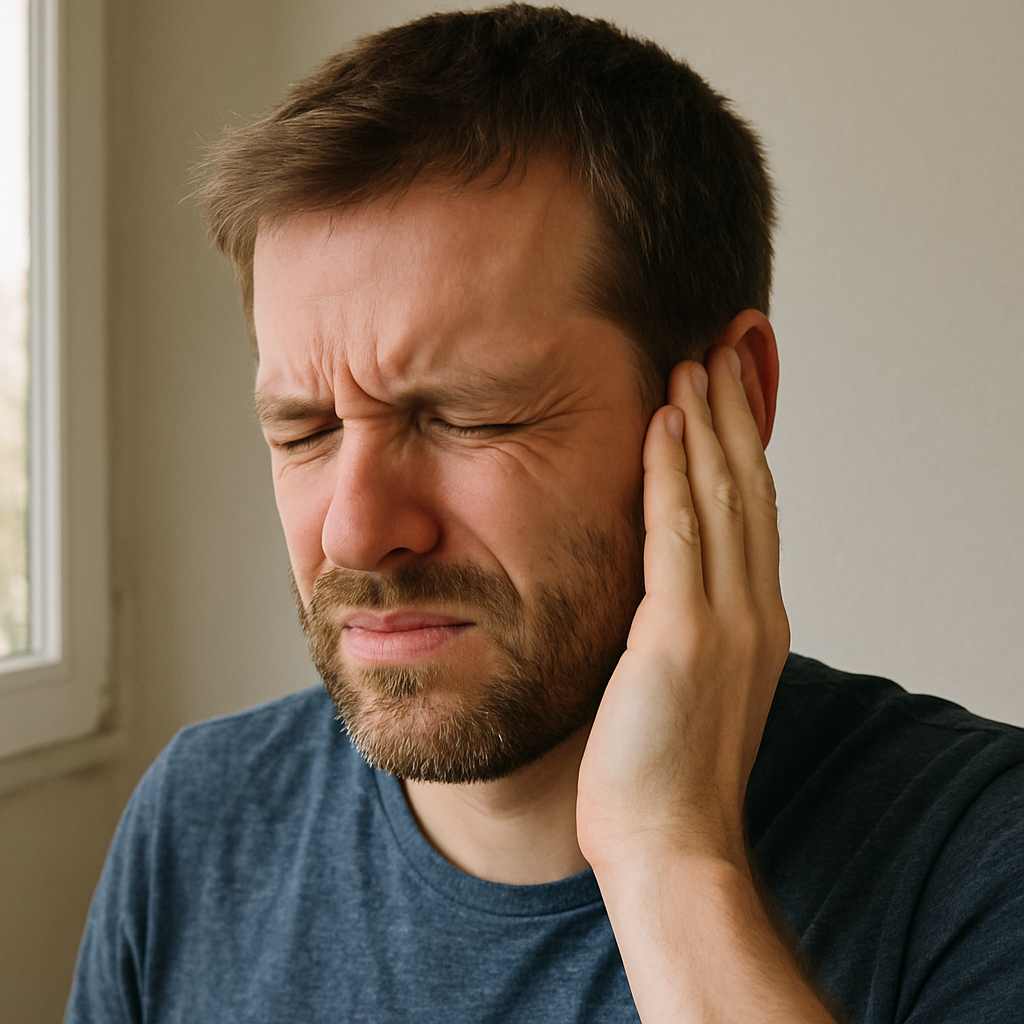
How Ayurveda Explains and Addresses Root Causes of Tinnitus
Vata Aggravation and Nervous System Overload
In Ayurveda, tinnitus is most commonly linked to an imbalance or aggravation of Vata dosha, the energy responsible for movement and the nervous system. When Vata becomes excessive—due to irregular routines, overthinking, frequent travel, or cold weather—it disturbs the delicate balance in the nervous system.
This Vata disturbance manifests as erratic neural activity in the auditory pathways, which may result in a constant ringing in the ears or even pulsatile tinnitus. The more heightened the Vata imbalance, the more intense and persistent the sound becomes. Individuals may also experience anxiety, dry skin, constipation, and insomnia—other classic signs of Vata overload.
Gut-Brain Axis, Digestion, and Srotas Blockage
One often-missed cause of tinnitus is poor digestion. In Ayurveda, it's believed that when your digestion isn’t working well, it creates a sticky waste product called “ama.” This undigested residue can travel through the body and settle in weaker areas—like the ears—leading to problems such as tinnitus.
When the srotas—tiny channels in the body that carry nutrients and energy—get blocked, it can interfere with how we hear. This is especially a concern if toxins reach the Majja Dhatu (which relates to the nervous system) or the Shabda Vaha Srotas (the pathways that carry sound). When these areas are affected, it can lead to distorted or irregular hearing, like the ringing sounds of tinnitus.
Modern research increasingly supports the connection between gut health and brain function—known as the gut-brain axis. Ayurveda has been acknowledging this link for centuries, recognizing that restoring digestive fire (Agni) is essential to resolving chronic conditions like tinnitus.
Role of Mental Tension and Rajasic Imbalance
Mental stress, overstimulation, and emotional exhaustion are major contributors to tinnitus. In Ayurvedic philosophy, these conditions are driven by an excess of "Rajas"—a quality of energy associated with restlessness, ambition, and motion.
Rajas dominates when the mind is overactive, jumping from one thought to another. Over time, this creates instability and sensory overload, which exacerbates ringing in ears causes like chronic stress, insomnia, and anxiety. Many individuals notice that their tinnitus spikes during high-stress periods or emotional turmoil.
To balance Rajas, Ayurveda recommends grounding practices that promote "Sattva" (clarity, calmness, and wisdom), such as meditation, mindful eating, and limiting sensory input from devices.

How to Prevent Tinnitus: Natural Practices and Remedies
Daily Routine (Dinacharya) and Sound Exposure Reduction
Sticking to a steady daily routine—what Ayurveda calls Dinacharya—can really help calm Vata imbalances that often contribute to tinnitus. Little things like getting up early, eating at the same times every day, and going to bed before 10 PM can really help keep your body in balance. It’s also a good idea to be kind to your ears. You can also try avoiding blasting music, wearing earphones for too long, or spending too much time in loud places.
Even simple practices like oiling the ears with warm sesame oil (Karana Purana) can act as a protective measure, especially for those who work in noisy environments or use headphones frequently.
Foods, Herbs, and Oils to Calm Tinnitus
A Vata-pacifying diet can do wonders for managing the causes for tinnitus. This includes warm, cooked meals rich in healthy fats, root vegetables, and gentle spices like cumin, ginger, and turmeric. Avoid caffeine, cold drinks, and processed foods that increase dryness and nervous system irritability.
Herbs like ashwagandha, brahmi, and gotu kola have long been used to support the nervous system. They not only help sharpen focus and memory, but also ease stress, which is often a trigger for tinnitus. Another helpful practice is using nourishing treatments like Nasya (nasal oil), medicated ghee, or calming oils such as Bala Taila or Ksheerabala Taila. Gently massaging these into the scalp can help soothe the brain and support the nerves that affect hearing.
Breathwork, Nasya, and Head Massage Therapies
Breathwork, or pranayama, can be a powerful tool for calming the nervous system—especially techniques like Nadi Shodhana (alternate nostril breathing) and Bhramari, also known as bee breath. These gentle practices help settle the mind and bring balance to the inner sound landscape. When done regularly, they may ease both the intensity and how often tinnitus shows up.
Nasya therapy—applying medicated oil to the nasal passages—clears the head channels and supports sensory organ function. Combined with gentle head and neck massage using warm herbal oils, this therapy helps release deeply held stress and promote clarity of mind.
Conclusion
Tinnitus can feel overwhelming, especially when it manifests as a constant ringing in the ears with no clear cause or relief in sight. But understanding what causes tinnitus—from both a modern medical and Ayurvedic standpoint—empowers individuals to take a more holistic, proactive approach.
Unlike conventional medicine, which often looks at tinnitus as just an ear issue, Ayurveda views it as a sign of deeper imbalances in the body. It’s usually linked to an aggravated Vata dosha, weak digestion (Agni), and an overactive mind. Whether the cause is aging, side effects from medication, or emotional stress, Ayurveda offers specific approaches to both heal and prevent tinnitus by addressing the root of the problem.
By restoring equilibrium through routine, mindful living, and nourishing the body with herbs, oils, and diet, one can significantly reduce the frequency and severity of tinnitus. With a consistent approach, it’s not only possible to find relief but also to prevent the condition from worsening.
If you're ready to explore a natural, holistic approach to managing tinnitus, begin by tuning into your daily habits. Are you getting enough sleep? Are your meals warm and grounding? Do you spend quiet time with yourself, away from screens?
Just start somewhere. Take five minutes. Warm a little sesame oil and massage it into your scalp, or try a round of humming breath (Bhramari) before bed. No need to get it perfect—just see how it feels. Maybe you’ll sleep a bit better. Maybe not. Either way, it’s a step. Healing’s not a straight line, but it begins with simple moments like these.
Honestly, if you’ve been dealing with tinnitus and nothing’s really helped, talking to someone who gets the bigger picture might be worth it. An Ayurvedic practitioner won’t just look at your ears—they’ll look at you as a whole person. What you eat, how you sleep, how stressed you are, all of it. It’s not about quick fixes. It’s about slowly figuring out what your body’s trying to say. I know it can feel like a lot, but having someone guide you through it makes a real difference.
Remember: the goal isn’t just to stop the ringing—it’s to create a more peaceful, balanced, and healthful life overall.
FAQs
What shouldn't you do if you have tinnitus?
If you're experiencing tinnitus, avoid:
- Loud environments or listening to music through headphones at high volumes.
- Skipping meals or following erratic schedules, which aggravate Vata.
- Overconsumption of stimulants like caffeine or alcohol.
- Using drugs that cause tinnitus without medical supervision (like high doses of aspirin or certain antibiotics).
- Ignoring stress—since emotional tension is a key cause of tinnitus flare-ups.
Instead, focus on grounding routines, calming foods, and gentle sensory experiences.
What makes tinnitus flare up?
Tinnitus can flare up due to:
- Emotional stress or anxiety.
- Sleep deprivation or irregular sleeping patterns.
- Increased noise exposure.
- Certain medications (drugs that cause tinnitus, like NSAIDs or chemotherapy agents).
- Digestive issues and toxin buildup (ama).
Ayurvedically, these are all signs of increased Vata and/or Rajasic imbalance.
Can dehydration cause tinnitus?
Yes, dehydration can be an indirect cause of tinnitus. Adequate hydration is crucial for maintaining electrolyte balance and fluid pressure in the inner ear. When dehydrated, the body becomes more prone to nervous system irregularities and dryness—both of which are associated with Vata aggravation and ringing in ears causes.
Staying hydrated with warm water, herbal teas (like ginger or licorice), and moist, nourishing foods can help alleviate symptoms.
उपयोगकर्ताओं के प्रश्न
What are the long-term effects of excessive screen time on hearing health?
Client_6572a3
26 दिनों पहले
Excessive screen time itself doesn't directly impact hearing health, but it can contribute to behaviors and conditions that do. Long periods spent on screens often lead to increased headphone use at high volumes, which can cause noise-induced hearing loss over time. Additionally, screen time can lead to stress and poor sleep, further affecting overall health, including auditory processing. Watch for signs like persistent ringing in the ears, and consult a healthcare professional if concerns arise. Regular breaks, volume monitoring, and proper ear protection help mitigate these risks.
What dietary changes can help alleviate tinnitus symptoms according to Ayurveda?
Client_944d1e
36 दिनों पहले
Dietary changes that may help alleviate tinnitus symptoms, per Ayurveda, include incorporating warm, grounding foods such as cooked grains, root vegetables, and soups to balance Vata dosha imbalances that might contribute to tinnitus. Focus on easily digestible, moist, and nutrient-rich foods while avoiding cold, dry, and raw foods that can aggravate Vata. Staying hydrated and including healthy fats like ghee can also support overall wellness. If symptoms persist or worsen, consult a healthcare professional to explore both Ayurvedic and conventional medical approaches.
How does hydration impact tinnitus symptoms and overall ear health?
Client_f1b18f
46 दिनों पहले
Adequate hydration plays a crucial role in managing tinnitus symptoms and maintaining overall ear health. Keeping your body well-hydrated helps to maintain electrolyte balance and fluid pressure in the inner ear, which is essential for proper auditory function. Dehydration can potentially worsen tinnitus symptoms by affecting these balances. To support ear health, it's important to drink enough water throughout the day, typically around 8 cups, though this may vary based on individual needs and activity levels. If tinnitus persists or worsens despite proper hydration, consult a healthcare provider to rule out other underlying causes.
How long does it typically take to see improvements in tinnitus symptoms with natural practices?
Client_65c153
55 दिनों पहले
It typically takes several weeks to months to see improvements in tinnitus symptoms with natural practices. While each individual's experience may vary, consistent lifestyle changes such as improving sleep hygiene, managing stress, and maintaining a nutritious diet are often recommended. Regular exercise and mindfulness techniques can also help alleviate symptoms over time. Be cautious of prolonged, severe symptoms or sudden changes; these warrant a visit to a healthcare professional to explore other treatment options. Natural approaches can offer support but should be part of a broader health strategy.
How does Ayurveda suggest improving sleep quality to support tinnitus management?
Client_1b05d3
65 दिनों पहले
To improve sleep and support tinnitus in Ayurveda, try balancing Vata. Think warm, grounding activities: warm baths, gentle yoga, and early bedtimes. Sipping warm milk with nutmeg or ashwagandha before bed can calm the mind. Keep a regular sleep pattern to help your body's natural rhythm. Embracing a calming nighttime ritual will help.
What is the connection between environmental noise and tinnitus in Ayurveda?
Client_55d44e
74 दिनों पहले
In Ayurveda, environmental noise can worsen tinnitus by aggravating Vata dosha, which is linked to ear disturbances like "Karna Nada." Vata can get disturbed with constant noise, stress, or poor sleep. Try grounding routines, calming diets, and restful sleep to balance Vata and manage tinnitus symptoms.
What lifestyle changes can support gut health and reduce tinnitus symptoms?
Client_8e563e
84 दिनों पहले
To support gut health and possibly help with tinnitus, think about calming that Vata dosha. Try to stick with warm, nourishing foods, avoid anything overly spicy or cold. Get plenty of rest! Meditation or yoga can also help, that's calming for the mind and body. And yep, stay grounded - slow those busy lifestyles a bit. :)
How can I identify if my tinnitus is linked to my nervous system health?
Client_4a2dff
93 दिनों पहले
To figure out if your tinnitus is tied to nervous system health, watch for signs of Vata imbalance, like restlessness, anxiety, or insomnia. Notice if certain foods or stresses make it worse. Try adding calming herbs like ashwagandha or brahmi to your routine. If it's still tricky, consulting with an Ayurvedic practioner could help you get to the root cause.
Is it safe to travel if I have increased Vata and experience tinnitus symptoms?
Client_d4f472
102 दिनों पहले
Traveling with increased Vata and tinnitus can be tricky. Since travel itself can further elevate Vata, try to minimize stress and stay grounded. Drink plenty of warm fluids, apply warm oil to your head before travel, and keep routines as regular as possible. If symptoms worsen, it might be better to limit travel until you're more balanced.
What is the role of breathwork in managing tinnitus symptoms according to Ayurveda?
Client_786eb6
111 दिनों पहले
Breathwork, or pranayama, is great for managing tinnitus in Ayurveda because it helps calm the nervous system and balance vata dosha, which can be a big factor in tinnitus. Techniques like Nadi Shodhana and Bhramari are recommended. They’re simple and relaxing, helps reduce stress and promote better energy flow in the body.
संबंधित आलेख

Ear, Nose, and Throat Disorders
Hearing Loss Treatment in Ayurveda – Natural Remedies for Enhanced Auditory Health
Explore hearing loss treatment in Ayurveda through ancient herbal therapies and holistic practices designed to restore auditory function, balance doshas, and promote overall well-being.
4,423

Ear, Nose, and Throat Disorders
Chronic Cough Treatment in Ayurveda – Natural Holistic Remedies
Discover effective Ayurvedic methods for chronic cough treatment. Learn about herbal remedies, dietary adjustments, and holistic therapies that soothe and heal persistent cough.
3,466

Ear, Nose, and Throat Disorders
Tundikeri: A Comprehensive Guide to Its Medicinal Uses
Explore Tundikeri’s origins, health benefits, scientific research, and practical uses. Learn how this herbal remedy supports well-being and cautious usage.
2,391

Ear, Nose, and Throat Disorders
Pharyngitis Treatment in Ayurveda: Natural Relief Through Holistic Healing
Discover Pharyngitis Treatment in Ayurveda. Learn traditional remedies, modern insights, dosage guidelines, and lifestyle tips for effective, natural throat care.
3,377

Ear, Nose, and Throat Disorders
Why Is My Ear Ringing All of a Sudden? Ayurvedic and Spiritual Insights
Why is your ear ringing all of a sudden? Discover Ayurvedic and spiritual meanings behind ringing in the left or right ear and natural ways to restore balance
20,193

Ear, Nose, and Throat Disorders
शदबिंदु तेल के फायदे, उपयोग करने का तरीका, सामग्री, साइड इफेक्ट्स
शदबिंदु तेल के फायदे, उपयोग करने का तरीका, सामग्री, और साइड इफेक्ट्स की जानकारी
6,541

Ear, Nose, and Throat Disorders
Patoladi Ghrita: Ayurvedic Remedy for Skin, Hair & Digestive Health
Learn how Patoladi Ghrita, a traditional Ayurvedic medicated ghee, supports skin health, hair growth, and digestion with powerful herbal benefits.
3,024

Ear, Nose, and Throat Disorders
Karpuradi Vati Revealed: Detox & Rejuvenate with Ancient Ayurvedic Wisdom!
Unlock the secrets of Karpuradi Vati for detoxification and rejuvenation. Discover how this ancient Ayurvedic tablet can transform your wellness journey.
2,471

Ear, Nose, and Throat Disorders
Amodini Tablet Uncovered: The Secret to Boosting Digestion & Gut Health!
Explore the health benefits of Amodini Tablet, an Ayurvedic remedy designed for hormonal balance, menstrual health, and overall wellness in women.
2,543

Ear, Nose, and Throat Disorders
How to Cure Nasal Polyps Permanently at Home with Ayurveda
Discover how to cure nasal polyps permanently using Ayurvedic home remedies. Learn natural treatments, causes, and long-term solutions without surgery
3,768
विषय से संबंधित परामर्श
अतिरिक्त दस्तावेज़
© 2024 Ask Ayurveda. सर्वाधिकार सुरक्षित।