आयुर्वेदिक डॉक्टर से प्रश्न पूछें और निःशुल्क या भुगतान मोड में अपनी चिंता की समस्या पर ऑनलाइन परामर्श प्राप्त करें। 2,000 से अधिक अनुभवी डॉक्टर हमारी साइट पर काम करते हैं और आपके प्रश्नों का इंतजार करते हैं और उपयोगकर्ताओं को उनकी स्वास्थ्य समस्याओं को हल करने में प्रतिदिन मदद करते हैं।


Body DetoxEar, Nose, and Throat DisordersGeriatrics & RejuvenationImmunodeficiencyInfertility TreatmentNutritionOrthopedic DisordersPediatricsRespiratory DisordersSexually Transmitted Diseases (STDs)Surgery RecoveryUrological DisordersVascular DisordersDental DisordersEndocrinological DisordersGastrointestinal DisordersYoga TherapyGeneral MedicineAllergic DisordersCardio DisordersGynecology and ObstetricsCosmetologySkin and Hair DisordersEye DisordersInfectious DiseasesMental DisordersNeurological DisordersOncologyPanchakarmaSexual Health & DisordersSports Medicine
पर प्रकाशित 11/06/24
(को अपडेट 08/11/26)
228,366
Debunking Myths in Ayurveda
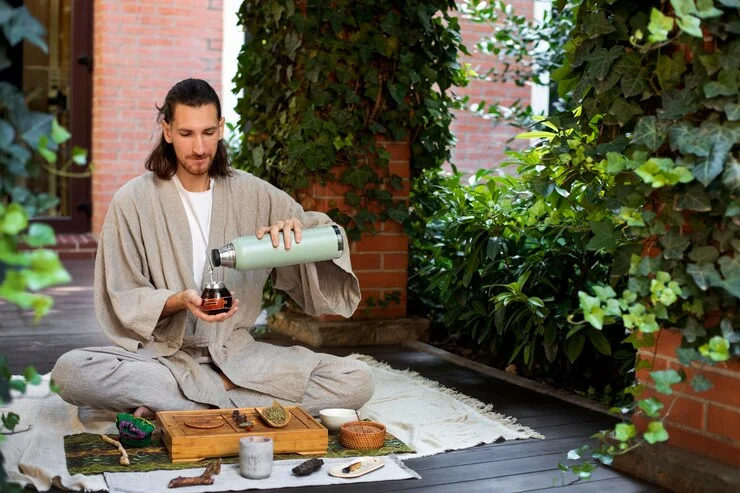
- Ayurveda is not pseudoscience, not just about massages, and definitely not free from side effects. If you've stumbled upon any of these claims online, you've encountered some of the most persistent Ayurveda myths that mislead millions of people every year.
- This article breaks down 15 widespread misconceptions — backed by clinical research, classical Ayurvedic texts, and regulatory facts — so you can separate genuine ancient wisdom from dangerous misinformation.
- Ayurveda is a comprehensive medical system with over 3,000 years of documented practice, recognized by the World Health Organization as a traditional system of medicine.
- Yet decades of misrepresentation — through wellness tourism, social media "experts," and a genuine lack of accessible scientific literature — have created a thick fog of myths around it. Let's clear that fog, one myth at a time.
Why Do So Many Myths About Ayurveda Exist?
Before we debunk individual myths, it helps to understand why Ayurveda attracts so much misinformation in the first place. The reasons are structural, not accidental.
The "Oriental Mysticism" Effect
- When Ayurveda traveled westward, it was often packaged alongside yoga retreats, spa experiences, and spiritual tourism. This created an image of Ayurveda as a mystical, feel-good practice rather than a rigorous medical system.
- Luxury "Ayurvedic resorts" in Kerala and Goa — while sometimes excellent — reinforced the notion that Ayurveda is primarily about relaxation, not clinical treatment.
Oral Tradition and Family-Based Knowledge Transfer
For centuries, Ayurvedic knowledge was transmitted within families (Vaidya paramparas), leading to regional variations and folk additions that sometimes deviated from classical texts. When these folk practices get attributed to "Ayurveda," myths are born.
Lack of Accessible Clinical Evidence
- Until recently, most Ayurvedic research was published in niche journals with limited indexing. The result? Even educated people assumed that no scientific evidence existed.
- This is changing rapidly — CCRAS (Central Council for Research in Ayurvedic Sciences) and institutions like AIIA Delhi are now producing research indexed in PubMed and Scopus — but the perception gap remains.
Myth 1: Ayurvedic Medicines Have No Side Effects
- This is arguably the most dangerous myth on this list.
- And it's everywhere — from neighborhood uncles to Instagram reels.
The Fact: Every substance that has a therapeutic effect also has the potential for adverse effects. This is not a modern pharmacological principle; it's stated in Ayurvedic texts themselves. Charaka Samhita clearly warns that even beneficial drugs become harmful when used in wrong dosage, wrong season, or without understanding the patient's Prakriti (constitution).
A 2017 study published in the Journal of Ayurveda and Integrative Medicine documented adverse drug reactions (ADRs) reported to the national pharmacovigilance center for Ayurveda. The most common issues included gastrointestinal disturbances, skin rashes, and hepatotoxicity — particularly with self-prescribed formulations containing heavy mineral preparations (Bhasmas).
Why "Natural" Does Not Mean "Safe"
Aconite (Vatsanabha), one of the most potent herbs in Ayurveda, is a well-known poison in its raw form. It requires extensive purification (Shodhana) before therapeutic use. Similarly, Guggulu can interact with thyroid medications, and Ashwagandha may cause thyroid hormone elevation in some patients.
Practical takeaway: Always consult a qualified Ayurvedic physician (BAMS or MD Ayurveda) before starting any formulation. Treat Ayurvedic medicines with the same respect you'd give allopathic drugs.
Myth 2: Ayurveda Is Outdated and Unscientific
This one comes primarily from people who equate "ancient" with "primitive." It's an understandable bias — but it doesn't hold up under scrutiny.
What Does Modern Research Actually Say?
Here are concrete examples of Ayurvedic concepts validated by modern science:
| Ayurvedic Concept / Formulation | Modern Validation | Source |
|---|---|---|
| Turmeric (Curcumin) as anti-inflammatory | 100+ clinical trials on curcumin's efficacy in osteoarthritis, IBD, metabolic syndrome | Multiple Cochrane & PubMed-indexed reviews |
| Triphala as antioxidant & gut health promoter | A 2017 review in Journal of Alternative and Complementary Medicine confirmed prebiotic and antioxidant properties | Peterson et al., 2017 |
| Ashwagandha for stress/anxiety | A 2019 RCT (n=60) showed significant reduction in serum cortisol and perceived stress scores vs. placebo | Salve et al., Medicine (Baltimore), 2019 |
| Panchakarma for rheumatoid arthritis | A 2011 CCRAS-sponsored multicenter trial showed clinically significant improvement in DAS28 scores | Published in AYU Journal |
| Concept of Agni (digestive fire) | Parallels with gut microbiome science and metabolic individuality | NIH/NCCIH acknowledgement |
The National Center for Complementary and Integrative Health (NCCIH), a division of the US National Institutes of Health, has funded multiple studies on Ayurvedic herbs and formulations. This is not fringe science.
Is There Any Truth to Ayurveda?
- Absolutely.
- The foundational principles of Ayurveda — individualized treatment, emphasis on digestion, circadian rhythm alignment (Dinacharya), and preventive care — are now mainstream concepts in functional and integrative medicine. The World Health Organization included Ayurveda in its Traditional Medicine Strategy 2014–2023, and India's AYUSH Ministry has been working on standardizing clinical evidence since 2003.
- That said, not every claim made under the banner of Ayurveda has been scientifically verified.
- The honest answer is: Ayurveda contains both validated therapeutic approaches and areas that still need rigorous clinical evaluation.
Myth 3: Ayurveda Demands Strict Vegetarianism
This myth is so deeply entrenched that even some Ayurvedic practitioners perpetuate it. But the classical texts tell a completely different story.
What Do Classical Texts Say About Meat?
- Charaka Samhita dedicates an entire section (Annapana Vidhi) to the classification of meats. It recommends Jangala Mamsa (meat of animals from arid regions, like deer) for building strength and muscle mass.
- Sushruta Samhita describes Ajamamsa Rasayana — a rejuvenation formulation made with goat meat, ghee, and herbs.
Onion and garlic, often avoided by those who equate Ayurveda with Sattvic-only living, are also mentioned therapeutically. Charaka recommends garlic (Lashuna) for Vata disorders and cardiovascular health.
The nuance: Ayurveda does categorize foods as Sattvic, Rajasic, and Tamasic, and recommends Sattvic diet for certain spiritual practices and specific disease conditions. But this is a contextual recommendation, not a universal mandate.
Myth 4: Ayurveda Is Just Massages and Oils
If you think Ayurveda begins and ends at Abhyanga (oil massage) and Shirodhara, you're looking at roughly 5% of the system and calling it the whole thing.
The Eight Branches (Ashtanga Ayurveda)
Ayurveda is a complete medical system with eight specialized branches:
- 1.Kaya Chikitsa — Internal medicine
- 2.Shalya Tantra — Surgery (yes, Sushruta is called the "Father of Surgery" for a reason)
- 3.Shalakya Tantra — ENT and ophthalmology
- 4.Kaumarabhritya — Pediatrics
- 5.Agada Tantra — Toxicology
- 6.Bhuta Vidya — Psychiatry
- 7.Rasayana — Rejuvenation and geriatrics
- 8.Vajikarana — Reproductive medicine and aphrodisiac therapy
Sushruta described rhinoplasty, cataract surgery, and lithotomy over 2,500 years ago — techniques that were later adopted by European surgeons in the 18th century. Reducing this entire system to "massage therapy" is like reducing modern medicine to physiotherapy.
स्वयं दवा न लें और प्रतीक्षा न करें। अभी डॉक्टर से चैट शुरू करें
Myth 5: You Don't Need a Doctor for Ayurvedic Medicine
"It's just herbs, what could go wrong?" — a lot, actually.
The Critical Role of Prakriti Assessment
Ayurvedic treatment is fundamentally individualized. Two patients with the same disease may receive entirely different formulations based on their Prakriti (body constitution), Vikruti (current imbalance), Agni (digestive capacity), and Bala (strength).
Self-prescribing based on internet articles or family traditions ignores all of these variables. A Kapha-dominant person taking Ashwagandha with milk might experience weight gain and congestion. A Pitta-dominant person taking Trikatu (a heating formulation) might develop acid reflux or skin rashes.
Drug Interactions Are Real
A 2018 systematic review published in Frontiers in Pharmacology identified clinically significant interactions between common Ayurvedic herbs and allopathic drugs:
- Guggulu can alter the bioavailability of propranolol and diltiazem
- Shankhpushpi may reduce the efficacy of phenytoin (anti-epileptic)
- Pippali (long pepper) enhances bioavailability of certain drugs through its bioenhancer effect — which can be dangerous if unmonitored
Bottom line: Always tell both your Ayurvedic and allopathic doctors about all medications you're taking. This isn't optional, it's essential.
Myth 6: Ayurveda Only Uses Herbs
While herbs form the backbone of Ayurvedic pharmacology, the materia medica is far more diverse than most people realize.
Ayurvedic formulations commonly use:
- Dairy products — Ghee (Ghrita), milk, buttermilk as drug vehicles (Anupana)
- Minerals and metals — Bhasmas (incinerated preparations) of iron (Lauha Bhasma), copper (Tamra Bhasma), mercury (Rasa Sindura), gold (Swarna Bhasma)
- Animal-derived products — Honey, shellac (Laksha), pearls (Mukta Bhasma), cow urine (Gomutra)
- Marine products — Shankha (conch shell), Pravala (coral)
The Heavy Metals Controversy
- One persistent myth claims that Ayurvedic medicines are "contaminated" with toxic heavy metals.
- Here's the more accurate picture:
Metals in Ayurvedic Bhasmas undergo extensive Shodhana (purification) and Marana (incineration) processes — sometimes involving 100+ heat cycles — that convert them into nano-particle oxides with different bioavailability profiles than their raw forms.
A 2016 study in the International Journal of Pharmaceutical Sciences and Research found that properly prepared Bhasmas showed particle sizes in the nanometer range, with significantly reduced toxicity compared to raw metals.
- That said, the concern about improperly prepared Bhasmas is valid.
- Trace metals also enter herbs through contaminated soil — just as they enter rice, wheat, and potatoes. The solution is proper quality control, not blanket rejection.
India's PLIM (Pharmacopoeial Laboratory for Indian Medicine) tests Ayurvedic products for heavy metal limits, and licensed manufacturers must comply with Rule 160 of the Drugs & Cosmetics Act.
Myth 7: Ayurvedic Treatment Is Always Slow
"Go to a real doctor for quick relief, Ayurveda takes months." You've probably heard this — and it's a half-truth at best.
Why the Perception of Slowness Exists
Most people turn to Ayurveda as a last resort — after years of chronic illness, multiple failed allopathic treatments, and advanced disease progression. When treatment then takes time, Ayurveda gets blamed for being slow rather than being credited for addressing what others couldn't.
For acute conditions treated early, Ayurveda can show rapid results. Virechana (therapeutic purgation) for acute skin flares, Vamana (emesis therapy) for acute Kapha conditions, and formulations like Sudarshana Ghana Vati for fevers can show effects within hours to days.
Root Cause vs. Symptom Suppression
- Ayurveda's approach is fundamentally different from symptom management.
- If you take a painkiller, the pain stops in 30 minutes — but the cause remains. Ayurveda aims to correct the underlying Dosha imbalance, which naturally takes longer but often produces more durable results.
A fair comparison: "Fast" is not always "better." Antibiotics work fast for bacterial infections — that's their domain. Ayurveda may work more effectively for chronic metabolic, autoimmune, and lifestyle disorders where conventional medicine often provides only maintenance therapy.
Myth 8: Pulse Diagnosis (Nadi Pariksha) Reveals Everything
Social media is full of videos showing Ayurvedic practitioners diagnosing complex diseases just by feeling the pulse. While Nadi Pariksha is a legitimate diagnostic tool, its current portrayal is heavily exaggerated.
What Classical Texts Actually Say
Interestingly, Nadi Pariksha is NOT prominently featured in the three major classical texts (Charaka Samhita, Sushruta Samhita, Ashtanga Hridaya). It gained prominence later through texts like Yoga Ratnakara and Sharangadhara Samhita.
Classical Ayurvedic diagnosis relies on Trividha Pariksha (3-fold examination), Ashtavidha Pariksha (8-fold examination including pulse, urine, stool, tongue, eyes, skin, voice, and general appearance), and Dashavidha Pariksha (10-fold examination).
Pulse assessment is one of eight tools — not a standalone diagnostic system. Any practitioner who claims to diagnose cancer, diabetes, or complex diseases through pulse alone is overstepping what the classical literature supports.
Myth 9: Symptoms Must Get Worse Before Getting Better
- This is a genuinely dangerous belief that has caused real harm.
- Some patients endure worsening symptoms — increased pain, skin flares, digestive distress — believing it's a "healing crisis" or "toxins leaving the body."
The fact: While mild, transient aggravation can occur during Panchakarma procedures (specifically during the Pradhana Karma or main procedure phase), sustained worsening of symptoms is a sign that the treatment needs adjustment or discontinuation.
If your symptoms worsen significantly during any Ayurvedic treatment, contact your physician immediately. Do not wait it out because someone told you "it's supposed to happen."
Myth 10: Daily Oil Application Is Good for Everyone
Applying oil to the body (Abhyanga) and head (Murdha Taila) is widely recommended in Ayurvedic daily routine (Dinacharya). But "widely recommended" is not the same as "universally applicable."
Conditions where oil application may be contraindicated or need modification:
- Kapha aggravation — excess mucus, congestion, heaviness
- Active fever or acute infection (Jwara)
- Seborrheic dermatitis or dandruff (head oil can worsen it)
- Allergic rhinitis (especially cold-pressed sesame oil on the head)
- Immediately after Panchakarma procedures (timing-specific restrictions apply)
- Skin infections or open wounds
The principle in Ayurveda is always Yukti — rational application based on individual assessment. Blanket recommendations ignore this foundational principle.
Myth 11: Ayurveda Is Only for Old People
This myth likely stems from the association of Ayurveda with chronic diseases and Rasayana (rejuvenation) therapy, which people associate with aging.
But remember the eight branches? Kaumarabhritya is entirely dedicated to pediatrics — from neonatal care to childhood diseases. Vajikarana deals with reproductive health in younger adults. Swasthavritta (preventive medicine) is relevant from birth.
Suvarna Prashana, an Ayurvedic immunization protocol involving gold Bhasma and honey, is administered to children as young as newborns. A 2012 study from AYU Journal showed that children receiving Suvarna Prashana had improved immunity markers and reduced incidence of common childhood illnesses compared to controls.
Myth 12: Ayurvedic Medicines Have No Expiry Date
Every licensed Ayurvedic product in India is required to display a manufacturing date and expiry date as per the Drugs and Cosmetics Act, 1940 (amended rules for ASU drugs).
Different formulations have different shelf lives:
| Formulation Type | Typical Shelf Life |
|---|---|
| Kwatha (decoctions) | 1 day (freshly prepared) |
| Churna (powders) | 2 months to 1 year |
| Vati/Gutika (tablets) | 1–2 years |
| Ghrita (medicated ghee) | Up to 2 years (some texts say potency increases over time) |
| Asava/Arishta (fermented preparations) | Potency may increase with time; regulatory shelf life typically 10 years |
| Rasa Aushadhi (mercurial/mineral) | Indefinite potency claimed classically; regulatory shelf life applies |
Note: While some classical texts state that certain Asavas and Bhasmas improve with age, modern regulatory requirements mandate an expiry date for consumer safety. Always check.
Myth 13: Home Remedies Can Replace Ayurvedic Formulations
Turmeric milk, ginger-honey, and neem face packs are wonderful home remedies. But they are not substitutes for properly formulated Ayurvedic medicines.
Why the distinction matters:
- Dosage precision — Classical formulations specify exact ratios. A Dashamoola Kashaya contains ten roots in specific proportions; you can't replicate this in your kitchen
- Processing matters — Many herbs require Bhavana (trituration), Shodhana (purification), or specific heat treatment to become therapeutically active or safe
- Photosensitivity risk — Applying raw lemon or citrus on skin (a popular "Ayurvedic" home remedy) can cause phytophotodermatitis — burns and pigmentation when exposed to sunlight
Home remedies have their place for minor, everyday complaints. For actual diseases, see a qualified practitioner.
Myth 14: Jaggery, Millets, and Neem Are Always Healthy
This myth has exploded with the "superfood" trend. Let's look at what Ayurveda actually says.
Jaggery (Guda)
Charaka Samhita classifies jaggery as Abhishyandi (channel-blocking) and Krimikara (promoting parasitic infections) when consumed in excess or routinely. It's recommended therapeutically in specific conditions but NOT as a daily sugar replacement for everyone.
Millets
While millets have excellent nutritional profiles, Ayurveda categorizes most millets as Ruksha (dry) and Vata-vardhaka (Vata-aggravating). Foxtail millet, barnyard millet, and others may not suit Vata-dominant individuals or those with existing Vata disorders. Context matters.
Neem (Nimba)
- Neem is medicine, not food.
- Daily consumption of neem leaves or juice — a practice that has become fashionable — can aggravate Vata dosha significantly. There are documented cases of diabetic neuropathy worsening with chronic neem consumption. Neem is best used under medical guidance for specific indications like skin diseases and parasitic infections.
Myth 15: Ayurveda Cannot Work Alongside Modern Medicine
This is perhaps the most counterproductive myth of all — it forces patients to choose between systems when they could benefit from both.
The Integrative Medicine Approach
- AIIMS Delhi has a Department of Integrative Medicine. The All India Institute of Ayurveda (AIIA), located right next to AIIMS, regularly collaborates on integrative protocols.
- This is not alternative medicine rejecting modern medicine — this is two systems complementing each other.
Practical examples of integration:
- Diabetes management — Metformin for glycemic control + Ayurvedic Rasayana for improving insulin sensitivity and preventing complications
- Cancer care — Chemotherapy + Ayurvedic supportive care (Ashwagandha for fatigue, Yashtimadhu for mucositis) — a 2020 study in Journal of Clinical Oncology (India) showed improved quality-of-life scores
- Post-surgical recovery — Modern surgical techniques + Ayurvedic wound healing formulations (Jatyadi Taila, Manjishthadi Kashaya)
The key is communication between practitioners. Both doctors need to know what the patient is taking to avoid interactions and optimize outcomes.
Is There Any Truth to Ayurveda? The Balanced Verdict
Yes — and increasingly, it's being validated by the very scientific methods that were once used to dismiss it. But truth in Ayurveda, like in any medical system, requires distinguishing between:
- Well-established principles (individualized treatment, dietary therapy, circadian alignment) — strongly supported
- Promising therapies (specific formulations for chronic diseases) — growing evidence base, more research needed
- Unverified claims (miracle cures, diagnosis through pulse alone) — insufficient evidence, sometimes harmful
The most honest approach is to embrace what works, research what's promising, and reject what's demonstrably false — regardless of whether it comes with the label "ancient wisdom."
What Is the Mythology of Ayurveda?
This is a different question from "myths about Ayurveda." The mythological origin of Ayurveda traces it to Lord Brahma, who transmitted this knowledge to Daksha Prajapati, then to the Ashwini Kumaras (divine physicians), then to Indra, and finally to human sages — Atreya (who taught Charaka's lineage) and Dhanvantari (who taught Sushruta's lineage).
While this mythological framework reflects the cultural context of ancient India, the practical medical content of Ayurvedic texts stands independently of its origin stories — just as we don't judge modern chemistry by its roots in medieval alchemy.
What Is the 80/20 Rule in Ayurveda?
This concept, while not stated in exactly these terms in classical texts, reflects a practical Ayurvedic dietary principle: eat until your stomach is approximately 75-80% full, leaving 20-25% space for digestive action. Ashtanga Hridaya describes this as filling one-third with food, one-third with water, and leaving one-third empty.
Modern research supports this — a 2019 study in BMJ linked habitual overeating to metabolic syndrome, while caloric restriction studies (including NIH's CALERIE trial) showed improved metabolic markers with moderate reduction in food intake.
FAQ
Can Ayurveda cure high blood sugar?
- Ayurveda offers well-documented approaches for managing blood sugar. Formulations like Gudmar (Gymnema sylvestre), Vijaysar (Pterocarpus marsupium), and Nisha Amalaki Churna have shown hypoglycemic effects in clinical studies. A 2010 study in Journal of Ethnopharmacology showed Pterocarpus marsupium improved beta-cell regeneration in animal models.
- However, "cure" is a strong word — Type 2 diabetes is a chronic condition that requires ongoing management. Ayurveda can be an effective part of that management, especially alongside lifestyle modification, but should not replace insulin in Type 1 diabetes or advanced Type 2 cases. Work with both your endocrinologist and Ayurvedic physician.
Which plant is the king of Ayurveda?
- Tulsi (Ocimum sanctum / Holy Basil) is often called the "Queen of Herbs," while Ashwagandha (Withania somnifera) is frequently referred to as the "King of Ayurvedic Herbs" due to its broad-spectrum Rasayana (rejuvenation) properties. However, some texts consider Amalaki (Indian Gooseberry) the most important single herb in Ayurveda due to its unique ability to balance all three Doshas.
- There is no single "king" — it depends on the therapeutic context.
Is Ayurvedic treatment expensive?
Not inherently. Basic Ayurvedic consultations in India typically range from ₹200–₹800 at government and private clinics. Common formulations (Triphala, Ashwagandha, Guduchi) cost between ₹80–₹300 for a month's supply. Panchakarma therapies are more expensive (₹5,000–₹50,000+ depending on duration and facility) but are not required for all conditions. Costs increase significantly for formulations containing precious metals like Swarna Bhasma (gold) or Rajata Bhasma (silver), but these are prescribed only for specific conditions.
Are Ayurvedic practices regulated in India?
- Yes. Ayurvedic practice in India is regulated under the National Commission for Indian System of Medicine (NCISM). Practitioners must hold recognized qualifications (BAMS minimum). Manufacturing is regulated under the Drugs & Cosmetics Act, 1940. PLIM tests products for quality, CCRAS conducts research, and NABH offers accreditation for Ayurvedic hospitals.
- Unregulated practice exists — as it does in every medical system — but the regulatory framework is well-established.
Final Thoughts: Approach Ayurveda with Both Openness and Critical Thinking
The biggest myth about Ayurveda isn't any single misconception — it's the all-or-nothing thinking that forces you to either accept everything uncritically or reject the entire system. Neither extreme serves your health.
Ayurveda is a sophisticated, evolving medical system with genuine therapeutic value. It also carries risks when misapplied, and some claims remain unverified. The smartest approach is to work with qualified, degree-holding Ayurvedic practitioners, inform all your healthcare providers about every treatment you're using, and demand the same standard of evidence you'd expect from any medical system.
- If you have specific questions about Ayurvedic treatments for your condition, consult a BAMS or MD (Ayurveda) practitioner who can assess your individual constitution and health status.
- Your health is too important for myths — from any direction.
Scientific Sources
- Genomic insights into ayurvedic and western approaches to personalized medicine — Prasher B et al., 2016, Journal of genetics
- A systematic review of clinical and laboratory findings of lead poisoning: lessons from case reports — Samarghandian S et al., 2021, Toxicology and applied pharmacology
- Maharishi Ayurveda for postpartum care — Boes RR, 2013, Midwifery today with international midwife
- Ayurveda--the people's medicine — 2002, Leprosy review
- Ayurveda and Panchakarma: measuring the effects of a holistic health intervention — Conboy L et al., 2009, TheScientificWorldJournal
- Integrating modern dermatology and Ayurveda in the treatment of vitiligo and lymphedema in India — Narahari SR et al., 2011, International journal of dermatology
- An introduction to Ayurveda — Lad V, 1995, Alternative therapies in health and medicine
- Health System Development in Nepal — Marasini B, 2020, JNMA; journal of the Nepal Medical Association
- Market Analysis of Medicinal Plants in India — Ravi S et al., 2019, Current pharmaceutical biotechnology
- A Prospective Trial of Ayurveda for Coronary Heart Disease: A Pilot Study — DuBroff R et al., 2015, Alternative therapies in health and medicine
- Is ayurveda the key to universal healthcare in India? — Bhandari N, 2015, BMJ (Clinical research ed.)
- Ayurvedic treatment for jaundice in Nepal — Durkin M, 1988, Social science & medicine (1982)
- Ayurveda, malaria and the indigenous herbal tradition in Sri Lanka — Silva KT, 1991, Social science & medicine (1982)
- Exploring the prevalence of Ayurveda use among Asian Indians — Satow YE et al., 2008, Journal of alternative and complementary medicine (New York, N.Y.)
- Hot and Cold Theory: Evidence in Physiology — Namiranian P et al., 2021, Advances in experimental medicine and biology
- Plant-based Rasayana drugs from Ayurveda — Balasubramani SP et al., 2011, Chinese journal of integrative medicine
- Integrated approach to yoga — Bhobe S, 2000, The Nursing journal of India
- [[Comparing the concept of "Removing Worms" between traditional Chinese medicine and Ayurveda -- An example of Qiye Qingnian Powder]](https://pubmed.ncbi.nlm.nih.gov/39394793/) — Zhang RS et al., 2024, Zhonghua yi shi za zhi (Beijing, China : 1980)
- Exploring pluralism--the many faces of Ayurveda — Nordstrom CR, 1988, Social science & medicine (1982)
- An overview on ashwagandha: a Rasayana (rejuvenator) of Ayurveda — Singh N et al., 2011, African journal of traditional, complementary, and alternative medicines : AJTCAM
उपयोगकर्ताओं के प्रश्न
What are the risks of consuming neem for diabetes management?
Client_40ea8f
4 दिनों पहले
Neem is sometimes touted for diabetes management, but it carries risks such as potentially worsening diabetic neuropathy if used chronically. Scientific evidence supporting its efficacy is limited and anecdotal. If you're considering neem, consult a healthcare professional, especially if you have underlying conditions or are on diabetes medications, as neem might interact with them. Watch for side effects like digestive upset or changes in blood sugar levels. Always prioritize treatments that are backed by robust clinical evidence.
How can I incorporate Ashwagandha into my daily routine?
Client_783cc8
9 दिनों पहले
To incorporate Ashwagandha into your daily routine, start by taking it as a supplement in the form of capsules, powder, or tincture, ideally following the dosage instructions on the product label or your healthcare provider's guidance. Ashwagandha is often taken with warm milk or water to enhance absorption and can be consumed with meals. Some people may notice benefits within weeks, such as reduced stress or improved energy levels. If you experience any adverse effects like digestive discomfort, it’s crucial to consult a healthcare professional. Pregnant women, individuals with specific health conditions, or those taking medication should always talk to a doctor before starting Ashwagandha.
What dietary changes are recommended after Panchakarma treatments?
Client_419562
14 दिनों पहले
After Panchakarma treatments, it is crucial to adopt a light, easily digestible diet to allow the body to recuperate effectively. This typically includes warm, cooked foods like soups, khichdi, cooked vegetables, and rice, avoiding heavy, cold, and raw foods. Hydration with warm water is often recommended, while caffeinated and alcoholic beverages should be avoided. Dietary changes often span a few days to weeks, depending on the individual's condition and the Panchakarma process undertaken. Always consult a healthcare provider for personalized advice and assess for any dietary restrictions specific to your health needs.
What are the key principles of Ayurvedic diet for optimal health?
Client_68b6e3
19 दिनों पहले
The key principles of an Ayurvedic diet for optimal health focus on balance and harmony within the body. This involves eating fresh, seasonal whole foods that are appropriate for your specific body constitution or "dosha," though this concept is less scientifically measurable. In general, following an Ayurvedic approach means consuming warm, cooked meals, incorporating all six tastes (sweet, sour, salty, bitter, pungent, and astringent) in every meal, and avoiding processed foods. Customizing food choices based on individual needs is important. If you're considering changing your diet, consult both a qualified healthcare provider and an Ayurvedic specialist.
Can millets be a safe option for a gluten-free diet?
Client_b1bb33
29 दिनों पहले
Yes, millets can be a safe option for a gluten-free diet as they are naturally gluten-free. Millets such as sorghum, pearl millet, and finger millet are nutritious and rich in fiber, vitamins, and minerals. They provide a healthy alternative to gluten-containing grains for people with celiac disease or gluten intolerance. However, it is essential to ensure that the millet you purchase is certified gluten-free to avoid cross-contamination. If you experience any digestive issues after consuming millets, consult a healthcare professional to rule out other sensitivities or conditions.
How can Ayurvedic practices enhance my overall wellness routine?
Client_3ca8f8
39 दिनों पहले
Ayurvedic practices can enhance your overall wellness routine by acting as complementary therapies alongside modern medical treatments. Techniques like yoga, breathing exercises, and herbal supplements can support stress reduction, improve digestion, and promote balance in your life. However, it is critical to use these practices under the guidance of qualified health professionals to ensure safety and effectiveness, especially if you have ongoing health issues. Consider consulting a healthcare provider to integrate Ayurveda into your routine safely.
What are the best Ayurvedic practices for young adults to stay healthy?
Client_8a9e10
48 दिनों पहले
For young adults looking to stay healthy, the best Ayurvedic practices focus on daily routines and preventive care. Begin with a balanced diet customized to your individual needs and ensure meals are rich in seasonal fruits and vegetables. Regular exercise, adequate sleep, and stress management are crucial. Incorporating Dinacharya, which involves aligning daily activities with natural cycles, can support overall well-being. Mindfulness techniques like meditation and yoga can also be beneficial. Always consult with a healthcare practitioner for personalized advice, especially if considering specific Ayurvedic formulations.
How long does a typical Ayurvedic consultation last in India?
Client_64a35f
58 दिनों पहले
A typical Ayurvedic consultation in India generally lasts between 30 to 60 minutes. During this time, the practitioner will assess your health through detailed questioning about your lifestyle, diet, and health history, often supplemented by a physical examination. If you are visiting for the first time, the consultation may take longer, up to 90 minutes, to allow for a comprehensive evaluation. Follow-up sessions, if needed, are generally shorter, around 15 to 30 minutes. Always seek a licensed professional, especially if your concerns involve complex health issues.
What is Panchakarma and how does it work in Ayurvedic treatment?
Client_80fb26
67 दिनों पहले
Panchakarma is a cleansing and rejuvenating program for the body, mind, and spirit in Ayurveda. It involves five main detoxification procedures to remove toxins and restore balance to the doshas (Vata, Pitta, Kapha). It's customized based on your body constitution and any imbalances. It's like a reset for your system!
Is it normal for symptoms to worsen during Ayurvedic treatment?
Client_a191e2
77 दिनों पहले
It's not typical for symptoms to worsen during Ayurvedic treatment. Mild changes can happen, especially in detox phases like Panchakarma, but if things worsen significantly, it might mean the treatment needs tweaking. Definitely talk to your practitioner if you notice any serious changes. It's about balancing your body's response.
संबंधित आलेख

Nutrition
पॉइंट कैप्सूल्स के फायदे, खुराक, सामग्री, साइड इफेक्ट्स
पॉइंट कैप्सूल्स के फायदे, खुराक, सामग्री, और साइड इफेक्ट्स की खोज
2,982

Nutrition
सप्तामृत लौह के फायदे, खुराक, सामग्री, साइड इफेक्ट्स
सप्तामृत लौह के फायदे, खुराक, सामग्री, और साइड इफेक्ट्स की जानकारी
6,150
Nutrition
Side Effects of Curd According to Ayurveda: Why It’s Not Always the Health Food You Think
According to Ayurvedic wisdom, curd can disturb digestion, aggravate certain doshas, and create something called “ama” — toxic buildup in the body. And here's the kicker: these side effects aren't instant. They creep up — through fatigue, sinus issues, sk
17,594

Nutrition
Ikshu Rasa: Health and Science of Sugarcane Juice
Explore the health benefits, modern research, and Ayurvedic views on Ikshu Rasa (sugarcane juice), backed by scientific studies and credible medical sources.
7,338

Nutrition
What to Eat After Masturbation? Ayurvedic Foods and Recovery Advice
Wondering what to eat after ejaculating? Discover Ayurvedic foods, drinks, and energy-restoring practices to support recovery after sperm loss or hand practice
32,764

Nutrition
How to Use Sunflower Seeds for Health, Hair, and Weight Management
Discover how to use sunflower seeds for weight loss, hair health, and more. Learn about sunflower seeds uses, recipes, and Ayurvedic benefits
5,070

Nutrition
तरबूज के बीज कैसे खाएं: फायदे और सुरक्षित उपयोग के लिए आयुर्वेदिक गाइड
तरबूज के बीजों को स्वास्थ्य लाभ के लिए कैसे खाएं? जानें तरबूज के बीज खाने, भूनने और इस्तेमाल करने के बेहतरीन तरीके, साथ ही रोजाना सुरक्षित सेवन के लिए आयुर्वेदिक टिप्स।
11,893

Nutrition
Best Noni Juice India: A Comprehensive Health & Buying Guide
Discover the best noni juice in India through scientific insights, top brand comparisons, and expert tips. Learn how noni benefits health and find your ideal choice.
4,788
Nutrition
Vidaryadi Ghritam Uses and Health Benefits in Ayurveda
Learn about the Ayurvedic formulation Vidaryadi Ghritam, its traditional uses, clinical relevance, and benefits for fertility, immunity, and strength.
3,591

Nutrition
Shilapravang Special Benefits, Dosage, Side Effects, Ingredients
Exploration of Shilapravang Special Benefits, Dosage, Side Effects, Ingredients
3,049
विषय से संबंधित परामर्श
अतिरिक्त दस्तावेज़
© 2024 Ask Ayurveda. सर्वाधिकार सुरक्षित।