आयुर्वेदिक डॉक्टर से प्रश्न पूछें और निःशुल्क या भुगतान मोड में अपनी चिंता की समस्या पर ऑनलाइन परामर्श प्राप्त करें। 2,000 से अधिक अनुभवी डॉक्टर हमारी साइट पर काम करते हैं और आपके प्रश्नों का इंतजार करते हैं और उपयोगकर्ताओं को उनकी स्वास्थ्य समस्याओं को हल करने में प्रतिदिन मदद करते हैं।


Body DetoxEar, Nose, and Throat DisordersGeriatrics & RejuvenationImmunodeficiencyInfertility TreatmentNutritionOrthopedic DisordersPediatricsRespiratory DisordersSexually Transmitted Diseases (STDs)Surgery RecoveryUrological DisordersVascular DisordersDental DisordersEndocrinological DisordersGastrointestinal DisordersYoga TherapyGeneral MedicineAllergic DisordersCardio DisordersGynecology and ObstetricsCosmetologySkin and Hair DisordersEye DisordersInfectious DiseasesMental DisordersNeurological DisordersOncologyPanchakarmaSexual Health & DisordersSports Medicine
पर प्रकाशित 06/30/25
(को अपडेट 08/15/26)
star_border 5
10,339
What Is Kokum: Ayurvedic Uses, Health Benefits, and Precautions

If you’ve ever wandered through a spice bazaar in India or browsed the ingredient list on a bottle of some exotic summer drink, you might’ve stumbled across something called kokum. But what is kokum, exactly? Why has it become such a hot topic in Ayurvedic circles and wellness blogs alike?
Kokum fruit is a small, deep purple wonder native to India, and it’s making waves—not just for its unique kokum taste (tangy, slightly sour, and a little sweet), but also for its many supposed health perks. From refreshing kokum juice to its potent kokum oil, this plant's parts are used in countless traditional remedies. This article dives into the benefits of kokum juice, how dried kokum is traditionally used, kokum syrup recipes, and even the not-so-well-known kokum side effects. Let’s explore how this unassuming fruit became an Ayurvedic all-star.
What Is Kokum: Fruit, Taste, and Botanical Description
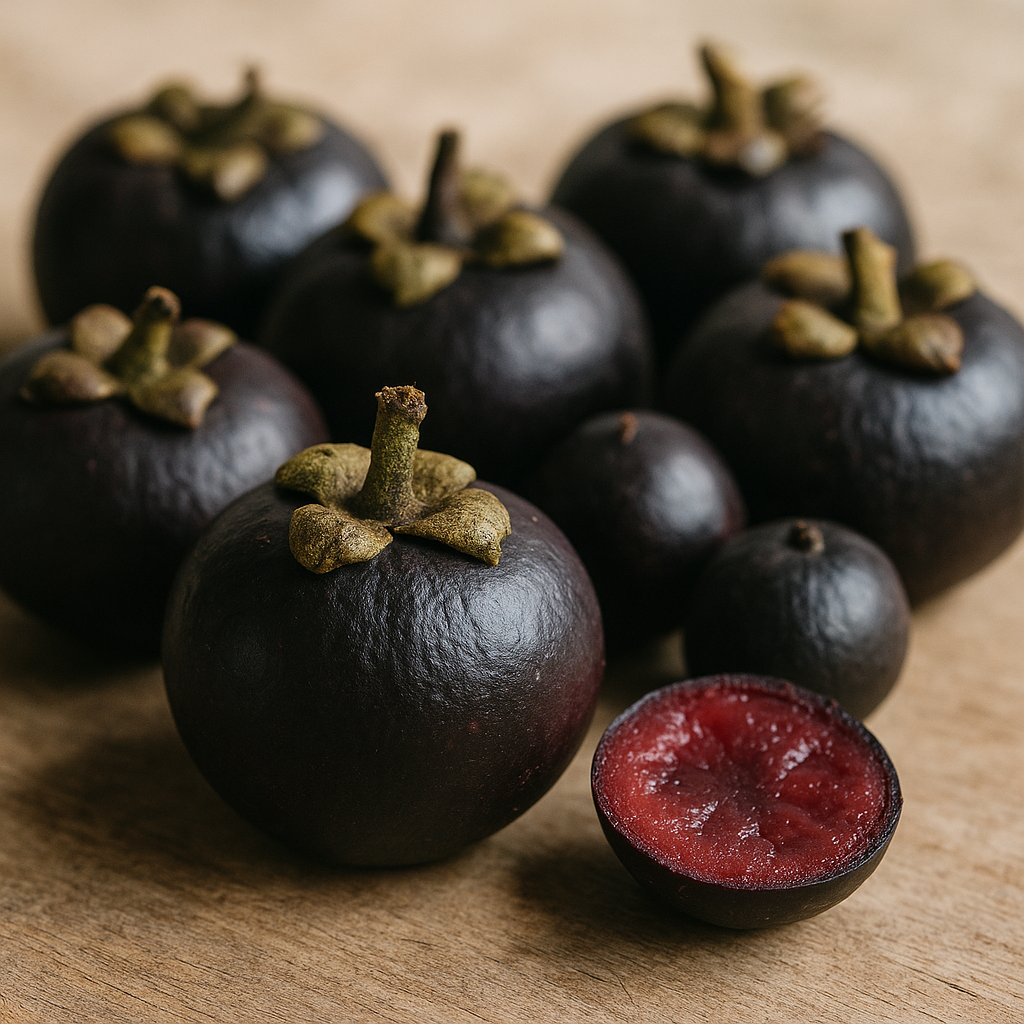
Kokum, scientifically known as Garcinia indica, is a tropical fruit that grows in parts of the Western Ghats, mainly in Maharashtra, Goa, Kerala, and Karnataka. The kokum fruit is small and round, about the size of a plum, with a deep reddish-purple skin when ripe. Inside, the pulp is juicy and tart—think of it as the Indian cousin of tamarind, but a bit more intense and with a personality of its own.
Kokum Tree and Natural Habitat
The kokum tree is an evergreen beauty. It thrives best in warm, coastal areas with good rainfall, which is why it’s so at home in India's Konkan region. This tree can grow up to 18 meters tall (though honestly, most don’t get that huge) and it starts bearing fruit in about 7–8 years. That may sound like a long wait, but trust me, it’s worth it.
The tree's bark is grayish, and its leaves are shiny green, but the real show-stealer is the fruit. Each tree can produce hundreds of kokum fruits in a season, and they’re usually harvested between April and June—peak kokum time!
Dried Kokum and Its Traditional Use
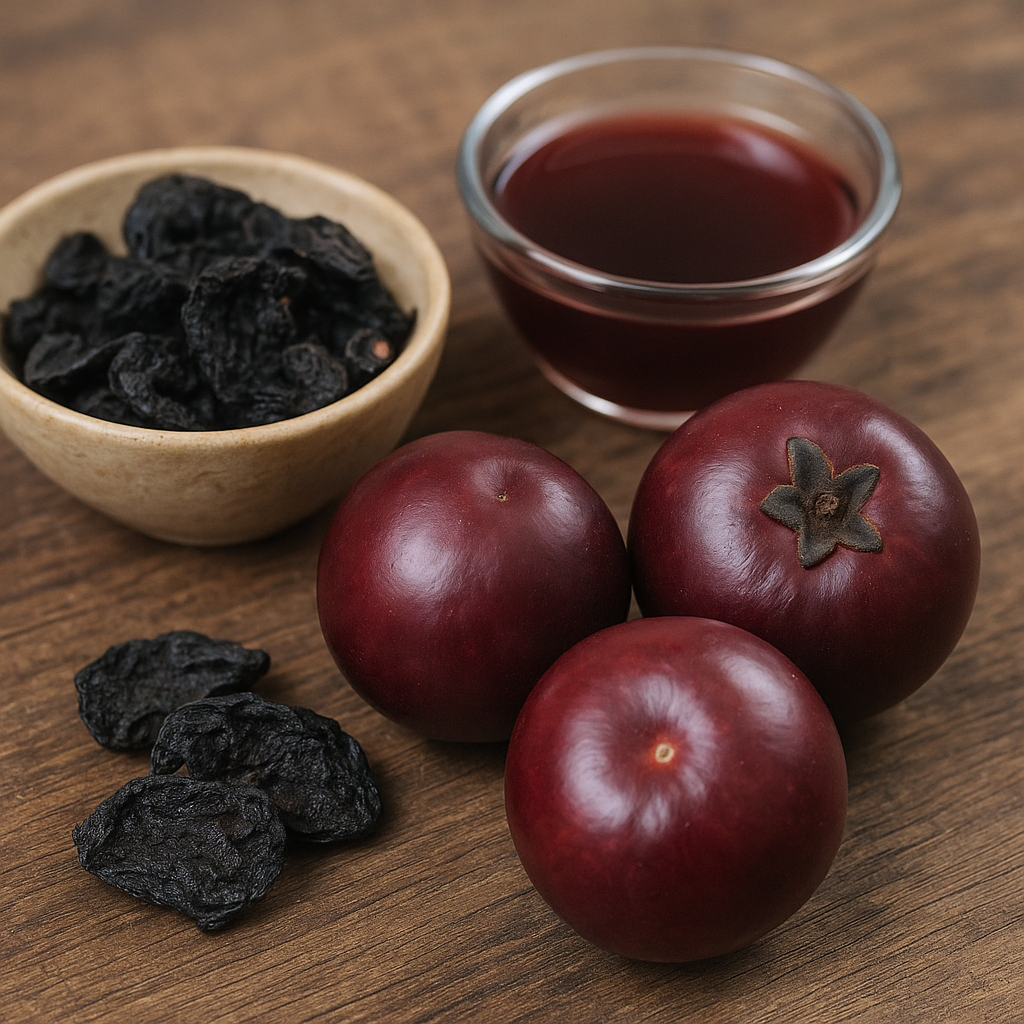
Once the fruits are harvested, they’re sliced, the seeds removed, and then sun-dried. This dried kokum is what you’ll most often find in local markets or spice stores. It looks a bit like shriveled petals and carries a deeply sour, almost smoky flavor.
In Indian cooking, especially in the western coastal states, dried kokum is a staple. It’s used to sour curries, dals, and fish stews. Unlike lemon or vinegar, kokum adds a richer, more complex tang. And the best part? It’s cooling by nature, which is exactly why it's often used in hot climates to balance body heat.
Ayurveda swears by it. According to traditional wisdom, dried kokum helps reduce “pitta dosha” (the fire element), making it perfect for calming the system in summer. Oh and pro tip—don’t overdo it. Just a couple of petals steeped in water or broth is usually enough.
Ayurvedic Properties and Cooling Nature of Kokum
In Ayurveda, kokum is considered a “coolant,” which basically means it's used to balance the body’s internal heat—especially during sweltering summers. But it’s not just about cooling you down. Kokum also has anti-inflammatory, antioxidant, and digestive qualities, making it a go-to ingredient in traditional Indian medicine.
It’s believed to help balance the pitta dosha, which governs metabolism and digestion. Too much pitta? You might feel irritated, over-heated, or suffer from skin rashes and acidity. That’s when kokum comes to the rescue.
Some texts even mention that kokum helps boost appetite, relieve flatulence, and support liver health. It’s gentle, doesn’t mess with your gut flora, and unlike some herbal treatments, you don’t need to choke it down with your nose pinched. It actually tastes...good.
Kokum Juice and Syrup: Benefits and Usage
One of the most popular—and refreshing—ways to enjoy kokum is as a drink. Kokum juice and kokum syrup have been traditional thirst-quenchers for centuries, long before energy drinks and electrolyte powders showed up on the scene.
Benefits of Kokum Juice for Digestion
If you've ever felt bloated, heavy, or just plain off after a meal, a glass of kokum juice might just be your new best friend. The benefits of kokum juice go beyond just flavor. Thanks to its natural antioxidants like hydroxycitric acid (HCA), kokum helps regulate appetite and improves digestion. Some people even use it as a mild detox drink.
Also—little known fact—it’s mildly anti-parasitic. That means kokum juice can help maintain gut health and fend off some unwanted visitors in your system. Gross? Yes. Useful? Absolutely.
It’s especially great when served chilled, with a pinch of cumin or black salt. Add mint, and you've got a legit cooling digestive tonic that could rival any fancy spa menu.
How to Make and Use Kokum Syrup
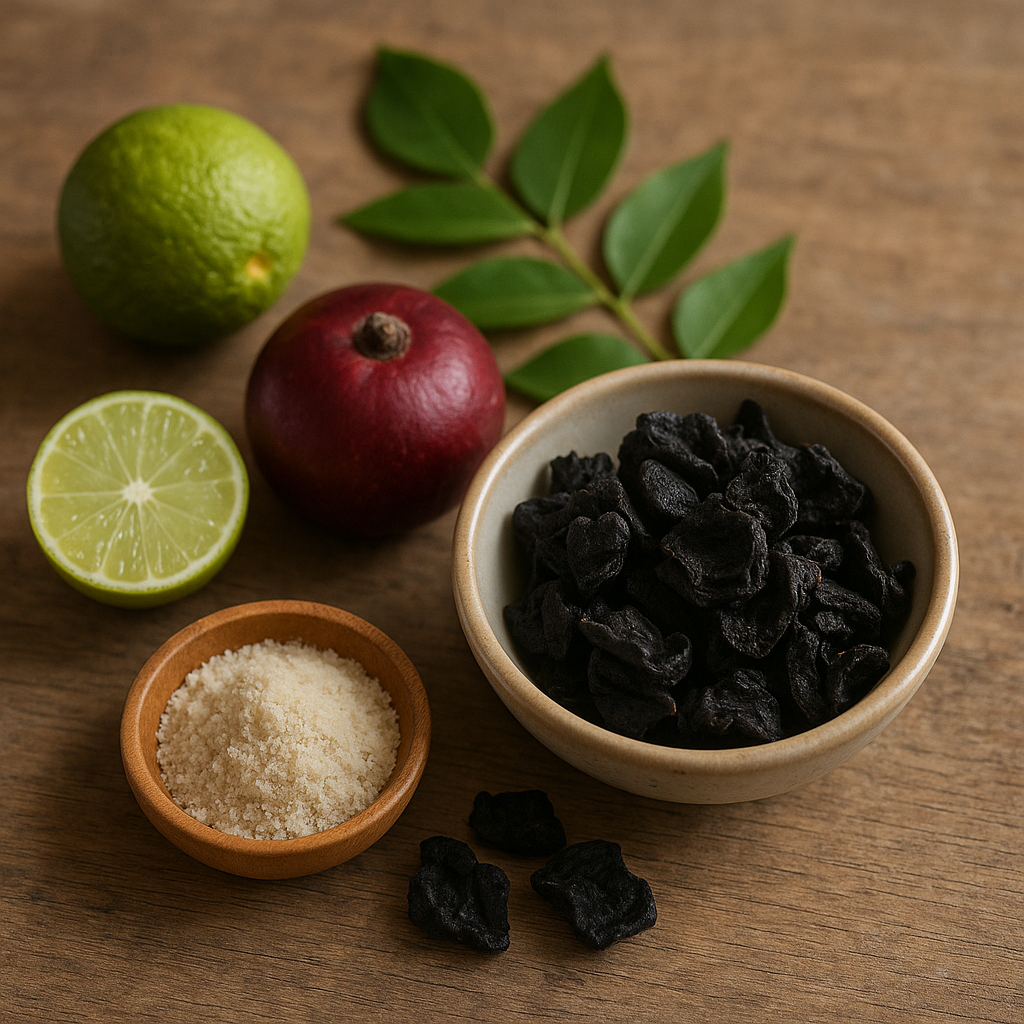
Kokum syrup is made by soaking dried kokum in water, then boiling it with sugar (or jaggery, for a healthier take) until it thickens into a tangy, dark red concentrate. A dash of cardamom or ginger can add extra zing. It’s shelf-stable and super easy to make at home.
Mix a tablespoon of the syrup into a glass of water for instant kokum juice. Add ice, maybe a mint leaf or two—and boom, you've got yourself a traditional Indian summer drink that’s as good for your stomach as it is for your taste buds.
You can also splash it into mocktails, drizzle it over shaved ice, or mix it into salad dressings for a little edge. Some even experiment with it in cocktails—imagine kokum mojitos or a kokum margarita (don’t knock it 'til you’ve tried it!).
Other Forms of Kokum: Kokum Oil and Extracts
Kokum oil—also known as kokum butter—is another treasure extracted from the fruit’s seeds. It’s solid at room temperature, similar to shea or cocoa butter, and used primarily in cosmetics and skincare.
This butter is rich in essential fatty acids and has healing properties that can soothe dry, cracked skin. It’s non-greasy and absorbs quickly, which makes it a fave in DIY lotion bars and balms. It’s even been used in lipsticks and body butters. Honestly, kokum oil deserves a spotlight of its own!
You can also find kokum fruit extracts in herbal supplements, which are said to support weight management and heart health—but that’s a rabbit hole we’ll explore cautiously.
Kokum Side Effects and When to Avoid It
Alright, kokum may seem like a miracle fruit—and in many ways, it is—but let’s not get carried away. Like most things, moderation is key. Even water can be too much if you drink a gallon in one sitting, right?
Some people might experience kokum side effects such as digestive discomfort or acid reflux if they overdo it, especially if they’re sensitive to sour foods. Since kokum has a high concentration of hydroxycitric acid (HCA), it can interfere with certain medications, particularly those related to blood sugar or weight loss. If you're diabetic or on meds that affect your metabolism, check with your doctor first before making kokum juice a daily habit.
Also, pregnant and breastfeeding women should err on the side of caution. There’s not enough research yet to know exactly how kokum affects hormonal balances during these stages, so better safe than sorry.
And let’s not forget—kokum can stain! Seriously, it’ll turn your countertop purple if you’re not careful. That’s not a health issue, just a cleaning headache. But hey, that rich pigment is also a sign of the fruit’s powerful antioxidants.
स्वयं दवा न लें और प्रतीक्षा न करें। अभी डॉक्टर से चैट शुरू करें
Conclusion
So, what is kokum? It’s a lot of things. A tropical fruit, a digestive aid, a cooling summer drink, a skincare ingredient, and a humble yet powerful player in the world of Ayurvedic healing.
From the tangy zing of kokum juice to the soothing effects of kokum oil, this vibrant fruit packs more benefits than you might expect. Whether you’re sipping it in a sherbet on a hot day or stirring dried kokum into your favorite curry, you’re getting a dose of ancient wellness wrapped in incredible flavor.
The benefits of kokum juice are real—but so are the cautions. Enjoy it wisely. And maybe share a glass with a friend or two. They’ll thank you later.
Feeling curious? Try making a kokum syrup at home this week—or better yet, grab some dried kokum and experiment in the kitchen. It might just become your new secret ingredient.
FAQs
Q: What is kokum called in English?
A: There’s no exact English equivalent, but kokum is sometimes referred to as wild mangosteen or red mangosteen, thanks to its close botanical relation.
Q: What is kokum used for?
A: Kokum is used for its cooling and digestive properties, primarily in traditional Indian medicine and cuisine. You’ll find it in drinks, curries, chutneys, and even beauty products like creams and balms.
Q: What can I replace kokum with?
A: If you can’t find kokum, you can try tamarind or amchur (dried mango powder) as a souring agent in cooking. But keep in mind, the flavor profile of kokum is pretty unique—it’s tangy, slightly fruity, and less sharp than tamarind.
There you have it! A complete guide to one of India’s most underrated superfruits. From kokum fruit benefits to how to use kokum oil and syrup, we’ve covered it all. Now it’s your turn—try it, share it, or just drop this article in your foodie group chat.
Thirsty for more? 🍹 Bookmark this, and follow for more deep dives into nature’s finest.
उपयोगकर्ताओं के प्रश्न
What are the culinary uses of kokum in traditional Indian recipes?
Client_681622
25 दिनों पहले
Kokum, a small, dark purple fruit native to India, is widely used in traditional Indian recipes for its tangy flavor and cooling properties. In culinary applications, kokum is often found in dishes like curries and dals, where it acts as a souring agent, similar to tamarind. It is particularly popular in Konkan and Gujarati cuisine. Dried kokum rinds are typically soaked in water before being added to dishes, which helps release their distinct flavor. Additionally, kokum can be used to prepare cooling summer beverages like kokum sherbet. If you can't find kokum, tamarind and amchur are adequate substitutes. Keep in mind that both substitutes have different flavor profiles, so adjust quantities to taste. While kokum is generally safe, excessive consumption might not be recommended for individuals with certain health issues; consult a doctor if you experience digestive discomfort.
What are the potential side effects of consuming kokum juice?
Client_2da731
35 दिनों पहले
Consuming kokum juice is generally safe for most people, but some potential side effects may include gastrointestinal discomfort, such as stomach upset or diarrhea, especially if consumed in large amounts. Kokum juice can also interact with certain medications. If you experience severe symptoms or have existing health conditions, it's important to consult with a healthcare provider. Pregnant or breastfeeding women should seek medical advice before consuming kokum juice. Always consume in moderation and observe how your body reacts to it.
How can I make a refreshing kokum drink at home?
Client_f53c6d
45 दिनों पहले
To make a refreshing kokum drink at home, start by preparing kokum syrup. Soak about 10-12 dried kokum peels in water for a few hours, then strain the liquid. In a pan, heat this liquid with sugar (about 1 cup) until the sugar dissolves. Add a pinch of cardamom or ginger for extra flavor. Allow the syrup to cool. To serve, mix 2-3 tablespoons of kokum syrup with a glass of water and add ice. For a tangy zest, consider adding a splash of lemon juice. Kokum drinks are not only cooling but may also aid digestion. If you're new to kokum, monitor for any unusual reactions and consult a doctor if needed.
What are the best practices for choosing quality kokum products?
Client_04f847
55 दिनों पहले
When choosing quality kokum products, opt for organic labels to avoid pesticides and ensure you're getting pure Garcinia indica. Check for a deep red or purple hue, which indicates ripe kokum. It's best to purchase whole rinds if you can, as they maintain flavor and nutritional benefits better than powder forms. Ensure packaging is airtight to preserve freshness. Be cautious of additives or artificial flavors in kokum juice products. If you experience side effects like digestive discomfort, consult a healthcare provider.
How long does kokum juice stay fresh after opening?
Client_65851f
64 दिनों पहले
Kokum juice typically stays fresh for up to 5-7 days in the refrigerator after opening, provided it is stored in an airtight container. The shelf life can be maintained by keeping it consistently chilled and ensuring minimal exposure to air. If you notice any change in color, smell, or taste, it is best to discard the juice, as these could be signs of spoilage. Beyond basic storage, if you are pregnant, breastfeeding, diabetic, or taking medications affecting your metabolism, consult your doctor before frequent consumption of kokum juice.
What is the best way to melt kokum butter for use in homemade cosmetics?
Client_d967b1
74 दिनों पहले
Melting kokum butter is pretty simple, actually! You can gently heat it using a double boiler to prevent overheating—just place kokum butter in a heat-safe bowl over a pot of simmering water. Stirring occasionally will help it melt more evenly. Be careful not to overheat, or it might lose its beneficial properties!
Can kokum juice affect blood sugar levels for people with diabetes?
Client_839b9b
83 दिनों पहले
Kokum juice can potentially affect blood sugar levels due to its hydroxycitric acid (HCA) content which might interact with diabetes meds. It's important to keep it in moderation if you have diabetes and check with your healthcare provider first. It's a tasty fruit, but better to be safe! 😊
What does kokum juice taste like compared to other fruit juices?
Client_a42b94
92 दिनों पहले
Kokum juice has a unique taste! It's tangy and slightly fruity, with a milder sharpness compared to tamarind. So, if you’re judging against other fruit juices, it feels less sweet and more refreshing, sorta like a gentle tartness. Maybe try it out if you’re into exploring new flavors!
What is kokum oil used for in cooking and how does it enhance flavors?
Client_b1cb5a
101 दिनों पहले
Kokum oil, or kokum butter, isn't really used directly in cooking like some other oils. It's more like a secret ingredient for enhancing flavors or adding a cool, calming effect especially when made into a drink with mint. It can balance pitta and offer a unique, slightly tangy and refreshing twist to beverages and recipes without overwhelming other ingredients.
Can kokum juice help with weight loss or managing cravings effectively?
Client_1ed352
111 दिनों पहले
Kokum juice might help with managing cravings due to its tangy and refreshing taste, which can distract the taste buds a bit. But when it comes to weight loss specifically, it's not a magic solution. It's good for digestion and balancing too much pitta, but always best to enjoy it as part of a balanced diet and lifestyle. Keep an eye on any sugar if using syrup though!
संबंधित आलेख

Nutrition
Dietetics and Its Solutions in Ayurveda
Ayurveda, also called the Science of Life has a two-folded aim, which is “Swasthasya Swasthya Rakshanam” i.e. to preserve the good health of the healthy, and “Aturasya Vikara Prashamanam” which means to cure the disease of the diseased.
3,346

Nutrition
Can We Eat Chicken and Curd Together? Here's What Ayurveda Really Thinks
The question — can we eat chicken and curd together? — is more than just a quirky kitchen debate. It actually dives deep into ancient Ayurvedic wisdom that still quietly governs many of our health decisions (even if we don’t realize it). Unlike modern nut
20,517

Nutrition
Can I Eat Pomegranate Seeds: Benefits, Nutrition, and Safety
Exploration of Can You Safely Enjoy Pomegranate Seeds? Benefits, Nutrition, and Tips
4,779

Nutrition
क्या हम केला और पपीता एक साथ खा सकते हैं? आयुर्वेदिक दृष्टिकोण और स्वास्थ्य लाभ
क्या हम केला और पपीता एक साथ खा सकते हैं? जानें आयुर्वेदिक दृष्टिकोण, स्वास्थ्य लाभ, जोखिम, और कैसे पपीता केला स्मूदी या जूस पाचन में मदद कर सकते हैं।
23,235

Nutrition
What Is Desi Khand? Meaning, Benefits, and Ayurvedic Uses
What is desi khand and why is it healthier than sugar? Learn its meaning, benefits, English name, and how organic desi khand compares to brown sugar
24,445

Nutrition
Which Salt is Best for Your Health?
Salt is essential for bodily functions, but not all salt types offer the same health benefits.
6,023

Nutrition
Curd Benefits: What Ayurveda Has Been Trying to Tell You Forever
Alright, let’s get this out of the way — curd isn’t just another dairy product. It’s not just yogurt’s shy cousin. In Ayurveda, curd is a thing. A big thing.
5,152

Nutrition
Exploring the Anti-Inflammatory Diet
The Anti-Inflammatory Diet is linked to Ayurveda, offering a holistic approach to naturally reduce inflammation.
3,165

Nutrition
तरबूज के बीज कैसे खाएं: फायदे और सुरक्षित उपयोग के लिए आयुर्वेदिक गाइड
तरबूज के बीजों को स्वास्थ्य लाभ के लिए कैसे खाएं? जानें तरबूज के बीज खाने, भूनने और इस्तेमाल करने के बेहतरीन तरीके, साथ ही रोजाना सुरक्षित सेवन के लिए आयुर्वेदिक टिप्स।
11,898

Nutrition
Phala Ghrita for Reproductive Health – Ayurvedic Tonic for Optimal Gynecological Wellness
Discover Phala Ghrita, a traditional Ayurvedic tonic enriched with potent herbs to nurture the reproductive system, promote hormonal balance, and enhance gynecological health for overall vitality.
5,236
विषय से संबंधित परामर्श
अतिरिक्त दस्तावेज़
© 2024 Ask Ayurveda. सर्वाधिकार सुरक्षित।