आयुर्वेदिक डॉक्टर से प्रश्न पूछें और निःशुल्क या भुगतान मोड में अपनी चिंता की समस्या पर ऑनलाइन परामर्श प्राप्त करें। 2,000 से अधिक अनुभवी डॉक्टर हमारी साइट पर काम करते हैं और आपके प्रश्नों का इंतजार करते हैं और उपयोगकर्ताओं को उनकी स्वास्थ्य समस्याओं को हल करने में प्रतिदिन मदद करते हैं।


Body DetoxEar, Nose, and Throat DisordersGeriatrics & RejuvenationImmunodeficiencyInfertility TreatmentNutritionOrthopedic DisordersPediatricsRespiratory DisordersSexually Transmitted Diseases (STDs)Surgery RecoveryUrological DisordersVascular DisordersDental DisordersEndocrinological DisordersGastrointestinal DisordersYoga TherapyGeneral MedicineAllergic DisordersCardio DisordersGynecology and ObstetricsCosmetologySkin and Hair DisordersEye DisordersInfectious DiseasesMental DisordersNeurological DisordersOncologyPanchakarmaSexual Health & DisordersSports Medicine
पर प्रकाशित 07/17/25
(को अपडेट 08/13/26)
star_border 5
12,051
Which Mudra Is Good for Sleep: Discover Ayurvedic Hand Gestures for Restful Nights

Struggling to fall asleep night after night? You’re not alone. Many people search for natural ways to improve their rest, and one surprisingly simple solution lies right at your fingertips—literally. The question “which mudra is good for sleep?” has been gaining popularity as more people explore ancient Ayurvedic practices for better sleep hygiene. Mudras, or hand gestures used in yoga and meditation, have been shown to promote relaxation and ease anxiety, helping you drift off faster and enjoy deep, sound sleep. In this article, we’ll explore various mudras for sleep, including sleep mudra, mudra for deep sleep, and mudra for immediate sleep, offering you practical tips to improve your nightly rest.
If you’ve ever wondered how a simple hand position could impact your sleep quality, you’re about to find out. We’ll cover the best mudra for sleep, mudra for sleeping quickly, and even mudras that help reduce anxiety and calm the mind at bedtime. So, whether you’re dealing with insomnia or just want a more restful night, these techniques could be game-changers.
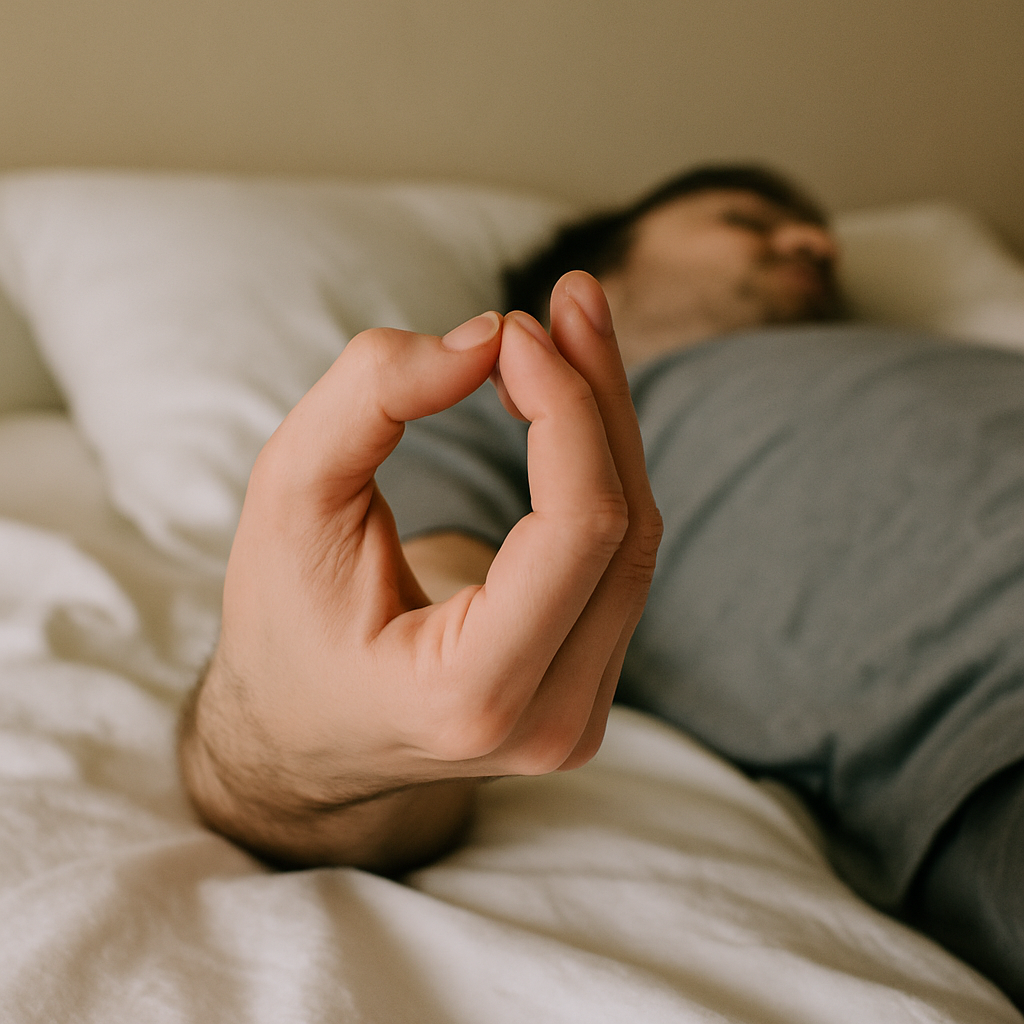
Understanding the Link Between Mudras and Sleep Quality
What Is a Mudra and How Does It Affect the Nervous System?
Mudras are symbolic hand gestures used in yoga, meditation, and Ayurveda to direct the flow of energy within the body. But how does holding your fingers in a certain way affect your sleep? It’s all connected to the nervous system and subtle energy channels called nadis. When you form specific mudras, they stimulate particular nerves and pressure points that influence the brain and body’s relaxation response.
For example, mudras can help regulate your breath, slow down your heart rate, and calm the mind—three essential factors for falling asleep easily. This connection between physical gestures and mental state makes mudras a natural tool to encourage sleepiness without medication or side effects.
Why Mudras Help with Sleep and Anxiety According to Ayurveda
Ayurveda, the traditional Indian system of medicine, believes that imbalances in the body’s energy channels cause many health issues, including sleep disturbances. Mudras are a way to restore balance by activating different elements within the body, such as air, water, fire, earth, and ether.
When it comes to sleep, mudras often focus on calming the air element and boosting the water element, promoting tranquility and emotional balance. This helps reduce anxiety and restless thoughts, which are common culprits of poor sleep. So, mudra for sleep and anxiety isn’t just a fad—it’s rooted in centuries of healing wisdom.
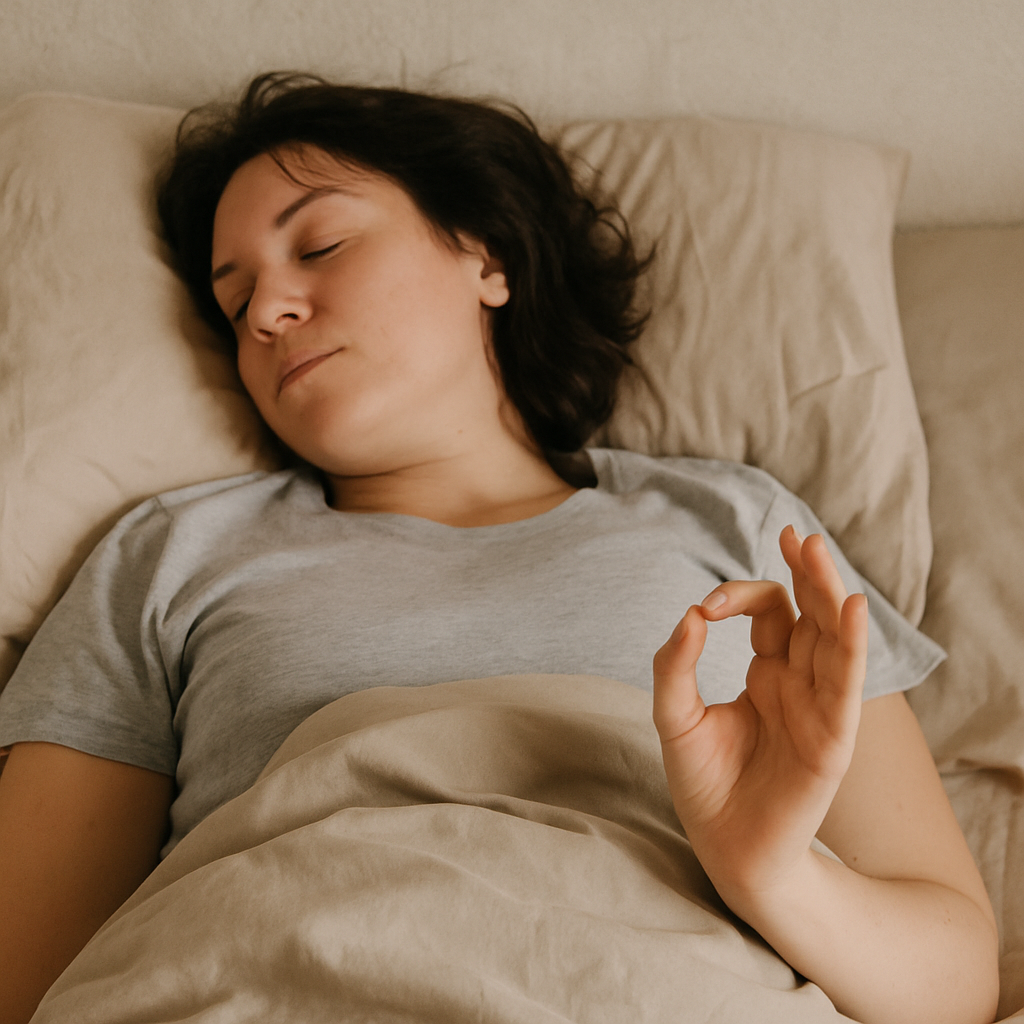
Top Mudras for Sleep and Relaxation
Mudra for Deep Sleep and Nightly Recovery
One of the best mudras for sleep is called the Shuni Mudra. This mudra involves touching the middle finger to the thumb, which helps activate patience and mental calmness. Practicing Shuni Mudra before bed can promote deep sleep and aid the body’s nightly recovery processes. You can easily do this mudra while sitting on your bed or lying down.
Another powerful option is the Apan Vayu Mudra, sometimes called the “heart mudra,” which relieves anxiety and calms the nervous system, making it a great mudra for good sleep.
Mudra to Get Sleep Immediately: Practice Before Bed
If you’re looking for a mudra to get sleep immediately, the Gyan Mudra is often recommended. This simple gesture—touching the index finger to the thumb—helps increase focus and quiet the mind, which can make falling asleep faster much easier.
Practicing this mudra along with slow, deep breathing can calm your racing thoughts, making it a sleep mudra you’ll want to try tonight. It’s quick, effective, and requires no special equipment.
Yoga Mudra for Sleep and Mental Stillness
Yoga mudras for sleep combine gentle hand gestures with mindful awareness to bring mental stillness and physical calm. One such mudra is the Prana Mudra, which involves touching the tips of the ring finger and little finger to the thumb. This mudra is believed to activate the life force energy in your body, enhancing vitality while promoting relaxation.
Practicing Prana Mudra before bedtime can help soothe restlessness and prepare your body for a restful night. Unlike other mudras that target immediate sleep, this one works more on stabilizing your energy throughout the night so you wake up feeling refreshed.
Deep Sleep Mudra: The Varuna Mudra
If you suffer from light or disturbed sleep, the Varuna Mudra might be a solution. It’s created by touching the little finger to the thumb and is thought to balance the water element in the body. This helps regulate hydration and maintain emotional stability—both crucial for deep sleep.
By regularly practicing this deep sleep mudra, you may notice an improvement in how soundly you sleep and how rested you feel in the morning. It’s simple, but its effects can be surprisingly profound.
Mudra for Sleep and Anxiety: Calming the Mind
Anxiety is one of the biggest reasons people struggle to fall asleep. The Apan Mudra is a powerful hand mudra for sleep and anxiety relief. Formed by touching the tips of the thumb, middle, and ring fingers together while keeping the other fingers straight, it’s said to help detoxify the body and calm an anxious mind.
Practicing this mudra along with slow breathing can reduce cortisol levels and promote a feeling of peace, making it easier to fall asleep fast and stay asleep longer.
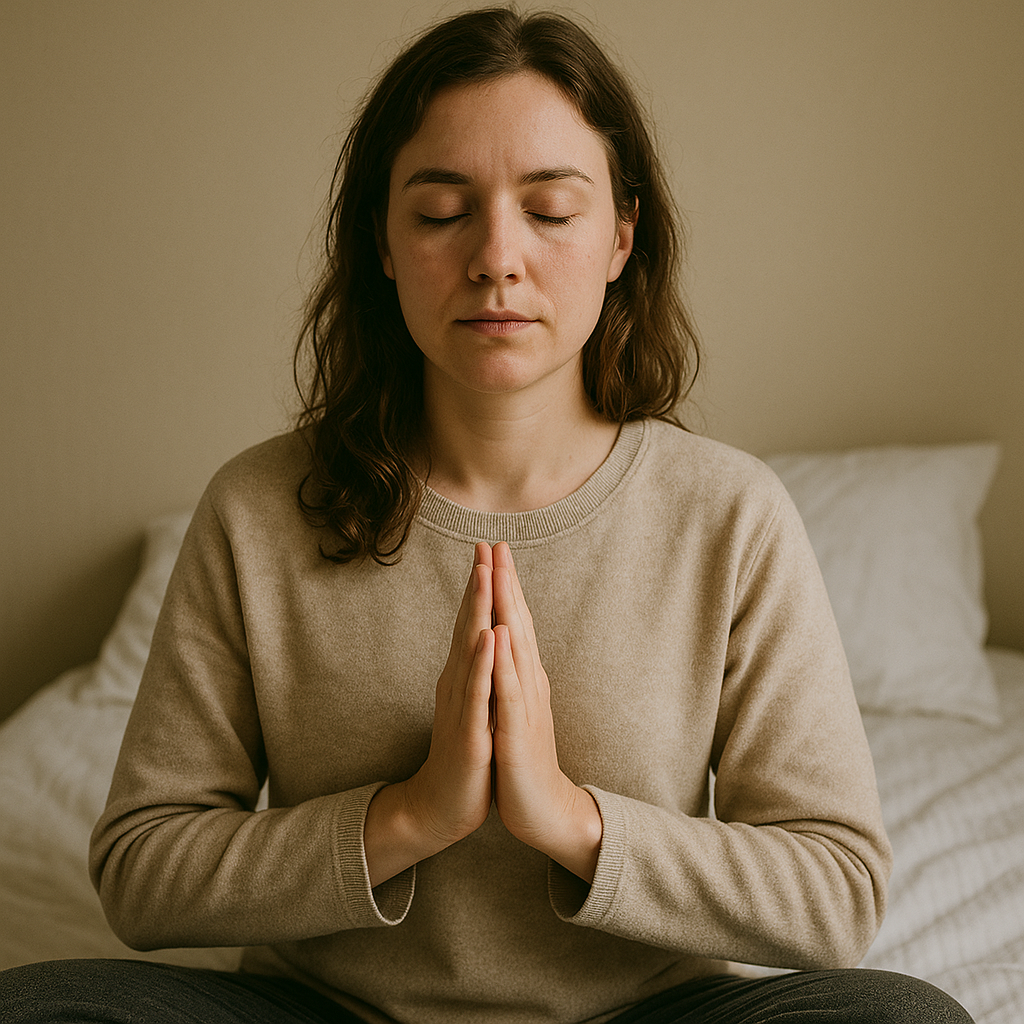
How to Practice Sleep Mudra Effectively at Home
Step-by-Step Instructions for Hand Mudra for Sleep
Starting with mudra for sleeping is easier than you think. Here’s a basic step-by-step guide:
-
Find a comfortable seated or lying position where you won’t be disturbed.
-
Relax your shoulders and close your eyes.
-
Form the mudra with your hands as described—whether it’s Gyan Mudra, Shuni Mudra, or any other sleep mudra you choose.
-
Rest your hands gently on your knees or thighs, palms facing upwards.
-
Breathe slowly and deeply, focusing on your breath or the sensation of your fingers touching.
-
Continue for at least 5 to 15 minutes or until you feel relaxed enough to sleep.
How Long to Hold the Mudra for Sound Sleep
Consistency is key when practicing any mudra for sleep. Experts often suggest holding a mudra for a minimum of 15 minutes daily. But even shorter sessions, like 5 minutes before bed, can provide calming benefits.
The more regularly you practice, the more effective the mudra becomes, training your nervous system to enter a relaxed state faster each night.
Combining Mudra with Breathing for Better Results
Pairing your mudra practice with deep breathing exercises enhances the effects significantly. Try inhaling deeply through your nose for a count of four, holding for a count of four, then exhaling slowly for a count of six or eight. This kind of breathwork supports the relaxation triggered by the mudra, helping you sleep fast and deeply.
Using this combined technique can be especially helpful for those who find their mind racing or anxiety spikes when trying to fall asleep.
Conclusion
Incorporating mudras into your nightly routine can be a gentle yet powerful way to improve your sleep quality. Whether you’re searching for the best mudra for sleep, a mudra to get sleep immediately, or a deep sleep mudra to help with recovery, these ancient hand gestures offer natural relief without side effects. The beauty of mudras is that they are simple to practice anywhere, require no special equipment, and connect your mind and body in a unique way to promote rest.
Remember, mudras work best when practiced consistently and combined with mindful breathing. So next time you find yourself tossing and turning, try one of these hand mudras for sleep and anxiety relief. You might be surprised at how quickly they help you drift into a sound sleep and wake up refreshed.
If you enjoyed this guide, don’t keep it to yourself! Share it with friends or family who might also benefit from these easy and natural ways to sleep better.
FAQs
How long should I hold a mudra for sleep?
Most practitioners recommend holding a mudra for at least 15 minutes daily to notice real benefits. However, even 5 minutes before bedtime can help calm your mind and prepare you for sleep.
Can mudras help with insomnia or disturbed sleep?
Yes, mudras are believed to help regulate the nervous system, reduce anxiety, and promote relaxation, making them a helpful tool for mild to moderate sleep issues like insomnia or disturbed sleep.
Are there any side effects of practicing mudras at night?
Mudras are generally safe and free of side effects since they involve gentle hand gestures and breathing. However, if you experience discomfort or unusual sensations, stop and consult a healthcare professional.
उपयोगकर्ताओं के प्रश्न
How can I create a calming bedtime routine with hand mudras?
Client_c7f826
27 दिनों पहले
To create a calming bedtime routine using hand mudras, incorporate the Apan Mudra, which is known for promoting sleep and reducing anxiety. To perform it, touch the tips of your thumb, middle, and ring fingers together while keeping the other fingers straight. Practice this mudra for sleep and anxiety relief for 10-15 minutes before bed. It can help by calming the nervous system and balancing subtle energy channels, leading to a more restful state. If sleep issues persist despite using mudras, consult a healthcare professional for further guidance.
How do mudras promote relaxation and better sleep quality?
Client_1a550f
37 दिनों पहले
Mudras, which are symbolic hand gestures, can promote relaxation and improve sleep quality by reducing anxiety and calming the mind. By focusing on specific finger positions, such as touching the middle finger to the thumb, they may help activate patience and mental calmness, which can ease restless thoughts and anxiety, common culprits of poor sleep. While mudras can offer a natural, side-effect-free approach to better sleep, results vary per person. If sleep issues persist or you experience discomfort during practice, consult a healthcare professional for personalized advice.
What are the potential side effects of practicing sleep mudras?
Client_7bf0cb
47 दिनों पहले
The potential side effects of practicing sleep mudras are generally minimal since they are non-invasive hand gestures. However, individuals might experience mild discomfort or strain in their hands if maintained for extended periods. It's important to practice mudras gently and within comfort limits. If you feel pain or persistent discomfort, discontinue the practice and consult a healthcare provider. People with hand injuries or arthritis should exercise caution. If you notice sleep issues persisting, it’s advisable to consult a healthcare professional for personalized advice.
What are the best breathing exercises to pair with sleep mudras?
Client_e9998c
56 दिनों पहले
To enhance the benefits of sleep mudras, pair them with deep breathing exercises such as diaphragmatic breathing or the 4-7-8 technique. Diaphragmatic breathing involves inhaling deeply through the nose so the belly expands, holding the breath briefly, and then slowly exhaling. The 4-7-8 method requires you to inhale for four seconds, hold your breath for seven seconds, and then exhale for eight seconds. These exercises activate the parasympathetic nervous system, promoting relaxation. Practice consistently for at least 5-10 minutes before bed. Consult a healthcare provider if sleep disturbances persist.
Can I use breathing techniques alongside mudras for better sleep?
Client_5ef5d6
66 दिनों पहले
Absolutely, combining breathing techniques with mudras can totally enhance your sleep experience! Try pairing deep breathing exercises, like the one described in your article, with the Prana Mudra. The deep breathing can calm your mind and the mudra helps channel your energy. Just experiment a bit to see what combo feels best for you. Rest well!
What is the best time of day to practice mudras for better sleep and reduced anxiety?
Client_63f2fd
75 दिनों पहले
The best time to practice mudras for better sleep and reduced anxiety is usually just before bed. When you're winding down for the night, it can really help calm the mind and body. Also try practicing them during the day when you feel stressed or anxious. Remember, consistency is key, so find a time that works best for you & stick with it!
What hand position should I use for the mudra that helps with sleep?
Client_97d3b5
85 दिनों पहले
The mudra you're looking for involves touching your little finger to your thumb. This gesture is said to help balance the water element in your body which can bring calm and relaxation, helping you drift off to sleep. Try doing it with both hands, hold it for a few minutes while taking deep breaths. Sweet dreams! 😴
Can practicing hand mudras help reduce anxiety throughout the day?
Client_4fff39
94 दिनों पहले
Yes, practicing hand mudras can help reduce anxiety. The Apan Mudra can calm the mind, soothing anxious thoughts. You can use it throughout the day for little moments of calmness. Just make sure you're comfy and relaxed while doing it. If you ever feel uncomfortable, pause and maybe ask a professional.
Can mudras help improve my overall mental well-being and not just sleep?
Client_607eb3
103 दिनों पहले
Absolutely, mudras can totally help with overall mental well-being, not just sleep. They work by balancing your energy, helping focus, and calming the mind—which Ayurveda says can reduce anxiety and stress too. Try exploring mudras like Gyan Mudra for increasing concentration or Prana Mudra for boosting energy. Just listen to your body and adjust as needed :)
What is the science behind how mudras affect sleep and anxiety levels?
Client_0c8f2c
112 दिनों पहले
Mudras work by engaging specific nerve endings in our fingers, which can affect the body's energy flow and balance. This interaction helps regulate breath and heart rate, calming our mind. It's like your body's natural way to hit the "relax" button. This helps with anxiety, which in turn, improves sleep. You could think of it as a gentle nudge to your nervous system to chill out a bit!
संबंधित आलेख

Body Detox
Patanjali Divya Shuddhi Churna
Exploration of Patanjali Divya Shuddhi Churna
4,356

Body Detox
Ayush Kwath Powder: How to Use It, Benefits, and Daily Dosage
Explore Ayush kwath powder uses. Learn the correct dosage, benefits, uses, and ingredients of Ayush kwath powder and how to prepare it at home for immunity
3,648

Body Detox
Powder Massage in Ayurveda: More Than Just a Skin Thing
So, let’s talk powder massage. Maybe you've seen a clip online — someone getting vigorously scrubbed with what looks like cinnamon dust. Or maybe your aunt's into Ayurveda and won’t stop talking about "Udvartana" (that’s the fancy Sanskrit name, by the wa
3,562

Body Detox
Amrutottara Kashayam Benefits, Dose, Side Effects and Ingredients
Exploration of Amrutottara Kashayam Benefits, Dose, Side Effects and Ingredients
2,387

Body Detox
Punarnavarishta
पुनर्नवारिष्ट की खोज
3,992

Body Detox
Guggulu Marichadi Thailam: Benefits & Scientific Insights
Discover the Ayurvedic benefits, applications, proper usage, and scientific insights of Guggulu Marichadi Thailam, a traditional herbal oil for holistic healing.
3,177

Body Detox
आयुर्वेद में पिचु: थेरेपी के प्रकार, तेल और उपचार के फायदे
आयुर्वेद में पिचु क्या है, यह कैसे काम करता है और इसका उपयोग कब किया जाता है, जानें। शिरो पिचु, योनि पिचु और अन्य थेरेपीज़ के बारे में जानें, जो हीलिंग ऑयल्स और सिद्ध फायदों के साथ आती हैं।
7,036

Body Detox
वीर्य शोधन बटी
वीर्य शोधन बटी की खोज
4,780

Body Detox
आयुर्वेद में स्नेहपान क्या है?
आयुर्वेद में स्नेहपान क्या है, इसके स्वास्थ्य लाभ, प्रक्रिया और संभावित साइड इफेक्ट्स के बारे में जानें। जानें कि यह तैलाभ्यंग कैसे शरीर को डिटॉक्स के लिए तैयार करता है।
4,854

Body Detox
दालचीनी पानी कैसे पिएं: आयुर्वेदिक गाइड और फायदे
दालचीनी पानी पीकर वजन घटाने और सेहत के लिए कैसे फायदेमंद हो सकता है, इसे पीने का सबसे अच्छा समय क्या है, और क्या आप इसे रोजाना या रात में पी सकते हैं, यह जानें।
19,355
विषय से संबंधित परामर्श
अतिरिक्त दस्तावेज़
© 2024 Ask Ayurveda. सर्वाधिकार सुरक्षित।