आयुर्वेदिक डॉक्टर से प्रश्न पूछें और निःशुल्क या भुगतान मोड में अपनी चिंता की समस्या पर ऑनलाइन परामर्श प्राप्त करें। 2,000 से अधिक अनुभवी डॉक्टर हमारी साइट पर काम करते हैं और आपके प्रश्नों का इंतजार करते हैं और उपयोगकर्ताओं को उनकी स्वास्थ्य समस्याओं को हल करने में प्रतिदिन मदद करते हैं।


Body DetoxEar, Nose, and Throat DisordersGeriatrics & RejuvenationImmunodeficiencyInfertility TreatmentNutritionOrthopedic DisordersPediatricsRespiratory DisordersSexually Transmitted Diseases (STDs)Surgery RecoveryUrological DisordersVascular DisordersDental DisordersEndocrinological DisordersGastrointestinal DisordersYoga TherapyGeneral MedicineAllergic DisordersCardio DisordersGynecology and ObstetricsCosmetologySkin and Hair DisordersEye DisordersInfectious DiseasesMental DisordersNeurological DisordersOncologyPanchakarmaSexual Health & DisordersSports Medicine
पर प्रकाशित 08/01/25
(को अपडेट 08/11/26)
8,919
What Is Methi? Ayurvedic Guide to Seeds, Leaves, and Benefits

You’ve probably heard of methi before — maybe as a spice in your kitchen or as a home remedy your grandma swore by. But what is methi, really? Is it just another trendy superfood, or is there something deeper to its legacy? Spoiler: it’s the latter. From methi leaves in hearty curries to the detox benefits of methi water, this humble plant has woven itself into Ayurveda for centuries.
In this guide, we’ll explore what methi is, dive into methi leaves benefits, highlight how to use methi water, and touch on the impressive methi seeds benefits that have modern nutritionists and ancient healers equally excited. Whether you're looking to fix bloating, balance hormones, or simply curious about benefits of methi water on your skin — this one’s for you.
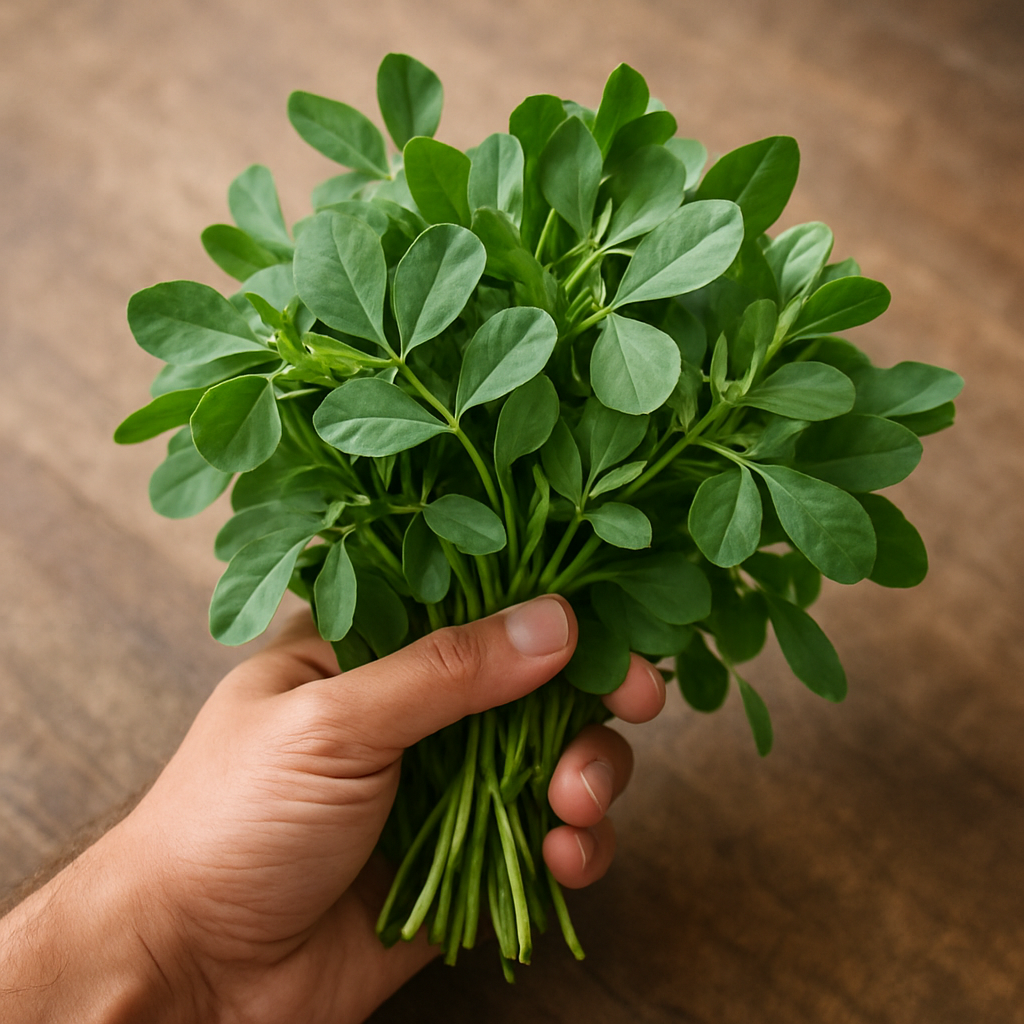
What Is Methi and Why Is It Important in Ayurveda?
Methi Plant Overview: Appearance, Taste, and Properties
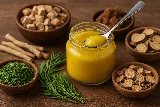
Methi, also known as fenugreek, is a small green herb with a bitter bite and a nutty, slightly maple-ish aroma. Native to South Asia and parts of the Mediterranean, the methi plant grows low to the ground and produces delicate green leaves and golden-brown seeds.
In Ayurveda, methi is considered "hot" in nature and often used to balance Vata and Kapha doshas. It’s said to stimulate digestion, enhance internal heat, and detoxify the system — pretty impressive for something that looks like salad garnish.
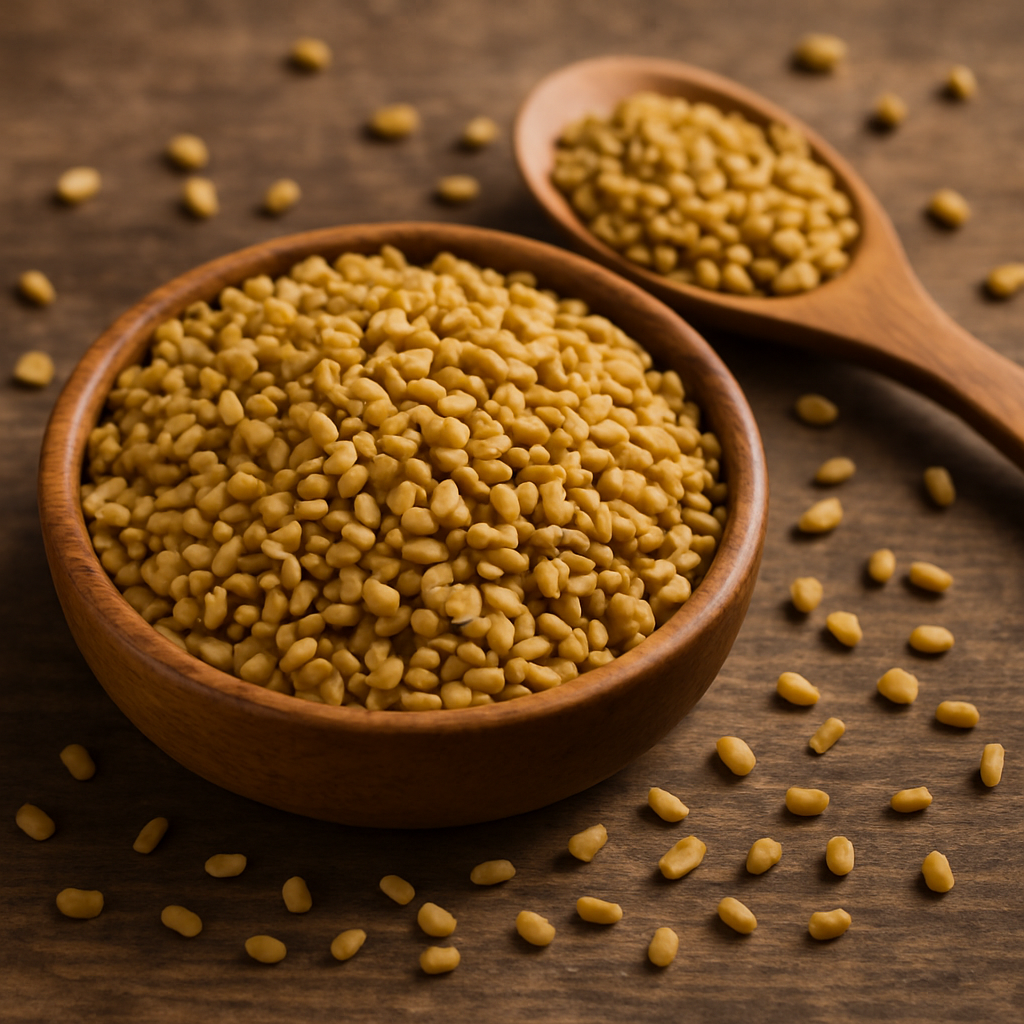
The seeds, though bitter, are packed with alkaloids, saponins, and flavonoids that deliver a punch of health benefits. They're often dried and ground into methi powder, soaked in water overnight to make methi water, or pressed into methi oil. Each form offers its own unique perks.
Methi Leaves Benefits for Health and Wellness
Methi Leaves Benefits for Digestion, Inflammation, and Skin
Methi leaves are more than just a flavorful herb. They’re a powerhouse of antioxidants, iron, vitamin C, and fiber. In Ayurveda, methi leaves benefits start with digestion — they stimulate bile flow, reduce bloating, and help relieve constipation. Not the most glamorous topic, but hey, gut health matters.
They also have anti-inflammatory properties that may help ease joint pain or minor skin flare-ups. Some people even mash fresh methi leaves into a paste to treat acne or dandruff. Kinda messy, but totally worth it. Plus, that earthy smell? Not as bad once you get used to it.
How to Use Methi Leaves in Cooking and Herbal Remedies
There’s no shortage of creative ways to enjoy methi leaves. Toss them into rotis, mix with potatoes, or sauté with garlic for a quick, nutrient-dense side dish. Fresh leaves are ideal, but dried versions (called kasuri methi) work great too — especially in curries and dals.
For DIY herbal lovers, you can brew methi leaves into tea or add them to hair masks. Pro tip: Always wash thoroughly before use; they’re notorious for clinging onto dirt. Seriously, no one likes gritty curry.
Methi Seeds Benefits in Ayurveda
Benefits of Methi Seeds for Blood Sugar and Hormonal Health
Here's where things get interesting. Methi seeds benefits have been widely studied, especially when it comes to blood sugar control. These little golden nuggets contain soluble fiber, which can slow down sugar absorption in the intestines and improve insulin response. Ideal for folks managing diabetes or prediabetes.
But it doesn’t stop there. Methi seeds are also praised for helping with hormonal imbalances, especially in women. They may support healthy estrogen levels, ease menstrual cramps, and even boost milk production in breastfeeding mothers. Though, every body is different — what works wonders for one might not for another.
How to Use Methi Powder, Seeds, or Methi Oil in Daily Routine
So, now you’re probably wondering — how do I actually use all these methi forms without turning my kitchen into a lab?
Let’s start with methi powder. This fine, earthy-smelling powder is just ground-up methi seeds. You can mix a small spoonful into warm water and drink it on an empty stomach, which some people do daily for its digestion and metabolism-boosting effects. Or sprinkle it in yogurt, smoothies, or even baked goods if you’re feeling experimental. Taste-wise? It’s… acquired. But hey, health over flavor sometimes, right?
Methi seeds can be soaked overnight in water to soften them (and reduce bitterness), then chewed in the morning. A teaspoon or so is enough. This method is super popular for blood sugar control and cholesterol support. Just don't go overboard — too much methi can cause stomach upset or bloating.
Methi oil is the underdog here. Made by infusing the seeds in a carrier oil, it's mostly used topically. Massage it into your scalp to combat dandruff, promote hair growth, or nourish dry skin. Some people also add a few drops to bath water for a soothing soak, though be careful — it can leave you smelling like a spicy salad.
Methi Water Benefits
Benefits of Methi Water for Digestion, Weight, and Skin
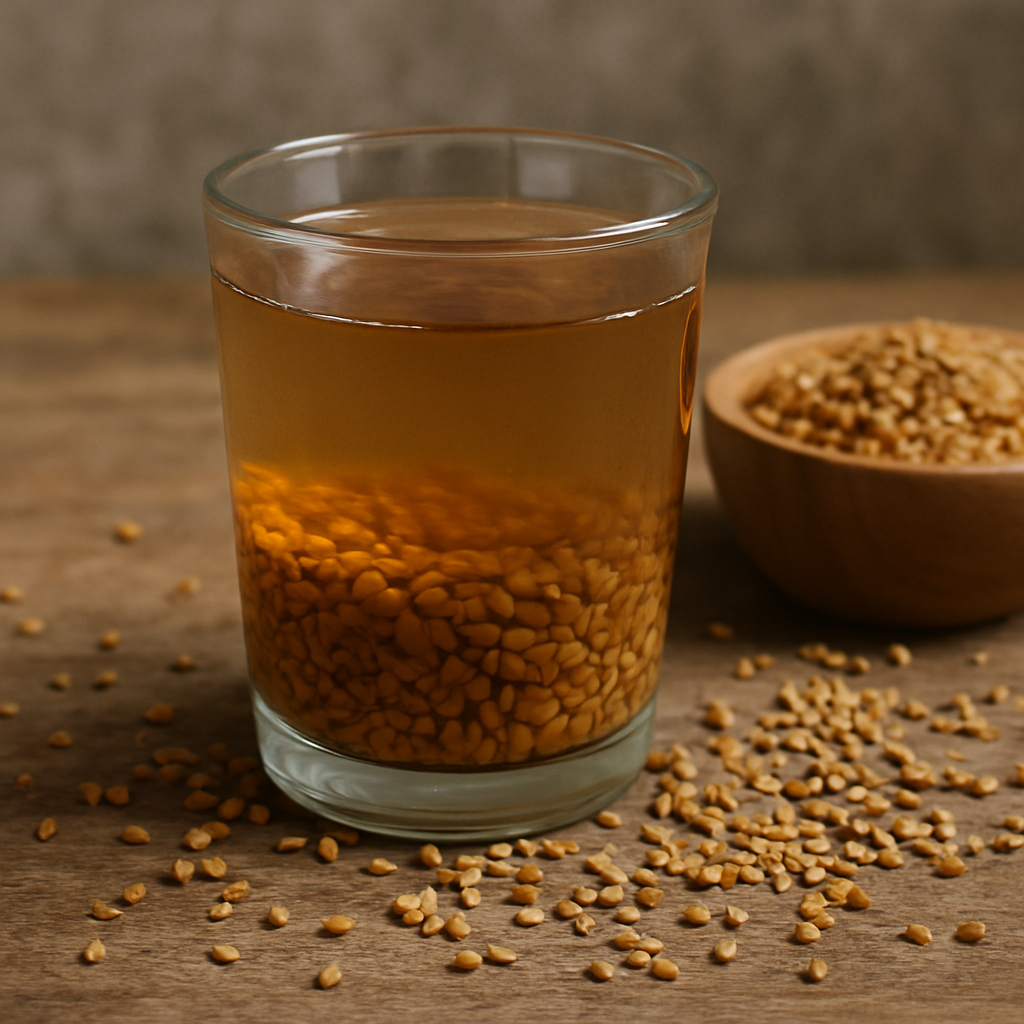
Methi water is one of the simplest (and surprisingly powerful) ways to tap into methi benefits. To make it, just soak a teaspoon of methi seeds in a cup of water overnight. In the morning, strain and drink it before breakfast.
Why go through the trouble? Because the benefits of methi water are pretty compelling.
-
Digestion: Methi water helps lubricate the intestines, reduces bloating, and can keep things moving. If you're the type who skips fiber and regrets it later, this might help.
-
Weight management: The fiber in methi swells up in your stomach, helping you feel full and curb those snack cravings. No, it’s not magic, but it sure helps.
-
Skin glow: Thanks to antioxidants and anti-inflammatory compounds, some folks say their acne reduced and skin felt clearer after just a few weeks of drinking methi water.
Quick tip: the taste can be a bit bitter, so adding a dash of lemon juice or honey doesn’t hurt.
Methi Water Side Effects and When to Avoid It
Before you run to the kitchen — a quick reality check.
Yes, the benefits of methi water are awesome, but not everyone should be drinking it daily. Some people experience diarrhea, flatulence, or low blood sugar if they take too much. Methi water side effects are usually mild, but still, listen to your body.
Pregnant women should avoid excess methi, as it might cause uterine contractions. Also, if you're on blood thinners or meds for diabetes, speak to your doctor first. Herbal doesn’t always mean harmless.
Oh, and one more thing? Your sweat might start smelling a bit maple-syrupy after regular use. Not necessarily bad... but definitely odd.
Conclusion
So, what’s the deal with methi? In short, it's a small herb with some seriously big potential. Whether you're sipping methi water to calm your digestion, tossing fresh methi leaves into a curry, or experimenting with methi oil for hair care — this plant covers a lot of ground. And it’s not just ancient Ayurvedic hype. Modern science is catching up, slowly confirming many traditional methi benefits that have been known for generations.
But like any wellness tool, the key is balance. It’s tempting to go all-in once you hear about the benefits of methi seeds or read a testimonial about weight loss from methi water. Yet, going overboard can backfire — with side effects ranging from digestive issues to hormonal imbalances. More isn't always better.
Still, for most people, introducing methi into your routine — whether as methi powder, tea, seeds, or leaves — can bring subtle but valuable improvements to digestion, skin, blood sugar, and even mental clarity. Plus, it’s affordable and easy to find.
Curious to try it yourself? Start small. Experiment. And hey, maybe even grow your own methi plant — it’s surprisingly easy in a pot on a sunny windowsill.
FAQs
Can I use methi powder or methi oil for skin and hair?
Absolutely. Methi powder can be mixed with yogurt or aloe vera to create a purifying face or scalp mask. It’s especially helpful for oily or acne-prone skin. Meanwhile, methi oil is popular for hair growth — massage it into your scalp once or twice a week and leave it on for 30–60 minutes before washing. It helps reduce dandruff, strengthens roots, and might even help with thinning hair.
That said, always do a patch test first. Not everyone’s skin reacts the same, and allergic reactions — though rare — are possible.
How often can I consume methi seeds safely?
Most people can safely consume about 1 teaspoon of methi seeds daily — either soaked overnight or powdered and mixed with warm water. It’s best to start slow, especially if you’re new to it. Some experience minor bloating or gas when first introducing methi into their diet.
Pregnant individuals, or those with chronic conditions like low blood sugar or thyroid issues, should consult a healthcare provider before adding it regularly.
Is methi helpful for hormonal balance and weight loss?
Yes, there's growing evidence (and centuries of Ayurvedic knowledge) suggesting that methi benefits hormonal health — especially for women. It’s known to support estrogen levels, reduce PMS symptoms, and promote lactation.
As for weight loss, methi water and seeds can help suppress appetite and improve metabolism due to their fiber content. But let’s be real: it’s not a miracle. Methi can support your efforts, but only when combined with proper diet and exercise.
Ready to explore the benefits of methi for yourself? Try adding just one methi-based habit into your routine this week. Whether it’s sipping methi water in the morning or cooking with fresh methi leaves, you might just notice a subtle boost in how you feel.
If this guide helped you, share it with someone who could use a little natural wellness in their life. And if you've got your own methi hacks or recipes, drop them in the comments — let’s keep the goodness growing 🌱
उपयोगकर्ताओं के प्रश्न
How does methi contribute to heart health and cholesterol levels?
Client_477b6a
4 दिनों पहले
Methi, or fenugreek, can contribute to heart health and lower cholesterol levels primarily because of its high fiber content. The soluble fiber in methi helps reduce bad cholesterol (LDL) by preventing its absorption in the intestines. For meaningful effects, one might need to consume it regularly—often seen after a few weeks of consistent use. However, it should complement a balanced diet and exercise. Be cautious if you experience digestive issues or have diabetes, as methi can lower blood sugar. Consult a doctor if you have existing health concerns or are pregnant.
What is the best way to make methi water at home?
Client_1949bc
9 दिनों पहले
To make methi water at home, soak one to two teaspoons of fenugreek seeds (methi) in a glass of water overnight. In the morning, strain the seeds and drink the water on an empty stomach. Some people find the taste bitter, so feel free to add a dash of lemon or honey. Drinking methi water may help with digestion and improve skin clarity, though results can vary and may take a few weeks to notice. Watch out for any allergies and avoid if pregnant or breastfeeding. Consult a healthcare professional if you have any pre-existing conditions or are on medication.
How do methi seeds affect appetite and weight management?
Client_baa520
14 दिनों पहले
Methi seeds, or fenugreek seeds, may aid in appetite control and weight management due to their high fiber content, which can promote a feeling of fullness and reduce overall calorie intake. However, they should not be considered a standalone solution for weight loss. Typically, benefits may be observed over weeks when combined with a balanced diet and regular exercise. It's crucial to wash methi seeds thoroughly before use to remove dirt. If you experience digestive issues or any adverse effects, consult a healthcare provider. Use methi seeds as part of a broader healthy lifestyle, not as a miracle fix.
What are the potential side effects of consuming methi seeds regularly?
Client_65fc14
19 दिनों पहले
Regular consumption of methi seeds can cause side effects such as digestive issues like diarrhea, bloating, and gas due to their high fiber content. Some people might experience allergic reactions, including rash or difficulty breathing. Large doses could lower blood sugar excessively, posing a risk, especially for those on diabetes medication. Generally, only minor side effects occur, but if severe symptoms arise, consult a healthcare provider. If you're taking methi for health benefits, monitor your body’s response, and adjust the intake as necessary.
How long does it take to see methi seeds health benefits?
Client_ca8417
29 दिनों पहले
The time it takes to see health benefits from using methi seeds varies depending on the specific benefit you are targeting. For blood sugar control, some studies suggest that benefits can be observed after several weeks of consistent use. When using methi seeds for hair growth or skin nourishment, you might notice improvements in a few weeks, but this can vary with individual differences. It's important to monitor your body's reaction and be mindful of potential side effects, especially if you are pregnant or breastfeeding. Consult a healthcare provider for personalized advice.
What are the best conditions for growing methi at home?
Client_b6c2e4
39 दिनों पहले
To grow methi at home, place the seeds in well-draining soil in a pot with good drainage and position it on a sunny windowsill. Methi, or fenugreek, thrives in warm temperatures between 50°F and 90°F and requires about 6 hours of sunlight daily. Water it consistently to keep the soil moist but not waterlogged. Seeds typically germinate in 3-4 days. Within 2-3 weeks, you can start harvesting the leaves. Avoid overwatering as this can lead to root rot. If the plants appear leggy or pale, they may need more sunlight or nutrients. If issues persist, consult a gardening expert.
How can methi leaves improve overall gut health and digestion?
Client_fe28d0
48 दिनों पहले
Methi leaves can improve gut health and digestion primarily due to their high fiber content, which aids in bowel regularity and prevents constipation. The natural compounds in methi leaves may help support healthy digestion by soothing the stomach lining and reducing inflammation. Typically, incorporating methi leaves into your diet a few times a week can offer benefits, but effects may vary between individuals. Be cautious of excessive intake as it can lead to digestive discomfort or hormonal imbalance. If you experience persistent digestive issues, consulting with a healthcare provider is advisable.
Can methi water help improve skin clarity and texture?
Client_3b7484
58 दिनों पहले
Methi water can potentially help improve skin clarity and texture, particularly for oily or acne-prone skin. The soluble fiber in methi, or fenugreek, seeds may help regulate blood sugar and reduce inflammation, factors that can contribute to clearer skin. To use methi water for skin benefits, it can be made by soaking fenugreek seeds overnight and using the strained water. Results will vary, but consistency is key; some individuals may notice improvements within a few weeks. Always do a patch test first and if any irritation occurs, discontinue use. If skin issues persist, consult a healthcare professional.
What is the nutritional value of methi leaves and how can they benefit my health?
Client_60799b
68 दिनों पहले
Methi leaves are packed with nutrition! They're rich in iron, calcium, magnesium, and vitamins like A and C. Those nutrients can help boost your energy and support bone health. Plus, they have fiber that aids digestion and can help manage your weight by making you feel full longer. If you're looking to balance Vata and Kapha, methi is a good choice too. Give it a try!
What is the best way to prepare and store dried methi leaves for maximum freshness?
Client_585a8f
77 दिनों पहले
When it comes to storing dried methi leaves (kasuri methi), make sure they're completely dry before you store 'em! Pop 'em in an airtight container and keep away from moisture and direct sunlight, I'd suggest a cool, dark place like a pantry or cabinet. To prep, crush the leaves between your fingers to release flavor b4 adding to food!
संबंधित आलेख

Nutrition
पॉइंट कैप्सूल्स के फायदे, खुराक, सामग्री, साइड इफेक्ट्स
पॉइंट कैप्सूल्स के फायदे, खुराक, सामग्री, और साइड इफेक्ट्स की खोज
2,982

Nutrition
सप्तामृत लौह के फायदे, खुराक, सामग्री, साइड इफेक्ट्स
सप्तामृत लौह के फायदे, खुराक, सामग्री, और साइड इफेक्ट्स की जानकारी
6,150
Nutrition
Side Effects of Curd According to Ayurveda: Why It’s Not Always the Health Food You Think
According to Ayurvedic wisdom, curd can disturb digestion, aggravate certain doshas, and create something called “ama” — toxic buildup in the body. And here's the kicker: these side effects aren't instant. They creep up — through fatigue, sinus issues, sk
17,594

Nutrition
Ikshu Rasa: Health and Science of Sugarcane Juice
Explore the health benefits, modern research, and Ayurvedic views on Ikshu Rasa (sugarcane juice), backed by scientific studies and credible medical sources.
7,338

Nutrition
What to Eat After Masturbation? Ayurvedic Foods and Recovery Advice
Wondering what to eat after ejaculating? Discover Ayurvedic foods, drinks, and energy-restoring practices to support recovery after sperm loss or hand practice
32,764

Nutrition
How to Use Sunflower Seeds for Health, Hair, and Weight Management
Discover how to use sunflower seeds for weight loss, hair health, and more. Learn about sunflower seeds uses, recipes, and Ayurvedic benefits
5,070

Nutrition
तरबूज के बीज कैसे खाएं: फायदे और सुरक्षित उपयोग के लिए आयुर्वेदिक गाइड
तरबूज के बीजों को स्वास्थ्य लाभ के लिए कैसे खाएं? जानें तरबूज के बीज खाने, भूनने और इस्तेमाल करने के बेहतरीन तरीके, साथ ही रोजाना सुरक्षित सेवन के लिए आयुर्वेदिक टिप्स।
11,893

Nutrition
Best Noni Juice India: A Comprehensive Health & Buying Guide
Discover the best noni juice in India through scientific insights, top brand comparisons, and expert tips. Learn how noni benefits health and find your ideal choice.
4,788
Nutrition
Vidaryadi Ghritam Uses and Health Benefits in Ayurveda
Learn about the Ayurvedic formulation Vidaryadi Ghritam, its traditional uses, clinical relevance, and benefits for fertility, immunity, and strength.
3,591

Nutrition
Shilapravang Special Benefits, Dosage, Side Effects, Ingredients
Exploration of Shilapravang Special Benefits, Dosage, Side Effects, Ingredients
3,049
विषय से संबंधित परामर्श
अतिरिक्त दस्तावेज़
© 2024 Ask Ayurveda. सर्वाधिकार सुरक्षित।