आयुर्वेदिक डॉक्टर से प्रश्न पूछें और निःशुल्क या भुगतान मोड में अपनी चिंता की समस्या पर ऑनलाइन परामर्श प्राप्त करें। 2,000 से अधिक अनुभवी डॉक्टर हमारी साइट पर काम करते हैं और आपके प्रश्नों का इंतजार करते हैं और उपयोगकर्ताओं को उनकी स्वास्थ्य समस्याओं को हल करने में प्रतिदिन मदद करते हैं।


Body DetoxEar, Nose, and Throat DisordersGeriatrics & RejuvenationImmunodeficiencyInfertility TreatmentNutritionOrthopedic DisordersPediatricsRespiratory DisordersSexually Transmitted Diseases (STDs)Surgery RecoveryUrological DisordersVascular DisordersDental DisordersEndocrinological DisordersGastrointestinal DisordersYoga TherapyGeneral MedicineAllergic DisordersCardio DisordersGynecology and ObstetricsCosmetologySkin and Hair DisordersEye DisordersInfectious DiseasesMental DisordersNeurological DisordersOncologyPanchakarmaSexual Health & DisordersSports Medicine
पर प्रकाशित 11/11/24
(को अपडेट 08/12/26)
3,877
Is Beetroot Really Healthy?
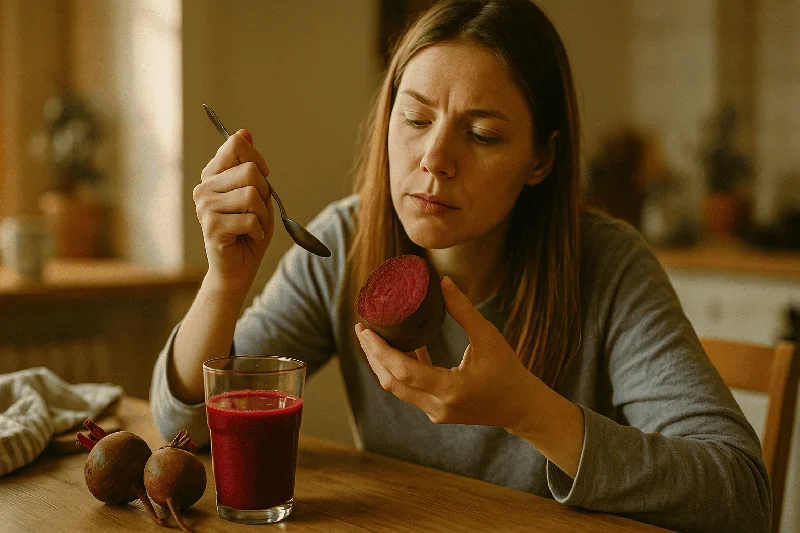
Beetroot (Beta vulgaris) is one of the most nutrient-dense root vegetables you can eat — and yes, it really is as healthy as people claim. Packed with dietary nitrates, betalain pigments, folate, and potassium, beetroot has been scientifically linked to lower blood pressure, improved athletic endurance, better brain function, and reduced risk of heart disease. Whether you eat it raw, cooked, juiced, or powdered, this deep-red root delivers measurable health benefits that few other vegetables can match.
In this comprehensive guide, we'll break down everything you need to know about beetroot — from its exact nutritional profile and proven health benefits to recommended dosages, drug interactions, and side effects that most articles online simply don't cover.
What Is Beetroot?
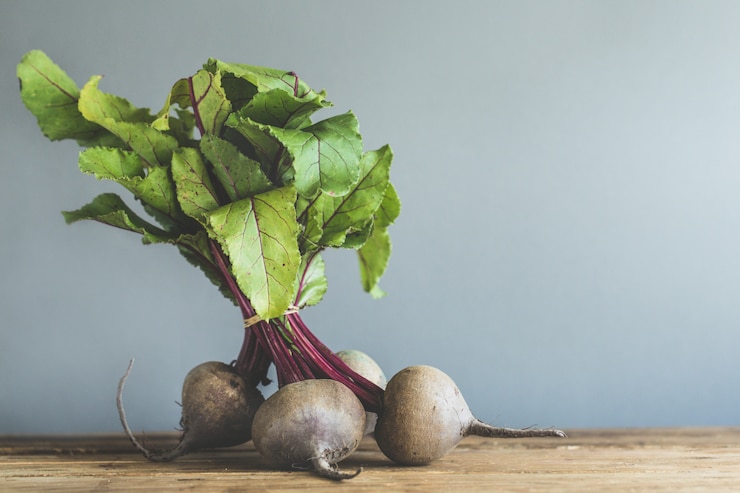
Beetroot is the taproot portion of the beet plant, scientifically known as Beta vulgaris. It belongs to the family Amaranthaceae and is closely related to sugar beet, chard (silverbeet), and fodder beet — all of which are technically the same species, just bred for different purposes.
The word "beetroot" itself has interesting origins: "beet" comes from the Latin Beta, while "root" traces back to Old Norse rót. In North America, it's commonly called just "beet," while in the UK, India, Australia, and most Commonwealth countries, "beetroot" is the standard term.
Varieties of Beetroot
- Not all beetroots are red.
- There are several distinct varieties:
- Red/Crimson beetroot — The most common type, with deep purple-red flesh colored by betanin pigments
- Golden beetroot — Yellow-orange flesh, milder and sweeter, colored by vulgaxanthin pigments
- Chioggia (candy stripe) — Italian heirloom with alternating red and white rings
- White beetroot — Mild flavor, no betalain pigments
- Cylindra — Elongated shape, popular in Northern Europe for uniform slicing
Both the root and the leaves (called beet greens) are edible. Beet greens are actually higher in iron, calcium, and vitamins A and K than the root itself — so don't throw them away.
A Brief History
Beetroot has a remarkably long history. Archaeological evidence suggests beet cultivation dates back to ancient Egypt — charred beet remains were found in the Third Dynasty pyramid of Saqqara. The ancient Greeks and Romans primarily ate the leaves, while the root gained culinary popularity in Europe during the Middle Ages. During the Napoleonic Wars, beetroot became strategically important when Napoleon ordered sugar beet to be used as a primary source of sugar after the British blocked cane sugar imports. During both World Wars, beetroot was a critical food source in Europe due to its hardiness and nutritional density.
Beetroot Nutrition Facts
- One of the reasons beetroot stands out is its impressive nutrient density at a relatively low calorie cost.
- Here's what 100 grams of raw beetroot typically contains:
| Nutrient | Amount per 100 g |
|---|---|
| Calories | ~43 kcal |
| Water | 87–88% |
| Carbohydrates | 9.6 g |
| Sugars | 6.8 g |
| Dietary Fiber | 2.8 g |
| Protein | 1.6 g |
| Fat | 0.2 g |
| Folate (Vitamin B9) | 109 µg (27% DV) |
| Manganese | 0.33 mg (16% DV) |
| Potassium | 325 mg (9% DV) |
| Iron | 0.8 mg (4% DV) |
| Vitamin C | 4.9 mg (6% DV) |
| Phosphorus | 40 mg (6% DV) |
| Copper | 0.075 mg (8% DV) |
Folate deserves special attention here. At 27% of daily value per 100 grams, beetroot is one of the best vegetable sources of this B-vitamin, which is critical for DNA synthesis, red blood cell formation, and — particularly important for women — preventing neural tube defects during pregnancy.
Key Bioactive Compounds
Beyond standard vitamins and minerals, beetroot contains several unique bioactive compounds that drive most of its health benefits:
- Inorganic nitrates — Beetroot is one of the richest dietary sources of nitrates (up to 1800 mg/kg in raw beet), which the body converts to nitric oxide (NO)
- Betalains — These are the pigments responsible for beetroot's color. Betanin (red-violet) and vulgaxanthin (yellow-orange) are powerful antioxidants not found in most other foods
- Polyphenols — Including flavonoids and phenolic acids that contribute to antioxidant and anti-inflammatory activity
The betalain content is particularly noteworthy. Unlike anthocyanins in berries, betalains are nitrogen-containing pigments with unique free-radical scavenging abilities. A 2015 review in Molecules found that betalains can neutralize both oxidative and nitrative stress, outperforming some synthetic antioxidants like BHA and BHT in laboratory assays.
What Is the Main Benefit of Beetroot?
If you had to pick just one headline benefit, it's blood pressure reduction. This is the most robustly studied effect of beetroot, and the mechanism is well understood.
Here's how it works: Beetroot is exceptionally high in inorganic nitrates. When you consume beetroot or beetroot juice, bacteria on your tongue convert these nitrates into nitrites. These nitrites then get converted to nitric oxide (NO) in the body. Nitric oxide is a signaling molecule that relaxes and dilates blood vessels, which directly lowers blood pressure.
A 2013 meta-analysis published in The Journal of Nutrition found that consuming beetroot juice led to an average systolic blood pressure reduction of 4–5 mmHg. That might sound modest, but at a population level, a 5 mmHg reduction in systolic BP translates to roughly a 10% reduction in cardiovascular mortality risk.
Peak Nitrate Timing
Here's something almost no health article tells you: the blood pressure-lowering effect of beetroot is not immediate, and it doesn't last all day.
- After drinking beetroot juice, plasma nitrite levels peak approximately 2–3 hours later. The blood pressure reduction effect lasts roughly 6–8 hours before gradually diminishing.
- This timing matters for practical decisions — if you're using beetroot juice to help manage blood pressure, consuming it in the morning may provide the most benefit during daytime hours when cardiovascular stress is typically highest.
Health Benefits of Beetroot
Improved Athletic Performance and Endurance
This is one of the most exciting areas of beetroot research, and its popular among athletes and fitness enthusiasts.
Dietary nitrates from beetroot improve exercise performance by enhancing the efficiency of mitochondria — the energy-producing structures in your cells. When nitric oxide levels increase, your muscles need less oxygen to produce the same amount of energy. In practical terms, you can exercise harder or longer before fatigue sets in.
A 2011 study published in Medicine & Science in Sports & Exercise found that cyclists who drank 500 mL of beetroot juice improved their 10-km time trial performance by 1.2%. That's a significant margin in competitive sports. The benefits appear most pronounced during high-intensity exercise lasting 4–30 minutes.
Practical tip for athletes: Consume 300–500 mL of beetroot juice (or 2–3 concentrated beetroot shots) approximately 2–3 hours before training or competition to coincide with peak nitric oxide availability.
Heart Health and Cardiovascular Disease Prevention
Beyond blood pressure, beetroot supports heart health through multiple pathways:
- Folate reduces homocysteine levels — elevated homocysteine is an independent risk factor for heart disease and stroke
- Potassium helps regulate heart rhythm and counteracts the effects of excess sodium
- Betalains reduce LDL oxidation, a key step in atherosclerosis development
- Nitric oxide improves endothelial function (the health of blood vessel linings)
A 2018 study in Heart found that dietary nitrate supplementation improved endothelial function in patients with hypercholesterolemia within just 6 weeks.
Brain Health and Cognitive Function
As we age, blood flow to certain regions of the brain decreases, which contributes to cognitive decline. Beetroot's nitrates may help counteract this.
A 2011 study from Wake Forest University found that older adults who consumed a high-nitrate diet (including beetroot juice) showed increased blood flow to the frontal lobe — the brain region associated with decision-making, working memory, and executive function. The researchers used MRI imaging to confirm these findings.
This is a particularly promising area for further research, especially regarding neurodegenerative conditions like dementia and Alzheimer's disease.
Anti-Cancer Properties
Laboratory and animal studies suggest beetroot extracts may have anti-tumor activity. A 2014 study published in Anti-Cancer Agents in Medicinal Chemistry found that betanin (the primary red pigment in beetroot) inhibited cancer cell proliferation, reduced angiogenesis (the formation of new blood vessels that feed tumors), and induced apoptosis (programmed cell death) in several cancer cell lines.
However, it's important to be honest: these findings are primarily from in vitro and animal models. Large-scale human clinical trials are still lacking. Beetroot should not be considered a cancer treatment, but including it regularly in your diet is a reasonable strategy as part of an overall anti-cancer dietary pattern.
Liver and Kidney Protection
The betalains in beetroot have demonstrated hepatoprotective (liver-protective) properties in animal studies. They appear to reduce oxidative damage in liver cells and support the organ's natural detoxification processes. A 2019 study in Food & Function found that beetroot extract reduced liver inflammation markers in rats fed a high-fat diet.
Blood Sugar and Lipid Regulation
Research published in the Journal of Nutritional Science (2017) showed that beetroot juice consumption reduced postprandial (after-meal) glucose levels and improved insulin sensitivity. The nitrates in beetroot appear to enhance glucose uptake in skeletal muscle. For people with Type 2 diabetes or prediabetes, this is a noteworthy potential benefit — though it should complement, not replace, standard medical treatment.
Beetroot Benefits for Female and Male Health
Beetroot Benefits for Women
- Folate-rich — Essential during pregnancy for fetal neural tube development; 100g of beetroot provides over 25% of the daily folate requirement
- Iron support — While beetroot's iron content is moderate, the vitamin C it contains improves non-heme iron absorption — helpful for women who experience iron losses during menstruation
- Skin health — The improved blood flow from nitric oxide, combined with betalain antioxidants, may support skin cell regeneration and reduce inflammatory skin conditions
- Hormonal balance — Some preliminary research suggests that the phytonutrients in beetroot may help modulate cortisol levels, though more human studies are needed
Beetroot Benefits for Men
- Exercise performance — Men involved in endurance sports or high-intensity training may particularly benefit from the nitrate-mediated improvements in oxygen efficiency
- Cardiovascular protection — Men are statistically at higher risk for heart disease at younger ages; beetroot's BP-lowering and endothelial-protective effects are especially relevant
- Erectile function — Nitric oxide plays a direct role in achieving and maintaining erections. While beetroot is not a substitute for ED medication, regular consumption supports healthy NO levels through a dietary pathway
स्वयं दवा न लें और प्रतीक्षा न करें। अभी डॉक्टर से चैट शुरू करें
Beetroot vs. Other Nitrate-Rich Vegetables
- One of the biggest gaps in existing articles online is a clear comparison of beetroot with other dietary nitrate sources.
- Here's how they stack up:
| Vegetable | Nitrate Content (mg/kg fresh weight) | Notes |
|---|---|---|
| Beetroot | 1300–1800 | Highest among common root vegetables |
| Rocket/Arugula | 2000–4800 | Actually higher than beetroot, but consumed in much smaller amounts |
| Spinach | 1500–2500 | High, but oxalate content limits absorption |
| Celery | 1100–1500 | Good source; often used in juice blends |
| Lettuce (various) | 800–2500 | Varies widely by type; iceberg is lowest |
| Radish | 500–1500 | Moderate source |
| Carrot | 100–400 | Relatively low |
What makes beetroot special isn't just nitrate content — it's the combination of nitrates with betalains, fiber, folate, and potassium in a single food that's easy to consume in large quantities (as juice, for example). You'd need to eat a very large salad of arugula to match the nitrate dose in one glass of beetroot juice.
How Much Beetroot Should You Eat? (Dosage Guide)
This is surprisingly hard to find online, so here are evidence-based recommendations:
| Goal | Recommended Daily Dose | Form |
|---|---|---|
| General health & nutrition | 100–200 g whole beetroot | Raw, roasted, or boiled |
| Blood pressure management | 250–500 mL beetroot juice (≈ 300–500 mg nitrate) | Fresh juice or concentrated shots |
| Athletic performance | 300–600 mL juice OR 2–3 concentrated shots (~6–12 mmol nitrate) | Juice, 2–3 hours before exercise |
| Antioxidant support | 200–300 g whole beetroot or 1 tsp beetroot powder | Any form; powder is convenient |
Important note: 1 teaspoon of beetroot powder is approximately equivalent to 1 whole medium beetroot in terms of key nutrients. Powder is a practical option for people who don't enjoy the taste or don't have time to prepare fresh beets.
For sustained blood pressure benefits, consistent daily consumption over at least 2–4 weeks appears more effective than occasional intake. A single dose can produce acute effects lasting 6–8 hours, but chronic supplementation leads to more stable improvements.
Who Should Avoid Beetroot? (Side Effects and Risks)
Beetroot is safe for most people, but there are some genuine concerns worth knowing about:
Kidney Stones
Beetroot is relatively high in oxalates — compounds that can bind with calcium to form kidney stones (calcium oxalate stones, specifically). If you have a history of kidney stones, you should limit beetroot intake and consult your doctor. This doesn't mean you must avoid it entirely, but moderation is key.
Digestive Issues (FODMAPs)
Beetroot contains fructans, which are classified as FODMAPs — fermentable carbohydrates that can cause bloating, gas, and digestive discomfort in people with irritable bowel syndrome (IBS). If you have IBS, start with small portions and observe your response.
Beeturia (Red Urine/Stool)
About 10–14% of the population experiences beeturia — harmless red or pink discoloration of urine and stool after eating beetroot. This is not dangerous at all, but it can be alarming if you don't expect it.
Gout
The oxalates in beetroot may theoretically worsen gout symptoms in susceptible individuals by contributing to uric acid crystal formation, though this connection is less well-established than the kidney stone risk.
Drug Interactions — What Nobody Tells You
This is a critical gap in most beetroot articles. Because beetroot significantly increases nitric oxide levels, it can interact with several classes of medication:
- Antihypertensive drugs (ACE inhibitors, ARBs, calcium channel blockers) — Beetroot can amplify their blood pressure-lowering effect, potentially causing hypotension (dangerously low BP). If you take BP medication, monitor your readings when adding regular beetroot juice to your diet.
- PDE5 inhibitors (sildenafil/Viagra, tadalafil/Cialis) — These drugs also work through the nitric oxide pathway. Combining them with high-dose beetroot juice could cause excessive vasodilation, leading to dizziness, fainting, or severe hypotension.
- Anticoagulants (warfarin) — Beetroot greens are high in vitamin K, which can interfere with warfarin's mechanism. The root itself has minimal vitamin K, but if you eat both root and greens, keep intake consistent.
> Always consult your healthcare provider before using beetroot juice as a supplement if you're on any of these medications.
Can I Eat Beetroot Daily?
Yes, for most healthy adults, eating beetroot daily is safe and beneficial. There's no established upper limit for dietary beetroot consumption. Many of the clinical studies showing positive results used daily supplementation over periods of 4–15 weeks without adverse effects.
That said, daily consumption of very large amounts of beetroot juice (over 500 mL) could potentially lead to excessive nitrate intake or digestive discomfort in some individuals. A reasonable daily target is 1 medium beetroot or 250 mL of juice.
The key exception: people with kidney disease, active kidney stones, or those on the medications listed above should not eat beetroot daily without medical guidance.
How to Use Beetroot: Cooking Methods, Recipes, and Tips
Popular Ways to Prepare Beetroot
- Raw — Grated into salads or slawed with carrot and lemon juice. Raw beetroot retains maximum nitrate content.
- Roasted — Cut into wedges, toss with olive oil and salt, roast at 200°C (400°F) for 35–45 minutes. Roasting caramelizes the natural sugars and creates a sweet, earthy flavour.
- Boiled — Boil whole with skin on for 30–60 minutes. Peel after cooling. Some nitrate content is lost to cooking water.
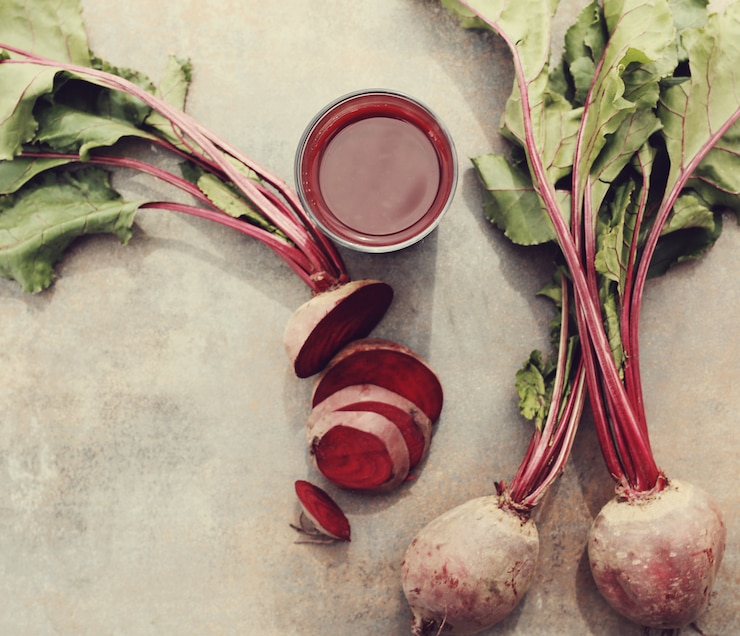
- Juiced — One of the most efficient ways to consume concentrated nitrates. Combine with apple, ginger, or carrot to balance the earthy flavor.
- Pickled/Fermented — Fermented beetroot creates natural probiotics while preserving most antioxidant content. Pickled beets are popular across Eastern Europe, Scandinavia, and increasingly in India.
- Beetroot powder — Convenient supplement form; can be added to smoothies, oatmeal, yogurt, or even baking recipes.
Beetroot in Indian Cuisine
- Beetroot is widely used across India, particularly in South Indian cooking.
- Common preparations include:
- Beetroot poriyal (stir-fried with coconut and mustard seeds)
- Beetroot pachadi (yogurt-based side dish)
- Beetroot halwa (a popular sweet made with ghee, sugar, and cardamom)
- Beetroot raita and beetroot paratha
- Fresh beetroot juice with lemon and jaggery
Global Culinary Traditions
- Ukraine/Russia — Borscht (beetroot soup), svyokolnik (cold beetroot soup)
- Poland — Barszcz czerwony (clear beetroot broth), ćwikła (beetroot-horseradish relish)
- Lithuania — Šaltibarščiai (cold pink beetroot soup with kefir)
- Sweden — Biff à la Lindström (beef patties with beetroot and capers)
- Australia/New Zealand — Sliced beetroot is a standard burger topping
- Northern Germany — Labskaus (corned beef and beetroot hash)
Industrial Uses
- Betanin extracted from beetroot is used commercially as a natural food colorant, labeled as E162. You'll find it in tomato pastes, sauces, ice cream, candy, breakfast cereals, and fruit jams.
- Beetroot is also used to make beet wine — a traditional beverage in parts of Eastern Europe.
Can Beetroot Help With High Cortisol?
There's growing interest in beetroot's potential effect on stress hormones. While direct clinical evidence specifically linking beetroot to cortisol reduction is still limited, there are plausible mechanisms:
- Betalains reduce systemic inflammation, which is linked to elevated cortisol
- Magnesium and potassium in beetroot support the nervous system and help regulate the stress response
- Improved blood flow to the brain via nitric oxide may support better HPA axis function
A small 2020 pilot study found that participants consuming beetroot juice daily for 14 days reported improved subjective stress levels, though cortisol was not directly measured. More robust research is needed before making definitive claims here.
Frequently Asked Questions (FAQ)
What disease is beetroot good for?
- Beetroot has shown benefits for hypertension (high blood pressure), cardiovascular disease, Type 2 diabetes (improved insulin sensitivity), liver disease (hepatoprotective effects), and anemia (iron + folate support). It may also play a supportive role in cancer prevention based on laboratory studies.
- However, beetroot is a food, not a medicine — it should complement medical treatment, not replace it.
What is beetroot called in Urdu?
Beetroot is called چقندر (Chuqandar) in Urdu. It's widely used in South Asian cuisine and traditional medicine systems including Ayurveda and Unani.
What is beetroot called in Malay?
In Malay, beetroot is known as ubi bit or simply beetroot (the English term is commonly used in Malaysian markets and recipes).
Is beetroot juice better than whole beetroot?
Both forms are beneficial. Juice provides more concentrated nitrates per serving and is absorbed faster — ideal for blood pressure or pre-workout use. Whole beetroot provides more dietary fiber (2.8 g per 100 g), which supports gut health and provides slower, more sustained nutrient release. For overall health, a combination of both is ideal.
Does cooking destroy beetroot's nutrients?
- Cooking reduces some water-soluble nutrients (vitamin C, some nitrates leach into water), but betalains are reasonably heat-stable up to moderate temperatures. Roasting preserves more nutrients than boiling. Raw or juiced beetroot retains the most nitrate content.
- Steaming is a good compromise — it retains roughly 80–85% of the original nitrate levels.
Is beetroot powder a good substitute for fresh beetroot?
Yes. Quality beetroot powder retains most of the nitrate, betalain, and mineral content of fresh beetroot. Approximately 1 teaspoon of powder is equivalent to one whole medium beetroot. It's particularly useful for people who travel frequently, dislike the taste, or want consistent dosing.
Final Thoughts
- Beetroot isn't a superfood in the overhyped, marketing-driven sense of the word.
- It's something better — a well-researched, genuinely nutritious vegetable with specific, measurable health benefits backed by clinical evidence. From lowering blood pressure and boosting exercise performance to protecting your liver and supporting brain health, the science behind beetroot is solid and still growing.
- The key is consistency. One glass of beetroot juice won't transform your health overnight.
- But making beetroot a regular part of your diet — whether through daily juice, roasted beets in your meals, or a teaspoon of powder in your morning smoothie — can deliver real, cumulative benefits over time.
- Start with 100–200 g of whole beetroot or 250 mL of juice daily. Track your blood pressure if that's your goal.
- Adjust based on how you feel.
- And if you're on medication — especially for blood pressure or blood thinning — talk to your doctor before making beetroot a daily habit.
Your heart, your muscles, and your brain will thank you for it.
Scientific Sources
- Diet Therapy for Cancer Prevention and Treatment Based on Traditional Persian Medicine — Javadi B, 2018, Nutrition and cancer
- Efficacy and safety of dietary polyphenol supplements for COPD: a systematic review and meta-analysis — Wu D et al., 2025, Frontiers in immunology
- Nutritional and functional potential of Beta vulgaris cicla and rubra — Ninfali P et al., 2013, Fitoterapia
- Presence of higenamine in beetroot containing 'foodstuffs' and the implication for WADA-relevant anti-doping testing — Leaney AE et al., 2023, Drug testing and analysis
- The Effect of Herbal Supplements on Blood Pressure: Systematic Review and Meta-Analysis — Lipert A et al., 2022, Antioxidants (Basel, Switzerland)
- Can Nutrients and Dietary Supplements Potentially Improve Cognitive Performance Also in Esports? — Szot M et al., 2022, Healthcare (Basel, Switzerland)
- High-Altitude Hypoxia Injury: Systemic Mechanisms and Intervention Strategies on Immune and Inflammatory Responses — Zhang J et al., 2025, Antioxidants (Basel, Switzerland)
- Herbal remedies and functional foods used by cancer patients attending specialty oncology clinics in Trinidad — Clement YN et al., 2016, BMC complementary and alternative medicine
- Biological Activity and Phytochemical Characteristics of Star Anise (Illicium verum) Essential Oil and Its Anti-Salmonella Activity on Sous Vide Pumpkin Model — Kačániová M et al., 2024, Foods (Basel, Switzerland)
- Inhibition of scopolamine-induced memory and mitochondrial impairment by betanin — Salimi A et al., 2022, Journal of biochemical and molecular toxicology
- Athletes Perceived Level of Risk Associated with Botanical Food Supplement Use and Their Sources of Information — McDaid B et al., 2023, International journal of environmental research and public health
- Antiradical Activity of Beetroot (Beta vulgaris L.) Betalains — Spiegel M et al., 2021, Molecules (Basel, Switzerland)
- Laxative and purgative actions of phytoactive compounds from beetroot juice against loperamide-induced constipation, oxidative stress, and inflammation in rats — Ayari A et al., 2025, Neurogastroenterology and motility
- Beetroot juice alleviates isoproterenol-induced myocardial damage by reducing oxidative stress, inflammation, and apoptosis in rats — Raish M et al., 2019, 3 Biotech
- Application of alternative medicine in gastrointestinal cancer patients — Nikolić I et al., 2012, Vojnosanitetski pregled
- Reduction of doxorubicin-induced cytotoxicity and mitochondrial damage by betanin in rat isolated cardiomyocytes and mitochondria — Hafez AA et al., 2021, Human & experimental toxicology
- Effects of beetroot (Beta vulgaris) supplements on selective enzymatic and non-enzymatic antioxidants in iron deficiency anemia — Khalid S et al., 2024, Pakistan journal of pharmaceutical sciences
- Beetroot (Beta vulgaris L.) extract ameliorates gentamicin-induced nephrotoxicity associated oxidative stress, inflammation, and apoptosis in rodent model — El Gamal AA et al., 2014, Mediators of inflammation
- Effect of Betanin, the Major Pigment of Red Beetroot (Beta vulgaris L.), on the Activity of Recombinant Human Cytochrome P450 Enzymes — Lim SH et al., 2023, Pharmaceuticals (Basel, Switzerland)
- Synergistic Actions of Natural Compounds for Enhancing Cognitive and Physical Performance: A Narrative Review — Panda R et al., 2026, Cureus
उपयोगकर्ताओं के प्रश्न
How long does it take to see benefits from beetroot juice?
Client_5df3ea
28 दिनों पहले
Beetroot juice can start showing benefits as quickly as within 2 to 3 hours after consumption, particularly for boosting athletic performance due to its high nitrate content, which converts to nitric oxide and helps improve blood flow and reduce oxygen consumption during exercise. For long-term benefits like improved blood pressure, regular consumption over one to two weeks may be needed. However, people with kidney issues or on certain medications should consult their doctor before adding beetroot juice to their diet. Regular monitoring and moderation are key to safe consumption.
How does beetroot consumption affect athletic performance and endurance?
Client_da8c7d
38 दिनों पहले
Consuming beetroot can enhance athletic performance and endurance due to its high nitrate content, which converts to nitric oxide in the body. Nitric oxide helps improve blood flow and oxygen delivery to muscles, which may enhance stamina during exercise. Benefits may be observed within a few hours to several weeks of regular consumption, typically 2-3 hours before a workout. It's recommended to start with about 200-300ml of beetroot juice, but as with any supplement, monitor for any adverse reactions, and consult a doctor if there are significant concerns or you have underlying health conditions.
What are the benefits of beet greens compared to beetroot?
Client_711658
47 दिनों पहले
Beet greens offer several nutritional benefits compared to beetroot. They are higher in iron, calcium, and vitamins A and K. These nutrients support bone health, vision, and blood clotting. Beetroot is rich in dietary nitrates, which can enhance athletic performance and reduce blood pressure; beet greens also contain these compounds but in lower amounts. Both contain antioxidants, but they vary in types, such as betalains in beetroot. Consider incorporating both into your diet for a balanced nutritional profile. If unsure about dietary changes, consult a healthcare professional.
Can beetroot powder be used in baking for health benefits?
Client_b67671
57 दिनों पहले
Yes, beetroot powder can be used in baking and still provide some health benefits. While baking may reduce certain nutrients like vitamin C, beetroot powder retains important compounds such as nitrates, antioxidants, and betalains, which help support heart health and reduce inflammation. When using beetroot powder in recipes, expect an earthy flavor and a rosy hue. If you're aiming for specific health goals, remember that some nutrient loss is inevitable in baking. For supplements or specific health conditions, consulting a healthcare professional is advisable.
Can beetroot help reduce stress levels or improve mood?
Client_79c79e
67 दिनों पहले
Beetroot might help! It's rich in nutrients that could support mood and potentially lower stress. Its nitrates can improve blood flow, which helps calming down the body. Pair it with grounding foods, like carrots, to balance its effects. Diet plays a role, but remember, managing stress involves more than just food—mindfulness and lifestyle balance are key too.
Can I drink beetroot juice every day for health benefits?
Client_7f8ee1
76 दिनों पहले
Sure, you can enjoy beetroot juice daily—just keep it balanced, like everything else. Beetroot's got those nitrates, great for blood pressure and circulation. But watch for any "beeturia," which is just harmless pink pee or poo. If you've got sensitive digestion or IBS, start slow, and notice how your body reacts. 🍏
What is the role of betalains in beetroot and how do they affect inflammation?
Client_a3d2cd
85 दिनों पहले
So betalains in beetroot are these natural pigments giving the deep red color. They’re pretty cool 'cause they help reduce systemic inflammation, which is linked to higher cortisol levels. By doing so, they might help manage stress and inflammation-related conditions. They’re kinda like nature’s little helpers for your body's stress response.
What are the specific health benefits of beetroot for liver detoxification?
Client_bfdca9
94 दिनों पहले
Beetroot is awesome for liver detox because it's packed with antioxidants that help reduce oxidative stress on liver cells. It supports the liver's natural detox processes, thanks to its high content of inorganic nitrates. These play a key role in enhancing blood flow and reducing inflammation, keeping your liver functioning well. Plus, the fiber in beetroots helps with overall gut health, which indirectly benefits the liver too. Hope that helps!
What nutrients are found in beetroot that contribute to heart health?
Client_7e0216
106 दिनों पहले
Beetroot is great for heart health partly because it's full of nitrates. These nitrates help relax and dilate blood vessels, making blood flow better and reducing pressure. Beetroot also have antioxidants, folate, fiber, potassium, they all play a role too! It's a well-rounded package for your heart. Hope that helps!
What are the potential side effects of consuming too much beetroot?
Client_b239ac
116 दिनों पहले
Eating too much beetroot can have a few side effects! Some people might notice a change in the color of their urine or stools (beeturia), which is harmless but can be surprising. Also, for those prone to kidney stones, beets are high in oxalates, which might not be ideal. Always a good idea to enjoy them in moderation, you know? 😊
संबंधित आलेख

Nutrition
पॉइंट कैप्सूल्स के फायदे, खुराक, सामग्री, साइड इफेक्ट्स
पॉइंट कैप्सूल्स के फायदे, खुराक, सामग्री, और साइड इफेक्ट्स की खोज
2,982

Nutrition
सप्तामृत लौह के फायदे, खुराक, सामग्री, साइड इफेक्ट्स
सप्तामृत लौह के फायदे, खुराक, सामग्री, और साइड इफेक्ट्स की जानकारी
6,150
Nutrition
Side Effects of Curd According to Ayurveda: Why It’s Not Always the Health Food You Think
According to Ayurvedic wisdom, curd can disturb digestion, aggravate certain doshas, and create something called “ama” — toxic buildup in the body. And here's the kicker: these side effects aren't instant. They creep up — through fatigue, sinus issues, sk
17,594

Nutrition
Ikshu Rasa: Health and Science of Sugarcane Juice
Explore the health benefits, modern research, and Ayurvedic views on Ikshu Rasa (sugarcane juice), backed by scientific studies and credible medical sources.
7,338

Nutrition
What to Eat After Masturbation? Ayurvedic Foods and Recovery Advice
Wondering what to eat after ejaculating? Discover Ayurvedic foods, drinks, and energy-restoring practices to support recovery after sperm loss or hand practice
32,764

Nutrition
How to Use Sunflower Seeds for Health, Hair, and Weight Management
Discover how to use sunflower seeds for weight loss, hair health, and more. Learn about sunflower seeds uses, recipes, and Ayurvedic benefits
5,070

Nutrition
तरबूज के बीज कैसे खाएं: फायदे और सुरक्षित उपयोग के लिए आयुर्वेदिक गाइड
तरबूज के बीजों को स्वास्थ्य लाभ के लिए कैसे खाएं? जानें तरबूज के बीज खाने, भूनने और इस्तेमाल करने के बेहतरीन तरीके, साथ ही रोजाना सुरक्षित सेवन के लिए आयुर्वेदिक टिप्स।
11,893

Nutrition
Best Noni Juice India: A Comprehensive Health & Buying Guide
Discover the best noni juice in India through scientific insights, top brand comparisons, and expert tips. Learn how noni benefits health and find your ideal choice.
4,788
Nutrition
Vidaryadi Ghritam Uses and Health Benefits in Ayurveda
Learn about the Ayurvedic formulation Vidaryadi Ghritam, its traditional uses, clinical relevance, and benefits for fertility, immunity, and strength.
3,591

Nutrition
Shilapravang Special Benefits, Dosage, Side Effects, Ingredients
Exploration of Shilapravang Special Benefits, Dosage, Side Effects, Ingredients
3,049
विषय से संबंधित परामर्श
अतिरिक्त दस्तावेज़
© 2024 Ask Ayurveda. सर्वाधिकार सुरक्षित।