आयुर्वेदिक डॉक्टर से प्रश्न पूछें और निःशुल्क या भुगतान मोड में अपनी चिंता की समस्या पर ऑनलाइन परामर्श प्राप्त करें। 2,000 से अधिक अनुभवी डॉक्टर हमारी साइट पर काम करते हैं और आपके प्रश्नों का इंतजार करते हैं और उपयोगकर्ताओं को उनकी स्वास्थ्य समस्याओं को हल करने में प्रतिदिन मदद करते हैं।


Body DetoxEar, Nose, and Throat DisordersGeriatrics & RejuvenationImmunodeficiencyInfertility TreatmentNutritionOrthopedic DisordersPediatricsRespiratory DisordersSexually Transmitted Diseases (STDs)Surgery RecoveryUrological DisordersVascular DisordersDental DisordersEndocrinological DisordersGastrointestinal DisordersYoga TherapyGeneral MedicineAllergic DisordersCardio DisordersGynecology and ObstetricsCosmetologySkin and Hair DisordersEye DisordersInfectious DiseasesMental DisordersNeurological DisordersOncologyPanchakarmaSexual Health & DisordersSports Medicine
पर प्रकाशित 11/11/24
(को अपडेट 08/12/26)
3,525
Understanding Amlapitta and Relief

- Amlapitta is the Ayurvedic term for a digestive disorder characterized by excess acidic Pitta in the stomach, leading to heartburn, sour belching, nausea, and epigastric burning. In modern medicine, it closely correlates with conditions like GERD (Gastroesophageal Reflux Disease), chronic gastritis, and hyperacidity.
- First described in detail in the Kashyapa Samhita — one of the oldest Ayurvedic pediatric texts — Amlapitta remains one of the most commonly encountered digestive complaints in clinical Ayurvedic practice today. Epidemiological data suggests that GERD alone affects approximately 7.6–30% of the Indian population, making this condition enormously relevant.
This guide covers everything you need to know: from classical definitions and pathogenesis to types, symptoms, Panchakarma protocols, home remedies, yoga practices, and evidence-based research — all in one place.
What Is Amlapitta?
Etymology and Definition (Amla + Pitta)
The word "Amlapitta" is a compound of two Sanskrit terms: Amla (sour/acidic) and Pitta (one of the three doshas, governing digestion and metabolism). When Pitta undergoes vidagdhata (a state of becoming excessively sour and vitiated), it loses its normal physiological qualities and becomes pathological. This vitiated, hyper-acidic Pitta is called Vidagdha Pitta or Vikrita Pitta.
Acharya Kashyapa defines it as a condition where the ingested food undergoes shukta paka (acidic fermentation) instead of normal digestion, producing symptoms of burning, sourness, and indigestion.
Prakrita vs Vidagdha Pitta
- In its healthy state (Prakrita), Pitta is slightly sour and warm — it's responsible for normal digestion (Pachaka Pitta), appetite, and the transformation of food into absorbable nutrients. When aggravated by improper diet or lifestyle, Pitta becomes excessively acidic — this is Vidagdha Pitta.
- The key difference: Prakrita Pitta digests food properly, while Vidagdha Pitta corrodes the mucosal lining and causes the entire spectrum of Amlapitta symptoms.
Amlapitta in Classical Ayurvedic Texts (Historical References)
Interestingly, neither Charaka Samhita nor Sushruta Samhita describe Amlapitta as a separate disease entity with dedicated chapters. Charaka mentions it indirectly under Grahani Dosha and Vidagdha Ajirna. The Kashyapa Samhita is the first text to provide a comprehensive, standalone description — including etiology, symptoms, and treatment — with special attention to Amlapitta in children (Bala Amlapitta).
Later texts expanded the knowledge significantly:
- Madhava Nidana — detailed classification into Urdhvaga and Adhoga types
- Yoga Ratnakara — specific formulations and dietary guidelines
- Bhaishajya Ratnavali — comprehensive treatment protocols and yogas (formulations)
Amlapitta vs GERD, Gastritis, and Hyperacidity — Modern Correlation
- One of the most common questions is: What is Amlapitta called in English? There's no single exact translation, but the condition overlaps with several modern diagnoses.
- Here's a structured comparison:
| Feature | Amlapitta | GERD | Chronic Gastritis | Functional Dyspepsia | Peptic Ulcer |
|---|---|---|---|---|---|
| Primary pathology | Vidagdha Pitta in Amashaya | Esophageal acid reflux | Stomach mucosal inflammation | No structural cause found | Mucosal ulceration |
| Key symptom | Amlodgara (sour belching) | Heartburn, regurgitation | Epigastric pain, nausea | Early satiety, bloating | Localized burning pain |
| Diagnostic basis | Lakshana (clinical signs) | Endoscopy, pH monitoring | Endoscopy + biopsy | Exclusion diagnosis | Endoscopy |
| Structural damage | Not always specified | Esophagitis possible | Mucosal erosion | Absent | Ulcer present |
| Closest Ayurvedic match | — | Urdhvaga Amlapitta | Amlapitta with Kapha | Agnimandya + Amlapitta | Annadrava Shula / Parinama Shula |
This table clarifies that Amlapitta is a broader clinical entity that can manifest as any of these modern conditions depending on severity, chronicity, and dosha involvement.
Causes of Amlapitta (Nidana)
Aharaja Nidana (Dietary Causes)
Diet is the single biggest factor.
The classical texts list extensive dietary causes:
- Amla Rasa dominant foods — excess sour foods like tamarind, citrus, fermented items (idli, dosa batter kept too long, vinegar-based pickles)
- Vidahi Ahara — food that causes burning sensation during digestion (chillies, mustard, excessive garlic)
- Viruddha Ahara — incompatible food combinations (fish with milk, fruit with meals, hot and cold items together)
- Pitta-aggravating substances — alcohol, excessive salt, fried foods, stale or reheated food
- Irregular meal timing — skipping meals or eating at inconsistent times weakens Jatharagni
- Overeating — especially heavy, oily foods late at night
Viharaja Nidana (Lifestyle Causes)
- Sleeping immediately after meals
- Suppression of natural urges (Vegadharana) — especially vomiting and belching urges
- Day sleeping (Divaswapna), particularly after meals
- Excessive physical exertion immediately after eating
- Smoking and tobacco use
- Prolonged fasting followed by heavy meals
Manasika Nidana (Psychological Causes)
- This is a gap that most resources ignore entirely. Ayurveda recognizes Krodha (anger), Shoka (grief), Bhaya (fear), and Chinta (excessive worry) as direct aggravators of Pitta dosha.
- The connection runs through Sadhaka Pitta — the subtype of Pitta seated in the heart and brain that governs emotional processing. When Sadhaka Pitta is disturbed by chronic stress or emotional turmoil, it directly impacts Pachaka Pitta in the stomach.
Modern research supports this: a 2015 study published in the Journal of Neurogastroenterology and Motility confirmed that psychological stress increases gastric acid secretion and impairs mucosal defense mechanisms through the brain-gut axis.
Seasonal Factors (Ritujanita Nidana)
Amlapitta follows a predictable seasonal pattern:
- Varsha Ritu (Monsoon) — Pitta accumulates (Pitta Chaya) due to the natural seasonal cycle
- Sharad Ritu (Autumn) — accumulated Pitta becomes aggravated (Pitta Prakopa), making this the peak season for Amlapitta flares
- This is precisely why Ayurveda recommends Virechana (therapeutic purgation) during autumn as a preventive measure — it's part of the classical Ritucharya (seasonal regimen)
Pathogenesis of Amlapitta (Samprapti)
Step-by-Step Disease Mechanism
- Understanding the Samprapti helps clinicians intervene at the right stage.
- Here is the complete pathway:
- 1.Nidana Sevana — continuous intake of causative factors (diet, lifestyle, stress)
- 2.Jatharagni Mandya — digestive fire becomes weakened or irregular
- 3.Ama Utpatti — improperly digested food produces Ama (metabolic toxins)
- 4.Pitta Prakopa — Pitta becomes aggravated in its own site (Amashaya/stomach)
- 5.Vidagdhata — the aggravated Pitta undergoes acidic transformation
- 6.Shukta Paka — food ferments acidically instead of undergoing normal digestion
- 7.Pitta-Ama Sammurchhana — the vitiated Pitta combines with Ama, creating a particularly toxic compound that is difficult to treat
- 8.Sthana Samshraya — the pathological process localizes in Amashaya (stomach) and Annavaha/Purishavaha Srotas
- 9.Vyakti — full manifestation of symptoms (Urdhvaga or Adhoga depending on the direction of vitiated Pitta movement)
Role of Jatharagni Mandya
- Jatharagni (the central digestive fire) is the cornerstone. When it functions normally, food is digested completely.
- When weakened — whether by overeating, stress, or seasonal factors — food undergoes incomplete digestion. This half-digested material becomes the substrate for excessive acid production.
- Think of it as a furnace that's not burning hot enough: the fuel (food) smolders and produces smoke (Ama) rather than clean energy.
Pitta-Ama Sammurchhana
This is a critical concept. When Ama (sticky, heavy, cold) combines with Pitta (hot, sharp, liquid), it creates a pathological compound that has mixed qualities — making it resistant to straightforward treatment. You can't simply cool the Pitta (because Ama needs heat to digest) or heat the Ama (because Pitta will flare further). This is why chronic Amlapitta is so stubborn and requires careful, staged treatment.
Samprapti Ghataka (Components of Pathogenesis)
| Component | Involvement |
|---|---|
| Dosha | Pitta (primary), Samana Vayu, Kledaka Kapha |
| Dushya | Rasa Dhatu, Anna Rasa |
| Agni | Jatharagni (Mandya or Vishama) |
| Srotas | Annavaha Srotas, Purishavaha Srotas |
| Srotodushthi | Vimarga Gamana (misdirected flow) |
| Udbhava Sthana | Amashaya (stomach) |
| Adhisthana | Amashaya, Pakvashaya |
| Roga Marga | Abhyantara (internal pathway) |
Signs and Symptoms of Amlapitta (Lakshana)
General Symptoms (Samanya Lakshana)
The cardinal symptoms present regardless of type:
- Avipaka — indigestion, feeling that food is not being digested
- Amlodgara — sour or acidic belching (the hallmark symptom)
- Hrit Daha — burning sensation in the chest/cardiac region
- Kantha Daha — burning in the throat
- Utklesha — nausea, tendency to vomit
- Gaurava — heaviness in the body, especially abdomen
- Aruchi — loss of appetite or distaste for food
- Klama — fatigue without exertion
- Tikta-Amla Udgara — bitter and sour eructation
Symptoms of Urdhvaga Amlapitta
When vitiated Pitta moves upward (Urdhva gati):
- Vomiting of yellowish or greenish fluid
- Bitter or sour taste in the mouth persisting throughout the day
- Heartburn radiating to the throat
- Excessive salivation
- Headache — yes, Amlapitta can cause headache, particularly when associated with Urdhvaga movement and Pitta reaching the head region
Symptoms of Adhoga Amlapitta
When vitiated Pitta moves downward (Adho gati):
- Diarrhea with greenish or yellowish stools
- Burning sensation during defecation
- Excessive thirst
- Burning sensation on skin (Daha)
- Fainting episodes or dizziness in severe cases
- Sweating with burning quality
Symptoms by Dosha Predominance
Vatadhika Amlapitta
Tremors, body aches, astringent taste in the mouth, variable appetite, abdominal distension, irregular bowel movements. The burning sensation comes and goes unpredictably.
Kaphadhika Amlapitta
Heaviness in the body, excessive salivation, sweet taste in mouth, cold clammy skin, vomiting of Kapha-dominant material, loss of appetite. Symptoms are dull and persistent rather than sharp.
Vata-Kaphadhika Amlapitta
Mixed presentation with features of both — the most difficult to treat. Alternating constipation and loose stools, variable appetite, both heaviness and pain, confusion in taste perception.
Types and Classification of Amlapitta
Based on Direction (Urdhvaga vs Adhoga)
This is the primary classification from Madhava Nidana. Urdhvaga Amlapitta is more common and correlates closely with GERD. Adhoga Amlapitta presents more like acid-predominant diarrhea or enteritis.
Based on Dosha Predominance
As described above — Vatadhika, Kaphadhika, and Vata-Kaphadhika. Each requires different treatment strategies; for example, Vatadhika benefits from Snehana (oleation) while Kaphadhika requires Rukshana (drying therapy).
Based on Chronicity (Nava vs Jeerna)
- Nava Amlapitta (acute/recent onset) — generally Sadhya (curable) with proper treatment
- Jeerna Amlapitta (chronic) — Yapya (manageable) or Kashtasadhya (difficult to cure), especially when complicated by Pitta-Ama Sammurchhana
स्वयं दवा न लें और प्रतीक्षा न करें। अभी डॉक्टर से चैट शुरू करें
Prognosis of Amlapitta (Sadhya-Asadhyata)
Curable (Sadhya) Conditions
- Nava (recent onset) Amlapitta
- Single dosha involvement
- Patient follows Pathya (prescribed diet/lifestyle) strictly
- No complications
Manageable (Yapya) Conditions
- Chronic Amlapitta with two-dosha involvement
- Patient has moderate dietary compliance
- Recurrent but responds to treatment each time
Incurable (Asadhya) Conditions
- Tridoshaja Amlapitta (all three doshas involved)
- Chronic cases with severe complications
- Complete non-compliance with dietary restrictions
- Associated with significant Dhatu Kshaya (tissue depletion)
Complications of Untreated Amlapitta (Upadrava)
- No competitor covers this systematically, but it's clinically crucial.
- If Amlapitta is left untreated or poorly managed:
- Annadrava Shula — severe epigastric pain resembling peptic ulcer
- Parinama Shula — pain during digestion of food
- Raktapitta — bleeding disorders (hematemesis, melena — correlating with GI bleeding)
- Pandu — anemia from chronic blood loss or impaired iron absorption
- Kamala — jaundice secondary to impaired hepatic function
- Shotha — edema from protein malabsorption
- Grahani Roga — chronic malabsorption syndrome (similar to IBS)
This progression underscores why early treatment matters.
Ayurvedic Treatment of Amlapitta (Chikitsa)
Principles of Treatment
The fundamental approach follows the rule: treat based on the direction of vitiated Pitta.
- Urdhvaga Amlapitta → Vamana (therapeutic emesis) — expels upward-moving vitiated Pitta
- Adhoga Amlapitta → Virechana (therapeutic purgation) — clears downward-moving Pitta through the bowel
Before either procedure, Shodhana Poorvakarma (preparatory procedures) including Snehana (oleation with medicated ghee) and Swedana (sudation) are essential.
Complete Panchakarma Protocol for Amlapitta
This is a detailed protocol that no competitor provides comprehensively:
Poorvakarma (Preparation — Days 1–5):
- Internal Snehana with Shatavari Ghrita or Mahatiktaka Ghrita in escalating doses (25ml → 50ml → 75ml → until proper Snehana signs appear)
- Abhyanga (oil massage) with Chandanadi Taila
- Bashpa Swedana (steam therapy) — mild, as excess heat aggravates Pitta
Pradhanakarma (Main Procedure — Day 6 or 7):
- For Urdhvaga: Vamana with Madanaphala Yoga + Yashtimadhu Kashaya + Saindhava + warm milk. Typically 4–8 bouts of emesis expected.
- For Adhoga: Virechana with Trivrit Lehya or Avipattikara Churna (5–10g with warm water). 15–20 motions expected for Madhyama Shuddhi.
Paschatkarma (Post-procedure — Days 7–14):
- Samsarjana Krama — graduated diet starting with Peya (thin rice gruel), then Vilepi (thick gruel), Akrita Yusha (plain lentil soup), Krita Yusha (seasoned soup), and finally normal diet
- Duration depends on Shuddhi (purification) grade achieved
Comprehensive List of Classical Formulations for Amlapitta
- No single resource compiles all major formulations from different texts.
- Here they are:
| Formulation | Source Text | Form | Primary Action |
|---|---|---|---|
| Avipattikara Churna | Bhaishajya Ratnavali | Churna (powder) | Pitta Shamana, mild Virechana |
| Shatavari Mandura | Yoga Ratnakara | Mandura (iron-based) | Pitta Shamana + Raktavardhaka |
| Dhatri Lauha | Bhaishajya Ratnavali | Lauha (iron) | Amlapitta with Pandu |
| Kamdudha Rasa | Rasa Tarangini | Rasa Aushadhi | Pitta Shamana, antacid-like |
| Sutashekhara Rasa | Rasa Tarangini | Rasa Aushadhi | Urdhvaga Amlapitta specifically |
| Pravala Pishti | Multiple texts | Pishti (coral calcium) | Cooling, Pitta Shamana |
| Shatavari Ghrita | Kashyapa Samhita | Ghrita | Snehana + Pitta Shamana |
| Mahatiktaka Ghrita | Ashtanga Hridaya | Ghrita | Pitta-Rakta Shodhana |
| Bhunimbadi Kashaya | Sahasrayogam | Kashaya (decoction) | Pitta Shamana, hepatoprotective |
| Lagu Sutashekhara | Rasa Tarangini | Rasa Aushadhi | Milder form for maintenance |
| Baladi Manduram | Kashyapa Samhita | Mandura | Clinically studied for Amlapitta |
| Panchanimbadi Churna | Yoga Ratnakara | Churna | Tikta Rasa dominant, Pitta Shamana |
| Guduchyadi Kashaya | Ashtanga Hridaya | Kashaya | Amlapitta with Jwara |
What Is the Best Ayurvedic Medicine for Amlapitta?
There's no single "best" medicine — it depends on the type, dosha predominance, and chronicity. However, Avipattikara Churna is often considered the first-line formulation for its dual action: Pitta Shamana and mild Virechana. For acute burning, Kamdudha Rasa with Pravala Pishti provides rapid relief. For chronic cases with anemia, Dhatri Lauha or Shatavari Mandura addresses both acid excess and iron deficiency.
In What Conditions Shall Emesis and Purgation Be Given?
- Vamana is indicated when: Amlapitta is of Urdhvaga type, Kapha is associated, patient has good strength (Bala), and there is Utklesha (nausea/tendency to vomit)
- Virechana is indicated when: Amlapitta is of Adhoga type, Pitta predominance is clear, and there is Daha (burning) with loose stools
- Neither should be done in: extremely weak patients, pregnant women, children below 10, elderly above 70, or during active bleeding (Raktapitta)
Evidence-Based Research on Amlapitta Treatments
A 2018 clinical study published in AYU Journal (PMC6153916) evaluated Baladi Manduram in the management of Amlapitta. This was a prospective clinical trial where patients received Baladi Manduram at specific dosages. The study reported statistically significant improvement in symptoms including Amlodgara, Hrit Daha, Avipaka, and Aruchi. The formulation contained ingredients like Bala (Sida cordifolia), Mandura Bhasma (iron calx), Amalaki, Haritaki, and Vibhitaki — combining Pitta Shamana with hematinic properties.
A 2022 pilot study (PMC9700308) explored a prospective, single-center, open-label approach to Amlapitta management, further supporting the efficacy of classical formulations when administered with proper Anupana (adjuvant) and Pathya (diet).
However, a systematic meta-analysis of all clinical trials for Amlapitta treatments remains absent from the literature. Most studies are small, single-center, and open-label. While results are consistently positive, the Ayurvedic research community needs larger, multi-center RCTs with standardized outcome measures to establish stronger evidence.
Home Remedies for Amlapitta (Gharelu Upchar)
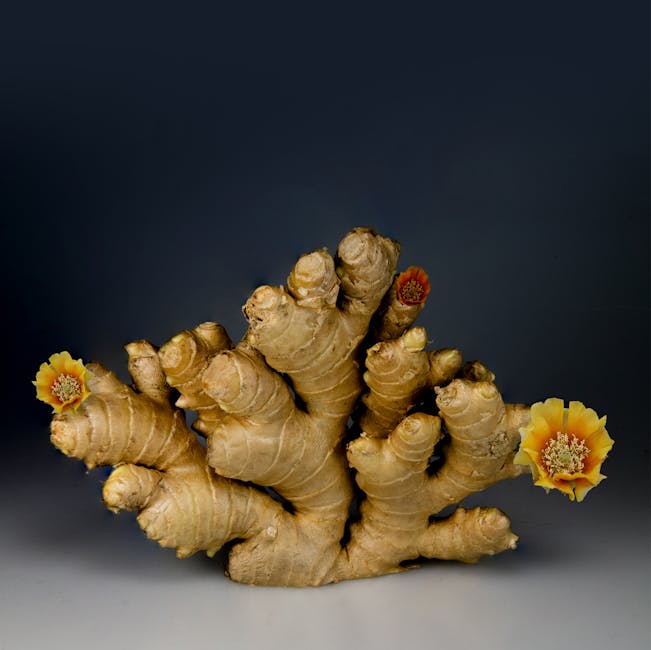
How do you treat Amlapitta at home? For mild cases, these time-tested remedies are effective:
- 1.Shatavari Milk — 1 tsp Shatavari powder in warm milk, taken before bed. Soothes the gastric lining directly.
- 2.Yashtimadhu (Licorice) Water — Soak 1 tsp Yashtimadhu powder in a glass of water overnight. Drink in the morning on empty stomach. Acts as a natural mucosal protectant.
- 3.Amalaki (Indian Gooseberry) Juice — 20ml fresh Amalaki juice with equal water, twice daily. Despite being sour, Amalaki has Madhura Vipaka (sweet post-digestive effect) and is the single best Pitta Shamaka fruit.
- 4.Coconut Water — 200ml fresh tender coconut water between meals. Sheeta Virya (cooling potency) directly counters Pitta.
- 5.Fennel Seed Water — 1 tsp fennel seeds soaked in warm water, sipped after meals. Carminative and Pitta-balancing.
- 6.Gulkand (Rose Petal Preserve) — 1-2 tsp after meals. One of the most effective cooling preparations in Ayurveda.
- 7.Cumin-Coriander-Fennel Tea — Equal parts, 1 tsp total steeped in hot water. A classic tridoshic digestive tea.
Important: Home remedies work for Nava (recent) and mild Amlapitta. If symptoms persist beyond 2 weeks or include vomiting blood, black stools, or significant weight loss, consult a qualified Ayurvedic physician immediately.
Pathya-Apathya: Diet and Lifestyle for Amlapitta
Pathya (Recommended)
Foods:
- Old rice (Purana Shali), barley (Yava), green gram (Mudga)
- Bitter gourd, bottle gourd, ash gourd, pointed gourd (Parval)
- Cow's milk, ghee (especially old ghee — Purana Ghrita)
- Pomegranate, ripe banana, sweet grapes, Amalaki
- Honey (in moderate quantities)
Lifestyle:
- Timely meals — ideally at the same times each day
- Light dinner at least 2 hours before sleeping
- Morning walk in cool air
- Left lateral sleeping position (increases gastric emptying, reduces reflux)
Apathya (Prohibited)
Foods:
- Excessive sour, salty, and pungent foods
- Fermented foods, vinegar, alcohol
- Curd (especially at night), excessive tomatoes
- Tea and coffee on empty stomach
- Stale, reheated, or processed foods
- Urad dal (black gram), kulathi (horse gram)
Lifestyle:
- Sleeping immediately after meals
- Day sleeping
- Suppressing natural urges
- Excessive fasting
- Late night eating
Yoga and Pranayama for Amlapitta
- This is a significant gap in existing resources.
- Specific practices that benefit Amlapitta:
Asanas:
- Vajrasana — the only asana recommended immediately after meals. Improves digestion by increasing blood flow to the digestive organs
- Ardha Matsyendrasana — gentle spinal twist that massages abdominal organs
- Paschimottanasana — forward bend that stimulates Jatharagni
- Supta Baddha Konasana — restorative posture that calms the nervous system and reduces Pitta
- Shavasana — final relaxation, essential for stress-related Amlapitta
Pranayama:
- Sheetali Pranayama — cooling breath, directly reduces Pitta. Inhale through curled tongue, exhale through nostrils. 10-15 rounds.
- Sheetkari Pranayama — alternative cooling breath for those who can't curl the tongue
- Nadi Shodhana (Alternate Nostril Breathing) — balances the autonomic nervous system, reduces stress-induced acid secretion
- Avoid Bhastrika and Kapalabhati during active Amlapitta — these increase Pitta
Meditation: Even 10 minutes of daily mindfulness meditation has been shown to reduce perceived gastric symptoms. A 2017 study in Alimentary Pharmacology and Therapeutics found that mindfulness-based stress reduction significantly improved GERD symptoms compared to standard care alone.
Amlapitta in Children (Bala Amlapitta)
- The Kashyapa Samhita dedicates specific attention to Amlapitta in children — a topic no modern competitor addresses adequately.
- Children are particularly susceptible because:
- Their Jatharagni is still developing (Aparipakva Agni)
- Modern dietary habits (packaged snacks, carbonated drinks, excess chocolate) aggravate Pitta early
- Irregular eating schedules due to school timings
Symptoms in children may present differently: persistent irritability, refusal to eat, recurring vomiting (especially after meals), sour-smelling breath, and disturbed sleep. Treatment considerations:
- Panchakarma procedures like Vamana and Virechana are generally not performed in children below 10 years
- Mild formulations like Shatavari Ghrita (1/4 tsp with warm milk), Gulkand, and Pravala Pishti are preferred
- Dietary correction is the primary intervention
- Kashyapa recommends breast milk as the best Anupana for infants with Amlapitta symptoms
Seasonal Prevention Protocol (Ritucharya for Amlapitta)
| Season | Pitta Status | Preventive Action |
|---|---|---|
| Greeshma (Summer) | Pitta moderately active | Sweet, cooling diet; avoid excessive sun exposure; Shatavari milk |
| Varsha (Monsoon) | Pitta accumulation (Chaya) | Light diet, avoid fermented foods, use ginger with meals |
| Sharad (Autumn) | Pitta aggravation (Prakopa) | Virechana recommended; bitter vegetables; Tikta Ghrita; avoid sour/spicy foods strictly |
| Hemanta (Early Winter) | Pitta returns to normal | Maintain digestive fire with warm foods; ghee-enriched diet |
| Shishira (Late Winter) | Pitta stable | Nutritive diet acceptable; minimal restrictions |
| Vasanta (Spring) | Kapha dominant, Pitta stable | Light fasting, honey, barley — prevents Kapha-associated Amlapitta |
The critical window is the monsoon-to-autumn transition — this is when most Amlapitta flares occur. Prophylactic Virechana during early Sharad Ritu is perhaps the single most effective preventive strategy.
Frequently Asked Questions
What is Amlapitta called in English?
Amlapitta does not have an exact English equivalent. It is most commonly translated as "hyperacidity" or "acid gastritis." Clinically, it correlates with GERD, non-erosive reflux disease, functional dyspepsia, and chronic gastritis — depending on the specific presentation and severity.
What is the use of Amlapitta tablet or syrup?
Several commercial Ayurvedic products labeled "Amlapitta" tablets or syrups are available. These typically contain combinations of Shatavari, Yashtimadhu, Amalaki, Praval Pishti, and other Pitta-Shamaka herbs. They are used for symptomatic relief of acidity, heartburn, and sour belching. Always check for standardization and buy from reputable manufacturers. Consult a qualified Ayurvedic practitioner for proper dosage and duration.
Can Amlapitta cause headache?
Yes. Urdhvaga Amlapitta, where vitiated Pitta moves upward, can cause headache — particularly frontal headache with a burning quality. This is due to Pitta reaching the Shiras (head) through the Urdhvaga Srotas. Classical texts describe this under the Urdhvaga Lakshana. If you're experiencing recurrent headaches with acid reflux, the root cause may well be Amlapitta.
How long does it take to cure Amlapitta?
Nava (acute) Amlapitta with proper treatment and strict Pathya typically resolves within 2–4 weeks. Chronic Amlapitta may require 2–3 months of consistent treatment, dietary modification, and possibly Panchakarma. Tridoshaja or complicated cases may need ongoing management.
Is Amlapitta the same as acidity?
Amlapitta encompasses acidity but is a broader concept. While "acidity" in common parlance refers simply to excess stomach acid, Amlapitta includes the entire disease process — from the causative factors and disturbed Agni to the specific dosha involvement, directional flow of vitiated Pitta, and systemic effects. Understanding it as Amlapitta allows for more targeted and holistic treatment than simply neutralizing acid.
Conclusion
Amlapitta is far more than simple "acidity." It's a complex digestive disorder with well-defined etiology, pathogenesis, classification, and treatment protocols established over thousands of years of Ayurvedic practice. By understanding
Scientific Sources
- Ayurveda management of migraine - a case report — Patil G et al., 2024, Journal of Ayurveda and integrative medicine
- Effectiveness of Ayurveda treatment in Urdhwaga Amlapitta: A clinical evaluation — Meenakshi K et al., 2021, Journal of Ayurveda and integrative medicine
- Anti-inflammatory activity of Guduchi Ghana (aqueous extract of Tinospora Cordifolia Miers.) — Patgiri B et al., 2014, Ayu
- Evaluation of diet and life style in the etiopathogenesis of Urdhwaga Amlapitta (non-ulcer dyspepsia) — Baragi UC et al., 2013, Ayu
- A prospective, single centre, open label, single arm pilot study to evaluate the efficacy and safety of Amlapitta Mishran Suspension in participants with endoscopic gastritis — Shetty YC et al., 2022, Journal of Ayurveda and integrative medicine
- A comparative clinical trial of Chincha kshara and Kadali kshara on Amlapitta — Acharya S et al., 2011, Ayu
- Antiulcer activity of Amlapitta Mishran suspension in rats: A pilot study — Vemula SK et al., 2012, Ancient science of life
- Ayurvedic management of achalasia — Rastogi S et al., 2015, Journal of Ayurveda and integrative medicine
- A comparative study of efficacy of Tugaksheeree [Curcuma angustifolia Roxb. and Maranta arundinacea Linn.] in management of Amlapitta(https://pubmed.ncbi.nlm.nih.gov/22048544/) — Rajashekhara N et al., 2010, Ayu
- Standardization and quality control parameters of Dashanga Kwatha ghana tablet: An Ayurvedic formulation — Baragi UC et al., 2011, International journal of Ayurveda research
- Clinical evaluation of the efficacy of Dashanga Kwatha Ghana Vati in the management of Urdhwaga Amlapitta (Non-ulcer dyspepsia) — Baragi UC et al., 2012, Ayu
- Effect of Asparagus racemosus (Shatavari) on gastric emptying time in normal healthy volunteers — Dalvi SS et al., 1990, Journal of postgraduate medicine
- A comparative clinical study of Jethimala (Taverniera nummularia Baker.) and Yashtimadhu (Glycyrrhiza glabra Linn.) in the management of Amlapitta — Prajapati SM et al., 2015, Ayu
उपयोगकर्ताओं के प्रश्न
What dietary changes can help manage Amlapitta effectively?
Client_66d61b
28 दिनों पहले
To effectively manage Amlapitta, which involves symptoms like acidity, dietary changes are crucial. Focus on eating smaller, more frequent meals to reduce stress on your digestive system. Avoid spicy, oily, and acidic foods, as these can exacerbate symptoms. Incorporate cooling foods like cucumbers, melons, and leafy greens, which can help soothe the digestive tract. Ginger and licorice may also offer relief due to their anti-inflammatory properties. While Ayurvedic concepts like Agni are mentioned in literature, practical dietary adjustments are supported by general gastrointestinal health principles. If symptoms persist or worsen, consult a healthcare professional for evaluation and personalized advice.
How can Yashtimadhu water benefit digestive health?
Client_9baa3f
38 दिनों पहले
Yashtimadhu water, made by soaking licorice powder overnight, can benefit digestive health by soothing the gastric lining and reducing inflammation in the stomach. It is particularly useful for conditions like gastritis or indigestion by calming the stomach's mucous membranes. For most people, improvements can be noticed over a few weeks of regular consumption, but individual results may vary. Look out for side effects such as elevated blood pressure, especially if consumed in large quantities. Consult a healthcare provider if you experience persistent digestive issues.
How long should I take Amlapitta syrups for effective relief?
Client_9780c4
48 दिनों पहले
Take Amlapitta syrups as directed by the manufacturer or your healthcare provider, typically for a period ranging from a few weeks to a couple of months. These syrups aim to alleviate symptoms of hyperacidity and acid-related issues such as GERD or chronic gastritis. Start with the recommended dose on an empty stomach in the morning. Monitor for symptom improvement within 2-4 weeks, but if symptoms persist or worsen, consult a doctor. Be cautious of side effects like any changes in digestion or allergic reactions, and stop use if these occur.
How does dietary fiber impact Amlapitta symptoms and digestion?
Client_50ae69
57 दिनों पहले
Dietary fiber impacts Amlapitta, often equated with acid reflux or hyperacidity, by promoting better digestion and regular bowel movements, which can help reduce the occurrence of symptoms. High-fiber foods like whole grains, fruits, and vegetables help normalize bowel function and can decrease acid regurgitation by reducing pressure on the stomach. However, some high-fiber foods may aggravate symptoms in sensitive individuals, so personal tolerance levels should be considered. Persistent or severe symptoms warrant consultation with a healthcare provider to rule out more serious conditions.
Is it safe to drink warm water in the morning for managing Amlapitta?
Client_7d0b0a
67 दिनों पहले
Yes, drinking warm water in the morning can be quite beneficial for managing Amlapitta. It helps calm the digestive system, flush toxins, and balance the agni, your digestive fire. Just make sure to sip rather than gulp, and do pay attention to your personal constitution and dosha balance. If anything feels off, you might wanna consult with a practitioner for personalized guidance.
What is the role of Anupana in treating Amlapitta effectively?
Client_e37fd9
77 दिनों पहले
Anupana plays a key role in making treatments more effective by acting as a carrier that enhances absorption and helps target the specific dosha imbalance, like Pitta in Amlapitta. It helps balance Agni (digestive fire) and supports the efficacy of herbal formulations. Choosing the right Anupana can really improve the results of the treatment.
What causes Amlapitta and how can it impact overall health?
Client_19eccb
86 दिनों पहले
Amlapitta is caused by an imbalance in the Pitta dosha, particularly when it becomes too "amla" or acidic. This can be from poor diet, stress, or lifestyle habits. It impacts health by causing symptoms like heartburn, indigestion, and a sour taste. Over time it might affect overall digestion, leading to discomfort. Balancing Pitta through diet and lifestyle changes can help manage it.
What are the specific symptoms of Amlapitta related to appetite and digestion?
Client_0eb9e9
95 दिनों पहले
Amlapitta symptoms related to appetite and digestion can include avipaka (impaired digestion), aruchi (loss of appetite), and variable appetite. These symptoms may also be accompanied by alternating constipation and loose stools. So, keep an eye out for these digestive fluctuations and consult your Ayurvedic practitioner for personalized guidance!
What triggers hyperacidity and how can I prevent it from occurring?
Client_eeec09
105 दिनों पहले
Hyperacidity is usually triggered by spicy, oily foods, stress, and irregular eating habits. So try to avoid those spicy meals and eat on a regular schedule. Prevention includes, mindful eating, managing stress through meditation and yoga, and maybe even some ginger tea! It's about finding what your body needs so you can balance your agni and keep things smooth.
Can I use licorice root daily for managing my hyperacidity symptoms safely?
Client_bfb2b7
115 दिनों पहले
You can use licorice root for hyperacidity, but daily use isn't recommend for everyone. It's generally safe in moderation, but it can raise blood pressure or affect potassium levels if overused. Listen to your body and check with a healthcare practitioner to see if it's fine for you. How's your overall diet and lifestyle? They play a big role too!
संबंधित आलेख

Gastrointestinal Disorders
गैस कम करने के तरीके: प्राकृतिक उपाय और दैनिक आदतें
घर पर उपलब्ध उपायों, खाद्य पदार्थों और योग के जरिए गैस और पेट फूलने की समस्या को प्राकृतिक तरीके से कैसे कम करें, इसके बारे में जानें। ये उपाय आपको तुरंत राहत, लंबे समय तक पाचन स्वास्थ्य और पेट की बेहतर आरामदायक स्थिति प्रदान कर सकते हैं।
3,621

Gastrointestinal Disorders
Jalodarari Ras – Ayurvedic Medicine for Fluid Retention & Swelling
Explore the benefits of Jalodarari Ras, an Ayurvedic remedy used for managing fluid retention, swelling, and supporting kidney health. Learn how this powerful medicine works.
3,397

Gastrointestinal Disorders
कुटज पर्पटी वटी के फायदे, खुराक, साइड इफेक्ट्स, सामग्री
कुटज पर्पटी वटी के फायदे, खुराक, साइड इफेक्ट्स और सामग्री की जानकारी
3,221

Gastrointestinal Disorders
पतोला मूलादी कषायम के फायदे, खुराक, साइड इफेक्ट्स, सामग्री
पतोला मूलादी कषायम के फायदे, खुराक, साइड इफेक्ट्स, और सामग्री की खोज
2,006

Gastrointestinal Disorders
हर्बोलैक्स कैप्सूल
हर्बोलैक्स कैप्सूल की खोज
3,222
Gastrointestinal Disorders
Laghu Soota Mishrana: The Ayurvedic Solution for Holistic Health
Laghu Soota Mishrana is an Ayurvedic formulation designed to alleviate digestive and respiratory ailments while promoting overall balance in the body.
3,116

Gastrointestinal Disorders
High Creatinine Treatment in Ayurveda – Natural Remedies for Kidney Health
xplore Ayurvedic treatments for high creatinine levels, focusing on natural remedies, lifestyle changes, and herbs that support kidney function and overall health.
6,329

Gastrointestinal Disorders
How to Cure IBS Permanently: Ayurvedic Approach to Digestive Relief
How to cure IBS permanently? Learn Ayurvedic approaches to irritable bowel syndrome, including diet, lifestyle and herbal remedies for lasting digestive balance
2,826
Gastrointestinal Disorders
Panchavalkala Kwatha Churna: Benefits, Dosage & Ayurvedic Insights
Explore the benefits, proper dosage, uses, and Ayurvedic foundations of Panchavalkala Kwatha Churna, a traditional herbal powder for digestive and overall health.
6,631
Gastrointestinal Disorders
Ayurvedic Treatment for Gastritis: A Real Talk on Gut Healing
Let’s not sugarcoat it—gastritis sucks. Whether it hits you like a slow burn or drops you with sudden, stabbing upper-abdominal pain, it’s no walk in the park. Technically speaking, gastritis is inflammation of the stomach lining. But if you’ve dealt with
3,682
विषय से संबंधित परामर्श
अतिरिक्त दस्तावेज़
© 2024 Ask Ayurveda. सर्वाधिकार सुरक्षित।