मुफ्त! आयुर्वेदिक डॉक्टरों से पूछें 24/7

 तेज़ प्रतिक्रियाएँ
 1000+ सत्यापित डॉक्टर
Syphilis Treatment in Ayurveda: Natural Healing & Effective Remedies
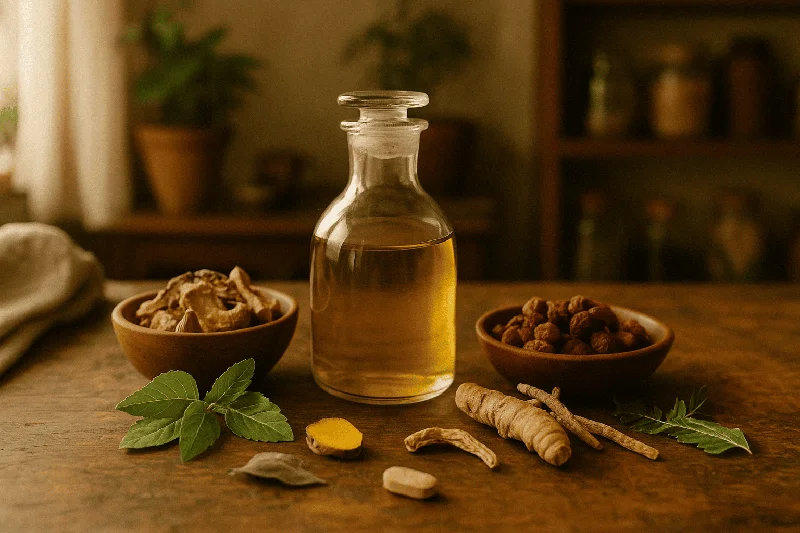
Syphilis treatment in Ayurveda centers on the concept of Firanga Rog — a condition described in classical Ayurvedic texts that closely mirrors the pathology of syphilis as understood in modern medicine. Ayurveda addresses this disease through herbal formulations (including Rasaushadhi or herbo-mineral preparations), Panchakarma detoxification, dietary regulation, and lifestyle modifications aimed at correcting the vitiation of all three doshas (Vata, Pitta, and Kapha) and restoring Ojas (vital immunity).
Critical disclaimer: Syphilis is caused by the bacterium Treponema pallidum and, if left untreated with evidence-based antibiotics (primarily penicillin), can progress to life-threatening complications including neurosyphilis and cardiovascular damage. Ayurvedic therapies should be considered complementary to — never a replacement for — standard antibiotic treatment. Always consult a qualified medical professional before making treatment decisions.
This guide is the most comprehensive resource available on Ayurvedic approaches to syphilis, covering classical textual references, specific formulations, Panchakarma protocols, dietary guidelines, safety during pregnancy, and a transparent comparison of Ayurvedic and allopathic approaches — topics no other source has brought together in one place.
What Is Syphilis? Understanding the Disease
Syphilis is a sexually transmitted disease (STD) caused by the spirochete bacterium Treponema pallidum. It's been a major public health concern for centuries, and despite the availability of effective antibiotic treatment since the mid-20th century, it remains prevalent worldwide. According to WHO estimates, approximately 7.1 million new cases of syphilis occur globally each year.
The disease is sometimes called "the great imitator" because its symptoms can resemble those of many other conditions, making clinical diagnosis challenging without laboratory testing.
Causes of Syphilis (Treponema pallidum)
- The sole causative agent is Treponema pallidum subspecies pallidum.
- This bacterium is extremely fragile — it cannot survive long outside the human body. It penetrates through micro-abrasions or breaks in the skin and mucous membranes, entering the bloodstream and lymphatic system. Once inside the body, it can affect virtually every organ system if the infection is allowed to progress.
How Syphilis Spreads (Modes of Transmission)
The primary modes of transmission include:
- Direct sexual contact — vaginal, anal, or oral sex with an infected partner who has active syphilitic lesions (chancres or mucous patches)
- Vertical transmission — from an infected mother to her unborn child during pregnancy or delivery (congenital syphilis)
- Direct contact with syphilitic sores — non-sexual contact with active lesions, though this is uncommon
- Blood transfusion — extremely rare in modern settings due to screening protocols
Myths About Syphilis Transmission
A common misconception is that syphilis can spread through casual contact.
It cannot be transmitted through:
- Toilet seats, doorknobs, or swimming pools
- Sharing utensils, clothing, or towels
- Hugging or shaking hands
- Coughing or sneezing
Understanding these facts is important because stigma and misinformation often delay diagnosis and treatment.
Stages of Syphilis and Their Symptoms
- Syphilis progresses through four distinct stages, each with characteristic symptoms.
- Recognizing these stages is crucial for timely intervention — whether through conventional medicine, Ayurvedic support, or both.
Primary Syphilis (Chancre Stage)
The hallmark of primary syphilis is the chancre — a single, firm, round, painless ulcer that appears at the site where T. pallidum entered the body. It typically develops 10–90 days after exposure (average 21 days). The chancre is highly infectious but heals on its own within 3–6 weeks, often leading people to mistakenly believe they've recovered.
Secondary Syphilis (Systemic Symptoms)
If untreated, secondary syphilis develops 4–10 weeks after the chancre appears.
Symptoms are systemic and include:
- Skin rash — often on the palms of the hands and soles of the feet
- Mucous membrane lesions (condylomata lata)
- Fever, fatigue, and general malaise
- Swollen lymph nodes (lymphadenopathy)
- Unexplained weight loss
- Patchy hair loss (alopecia)
- Headaches and muscle aches
These symptoms also resolve without treatment, but the infection moves into the latent phase.
Latent Syphilis (Hidden Stage)
During latent syphilis, there are no visible symptoms, but serological tests remain positive. This stage is divided into early latent (less than 1 year) and late latent (more than 1 year or unknown duration). The disease can remain latent for years or even decades.
Tertiary Syphilis (Late-Stage Complications)
Approximately 15–30% of untreated individuals develop tertiary syphilis, which can occur 10–30 years after initial infection. This stage involves severe, potentially fatal damage to multiple organ systems including the brain, nerves, eyes, heart, blood vessels, liver, bones, and joints. Gummatous lesions (granulomatous inflammation) are characteristic of this stage.
Complications of Untreated Syphilis
The consequences of leaving syphilis untreated are severe and, in some cases, irreversible. This is precisely why Ayurvedic practitioners must work alongside conventional medical providers when managing this condition.
Neurosyphilis and Cardiovascular Damage
Neurosyphilis can occur at any stage of infection and manifests as:
- Syphilitic meningitis (headache, stiff neck, cranial nerve dysfunction)
- Meningovascular syphilis (stroke-like symptoms)
- General paresis (progressive dementia, personality changes)
- Tabes dorsalis (posterior column degeneration, ataxic gait, lancinating pains)
- Hearing loss and visual disturbances
Cardiovascular syphilis typically appears 10–30 years after initial infection and includes aortitis, aortic aneurysm, and aortic regurgitation. These complications can be fatal.
Congenital Syphilis (Mother-to-Child Transmission)
Untreated syphilis during pregnancy can lead to devastating outcomes: stillbirth, neonatal death, low birth weight, and congenital syphilis in surviving infants. Congenital syphilis can cause bone deformities, anemia, jaundice, neurological problems, and the characteristic "Hutchinson's triad" (interstitial keratitis, Hutchinson's teeth, and eighth nerve deafness).
Syphilis and HIV Co-Infection Risk
Syphilitic chancres and mucosal lesions significantly increase the risk of acquiring and transmitting HIV. Studies have shown that syphilis can increase the risk of HIV acquisition by 2–5 times. The genital ulceration disrupts mucosal barriers and recruits CD4+ T cells to the site — the very cells HIV targets.
Syphilis in Ayurveda: The Concept of Firanga Rog
Ayurveda recognized a syphilis-like condition long before germ theory was established. The term Firanga Rog (also spelled Phiranga Roga) literally translates to "the foreign disease," reflecting its historical association with European contact in India.
Ayurvedic Understanding of Syphilis (Tridosha Vitiation)
According to Ayurvedic pathology, Firanga Rog arises from the vitiation of all three doshas — Vata, Pitta, and Kapha — along with the corruption of Rakta dhatu (blood tissue) and Mamsa dhatu (muscle tissue). The disease is understood as a Raktaja Vikara (blood-borne disorder) with deep-seated toxicity (Ama) that progressively affects multiple dhatus (tissues) as it advances through the stages.
- Vata vitiation → pain, neurological symptoms, tissue degeneration
- Pitta vitiation → ulceration, inflammation, fever, skin rash
- Kapha vitiation → swelling, discharge, glandular enlargement, mucous patches
The progressive involvement of deeper dhatus — from Rasa (plasma) to Majja (nerve/marrow tissue) — mirrors the clinical progression from primary to tertiary syphilis.
Syphilis in Classical Ayurvedic Texts (Bhavaprakash, Bhaishajya Ratnavali)
Firanga Rog is described in several classical Ayurvedic texts, though it's a relatively "newer" addition compared to ancient Vedic conditions:
- Bhavaprakash Nighantu (16th century) — provides one of the earliest Ayurvedic descriptions of Firanga Rog, noting its transmission through sexual contact and its progressive nature
- Gadanigraha — describes the clinical features and treatment protocols including Shodhana (purification) therapies
- Bhaishajya Ratnavali — contains detailed formulations for Firanga Rog, particularly Rasaushadhi (mercurial-mineral) preparations, which interestingly parallels the historical use of mercury in European syphilis treatment
These texts describe the disease in terms remarkably consistent with modern clinical staging, reinforcing the sophistication of Ayurvedic clinical observation.
Nidana (Causative Factors) According to Ayurveda
The Nidana (etiological factors) described in Ayurvedic literature include:
- Asatmya Maithuna (inappropriate sexual contact) — the primary cause
- Dushita Artava/Shukra Samparka (contact with infected reproductive fluids)
- Raktadushti (blood vitiation through direct contact with infected lesions)
- Mandagni (weakened digestive fire) and accumulated Ama (toxins) as predisposing factors that lower immunity
Samprapti (Pathogenesis) of Firanga Rog
The Samprapti (pathogenesis) follows a predictable pattern:
- Entry of the causative factor through the genital tract or skin
- Vitiation of Rakta dhatu and Rasa dhatu
- Spread through Srotas (body channels) to deeper tissues
- Progressive involvement of Mamsa, Asthi (bone), and Majja dhatus
- Destruction of Ojas (vital immunity), leading to systemic collapse in advanced cases
This understanding directly informs the multi-layered Ayurvedic treatment approach.
Ayurvedic Treatment Approaches for Syphilis
The Ayurvedic management of Firanga Rog follows a comprehensive protocol that addresses both symptom relief and root-cause correction. Treatment is tailored to the stage of disease, the patient's Prakriti (constitution), and the predominant dosha vitiation.
Key Ayurvedic Herbs for Syphilis (Firanga Rog)
Several herbs have been traditionally used and some have emerging research supporting their antimicrobial and immunomodulatory properties:
| Herb | Sanskrit/Ayurvedic Name | Key Properties | Role in Firanga Rog |
|---|---|---|---|
| Neem | Nimba | Antibacterial, blood purifier, anti-inflammatory | Rakta Shodhana (blood purification); a 2016 study in Asian Pacific Journal of Tropical Biomedicine confirmed neem's broad-spectrum antibacterial activity |
| Turmeric | Haridra | Anti-inflammatory, antimicrobial, wound healing | Reduces ulceration and inflammation; curcumin shows activity against spirochetal organisms in vitro |
| Kutki | Katuka | Hepatoprotective, immunomodulatory | Supports liver function during detoxification; corrects Pitta vitiation |
| Indian Sarsaparilla | Sariva | Blood purifier, cooling, anti-syphilitic | Traditionally considered specific for Firanga Rog; the primary ingredient in Sarivadyasava |
| Garlic | Lasuna | Antimicrobial, immune-boosting | Allicin demonstrates broad antibacterial properties; supports Vata correction |
| Triphala | Triphala | Detoxification, antioxidant, mild laxative | Aids elimination of Ama; supports Agni (digestive fire) |
| Manjistha | Manjistha | Blood purifier, lymphatic cleanser | One of the most potent Rakta Shodhaka (blood-purifying) herbs in Ayurveda |
| Guduchi | Guduchi (Giloy) | Immunomodulator, Rasayana | Enhances Ojas, supports immune recovery |
Note: While these herbs show promising antimicrobial and immunomodulatory activity, no clinical trial has yet demonstrated their efficacy specifically against Treponema pallidum in human subjects. The research supporting their use is largely based on in vitro studies and traditional clinical experience.
Classical Rasaushadhi (Herbo-Mineral) Formulations
This is an area no other online resource has adequately covered. Classical Ayurvedic texts prescribe several Rasaushadhi preparations — herbo-mineral formulations often containing processed mercury (Parada), sulfur (Gandhaka), and other minerals — specifically for Firanga Rog:
- Rasa Manikya — an arsenic-based preparation used in advanced stages under strict supervision
- Makaradhwaja — a gold-mercury preparation known for its Rasayana (rejuvenative) and Balya (strengthening) properties
- Saptavimshatika Guggulu — a Guggulu-based formulation mentioned in Bhaishajya Ratnavali for Firanga Rog management
- Gandhaka Rasayana — purified sulfur preparation with potent antimicrobial action
- Sarivadyasava — a fermented liquid preparation primarily containing Sariva, used as an adjunct for blood purification
- Khadirarishta — an Aristha preparation useful for skin manifestations and blood purification
⚠️ Important safety note: Rasaushadhi formulations contain heavy metals that require precise purification (Shodhana) processes. They must only be taken under the direct supervision of a qualified Ayurvedic physician (BAMS or MD Ayurveda). Self-medication with these preparations can cause serious toxicity.
Panchakarma Therapies for Firanga Rog
Panchakarma — Ayurveda's fivefold detoxification system — plays a central role in the management of Firanga Rog:
Virechana (Therapeutic Purgation)
Virechana is considered the primary Shodhana therapy for Firanga Rog due to the dominant Pitta-Rakta involvement. It helps eliminate accumulated toxins from the blood and liver, reduces Pitta aggravation, and prepares the body for subsequent herbal therapy. Virechana is typically performed after proper Snehana (oleation with medicated ghee) and Swedana (sudation) procedures.
Raktamokshana (Therapeutic Bloodletting)
- Given that Firanga Rog is fundamentally a Raktaja Vikara (blood-borne disease), Raktamokshana is specifically indicated.
- Methods include Jalaukavacharana (leech therapy) — which is preferred for Pitta-predominant conditions — and Pracchana (controlled scarification). This procedure aims to remove vitiated blood and improve circulation to affected tissues.
Supportive Panchakarma Procedures
- Vamana (Therapeutic Emesis) — when Kapha is predominantly vitiated (mucosal patches, glandular swelling)
- Basti (Medicated Enema) — particularly in advanced stages with Vata involvement (neurological symptoms)
Dietary Recommendations (Pathya-Apathya)
- Diet is a foundational pillar of Ayurvedic treatment.
- For Firanga Rog:
Foods to include (Pathya):
- Whole grains — old rice (Purana Shali), barley, wheat
- Fresh vegetables — bitter gourd (Karavellaka), drumstick (Shigru), bottle gourd
- Fruits — pomegranate, amla (Indian gooseberry), grapes
- Green gram (Mudga Dal) — easy to digest and Pitta-pacifying
- Adequate water and herbal teas (cumin-coriander-fennel tea)
Foods to avoid (Apathya):
- Spicy, oily, and fried foods (aggravate Pitta and Rakta)
- Sour and fermented foods
- Alcohol and tobacco
- Excessive salt and sugar
- Non-vegetarian food, especially red meat, during active treatment
Lifestyle and Rasayana (Rejuvenation) for Immunity
Restoring Ojas — the vital essence of immunity in Ayurveda — is essential for recovery:
- Yoga and Pranayama — gentle practices like Shavasana, Anuloma Viloma, and Bhramari pranayama to reduce stress and support immune function
- Adequate rest — the body repairs during sleep; 7–8 hours is recommended
- Abstinence from sexual activity during active treatment
- Rasayana therapy — after the acute phase, herbs like Ashwagandha, Guduchi, Amalaki, and Shatavari are used to rebuild strength and immunity
- Mental health support — meditation and counseling, as the psychological impact of STD diagnosis can be significant
Home Remedies for Syphilis Symptom Relief
While home remedies cannot cure syphilis, certain preparations can provide symptomatic relief when used alongside medical treatment.
Neem Leaf Decoction for External Application
Boil 20–30 fresh neem leaves in 500 ml of water until the volume reduces to half. Allow it to cool and use this decoction to wash the affected areas (chancres, skin lesions). Neem's antibacterial and anti-inflammatory properties can help keep lesions clean, reduce secondary infection, and promote healing.
Turmeric Root Wash
Prepare a decoction using 10 grams of fresh turmeric rhizome (crushed) in 200 ml of water. Boil for 10 minutes, strain, and use as a warm wash for syphilitic ulcers. Curcumin's wound-healing and antimicrobial properties support local tissue recovery.
Triphala Kashaya (Decoction) for Internal Detoxification
Soak 1 tablespoon of Triphala churna in a glass of warm water overnight. Strain and drink in the morning on an empty stomach. This supports digestive fire, aids toxin elimination, and acts as a gentle blood purifier.
Remember: These are supportive measures only — not standalone treatments.
Ayurvedic vs Allopathic Treatment: An Honest Comparison
- No resource online has provided a transparent comparison of these two approaches.
- Here's what patients need to know:
| Parameter | Allopathic (Modern Medicine) | Ayurvedic |
|---|---|---|
| Primary treatment | Penicillin G (90–100% cure rate in early stages) | Herbal + herbo-mineral formulations, Panchakarma |
| Evidence base | Extensive clinical trials, WHO-recommended | Traditional textual evidence, limited clinical trials |
| Speed of action | Rapid bacterial clearance (single injection can treat primary/secondary syphilis) | Gradual; requires weeks to months of consistent therapy |
| Monitoring | Serological tests (RPR, VDRL, FTA-ABS) with clear criteria for cure | Clinical assessment of symptoms and dosha balance |
| Side effects | Jarisch-Herxheimer reaction, penicillin allergy | Generally well-tolerated; Rasaushadhi carries heavy metal risk if improperly prepared |
| Holistic benefits | Limited to infection clearance | Addresses immunity, digestion, mental health, overall constitution |
| Availability | Widely available, inexpensive | Requires qualified Ayurvedic physician; Rasaushadhi not universally available |
When to Use Ayurveda as Complementary Therapy
Ayurvedic treatment works best as a complement in the following scenarios:
- Post-antibiotic recovery — rebuilding immunity and addressing residual symptoms after penicillin treatment
- Chronic/recurrent cases — where immune support and constitutional correction are needed
- Managing side effects — of prolonged antibiotic therapy (gut dysbiosis, fatigue)
- Prevention of recurrence — through Rasayana therapy and lifestyle optimization
When Antibiotic Treatment Is Non-Negotiable
There are situations where delaying or avoiding antibiotics is genuinely dangerous:
- Pregnancy — untreated syphilis causes stillbirth, neonatal death, or congenital syphilis
- Neurosyphilis — requires IV penicillin; no Ayurvedic alternative has demonstrated efficacy
- Cardiovascular syphilis — organ damage is irreversible without prompt treatment
- HIV co-infection — accelerated disease progression demands immediate antibiotic intervention
Syphilis During Pregnancy: Ayurvedic Considerations
This is a critical gap in existing literature. Pregnant women with syphilis face unique challenges, and the safety of Ayurvedic interventions during pregnancy must be carefully evaluated.
Safe Ayurvedic measures during pregnancy:
- Mild Rasayana herbs like Shatavari and Guduchi (considered Garbhini Paricharya — safe for pregnancy in classical texts)
- External application of neem and turmeric decoctions on skin lesions
- Dietary modification and gentle lifestyle practices
Ayurvedic measures to AVOID during pregnancy:
- All Rasaushadhi (herbo-mineral preparations) containing mercury, arsenic, or lead
- Panchakarma procedures — especially Virechana, Vamana, and Raktamokshana
- Strong purgative herbs like Kutki in high doses
Non-negotiable: Penicillin remains the only proven treatment to prevent congenital syphilis. A single dose of Benzathine Penicillin G 2.4 million units IM can prevent mother-to-child transmission. No Ayurvedic treatment should delay or replace this.
Prognosis and Expected Duration of Ayurvedic Treatment
Another area where existing resources fall short. While individual outcomes vary based on disease stage, patient constitution, and compliance, here are general timelines based on traditional clinical experience:
| Stage | Expected Duration of Ayurvedic Support | Realistic Outcome |
|---|---|---|
| Primary syphilis | 4–8 weeks of herbal therapy + Panchakarma | Symptom resolution; best results when combined with antibiotics |
| Secondary syphilis | 2–4 months | Significant symptom improvement; constitutional recovery |
| Latent syphilis | 3–6 months of Rasayana + blood purification | Focus on immune restoration and prevention of progression |
| Tertiary syphilis | 6–12+ months | Damage management; cannot reverse structural organ damage |
These timeframes are for Ayurvedic complementary therapy, not standalone treatment. Antibiotic therapy typically achieves bacterial clearance much faster.
Prevention of Syphilis: The Ayurvedic Perspective
Prevention in Ayurveda goes beyond barrier methods (though condom use is absolutely essential) to encompass a broader vision of sexual health and immunity.
Ojas Enhancement and Rasayana Therapy
- Ojas is the subtle essence of all dhatus — the foundation of immunity in Ayurveda. Strong Ojas creates natural resistance to infections.
- Rasayana practices for Ojas enhancement include:
- Regular consumption of Chyawanprash (Amalaki-based Rasayana)
- Ashwagandha and Shatavari for reproductive health
- Adequate sleep and stress management
- Sattvic diet emphasizing fresh, whole foods
- Brahmacharya — mindful sexual conduct (not necessarily abstinence, but conscious, healthy sexual practices)
Practical Prevention Measures
- Consistent condom use with new or untested partners
- Regular STD screening, especially for high-risk groups
- Open communication with sexual partners about STD status
- Avoiding sexual contact during active syphilitic lesions
- Prompt treatment if exposed or diagnosed — early treatment prevents transmission
Frequently Asked Questions (FAQ)
How long should I wait after syphilis treatment to resume sexual activity?
After completing antibiotic treatment, most guidelines recommend waiting at least 7 days after a single-dose injection (for primary/secondary syphilis) before resuming sexual activity. If you're also undertaking Ayurvedic therapy, your practitioner may recommend a longer period of abstinence — typically until Rasayana therapy has adequately restored Ojas and tissue health. Follow-up serological testing at 6 and 12 months confirms treatment success.
When was the cure for syphilis discovered?
The modern cure for syphilis was discovered in 1943 when penicillin was first used to treat the disease, following Alexander Fleming's earlier discovery of penicillin in 1928. However, Ayurvedic texts had described treatments for Firanga Rog centuries earlier — Bhavaprakash Nighantu (16th century) documented herbal and mineral protocols, though these were not "cures" in the modern sense of complete bacterial eradication.
Can doxycycline be used as syphilis treatment?
Yes, doxycycline (100 mg orally twice daily for 14 days for early syphilis) is an alternative for patients with penicillin allergy. However, it is considered less effective than penicillin, particularly for neurosyphilis and during pregnancy. In Ayurvedic practice, patients on doxycycline may benefit from concurrent probiotic and digestive support (like Triphala or fermented preparations) to mitigate antibiotic-related gut disturbance.
Is syphilis treatment different for men and women?
The antibiotic treatment protocol is the same for both men and women. However, women face the additional risk of transmitting syphilis to their unborn child. From an Ayurvedic perspective, treatment may differ slightly based on the patient's constitution (Prakriti) and predominant dosha — women may receive more Pitta-pacifying and Rakta-purifying therapies, while treatment in men may emphasize Vata correction if neurological symptoms predominate.
Can Ayurveda effectively cure syphilis on its own?
Honestly, no — at least not with the level of evidence available today. While Ayurvedic texts describe complete management protocols for Firanga Rog, and traditional practitioners report clinical successes, there are no randomized controlled trials demonstrating that Ayurvedic treatment alone can reliably eliminate Treponema pallidum. The safest approach is to use Ayurveda as a powerful complementary therapy alongside proven antibiotic treatment.
What is the history of syphilis cure?
Before penicillin, syphilis was treated with mercury compounds (interestingly paralleling Ayurvedic Rasaushadhi), arsenic-based Salvarsan (1910 by Paul Ehrlich), and bismuth preparations. The discovery of penicillin in the 1940s revolutionised treatment. In Ayurveda, the treatment of Firanga Rog evolved through the Mughal and colonial periods, with formulations documented in texts like Bhaishajya Ratnavali and Gadanigraha.
Conclusion: An Integrated Approach Is the Wisest Path
Syphilis treatment in Ayurveda offers a rich, time-tested framework for managing Firanga Rog — from blood purification and dosha correction to Panchakarma detoxification and Rasayana-based immune restoration. The classical formulations described in Bhavaprakash, Bhaishajya Ratnavali, and Gadanigraha represent centuries of accumulated clinical wisdom that deserves both respect and rigorous scientific investigation.
But wisdom also means honesty. Syphilis is a serious, potentially fatal infection. Penicillin cures it with near-100% efficacy in early stages. No Ayurvedic treatment has demonstrated equivalent bactericidal action in controlled clinical settings.
- The smartest approach? Integrate both systems. Use antibiotics to clear the infection. Use Ayurveda to rebuild immunity, restore tissue health, correct constitutional imbalances, and prevent recurrence.
- This is not a compromise — it is the fullest expression of healing.
If you suspect syphilis or have been diagnosed, consult both a dermatologist/venereologist and a qualified Ayurvedic physician (BAMS/MD Ayurveda). Get tested, get treated, and then let Ayurveda do what it does best: help your body heal completely, from the inside out.
Scientific Sources
- Maternal health, supraja (eugenics) and ayurveda — Nanal VV et al., 2008, Ancient science of life
- Integrative Skin Care: Dermatology and Traditional and Complementary Medicine — Bodeker G et al., 2017, Journal of alternative and complementary medicine (New York, N.Y.)
- A review on traditional practice of tooth brushing in Ayurveda and its relevance in current era — Devi D et al., 2019, Journal of complementary & integrative medicine
- Tantraguna - The ancient criteria for scientific writing — Vyas VHA, 2016, Ayu
- A Literature Review of the Integration of Ancient Indian Mythology in Clinical Medicine: A Holistic Approach to Health and Healing — Pondomatti SC et al., 2024, Cureus
- Traditional Indian medicine (TIM) and traditional Korean medicine (TKM): aconstitutional-based concept and comparison — Kang YM et al., 2017, Integrative medicine research
- The use and safety of non-allopathic Indian medicines — Gogtay NJ et al., 2002, Drug safety
- Principles, methods and importance of literary research in the history of Ayurveda — Ali M, 1991, Bulletin of the Indian Institute of History of Medicine (Hyderabad)
- An update on Ayurvedic herb Convolvulus pluricaulis Choisy — Agarwa P et al., 2014, Asian Pacific journal of tropical biomedicine
- Yoga at Primary Health Centers - A Pathway to Holistic Health: Narrative Review — Gupta P, 2024, International journal of yoga
- Phytochemical portfolio and anticancer activity of Murraya koenigii and its primary active component, mahanine — Samanta SK et al., 2018, Pharmacological research
- Fundamental principles of ayurveda part - 1 — Pandya VN, 1982, Ancient science of life
- Curcuma Longa (turmeric): from traditional applications to modern plant medicine research hotspots — Tian WW et al., 2025, Chinese medicine
- Exploring Ayurvedic Knowledge on Food and Health for Providing Innovative Solutions to Contemporary Healthcare — Payyappallimana U et al., 2016, Frontiers in public health
- Successful Management of Severe Low Back Pain with Ayurveda in Lumbar Spondylosis: A Case Report — Kulkarni SP et al., 2024, Journal of pain & palliative care pharmacotherapy
- Management of herpes zoster in Ayurveda through medicinal leeches and other composite Ayurveda Treatment — Nakanekar A et al., 2020, Journal of Ayurveda and integrative medicine
- Nano-ayurvedic medicine and its potential in cancer treatment — Lopus M, 2023, Journal of integrative medicine
- Evolution of dietary preferences and the innate urge to heal: Drug discovery lessons from Ayurveda — Shrungeswara AH et al., 2019, Journal of Ayurveda and integrative medicine
- Repurposing potential of Ayurvedic medicinal plants derived active principles against SARS-CoV-2 associated target proteins revealed by molecular docking, molecular dynamics and MM-PBSA studies — Kumar Verma A et al., 2021, Biomedicine & pharmacotherapy = Biomedecine & pharmacotherapie
- Traditional systems of medicine — Shankar K et al., 2004, Physical medicine and rehabilitation clinics of North America
आयुर्वेदिक डॉक्टर से एक प्रश्न पूछें और मुफ़्त या सशुल्क मोड में अपनी चिंता की समस्या पर ऑनलाइन परामर्श प्राप्त करें।
2,000 से अधिक अनुभवी डॉक्टर हमारी साइट पर काम करते हैं और आपके प्रश्नों की प्रतीक्षा करते हैं और प्रतिदिन उपयोगकर्ताओं को उनकी स्वास्थ्य समस्याओं को हल करने में मदद करते हैं।
