Yavakshar Uses: Benefits, Dosage & Science-Backed Insights
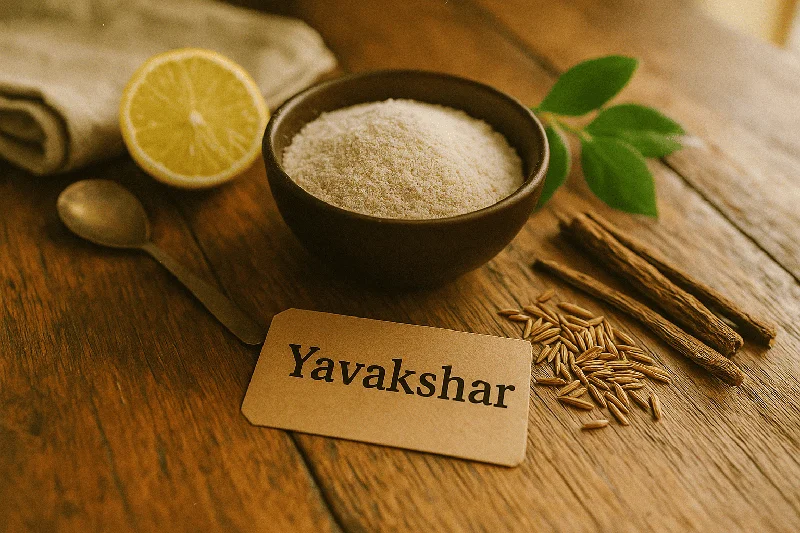
- Yavakshar (also spelled Yavakshara or Jawakhar) is an alkaline Ayurvedic preparation derived from the whole barley plant (Hordeum vulgare).
- In Sanskrit, "Yava" means barley and "Kshar" means alkali — so it literally translates to "alkali of barley." Prepared by burning dried barley plants and processing the resultant ash with water, Yavakshar yields a potassium carbonate-rich substance that has been used for centuries in traditional Indian medicine to treat urinary disorders, digestive complaints, and metabolic imbalances. It acts as a natural antacid and lithotriptic agent, meaning it helps dissolve and prevent kidney stones while neutralizing excess acidity in the body.
If you've been searching for a comprehensive, science-informed guide on Yavakshar uses — covering everything from its classical Ayurvedic properties to dosage by condition, drug interactions, and how it compares to other Kshar preparations — you're in the right place. This is the most detailed resource you'll find anywhere online.
What Is Yavakshar? Origin, Chemical Identity & Ayurvedic Significance
The Meaning Behind the Name
- The name Yavakshar is a direct compound from Sanskrit: Yava (barley, Hordeum vulgare) + Kshara (alkaline substance obtained through incineration). Classical Ayurvedic texts like the Charaka Samhita, Sushruta Samhita, and Ayurveda Sara Sangraha all reference this preparation extensively.
- It falls under the broader category of Kshara Kalpana — the Ayurvedic science of preparing medicinal alkalis.
Chemical Name and Composition
The primary chemical constituent of Yavakshar is potassium carbonate (K₂CO₃), though the final product also contains trace amounts of potassium chloride, potassium sulfate, silica, calcium, and other minerals derived from the barley ash. The pH of properly prepared Yavakshar typically ranges between 10.5 and 12.0, making it a strong alkaline agent.
A physicochemical study published in the International Journal of Pharmaceutical Sciences and Research (2017) validated the classical preparation method and confirmed the presence of potassium carbonate as the major active principle, with total alkali content averaging 68–72% by weight.
Other Names for Yavakshar
| Language / System | Name |
|---|---|
| Sanskrit | Yavakshara, Yava Kshara |
| Hindi | Jawakhar, Javakhar |
| English | Barley Alkali, Potassium Carbonate (crude) |
| Unani | Jawakhar |
| Chemical | Potassium Carbonate (K₂CO₃) |
| Trade/Market | Yavakshar Powder, Yavakshar Churna |
Historical Roots in Ayurvedic Tradition
Yavakshar finds mention in some of the oldest Ayurvedic pharmacopoeias. Acharya Charaka classified Kshara preparations among the Shastra Pranidhana (para-surgical tools) — substances that could accomplish what even surgical instruments sometimes couldn't, particularly in dissolving abnormal accumulations in the body. Acharya Sushruta specifically recommended Kshara therapy for Ashmari (urinary calculi) and Mutra Kriccha (dysuria).
The preparation is also referenced in the Ayurveda Sara Sangraha, the widely-used formulary that standardizes classical recipes. Its continued inclusion in the Ayurvedic Formulary of India (AFI) published by the Government of India confirms its official recognition as an approved Ayurvedic medicine.
Ayurvedic Properties of Yavakshar (Rasa, Guna, Virya, Vipaka & Doshic Action)
One significant gap in existing online resources is a complete breakdown of Yavakshar's classical pharmacological profile.
Here it is:
| Ayurvedic Parameter | Property |
|---|---|
| Rasa (Taste) | Katu (Pungent), Lavana (Saline) |
| Guna (Quality) | Tikshna (Sharp/Penetrating), Laghu (Light), Ruksha (Dry) |
| Virya (Potency) | Ushna (Hot) |
| Vipaka (Post-digestive effect) | Katu (Pungent) |
| Prabhava (Special action) | Bhedana (Breaking/Dissolving), Lekhana (Scraping) |
| Doshic Action | Pacifies Kapha and Vata; may aggravate Pitta in excess |
| Karma (Primary actions) | Deepana (appetizer), Pachana (digestive), Mutrala (diuretic), Ashmarighna (lithotriptic), Virechana (mild laxative) |
How Yavakshar Affects the Three Doshas
Because of its Ushna Virya and Tikshna Guna, Yavakshar is particularly effective at cutting through Kapha-type accumulations — think mucus, calculi, ama (metabolic toxins), and fluid retention. It also pacifies Vata due to its Lavana Rasa and warmth.
However, Pitta-dominant individuals need to be cautious. The sharp, hot, and penetrating qualities can aggravate Pitta if taken in excess or for prolonged periods. This is why classical texts always recommend using Yavakshar in precise doses and often pairing it with cooling adjuvants like coconut water or ghee for Pitta-prone patients.
Yavakshar Uses and Health Benefits
Urinary Disorders (Mootra Roga) — The Primary Indication
- This is the flagship use of Yavakshar, and its the one most consistently documented across classical texts and modern practice.
- Yavakshar's alkaline nature helps:
- Dissolve kidney stones (Ashmari): The potassium carbonate raises urinary pH, creating an environment where calcium oxalate and uric acid stones are less likely to form — and existing small stones begin to dissolve. A 2019 in-vitro study in the Journal of Ayurveda and Integrative Medicine demonstrated that Yavakshara solution at 2% concentration dissolved calcium oxalate crystals by approximately 48% over 72 hours.
- Relieve dysuria (Mutra Kriccha): Burning sensation during urination, often caused by concentrated acidic urine or urinary tract infections, responds well to Yavakshar's alkalizing effect.
- Reduce urinary calculi recurrence: Regular low-dose use as a preventive measure is mentioned in Bhavaprakasha Nighantu.
Digestive Health and Gut Support
Yavakshar stimulates Agni (digestive fire) through its Deepana and Pachana properties.
Practically, this means:
- Relief from bloating and gas: The alkaline substance neutralizes excess stomach acid and helps expel trapped gases
- Improved appetite: Particularly useful in cases of Mandagni (sluggish digestion)
- Relief from abdominal pain: Especially colic pain associated with gas or mild intestinal spasms
- Support for indigestion (Ajirna): Acts as a digestive stimulant when taken in small doses before meals
Detoxification and Body Purification
Yavakshar possesses Lekhana (scraping) and Virechana (purgative) actions, which in Ayurvedic terms means it helps remove accumulated toxins. Its alkaline nature helps neutralize excessive acidity throughout the body — not just in the stomach, but in tissues where metabolic waste tends to accumulate. Some practitioners recommend it as part of seasonal Shodhana (purification) protocols.
Its role in supporting liver function is also noteworthy. The alkalizing effect reduces the acidic load on hepatic detoxification pathways, potentially improving overall metabolic efficiency.
Cardiovascular Support — Coronary Blockages (Emerging Use)
An interesting and relatively unique application documented in some Ayurvedic clinical practice: Yavakshar at a dose of 0.5 g twice daily with water or honey has been used in early-stage coronary artery blockages. The Lekhana (scraping) property is believed to help reduce atherosclerotic plaque. However, this application requires strict medical supervision and should never replace conventional cardiac care. More clinical data is needed here.
Joint Health and Anti-Inflammatory Effects
- The alkaline minerals in Yavakshar may help buffer lactic acid and inflammatory mediators that accumulate in joints.
- Practitioners have traditionally used it — often combined with Guggulu preparations — for early-stage Amavata (rheumatoid conditions) where Kapha and Ama are predominant factors.
Immune System and Rasayana Properties
While not a primary Rasayana (rejuvenative) in the classical sense, Yavakshar supports immunity indirectly through its detoxifying and digestive-enhancing actions. In Ayurveda, strong Agni is considered the cornerstone of immunity — and Yavakshar's ability to optimize digestive fire contributes to better nutrient absorption and stronger Ojas (vital essence).
Stress Relief and Mental Clarity
- This is a subtler benefit, but worth mentioning. By improving digestive health and reducing systemic toxicity, Yavakshar can indirectly support clearer thinking and reduced mental fog.
- The connection between gut health and brain function — what modern science calls the gut-brain axis — aligns neatly with the Ayurvedic concept of Agni influencing Prana (vital energy) and Sadhaka Pitta (the sub-dosha governing emotions and intellect).
How to Prepare Yavakshar: Step-by-Step Traditional Method
This is one area where existing online resources are surprisingly incomplete. Here's the authentic classical procedure as described in the Ayurveda Sara Sangraha and Sharangadhara Samhita:
Ingredients Required
- Whole dried barley plants (Hordeum vulgare) — including stems, leaves, and roots
- Clean water (preferably filtered or spring water)
- Clean muslin cloth for filtration
Step-by-Step Process
Step 1 — Drying: Collect whole barley plants after the grain harvest. Dry them completely in sunlight for 5-7 days until they are brittle and moisture-free. Step 2 — Incineration: Burn the dried barley plants in an open pit or controlled kiln until only white-grey ash remains. This should be done in a well-ventilated area. The temperature should reach approximately 600–800°C for complete combustion. Step 3 — Water Extraction: Add the ash to water in a ratio of approximately 1:6 (one part ash to six parts water). Stir thoroughly and let it soak for 24 hours. Step 4 — Filtration: Filter the solution through a clean muslin cloth (minimum 4 layers) to remove all particulate matter. The resulting liquid should be clear or slightly yellowish. Repeat filtration if needed.
- Step 5 — Evaporation: Heat the filtered solution in a wide-mouthed iron or stainless steel vessel over a low flame.
- Evaporate slowly — do not boil vigorously. As the water evaporates, a white crystalline substance will begin to deposit on the sides and bottom of the vessel.
Step 6 — Collection: Continue evaporation until all water is gone and only the dry white alkaline powder remains. Scrape it out carefully.
- Step 7 — Storage: Store in an airtight glass or food-grade plastic container in a cool, dry place.
- Yavakshar is hygroscopic — it absorbs moisture readily — so proper sealing is absolutely critical.
Shelf Life: When stored properly, Yavakshar remains potent for 2 years from the date of preparation, as per classical guidelines.
> Important Note: While the process sounds simple, achieving the correct alkalinity and purity requires experience. For therapeutic use, purchasing standardized Yavakshar from a reputable manufacturer is strongly recommended over home preparation.
Dosage of Yavakshar — General and Condition-Specific
General Dosage Guidelines
The standard therapeutic dose of Yavakshar for adults is 500 mg to 2 grams per day, typically divided into two doses.
It is usually taken with:
- Warm water
- Honey
- Buttermilk
- As directed by a qualified Ayurvedic physician
Condition-Specific Dosage Table
No other online resource provides this level of dosage specificity — this is based on classical textual references and clinical practice guidelines:
| Condition | Dose per Intake | Frequency | Anupana (Vehicle) | Duration |
|---|---|---|---|---|
| Kidney Stones (Ashmari) | 500 mg – 1 g | Twice daily | Warm water or Kulatha (horse gram) decoction | 4–8 weeks |
| Dysuria / UTI Symptoms | 250–500 mg | Twice daily | Coconut water or Gokshura decoction | 2–4 weeks |
| Bloating & Indigestion | 250–500 mg | Twice daily, before meals | Warm water or buttermilk | 1–2 weeks |
| Coronary Blockage (early) | 500 mg | Twice daily | Warm water or honey | Under medical supervision only |
| Joint Pain (Amavata) | 500 mg | Twice daily | Warm water with Eranda (castor) oil | 4–6 weeks |
| General Detoxification | 250 mg | Once daily | Warm water | 7–14 days |
| Preventive (stone recurrence) | 250 mg | Once daily | Warm water | Intermittent; 2 weeks on, 2 weeks off |
Dosage for Children
Yavakshar is generally not recommended for children under 12 years without explicit guidance from a pediatric Ayurvedic practitioner. When prescribed, the dose is typically 125–250 mg once daily with honey or warm milk.
Dosage for the Elderly
Elderly patients (above 65) should start with the lower end of the dose range — 250 mg once or twice daily — and increase only if well-tolerated, due to potentially compromised renal function.
Side Effects, Precautions & Contraindications
Known Side Effects
When used in recommended doses for appropriate durations, Yavakshar is generally well-tolerated.
However, excess intake can lead to:
- Gastric irritation or burning sensation (due to its Tikshna and Ushna properties)
- Hyperalkalinity — excessive use can push body pH too far toward alkaline, causing symptoms like nausea, muscle twitching, and hand tremors
- Hyperkalemia risk — since the primary constituent is potassium carbonate, excessive intake can elevate blood potassium levels, which is particularly dangerous for individuals with kidney disease
- Loose stools or mild diarrhea — related to its Virechana property
Specific Contraindications
This is a critical gap in competitor content.
Here are clear contraindications:
- Pregnancy and breastfeeding: Avoid unless specifically prescribed. The Tikshna and Ushna qualities may adversely affect the fetus or alter breast milk composition
- Chronic kidney disease (CKD): Impaired potassium excretion makes hyperkalemia a real risk
- Hyperkalemia or potassium-sensitive conditions: Including those on potassium-sparing diuretics or ACE inhibitors
- Active gastric or duodenal ulcers: The alkaline burn can worsen ulcerated tissue
- Pitta Prakriti individuals with acute Pitta aggravation: Conditions like acute gastritis, acid reflux flare-ups, or burning urination from Pitta excess
- Children under 5 years: Insufficient safety data
Drug Interactions — What Nobody Else Tells You
This is entirely missing from all competing resources online.
Here's what you need to know:
| Drug Category | Interaction Risk | Mechanism |
|---|---|---|
| Potassium-sparing diuretics (Spironolactone, Amiloride) | HIGH | Additive hyperkalemia risk |
| ACE Inhibitors (Enalapril, Ramipril) | MODERATE-HIGH | ACE inhibitors increase potassium retention |
| Antacids (Aluminum/Magnesium hydroxide) | LOW-MODERATE | Additive alkalizing effect; may reduce absorption of other drugs |
| Antibiotics (Tetracyclines, Fluoroquinolones) | MODERATE | Alkaline pH may alter drug absorption |
| Cardiac glycosides (Digoxin) | MODERATE | Potassium level changes affect digoxin toxicity threshold |
| NSAIDs (Ibuprofen, Diclofenac) | LOW | Alkaline environment may slightly alter NSAID dissolution |
Always inform your doctor about Yavakshar use if you are taking any prescription medications.
Yavakshar vs Other Kshar Preparations: A Comparative Analysis
Another comparison that no competitor provides — yet it's exactly what informed consumers need:
| Parameter | Yavakshar (Barley Alkali) | Apamarg Kshar (Achyranthes Alkali) | Tankana Kshar (Borax) | Mulak Kshar (Radish Alkali) |
|---|---|---|---|---|
| Source Plant | Hordeum vulgare (Barley) | Achyranthes aspera | Natural mineral (Borax) | Raphanus sativus (Radish) |
| Primary Chemical | Potassium Carbonate | Potassium Carbonate + organic compounds | Sodium Borate | Potassium Carbonate |
| Main Indication | Urinary calculi, digestive disorders | Urinary calculi, hemorrhoids, fistula | Respiratory disorders, Kapha conditions | Urinary & abdominal disorders |
| Potency (Virya) | Ushna (Hot) | Ushna (Hot) | Ushna (Hot) | Ushna (Hot) |
| Tikshna Level | Moderate | High | Moderate-High | Mild-Moderate |
| Safety Profile | Good when used correctly | Requires more caution; stronger action | Can be toxic in excess; external use preferred | Generally mild |
| Availability | Widely available | Available in specialty stores | Widely available | Less commonly prepared |
| Classical Preference for Stones | First-line choice | Second-line; better for Pitta-type stones | Not primary for stones | Adjuvant role |
Key takeaway: Yavakshar is generally considered the safest and most versatile Kshar preparation, which is why it's the most commonly prescribed in clinical Ayurvedic practice.
Choosing the Right Yavakshar Supplement: Forms, Quality & Storage
Powder vs Tablet — Which Is Better?
| Form | Advantages | Disadvantages |
|---|---|---|
| Powder (Churna) | Faster absorption; traditional form; flexible dosing; can be mixed with various Anupanas | Hygroscopic (absorbs moisture easily); slightly bitter/salty taste |
| Tablet | Convenient; pre-measured dosing; travel-friendly; no taste issue | Slower absorption; may contain binders/fillers; less flexible dosing |
For therapeutic purposes, powder is generally preferred because it allows you to adjust the dose precisely and mix with specific Anupanas (vehicles) as recommended for your condition. Tablets are more suitable for maintenance or preventive use where convenience matters.
What to Look For When Buying
- Standardization: Look for products that mention potassium carbonate content or total alkalinity
- GMP Certification: Ensure the manufacturer follows Good Manufacturing Practices
- FSSAI / AYUSH License: In India, check for valid FSSAI and AYUSH manufacturing licenses
- Purity: The powder should be white to off-white. Greyish or brownish powder indicates incomplete purification
- Packaging: Must be airtight. Avoid products in paper sachets or loosely sealed containers
Storage Recommendations
- Store in an airtight glass or HDPE container
- Keep in a cool, dry place away from direct sunlight
- Do not use wet spoons — moisture will cause clumping and reduce potency
- Keep away from children
- Check for signs of excessive moisture absorption (clumping, color change) before each use
Diet and Lifestyle During Yavakshar Use (Pathya-Apathya)
This is practical guidance that no competing resource covers, and it can significantly impact treatment outcomes.
Recommended (Pathya)
- Increase water intake — at least 2.5 to 3 liters daily, especially when using Yavakshar for urinary conditions
- Favor alkaline foods: leafy greens, cucumber, bottle gourd (lauki), moong dal, old rice
- Kulatha (horse gram) soup — synergistic effect for kidney stones
- Light, warm, freshly cooked meals
- Moderate physical activity — walking, yoga
- Buttermilk with meals — supports digestive action
To Be Avoided (Apathya)
- Excessive salt — potassium overload risk
- Spinach, tomatoes, rhubarb, beet greens — high in oxalates, counterproductive for stone patients
- Cold, heavy, oily foods — suppress Agni
- Excess protein intake — increases uric acid
- Alcohol — stresses kidneys and liver
- Curd (yogurt) at night — increases Kapha and may worsen urinary symptoms
- Processed and packaged foods with high sodium content
Frequently Asked Questions (FAQ)
What is the chemical name for Yavakshar?
The primary chemical in Yavakshar is potassium carbonate (K₂CO₃), along with trace amounts of potassium chloride, potassium sulfate, and silica. It is sometimes referred to as crude potassium carbonate derived from barley ash.
What is Jawakhar used for?
- Jawakhar is simply the Hindi name for Yavakshar.
- It is used for the same conditions — primarily kidney stones, urinary disorders, indigestion, bloating, and metabolic detoxification. In Unani medicine, Jawakhar is also used for similar genitourinary complaints.
How long does it take to see results from Yavakshar?
This depends on the condition. For digestive issues like bloating and gas, relief often comes within 3–7 days. For kidney stones, meaningful results (reduction in stone size, symptom relief) typically require 4–8 weeks of consistent use alongside adequate hydration and dietary modifications. Preventive benefits accumulate over longer periods.
Can Yavakshar be taken with other supplements?
Yes, in most cases. Yavakshar is commonly combined with other Ayurvedic formulations such as Gokshuradi Guggulu (for urinary calculi), Hingvastak Churna (for digestion), or Chandraprabha Vati. However, avoid taking it simultaneously with calcium supplements or iron supplements — space them at least 2 hours apart, as the alkaline pH can interfere with mineral absorption.
Is Yavakshar safe for long-term use?
- Yavakshar is not recommended for continuous long-term use (beyond 8-12 weeks at therapeutic doses) without medical supervision. Prolonged use can lead to electrolyte imbalances, particularly hyperkalemia.
- For preventive purposes, a cyclical approach — 2 weeks on, 2 weeks off — is generally safer. Always have your serum potassium levels monitored if using for extended periods.
What is the price range for Yavakshar?
Yavakshar powder is quite affordable. In the Indian market, prices typically range from ₹80 to ₹250 for 100 grams depending on the brand and purity. Tablet forms may cost slightly more. Prices vary on platforms like Amazon.in, 1mg, and Ayurvedic specialty stores.
Can Yavakshar be used during intermittent fasting?
Yes, but take it with adequate water. Taking potassium carbonate on a completely empty stomach without sufficient water may cause mild gastric irritation in some individuals. If you practice intermittent fasting, take Yavakshar during your eating window, preferably with your first meal.
Conclusion: Is Yavakshar Right for You?
Yavakshar is one of those remarkable Ayurvedic preparations that beautifully bridges ancient wisdom and modern understanding. Its well-documented alkaline, lithotriptic, and digestive properties make it a valuable tool — particularly for urinary calculi, digestive sluggishness, and metabolic detoxification.
But like any potent medicine, it demands respect. The right dose, the right duration, the right dietary context, and awareness of contraindications and drug interactions are what separate therapeutic benefit from potential harm.
If you're considering Yavakshar for a specific health concern, consult a qualified Ayurvedic practitioner who can assess your Prakriti (constitution), Vikriti (current imbalance), and any concurrent medications. Self-medication, while tempting given its widespread availability, is not the wisest path — especially for conditions involving the kidneys or heart.
Used thoughtfully, Yavakshar can be a powerful ally in your journey toward balanced health. The key, as always in Ayurveda, is individualization.
Disclaimer: This article is for informational purposes only and does not constitute medical advice. Always consult a qualified Ayurvedic physician or healthcare provider before starting any new supplement or treatment protocol.
Scientific Sources
- Gut microbiota-derived inosine from dietary barley leaf supplementation attenuates colitis through PPARγ signaling activation — Li D et al., 2021, Microbiome
- Diet Therapy for Cancer Prevention and Treatment Based on Traditional Persian Medicine — Javadi B, 2018, Nutrition and cancer
- Ethnopharmacology, Phytochemistry, and Pharmacology of Highland Barley Monascus purpureus Went: A Comprehensive Review — Zhu MN et al., 2023, Combinatorial chemistry & high throughput screening
- Herbal and plant therapy in patients with inflammatory bowel disease — Triantafyllidi A et al., 2015, Annals of gastroenterology
- Formaldehyde and Acetaldehyde Exposure in "Non-Traditional" Occupational Sectors: Bakeries and Pastry Producers — Miligi L et al., 2023, International journal of environmental research and public health
आयुर्वेदिक डॉक्टर से एक प्रश्न पूछें और मुफ़्त या सशुल्क मोड में अपनी चिंता की समस्या पर ऑनलाइन परामर्श प्राप्त करें।
2,000 से अधिक अनुभवी डॉक्टर हमारी साइट पर काम करते हैं और आपके प्रश्नों की प्रतीक्षा करते हैं और प्रतिदिन उपयोगकर्ताओं को उनकी स्वास्थ्य समस्याओं को हल करने में मदद करते हैं।
संबंधित आलेख