Ayurvedic Treatment for Joint Pain After Chikungunya: Natural Relief and Recovery
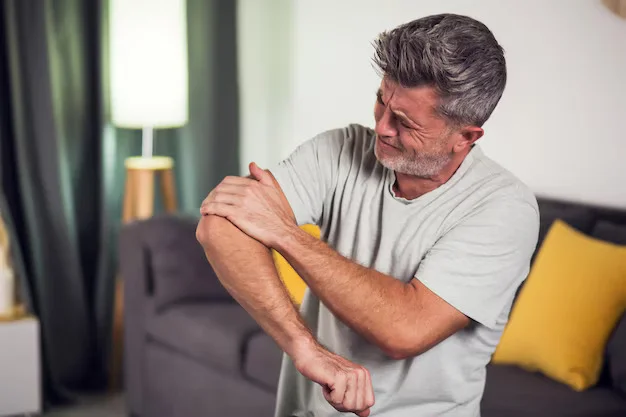
- Joint pain after chikungunya can persist for months or even years after the fever subsides. Studies show that 30% to 70% of chikungunya patients develop chronic joint pain that lasts well beyond the acute infection.
- If you're reading this, chances are the virus is gone — but the pain stayed. This article covers exactly why that happens, how long you can expect it to last, which treatments actually work, and what you can do right now to start feeling better.
Chikungunya gets its name from the Makonde language of East Africa, meaning "that which bends up" — a reference to the stooped posture patients adopt because of severe joint pain. The name tells you everything you need to know about this disease's signature symptom.
What Is Chikungunya and Why Does It Target Your Joints?
Chikungunya is a viral infection transmitted primarily by Aedes aegypti and Aedes albopictus mosquitoes — the same species responsible for spreading dengue and Zika. First identified in Tanzania in 1952, the virus has since spread across Southeast Asia, the Indian subcontinent, Africa, and parts of the Americas.
How Chikungunya Virus Spreads
The transmission cycle is straightforward: an infected mosquito bites a human, injects the virus into the bloodstream, and the virus rapidly replicates. These mosquitoes are daytime biters, most active during early morning and late afternoon hours. Unlike malaria mosquitoes, Aedes species breed in small collections of stagnant water — flower pots, discarded tires, water coolers, and even bottle caps.
India has experienced multiple large-scale chikungunya outbreaks, with particularly severe waves in 2006, 2016, and recurring seasonal surges during monsoon months. Urban areas with dense populations and poor water drainage remain most vulnerable.
Acute Symptoms of Chikungunya Infection
The acute phase typically begins 4–7 days after a mosquito bite and includes:
- High fever (often above 102°F / 39°C), lasting 2–5 days
- Severe polyarthralgia — pain in multiple joints simultaneously
- Maculopapular rash on the trunk, limbs, and face
- Myalgia (muscle pain), headache, and fatigue
- Swelling and redness around affected joints
Most of these symptoms resolve within 1–2 weeks. But the joint pain? That's a different story entirely.
Why Does Chikungunya Cause Joint Pain That Won't Go Away?
This is the question that frustrates patients and researchers alike. Understanding the mechanism helps explain why treatment is so difficult — and why patience is a necessary part of recovery.
The Role of the Mxra8 Receptor in Joint Infection
A groundbreaking 2018 study by researchers at Washington University in St. Louis identified a protein called Mxra8 as the key receptor the chikungunya virus uses to enter human cells. This receptor is found abundantly in cartilage cells (chondrocytes), muscle cells, bone-lining cells, and joint tissue fibroblasts — which is precisely why the virus zeroes in on joints.
- The virus essentially hijacks Mxra8 to gain entry into joint tissue, where it establishes a persistent low-grade infection.
- Researchers are now developing "decoy receptors" — synthetic proteins that could block the virus from binding to Mxra8, potentially preventing joint damage altogether. This is still in experimental stages, but it represents the most promising targeted approach to date.
How the Immune Response Triggers Chronic Inflammation
Here's the cruel irony: even after your immune system clears the active virus, the inflammatory response it triggered doesn't simply switch off. Viral RNA fragments can persist in joint tissues for months, continually stimulating the immune system. This creates a self-sustaining cycle of inflammation.
Studies have found elevated levels of IL-6, TNF-alpha, and other pro-inflammatory cytokines in the synovial fluid of patients with chronic post-chikungunya arthralgia. Essentially, your immune system keeps fighting a battle that's already been won — and your joints are the collateral damage.
Which Joints Are Most Commonly Affected?
Post-chikungunya joint pain isn't random. Research consistently shows a predictable pattern of involvement:
| Joint | Frequency of Involvement | Characteristics |
|---|---|---|
| Small joints of hands & wrists | 70–80% | Bilateral, symmetrical pain and stiffness |
| Ankles & feet | 60–70% | Often the most disabling; affects walking |
| Knees | 50–65% | Swelling common; morning stiffness prominent |
| Shoulders | 30–40% | Limited range of motion |
| Elbows | 25–35% | Pain with flexion/extension |
| Spine (lumbar & cervical) | 15–25% | Less common but reported in severe cases |
The bilateral and symmetrical pattern — affecting the same joints on both sides of the body — is a hallmark of chikungunya arthralgia. This is also what makes it look remarkably similar to rheumatoid arthritis, which can complicate diagnosis.
How Long Does Joint Pain Last After Chikungunya?
One of the most anxiety-inducing aspects of post-chikungunya joint pain is not knowing when it will end. The timeline varies significantly between patients, but research provides a useable framework.
Acute Phase (0–2 Weeks)
- During active infection, nearly 100% of chikungunya patients experience joint pain.
- It's often described as excruciating — some patients report it as worse than fracture pain. This phase coincides with fever and usually peaks around days 3–5 of illness.
Subacute Phase (3 Weeks – 3 Months)
After the fever resolves, joint pain persists in approximately 50–70% of patients. The intensity typically reduces compared to the acute phase, but stiffness — particularly morning stiffness lasting 30+ minutes — becomes a prominent complaint. Some patients experience temporary relief during this phase, only to have symptoms return.
Chronic Phase (3 Months – 3+ Years)
This is where the real concern lies.
Multiple cohort studies paint a concerning picture:
- At 3 months: approximately 50–60% still report joint pain
- At 12 months: roughly 35–45% continue to experience symptoms
- At 2 years: around 20–30% remain symptomatic
- At 3 years and beyond: 10–15% still have persistent arthralgia
A 2021 study published in PMC followed chikungunya patients for 3 years and found that chronic joint pain remained a significant problem for a substantial minority, with some patients developing features indistinguishable from inflammatory arthritis.
The Relapsing-Remitting Pattern of Pain and Stiffness
- Here's something most articles don't mention: post-chikungunya joint pain is typically not constant.
- Instead, it follows a relapsing-remitting pattern — periods of relative comfort interrupted by flare-ups.
Research from a large cohort study found that:
- 75% of chronic patients experienced stiffness after periods of inactivity (sitting for long, sleeping)
- 39% reported significant morning stiffness lasting over 30 minutes
- Flare-ups were often triggered by weather changes, physical overexertion, stress, or intercurrent infections
Understanding this pattern is crucial because it means a "good week" doesn't necessarily indicate full recovery, and a sudden flare after weeks of improvement doesn't mean you're getting worse overall.
Who Is at Higher Risk for Chronic Joint Pain After Chikungunya?
Not everyone who gets chikungunya develops chronic joint problems. Several factors significantly influence your risk.
Age and Gender Factors
- Adults over 45 years have a substantially higher risk of developing chronic arthralgia compared to younger patients
- Women are affected more frequently than men — some studies show a 2:1 female-to-male ratio for chronic symptoms
- Children generally recover faster, with chronic joint pain being relatively uncommon in pediatric cases
Severity of Initial Infection
Patients who experienced more severe joint involvement during the acute phase — including joint swelling (not just pain), higher fever, and longer febrile episodes — are more likely to develop persistent symptoms. High initial viral load, reflected by elevated IgG antibody titers during follow-up testing, has been correlated with chronic joint pain.
Pre-existing Joint Conditions
If you had osteoarthritis, rheumatoid arthritis, gout, or any other pre-existing joint disease before chikungunya infection, your risk of severe and prolonged post-infection arthralgia is significantly elevated. The virus essentially amplifies existing joint vulnerability.
Other risk factors include diabetes, hypertension, and obesity — conditions that impair immune regulation and promote systemic inflammation.
Chikungunya Joint Pain vs Rheumatoid Arthritis: How to Tell the Difference
This is a critical distinction that often gets overlooked. Post-chikungunya arthralgia can mimic rheumatoid arthritis (RA) so closely that even experienced clinicians sometimes struggle to differentiate the two.
Symptoms Comparison
| Feature | Post-Chikungunya Arthralgia | Rheumatoid Arthritis |
|---|---|---|
| Onset | Sudden, following viral infection | Gradual, over weeks to months |
| Pattern | Bilateral, symmetrical | Bilateral, symmetrical |
| Morning stiffness | Common (30+ minutes) | Common (60+ minutes) |
| Joint erosion on X-ray | Rare — usually no bony destruction | Progressive erosions typical |
| Rheumatoid Factor (RF) | Usually negative | Positive in ~70% of cases |
| Anti-CCP antibodies | Negative | Positive in ~60–70% of cases |
| Chikungunya IgM/IgG | Positive | Negative |
| Course | Tends to improve over months/years | Progressive without treatment |
Diagnostic Tests to Differentiate
If your joint pain has lasted more than 3 months after chikungunya, the following investigations help clarify the diagnosis:
- 1.Chikungunya IgM and IgG antibodies — confirms previous infection
- 2.Rheumatoid Factor (RF) and Anti-CCP antibodies — helps rule out RA
- 3.ESR and CRP — inflammatory markers; elevated in both conditions but helpful for monitoring
- 4.X-rays of affected joints — checks for erosive changes (unusual in post-chikungunya)
- 5.Ultrasound or MRI of joints — detects synovitis and soft tissue inflammation
Important: some patients do develop genuine autoimmune arthritis triggered by chikungunya. The virus can, in rare cases, act as a trigger for RA in genetically predisposed individuals. If your RF or Anti-CCP comes back positive, you may need rheumatology-specific management.
How to Treat Joint Pain After Chikungunya: A Step-by-Step Protocol
There is currently no specific antiviral treatment for chikungunya, and no approved vaccine (though candidates are in late-stage trials). Treatment is entirely symptom-focused. Here's a practical, phase-based approach that no other guide provides.
Best Medicines for Chikungunya Joint Pain
First-line treatment (Months 1–3):
- Paracetamol (Acetaminophen) — for mild to moderate pain; safe for most patients
- NSAIDs (ibuprofen, naproxen, diclofenac) — for moderate to severe pain with inflammatory component. Avoid during acute febrile phase until dengue is ruled out (NSAIDs can worsen dengue-related bleeding)
- Topical NSAIDs (diclofenac gel) — useful adjunct with fewer systemic side effects
Second-line treatment (Months 3–6, if pain persists):
- Hydroxychloroquine (HCQ) — traditionally used in RA, some evidence supports its use in chronic post-chikungunya arthralgia
- Low-dose corticosteroids (prednisolone 5–10 mg/day) — short courses for severe flare-ups; long-term use should be avoided due to side effects
- DMARDs (Disease-Modifying Anti-Rheumatic Drugs) — methotrexate or sulfasalazine may be considered if symptoms are severe and persistent, under rheumatologist supervision
When to see a rheumatologist: If your joint pain has not shown meaningful improvement after 3 months, or if you develop joint swelling, significant morning stiffness exceeding 45 minutes, or new joint involvement — get a referral. Don't wait.
Chikungunya Joint Pain Exercises and Physiotherapy
This is perhaps the most underrated treatment component. Physical rehabilitation is absolutely essential, yet most chikungunya management guides barely mention it.
Recommended exercises:
- Range of motion exercises — gentle circular movements of wrists, ankles, shoulders, and knees. Perform twice daily, 10 repetitions each joint. Start slow.
- Isometric strengthening — contract muscles without moving the joint (e.g., pressing palms together, pressing knee down into bed). Builds strength without stressing inflamed joints.
- Low-impact aerobic activity — walking, swimming, or cycling for 20–30 minutes, 5 days a week. Start with 10 minutes and gradually increase.
- Stretching and yoga — gentle stretches targeting stiff joints. Specific asanas like Trikonasana, Virabhadrasana (modified), and Marjaryasana-Bitilasana (cat-cow) can help restore flexibility.
Physiotherapy modalities that help:
- Hot and cold therapy — warm compresses or warm water soaks for stiffness; cold packs for acute flare-ups with swelling
- Ultrasound therapy — deep heat to reduce inflammation in chronic cases
- TENS (Transcutaneous Electrical Nerve Stimulation) — non-invasive pain relief
- Paraffin wax baths — particularly effective for hand and wrist stiffness
Home Remedies and Natural Approaches
Evidence-based natural approaches that can complement medical treatment:
- Turmeric (Curcumin) — multiple studies confirm anti-inflammatory effects. Take 500–1000 mg curcumin extract daily with black pepper (piperine) to enhance absorption. Turmeric milk (haldi doodh) is a traditional Indian remedy with genuine scientific backing.
- Omega-3 fatty acids — fish oil (2–3 grams daily) or flaxseed oil has demonstrated anti-inflammatory benefits in joint conditions
- Ginger — both oral consumption and topical application of ginger paste have shown pain-relieving properties
- Epsom salt baths — magnesium sulfate absorbed through skin may help reduce muscle spasms and joint stiffness. Soak for 15–20 minutes in warm water with 2 cups of Epsom salt.
- Massage with warm sesame oil or mustard oil — improves local circulation and reduces stiffness. Traditional Ayurvedic approach (Abhyanga) with documented benefits for musculoskeletal pain.
Ayurvedic Treatment for Joint Pain After Chikungunya
Ayurvedic medicine offers several approaches specifically relevant to post-viral arthralgia:
- Panchakarma therapy — particularly Janu Basti (warm oil pooling over knee joints), Patra Pinda Sweda (herbal bolus fomentation), and Abhyanga (therapeutic oil massage)
- Herbal formulations — Yogaraja Guggulu, Rasnadi Kashayam, Maharasnadi Kashayam, and Ashwagandha are traditionally used for joint inflammation and pain
- Dietary guidelines in Ayurveda — reducing Vata-aggravating foods (cold, dry, raw foods) and increasing warm, cooked, moist, and nourishing foods
> Important note: Always consult a qualified Ayurvedic practitioner (BAMS or MD Ayurveda) for personalized prescriptions. Do not self-medicate with herbal formulations, especially if you're already taking NSAIDs or DMARDs, as interactions can occur.
Anti-Inflammatory Diet for Recovery
What you eat genuinely matters.
Chronic inflammation responds to dietary changes:
Foods to include:
- Fatty fish (salmon, mackerel, sardines) — rich in omega-3
- Colorful vegetables and fruits (berries, leafy greens, tomatoes)
- Whole grains, nuts, and seeds
- Turmeric, ginger, garlic, and black pepper
- Green tea
Foods to avoid or reduce:
- Refined sugar and processed foods — directly promote inflammation
- Excessive red meat and fried foods
- Alcohol — interferes with immune recovery and medication effectiveness
- White flour products (maida)
The Psychological Impact of Chronic Joint Pain After Chikungunya
This is the elephant in the room that nobody talks about. Chronic pain doesn't just affect your body; it fundamentally impacts your mental health, relationships, and ability to function.
Research has found that patients with persistent post-chikungunya arthralgia show significantly higher rates of:
- Depression — reported in up to 40% of chronic pain patients
- Anxiety — particularly health anxiety and fear of permanent disability
- Sleep disturbances — pain disrupts sleep, poor sleep worsens pain, creating a vicious cycle
- Reduced quality of life — inability to perform daily activities, loss of income, social isolation
What Helps
- Cognitive Behavioral Therapy (CBT) — proven effective for chronic pain management
- Mindfulness and meditation — reduces pain perception and associated anxiety
- Support groups — connecting with others who understand your experience (online forums can be surprisingly helpful)
- Open communication with family — helping them understand that your pain is real, not exaggerated
If you're experiencing persistent low mood, loss of interest in activities, or feelings of hopelessness alongside your joint pain — please speak with your doctor about it. Mental health support is not optional; it's a necessary part of comprehensive recovery.
Prognosis: What Recovery Actually Looks Like
Let's talk numbers, because knowing what to realistically expect makes the journey easier.
| Time After Infection | Approximate % Still Symptomatic | Expected Symptom Level |
|---|---|---|
| 1 month | 60–70% | Moderate to severe |
| 3 months | 50–60% | Moderate, with improving trend |
| 6 months | 35–50% | Mild to moderate |
| 1 year | 30–40% | Mostly mild, intermittent flares |
| 2 years | 20–25% | Mild, weather-related flares |
| 3 years | 10–15% | Mild residual stiffness in some |
| 5 years | 5–10% | Minimal symptoms in most |
- The good news: the overwhelming majority of patients do recover fully, though the timeline can be frustratingly slow.
- The trajectory is overwhelmingly positive — even if it doesn't feel that way during month four of persistent pain.
Does Reinfection Worsen Joint Symptoms?
This is a question patients commonly ask but rarely find answers to. Current evidence suggests that reinfection with chikungunya is extremely rare because initial infection typically confers long-lasting, possibly lifelong immunity. However, co-infection with other arboviruses (dengue, Zika) during subsequent mosquito-borne illnesses does not appear to specifically worsen pre-existing chikungunya-related joint symptoms — though any new infection can temporarily exacerbate inflammation.
Prevention: Reducing the Risk of Chikungunya
Preventing mosquito bites remains the primary strategy:
- Use mosquito repellents containing DEET, picaridin, or oil of lemon eucalyptus
- Wear long sleeves and pants during peak mosquito hours (dawn and dusk)
- Use bed nets and window screens
- Eliminate standing water around your home
- Community-level measures: a large-scale trial in Brazil demonstrated that releasing mosquitoes carrying Wolbachia bacteria reduced chikungunya incidence by 56% — a promising biological control strategy being expanded globally
Frequently Asked Questions (FAQ)
How do you treat chikungunya joint pain?
- Treatment involves a combination of NSAIDs (like ibuprofen or naproxen) for pain and inflammation, paracetamol for mild pain, physical therapy and exercises, hot/cold compresses, and anti-inflammatory dietary changes. For chronic cases lasting beyond 3 months, hydroxychloroquine or short-course corticosteroids may be prescribed.
- There is no specific antiviral cure — management is symptom-based.
How long does it take to recover from chikungunya virus?
The acute fever typically resolves within 5–7 days. Joint pain, however, follows a different timeline. Most patients see significant improvement within 3–6 months, but 30–40% may experience symptoms at the 1-year mark. Complete recovery can take anywhere from 3 months to 3 years, with a small percentage (5–10%) having residual mild symptoms beyond 5 years.
What virus attacks the joints and muscles?
Chikungunya virus is the most well-known virus that specifically targets joints and muscles, but other viruses can cause similar symptoms. These include dengue, Zika, Ross River virus, parvovirus B19, and hepatitis B and C. Chikungunya is unique in the severity and duration of its joint involvement.
What is the best medicine for chikungunya joint pain?
For most patients, NSAIDs (naproxen or ibuprofen) provide the best relief during the first 3 months. If pain persists beyond 3 months, hydroxychloroquine has shown benefit in some studies. Paracetamol is preferred for patients who cannot tolerate NSAIDs. Always consult your doctor before starting any medication.
Is Chikungunya causing foot pain?
Yes, foot and ankle pain is one of the most common manifestations of post-chikungunya arthralgia, affecting 60–70% of patients with chronic symptoms. The small joints of the feet, the ankle joint, and the plantar fascia can all be involved. Supportive footwear, ankle exercises, and NSAIDs are the primary management strategies.
Can chikungunya joint pain exercises help with recovery?
- Absolutely. Regular gentle exercise is one of the most effective strategies for managing chronic post-chikungunya joint pain. Range of motion exercises, isometric strengthening, low-impact aerobic activities like walking or swimming, and yoga have all shown benefits.
- The key is to start slowly and gradually increase intensity — pushing too hard too fast can trigger flare-ups.
What are the symptoms of chikungunya arthritis?
Chikungunya arthritis presents with bilateral symmetrical joint pain (especially hands, wrists, ankles, and knees), morning stiffness lasting over 30 minutes, joint swelling in some cases, reduced grip strength, difficulty walking, and stiffness after inactivity. It closely resembles rheumatoid arthritis but typically lacks the progressive joint destruction seen in RA.
Finding Your Way Back: Final Thoughts
- Joint pain after chikungunya is real, it's common, and it can be genuinely debilitating.
- But it is also, in the vast majority of cases, temporary — even when "temporary" means months or years rather than weeks.
The most effective approach combines medical treatment (NSAIDs, and DMARDs when needed), physical rehabilitation (exercises, physiotherapy), dietary changes (anti-inflammatory foods), natural remedies (turmeric, omega-3, warm oil massage), and mental health support. No single intervention is a magic bullet. Recovery comes from consistency across multiple fronts.
If you're currently struggling with persistent joint pain after chikungunya, here's your immediate action plan:
- 1.See your doctor — get proper diagnosis and rule out other conditions
- 2.Start gentle exercises today — even 10 minutes of range-of-motion movements helps
- 3.Address your diet — add turmeric and omega-3, reduce sugar and processed foods
- 4.Track your symptoms — note patterns, triggers, and improvement trends
- 5.Don't ignore your mental health — chronic pain and depression often coexist
You're not imagining the pain. You're not being weak. And you will get better.
This article is for informational purposes only and should not replace professional medical advice. Always consult a qualified healthcare provider for diagnosis and treatment decisions specific to your condition.
Scientific Sources
- Methodological implications of nonlinear dynamical systems models for whole systems of complementary and alternative medicine — Bell IR et al., 2012, Forschende Komplementarmedizin (2006)
- The biliary system through the ages — Shehadi WH, 1979, International surgery
- Asparagus racemosus--ethnopharmacological evaluation and conservation needs — Bopana N et al., 2007, Journal of ethnopharmacology
- Traditional Indian medicine in China: The status quo of recognition, development and research — Wu L et al., 2021, Journal of ethnopharmacology
- Āyurveda's Contributions to Vegetarian Nutrition in Medicine — Manohar R et al., 2016, Forschende Komplementarmedizin (2006)
- An Ayurvedic formulation 'Trikatu' and its constituents — Johri RK et al., 1992, Journal of ethnopharmacology
- Interaction of Indian Culture and Ayurveda with Modern Medicine — Chandalia HB, 2025, The Journal of the Association of Physicians of India
- Pluchea lanceolata (Rasana): Chemical and biological potential of Rasayana herb used in traditional system of medicine — Srivastava P et al., 2012, Fitoterapia
- Leads from Indian medicinal plants with hypoglycemic potentials — Mukherjee PK et al., 2006, Journal of ethnopharmacology
- Providing alternative health care: an ancient system for a modern age — Titus GW, 1995, Advanced practice nursing quarterly
- Withania somnifera: From prevention to treatment of cancer — Palliyaguru DL et al., 2016, Molecular nutrition & food research
- Triphala in prevention of dental caries and as an antimicrobial in oral cavity- a review — Shanbhag VK, 2015, Infectious disorders drug targets
- Amla (Emblica officinalis Gaertn), a wonder berry in the treatment and prevention of cancer — Baliga MS et al., 2011, European journal of cancer prevention : the official journal of the European Cancer Prevention Organisation (ECP)
- Neuroadaptability and Habit: Modern Medicine and Ayurveda — Wallace RK et al., 2021, Medicina (Kaunas, Lithuania)
- Association of L-DOPA with recovery following Ayurveda medication in Parkinson's disease — Nagashayana N et al., 2000, Journal of the neurological sciences
- Research, biomedicine and Ayurveda: From evidence-based medicine to evidence-informed healthcare — Chaturvedi S et al., 2021, Indian journal of medical ethics
- Effects of Withania somnifera Extract in Chronically Stressed Adults: A Randomized Controlled Trial — Pandit S et al., 2024, Nutrients
- Biotechnological production of bacosides from cell and organ cultures of Bacopa monnieri — Murthy HN, 2022, Applied microbiology and biotechnology
- Hot and Cold Theory: Evidence in Physiology — Namiranian P et al., 2021, Advances in experimental medicine and biology
- Contention and collaboration: the tenuous encounter of modern Ayurveda and Western medicine in the twentieth and twenty-first centuries — Katial JM, 2024, Medical humanities
आयुर्वेदिक डॉक्टर से एक प्रश्न पूछें और मुफ़्त या सशुल्क मोड में अपनी चिंता की समस्या पर ऑनलाइन परामर्श प्राप्त करें।
2,000 से अधिक अनुभवी डॉक्टर हमारी साइट पर काम करते हैं और आपके प्रश्नों की प्रतीक्षा करते हैं और प्रतिदिन उपयोगकर्ताओं को उनकी स्वास्थ्य समस्याओं को हल करने में मदद करते हैं।
संबंधित आलेख