आयुर्वेदिक डॉक्टर से प्रश्न पूछें और निःशुल्क या भुगतान मोड में अपनी चिंता की समस्या पर ऑनलाइन परामर्श प्राप्त करें। 2,000 से अधिक अनुभवी डॉक्टर हमारी साइट पर काम करते हैं और आपके प्रश्नों का इंतजार करते हैं और उपयोगकर्ताओं को उनकी स्वास्थ्य समस्याओं को हल करने में प्रतिदिन मदद करते हैं।


Body DetoxEar, Nose, and Throat DisordersGeriatrics & RejuvenationImmunodeficiencyInfertility TreatmentNutritionOrthopedic DisordersPediatricsRespiratory DisordersSexually Transmitted Diseases (STDs)Surgery RecoveryUrological DisordersVascular DisordersDental DisordersEndocrinological DisordersGastrointestinal DisordersYoga TherapyGeneral MedicineAllergic DisordersCardio DisordersGynecology and ObstetricsCosmetologySkin and Hair DisordersEye DisordersInfectious DiseasesMental DisordersNeurological DisordersOncologyPanchakarmaSexual Health & DisordersSports Medicine
पर प्रकाशित 01/16/25
(को अपडेट 08/13/26)
3,213
Scalp Psoriasis Ayurveda Treatment: Herbal Remedies & Tips
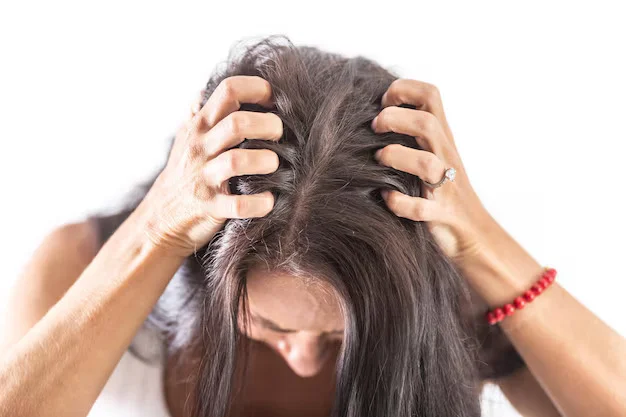
Scalp psoriasis is a chronic autoimmune condition that causes raised, reddish, and often scaly patches on the scalp. It affects roughly 45–56% of all people living with psoriasis, making the scalp one of the most commonly affected areas. The condition isn't contagious, can't be "caught" from someone else, and while there's no permanent cure, it can be managed effectively with the right combination of medical treatment, daily care routines, and lifestyle adjustments.
- If you've been dealing with stubborn flaking, silvery-white scales along your hairline, or intense itching that keeps you up at night — you're likely dealing with scalp psoriasis, not ordinary dandruff.
- This guide covers everything you need to know: from confirming your diagnosis, to choosing the right shampoo, building a daily scalp care routine, and exploring the newest treatment options available in 2025. We've also included sections specifically for children, advice on hair colouring and styling, and practical strategies for the mental health challenges that come with this condition.
What Is Scalp Psoriasis?
Scalp psoriasis is a specific manifestation of plaque psoriasis that targets the scalp, the skin around the ears, the forehead near the hairline, and the back of the neck. Like all forms of psoriasis, it's driven by an overactive immune system that accelerates skin cell turnover. Normally, skin cells take about 28–30 days to mature and shed. In psoriasis, this process is compressed to just 3–4 days, causing cells to pile up on the surface and form thick, scaly plaques.
How Common Is Scalp Psoriasis?
Studies indicate that about 50% of people with psoriasis experience scalp involvement at some point. A 2016 study published in the Journal of Dermatological Treatment found the prevalence to be as high as 56% in certain populations. Scalp psoriasis can occur at any age, but it most commonly first appears between 15 and 35 years old. It affects men and women equally, and people with a family history of psoriasis or other autoimmune diseases are at higher risk.
How Does Scalp Psoriasis Affect Your Body?
Beyond the scalp itself, scalp psoriasis can extend to adjacent areas.
Plaques commonly appear:
- Along the hairline (forehead and temples)
- Behind and inside the ears
- On the back of the neck (the nape area)
- On the part line of the hair
The condition also carries systemic implications. People with moderate-to-severe psoriasis have an elevated risk of psoriatic arthritis, cardiovascular disease, metabolic syndrome, and type 2 diabetes. Even when psoriasis is limited to the scalp, these comorbidities should be monitored by your doctor — something most guides on this topic fail to mention.
What Are the Symptoms of Scalp Psoriasis?
Symptoms can range from barely noticeable to severely debilitating. Recognizing them early leads to better outcomes.
Mild Scalp Psoriasis Symptoms
- Slight, fine scaling that resembles dandruff
- Mild itching, usually intermittent
- One or two small patches, often hidden by hair
Moderate to Severe Symptoms
- Thick, silvery-white or yellowish scales covering large sections of the scalp
- Intense, persistent itching (can disrupt sleep)
- Redness and inflammation visible at the hairline or ears
- Dry scalp that cracks and occasionally bleeds
- A burning or soreness sensation
- Temporary hair loss from scratching or inflammation
Does Scalp Psoriasis Cause Hair Loss?
Yes, but it's generally temporary. Hair loss occurs not from the disease itself but from aggressive scratching, picking at scales, or harsh treatment methods. A 2019 study in the International Journal of Dermatology confirmed that hair typically regrows once inflammation is controlled and the scratching cycle is broken. Forceful removal of plaques is the single biggest preventable cause of hair loss in scalp psoriasis.
What Causes Scalp Psoriasis?
The root cause is immune dysregulation. Specifically, T-cells (a type of white blood cell) become overactive and attack healthy skin cells, triggering rapid cell production and inflammation. But what activates this immune response in the first place?
Genetic Factors
Having one parent with psoriasis gives you roughly a 10% chance of developing it; if both parents have it, the risk jumps to about 50%. Researchers have identified over 80 genetic loci associated with psoriasis, with the HLA-Cw6 gene being the strongest predictor.
Common Triggers
Even with genetic predisposition, psoriasis often requires a trigger to flare.
Known triggers include:
| Trigger | How It Affects Scalp Psoriasis |
|---|---|
| Stress | Increases cortisol and inflammatory cytokines, directly worsening flares |
| Infections | Streptococcal throat infections can trigger guttate psoriasis that spreads to scalp |
| Skin injuries | Scratching, sunburn, or cuts on the scalp (Koebner phenomenon) |
| Cold, dry weather | Reduces humidity and UV exposure — winter flares are extremely common |
| Medications | Lithium, beta-blockers, antimalarials, rapid corticosteroid withdrawal |
| Alcohol | Linked to both increased risk and poorer treatment response |
| Smoking | A 2020 meta-analysis showed smokers have nearly double the risk of psoriasis |
Seasonal Flares and Climate Factors
This is an area that most guides overlook entirely. Scalp psoriasis tends to worsen in winter due to lower humidity, reduced natural UV exposure, and indoor heating that dries the scalp. Conversely, moderate sun exposure during summer often improves symptoms — natural UVB light slows skin cell turnover. If you live in a hot, humid climate (like much of India), you may experience fewer winter flares but could find that excessive sweating and heat irritate your scalp in summer months.
Practical tip: Using a humidifier during dry months and spending 10–15 minutes in early morning sunlight can make a noticeable difference for many people.
Scalp Psoriasis vs. Dandruff vs. Other Conditions
One of the most common questions dermatologists hear: "Is this just dandruff?" The answer matters because treatment is completely different.
Scalp Psoriasis or Dandruff (Seborrheic Dermatitis)?
| Feature | Scalp Psoriasis | Dandruff / Seborrheic Dermatitis |
|---|---|---|
| Scale appearance | Thick, silvery-white, adherent | Thin, yellowish or white, loose |
| Redness | Well-defined, raised red plaques | Diffuse, mild redness |
| Itching | Can be intense, sometimes burning | Usually mild to moderate |
| Location | Hairline, behind ears, nape, discrete patches | Scattered across entire scalp, eyebrows, nasolabial folds |
| Extends beyond scalp? | Often to forehead, ears, neck | Usually limited to oily areas |
| Skin biopsy | Shows epidermal hyperplasia, Munro microabscesses | Shows spongiosis, no microabscesses |
| Response to antifungal shampoo | Minimal improvement | Significant improvement |
Scalp Psoriasis vs. Tinea Capitis (Fungal Infection)
This differential diagnosis is particularly important in India, where tinea capitis is common, especially in children.
Key differences:
- Tinea capitis causes patchy hair loss with broken hair stubs ("black dot" appearance), and is contagious
- Scalp psoriasis rarely causes hair breakage, scales are silvery (not gray-black), and it's never contagious
- A KOH test or fungal culture can definitively distinguish the two
How Do I Confirm If I Have Scalp Psoriasis?
Your dermatologist can usually diagnose scalp psoriasis through a physical examination. When the diagnosis is uncertain, the following tests may be ordered:
- Skin biopsy — a small sample of scalp skin examined under a microscope
- KOH preparation — to rule out fungal infections
- Blood tests — to rule out other conditions like lupus or to check inflammatory markers
- Allergy patch testing — if contact dermatitis is suspected
Best Treatments for Scalp Psoriasis
Treatment follows a stepwise approach based on severity. A 2021 algorithm published in JAMA Dermatology suggests starting with topical therapies and escalating to systemic treatments only when necessary.
Topical Treatments (First-Line)
For mild-to-moderate scalp psoriasis, topical treatments are the foundation.
Medicated Shampoos — Comparing Active Ingredients
No competitor guide offers a clear comparison of shampoo ingredients, so here's what you need to know:
| Active Ingredient | How It Works | Best For | Frequency | Drawbacks |
|---|---|---|---|---|
| Coal tar (1–5%) | Slows cell turnover, reduces scaling and itching | Mild-moderate scaling | 2–3 times/week | Strong smell, can stain light hair |
| Salicylic acid (2–3%) | Keratolytic — softens and removes scales | Thick, adherent plaques | Daily initially, then 2–3x/week | Can dry scalp if overused |
| Zinc pyrithione (1–2%) | Anti-inflammatory and antimicrobial | Mild psoriasis with itch | 2–3 times/week | Less effective for thick plaques |
| Ketoconazole (2%) | Antifungal, anti-inflammatory | Overlap with seborrheic dermatitis | 2 times/week | Does not address psoriasis-specific pathways |
| Clobetasol shampoo (0.05%) | Potent corticosteroid | Moderate-severe flares | Short courses (2–4 weeks) | Risk of skin atrophy with long use |
How to use medicated shampoo: Lather into wet scalp, leave on for 5–10 minutes (not 30 seconds like regular shampoo), then rinse thoroughly. This contact time is essential for the active ingredients to work.
Prescription Topical Medications
- Corticosteroid solutions, foams, and lotions — clobetasol propionate and betamethasone valerate are most commonly prescribed. Foam and solution forms are preferred by patients because they don't leave residue in hair.
- Vitamin D analogues — calcipotriol (calcipotriene) slows skin cell growth. Often combined with betamethasone (e.g., Daivobet/Taclonex) for synergistic effect.
- Calcineurin inhibitors — tacrolimus ointment for sensitive areas like around the ears and hairline where prolonged steroid use is risky.
Patient preference matters. A 2020 study in Dermatologic Therapy found that treatment adherence increased by 40% when patients used their preferred formulation (foam or spray vs. ointment). If your prescribed treatment feels too greasy or sticky, ask your dermatologist about alternative vehicles — don't just stop using it.
Phototherapy
For moderate scalp psoriasis that doesn't respond to topicals:
- Narrowband UVB — the most common form. Handheld UVB devices designed for scalp use are now available. Hair needs to be parted carefully (a blow dryer on cool setting helps) to expose scalp skin to the light.
- Excimer laser (308nm) — targets individual plaques without affecting surrounding skin. Particularly useful for stubborn, localized patches.
- Sessions are typically 2–3 times per week for 8–12 weeks.
Systemic and Biologic Treatments
For severe scalp psoriasis or when scalp involvement is part of widespread psoriasis:
Conventional Systemic Medications
- Methotrexate — weekly oral or injection; effective but requires liver function monitoring
- Cyclosporine — fast-acting immunosuppressant, usually limited to short courses
- Acitretin — oral retinoid, especially useful for thick plaques
Biologic Therapies
Biologics have revolutionized psoriasis treatment.
Key options include:
- TNF-α inhibitors: etanercept, adalimumab, infliximab
- IL-17 inhibitors: secukinumab, ixekizumab, brodalumab — show excellent scalp-specific clearance rates (PASI 90 in 70–80% of patients)
- IL-23 inhibitors: guselkumab, risankizumab, tildrakizumab — longer dosing intervals, strong efficacy
- IL-12/23 inhibitor: ustekinumab
Newest Medications in the Pipeline (2024–2025)
What none of the top-ranking competitors cover: the treatment landscape is evolving rapidly.
- Deucravacitinib (TYK2 inhibitor) — oral medication approved by the FDA in 2022, now gaining availability in India. Unlike older JAK inhibitors, it selectively targets TYK2 with a better safety profile.
- Brepocitinib (JAK1/TYK2 inhibitor) — currently in Phase III trials for moderate-to-severe plaque psoriasis
- Topical roflumilast (PDE4 inhibitor) — showing promise for scalp-specific use in Phase II data
Intralesional Corticosteroid Injections
For isolated, resistant plaques, your dermatologist may inject triamcinolone acetonide directly into the plaque. This is particularly effective for 1–2 stubborn patches that haven't responded to topical treatment.
स्वयं दवा न लें और प्रतीक्षा न करें। अभी डॉक्टर से चैट शुरू करें
Daily Scalp Care Routine: A Step-by-Step Protocol
- No competitor provides this, and it's arguably what patients need most.
- Here is a practical daily routine:
Morning Routine
- 1.Gentle cleansing: Use a medicated shampoo (as directed — usually 2–3 times/week), alternating with a gentle, fragrance-free shampoo on other days. Apply to wet scalp, leave for 5–10 minutes, massage gently with fingertips (not nails).
- 2.Conditioning: Apply conditioner only to mid-lengths and ends, avoiding the scalp. This prevents buildup on plaques.
- 3.Drying: Pat dry with a soft towel — never rub vigorously. Use a blow dryer on the cool or lowest heat setting, held at least 15 cm from the scalp.
- 4.Topical medication: If prescribed, apply corticosteroid solution or calcipotriol to affected areas using the nozzle applicator. Part your hair to expose plaques directly.
- Avoid tight hairstyles that pull on the scalp (tight ponytails, braids, buns). Tension can trigger the Koebner phenomenon.
Evening/Night Routine
- 1.Pre-wash treatment (2–3 times/week): Apply coconut oil, olive oil, or a salicylic acid–based scale softener to thick plaques. Massage gently. Leave overnight (cover with a soft cotton cap or use a silk pillowcase to protect bedding).
- 2.Scalp massage: Spend 2–3 minutes gently massaging with fingertips to improve blood circulation and loosen scales. Never pick or scratch.
- 3.Sleep comfort: Use a silk or satin pillowcase — it creates less friction than cotton, reducing irritation and scale disruption during sleep. Keep the bedroom cool and use a humidifier if the air is dry.
Scalp Psoriasis in Children
This is a significant gap in existing online resources. Scalp psoriasis in children presents unique challenges.
How Symptoms Differ in Children
- Plaques tend to be thinner and less silvery than in adults
- Itching may be the primary complaint (children often present with scratching rather than visible plaques)
- Can be mistaken for cradle cap in infants or tinea capitis in school-age children
Treatment Safety for Children
- First-line: Low-potency topical corticosteroids (hydrocortisone 1%) and coal tar shampoos (in lower concentrations)
- Avoid prolonged use of potent corticosteroids on children's scalps — their skin is thinner and absorbs more medication
- Calcipotriol is generally considered safe for children over 6 years, but check with your pediatric dermatologist
- Systemic treatments are reserved for severe cases; methotrexate and etanercept have the most pediatric safety data
- Emotional support is crucial — children with visible scalp psoriasis may face bullying or social isolation. Involving a child psychologist early can prevent long-term psychological effects.
Hair Colouring, Styling & Scalp Psoriasis
Another topic every patient asks about but no guide adequately covers.
Can You Colour Your Hair?
Yes, but with precautions:
- Avoid colouring during an active flare — chemicals on inflamed skin cause burning and can worsen plaques
- Use semi-permanent or plant-based dyes (henna is generally well-tolerated) rather than permanent dyes with ammonia and PPD
- Do a patch test 48 hours before any new product
- Ask your colourist to avoid applying dye directly to visible plaques
- Apply a barrier of petroleum jelly around the hairline and ears to protect sensitive skin
Styling Tips
- Avoid flat irons and curling irons directly on the scalp
- Chemical relaxers and perms are generally not recommended during active disease
- Dry shampoo can aggravate psoriasis — use sparingly and choose fragrance-free versions
- Wet hair gently with a wide-tooth comb; never brush aggressively
Home Remedies and Lifestyle Changes
Evidence-Based Home Remedies
| Remedy | Evidence | How to Use |
|---|---|---|
| Coconut oil | Anti-inflammatory, improves barrier function (2019 Dermatitis study) | Warm and massage into scalp pre-wash, leave 1–2 hours |
| Aloe vera gel | Reduces redness and scaling in mild psoriasis | Apply pure gel to plaques, leave 20–30 minutes |
- | Apple cider vinegar | May relieve itch (anecdotal; diluted use only) | Mix 1:1 with water, apply with cotton, rinse after 15 min.
- Avoid on cracked skin — it burns |
| Oatmeal rinse | Soothes itch and inflammation | Blend colloidal oatmeal in water, use as final rinse |
|---|
- | Tea tree oil | Mild antiseptic and anti-inflammatory | Add 2–3 drops to shampoo.
- Patch test first — can cause contact dermatitis |
Anti-Inflammatory Diet
Emerging evidence supports dietary modification as an adjunct treatment:
Foods to include: Fatty fish (salmon, mackerel — rich in omega-3), leafy greens, turmeric, berries, olive oil, nuts Foods to limit or avoid: Alcohol (strongest dietary trigger), excess dairy, refined sugar, processed foods, gluten (in those with sensitivity), nightshade vegetables (tomatoes, peppers — some patients report improvement when avoiding these)
A 2018 survey of 1,206 psoriasis patients published in Dermatology and Therapy found that 53.4% reported skin improvement after dietary changes, with the most benefit from reduced alcohol and increased fish and vegetable intake.
Stress Management
Stress is both a trigger and a consequence of scalp psoriasis, creating a vicious cycle.
Effective strategies include:
- Mindfulness meditation — a 2015 RCT showed psoriasis patients who practiced mindfulness alongside UV therapy cleared 4x faster than the control group
- Cognitive behavioral therapy (CBT) — specifically effective for itch-scratch cycle interruption
- Regular exercise — 30 minutes of moderate activity, 5 days a week
- Support groups — organizations like the Psoriasis Association and online communities (r/psoriasis, MyPsoriasisTeam) provide peer support
Mental Health, Sleep & Quality of Life
Scalp psoriasis hits differently than psoriasis on hidden body areas. It's visible, it flakes onto your clothes, and it affects how you style your hair. Studies show that scalp-specific psoriasis is associated with higher rates of anxiety and depression compared to psoriasis on the trunk or limbs.
Practical Mental Health Strategies
- Talk to your dermatologist about psychological impact — many can refer you to a psychodermatology specialist
- Screen for depression: If you notice persistent low mood, loss of interest, or sleep changes lasting more than 2 weeks, seek professional help
- Limit mirror-checking and scalp-checking behaviors — these increase anxiety
- Reframe the narrative: Psoriasis is an immune condition, not a hygiene problem. Educating friends and family reduces stigma.
Sleep and Itch Management at Night
- Apply a thin layer of menthol-containing lotion before bed to reduce itch sensation
- Take an antihistamine (like cetirizine) at bedtime if itching disrupts sleep — discuss with your doctor
- Keep bedroom temperature cool (18–20°C)
- Trim fingernails short to minimize damage from unconscious scratching
- Use silk or satin pillowcases
Treatment Costs and Accessibility in India
This is something no competitor discusses, but it matters enormously for treatment decisions.
| Treatment Type | Approximate Cost in India (2025) | Accessibility |
|---|---|---|
| OTC medicated shampoo | ₹150–₹600 per bottle | Widely available at pharmacies |
| Topical corticosteroids | ₹80–₹400 per tube | Prescription; available at all pharmacies |
| Calcipotriol + betamethasone combo | ₹300–₹800 per tube | Prescription; widely available |
| Phototherapy (per session) | ₹500–₹2,000 | Available at dermatology clinics in major cities |
| Methotrexate (oral) | ₹20–₹80 per week | Very affordable; requires regular blood tests (₹500–₹1,500) |
| Biologic therapies | ₹15,000–₹1,50,000+ per dose | Limited availability; some covered under insurance |
| Deucravacitinib (oral) | Pricing being established in India | Recently launched; availability expanding |
Insurance tip: Many Indian health insurance policies now cover biologic therapies for psoriasis when prescribed by a dermatologist with documented failure of conventional treatments. Check your policy or ask your provider about pre-authorization.
FAQ
Is psoriasis 100% curable?
No. Psoriasis is a chronic autoimmune condition with no permanent cure as of 2025. However, it is highly manageable. Many patients achieve near-complete clearance with modern treatments, and some experience long periods of remission. The goal of treatment is to minimize symptoms, prevent flares, and maintain quality of life.
How do you get rid of psoriasis on your scalp?
You manage it through a combination of medicated shampoos (coal tar, salicylic acid), topical corticosteroids or vitamin D analogues, and — for moderate-to-severe cases — phototherapy or systemic medications. Consistent daily scalp care and trigger avoidance are equally important for long-term control.
How to cure scalp psoriasis permanently?
- While a permanent cure does not exist, many patients achieve sustained remission lasting months or even years. Biologic medications like secukinumab and risankizumab offer the highest clearance rates (PASI 90+ in 70–80% of patients).
- Lifestyle modifications — stress management, anti-inflammatory diet, and avoiding known triggers — significantly extend remission periods.
Who does scalp psoriasis affect?
It can affect anyone regardless of age, gender, or ethnicity, but it's most common in adults aged 15–35 and those aged 50–60 (the two peak onset periods). People with a family history of psoriasis or other autoimmune conditions are at highest risk.
Are there medicated shampoos for scalp psoriasis?
- Yes. Several medicated shampoos are available both over-the-counter and by prescription. Key ingredients include coal tar, salicylic acid, zinc pyrithione, ketoconazole, and clobetasol propionate.
- The best choice depends on your symptom severity — see the comparison table in the treatment section above.
Does scalp psoriasis spread to the rest of the body?
Scalp psoriasis itself doesn't "spread" in the contagious sense, but psoriasis can develop on other body areas over time. About 80% of people with scalp psoriasis also develop plaques elsewhere, most commonly on elbows, knees, and the lower back.
Take Control of Your Scalp Health
Scalp psoriasis can feel overwhelming, but you're far from alone — millions of people manage this condition successfully every day. Start with an accurate diagnosis from a qualified dermatologist, follow a consistent daily care routine, and don't hesitate to escalate treatment if your current approach isn't working.
- The most important step? Don't ignore it and don't just accept it.
- With the treatment options available in 2025 — from affordable medicated shampoos to cutting-edge biologics — clear or near-clear scalp skin is a realistic goal for most patients. Talk to your doctor, explore the options outlined in this guide, and take that first step today.
Scientific Sources
- Ancient and advanced approaches for the treatment of an inflammatory autoimmune disease-psoriasis — Garg T et al., 2014, Critical reviews in therapeutic drug carrier systems
- Scalp psoriasis: a rare clinical image — Nandal P et al., 2022, The Pan African medical journal
- An overview of topical lipid-based and polymer-based nanocarriers for treatment of psoriasis — Aziz Hazari S et al., 2023, International journal of pharmaceutics
- The practical usefulness of dermoscopy in general dermatology — Errichetti E et al., 2015, Giornale italiano di dermatologia e venereologia : organo ufficiale, Societa italiana di dermatologia e sifilografia
- Managing Scalp Psoriasis Through Ayurvedic Therapies: A Case Report — Nagpure D et al., 2025, Alternative therapies in health and medicine
- A Delphi Consensus Approach to Challenging Case Scenarios in Moderate-to-Severe Psoriasis: Part 1 — Strober BE et al., 2012, Dermatology and therapy
- Patients' vehicle preference for corticosteroid treatments of scalp psoriasis — Feldman SR et al., 2003, American journal of clinical dermatology
- Comparison of safety and efficacy between calcipotriol plus betamethasone dipropionate gel and calcipotriol scalp solution as long-term treatment for scalp psoriasis in Chinese patients: a national, multicentre, prospective, randomized, active-controlled phase 4 trial — Liu L et al., 2020, European journal of dermatology : EJD
उपयोगकर्ताओं के प्रश्न
What lifestyle changes can reduce scalp psoriasis flare-ups?
Client_d0fd54
25 दिनों पहले
To reduce scalp psoriasis flare-ups, adopting certain lifestyle changes can be beneficial. Regularly moisturizing the scalp can help prevent dryness and scaling. Manage stress through techniques such as yoga or meditation, as stress is a known trigger for psoriasis. Avoid harsh hair products and opt for those specifically designed for sensitive skin. Eating a balanced diet rich in anti-inflammatory foods, like fruits, vegetables, and omega-3 fatty acids, may also be helpful. If flare-ups persist despite these changes, consult a dermatologist for tailored treatment options.
What are the benefits of medicated shampoos for scalp psoriasis?
Client_3becba
35 दिनों पहले
Medicated shampoos for scalp psoriasis can provide significant relief by reducing itching, scaling, and inflammation. These shampoos often contain active ingredients such as coal tar, salicylic acid, or ketoconazole, which help in removing plaques and slowing down skin cell growth. They are typically used 2–3 times a week, alternating with a gentle, fragrance-free shampoo. Improvement can be seen within a few weeks, but persistent or worsening symptoms should prompt a visit to a healthcare professional. Medicated shampoos are generally part of a broader treatment plan that may include topical treatments and lifestyle changes.
How does stress impact the severity of scalp psoriasis?
Client_06ae3a
45 दिनों पहले
Stress can exacerbate scalp psoriasis by triggering flare-ups and increasing the severity of symptoms. This is because stress can provoke an immune response that leads to inflammation, a key factor in psoriasis. The Koebner phenomenon, where new lesions develop at sites of trauma or stress, can be activated by heightened stress levels, worsening the condition. To manage stress-related flare-ups, techniques such as practicing relaxation exercises or maintaining a consistent sleep schedule can be beneficial. If stress or psoriasis symptoms become overwhelming or persist, consult a healthcare provider for tailored advice and treatment options.
How long does it take to manage scalp psoriasis effectively with lifestyle changes?
Client_96e909
54 दिनों पहले
Managing scalp psoriasis effectively with lifestyle changes can take several weeks to a few months. Key lifestyle adjustments such as using medicated shampoos with ingredients like coal tar or salicylic acid, maintaining a regular scalp care routine, and reducing stress through exercise or mindfulness practices can help manage symptoms. Sun exposure and dietary changes, such as reducing alcohol and quitting smoking, may also aid in management. If symptoms persist or worsen, consult a healthcare professional for tailored treatment options, as some cases may require prescription medications.
What is the main difference between scalp psoriasis and regular dandruff?
Client_8ec0ec
64 दिनों पहले
The main difference between scalp psoriasis and regular dandruff is the underlying cause. Scalp psoriasis is an autoimmune condition, causing raised, red patches covered with silvery scales. Dandruff, on the other hand, is usually due to flaky skin related to a fungal infection or skin dryness. Keep in mind, treatments differ too. If you're unsure, a dermatologist can help determine what's going on with your scalp!
Is it safe to use betamethasone ointment for long periods on scalp psoriasis?
Client_37b1b6
73 दिनों पहले
Using betamethasone ointment long-term can be risky. Over time, it may thin the skin and cause other side effects. It's better to use it as directed by your doctor and consider other treatments for scalp psoriasis too, like calcineurin inhibitors for sensitive areas, or explore more holistic approaches, maybe even dietary ones. Always chat with your doc about your treatment plan!
What is the best way to break the scratching cycle for scalp psoriasis?
Client_54baec
83 दिनों पहले
To break the scratching cycle for scalp psoriasis, focus on keeping your scalp moisturized and reducing inflammation. Use gentle, fragrance-free shampoos recommended for sensitive scalps. Aloe vera gel or coconut oil might reduce itchiness too. Regularly applying medicated treatments like corticosteroids or calcineurin inhibitors also helps. Avoid too much heat or scratching and keep stress levels low—it can trigger more flare-ups!
Is it safe to use Ayurvedic scalp treatments if I have sensitive skin?
Client_e4b496
93 दिनों पहले
Yes, It's generally safe, but sensitive skin can react differently. Start with small amounts first to see how it goes. Look for treatments that are gentle, with ingredients like aloe vera or neem. Consulting an ayurvedic practitioner can help tailor treatments to your skin and dosha. :)
Can I use Ayurvedic scalp treatments alongside natural hair oils for better results?
Client_7eeb07
102 दिनों पहले
You can definitely use Ayurvedic scalp treatments with natural hair oils to boost results. Just be mindful of your scalp and hair type: if your dosha is imbalanced, certain oils might work differently. Try lighter oils like coconut or almond for Pitta, heavier ones like sesame oil for Vata, and balance out Kapha with stimulating herbs. Keep an eye on any reactions and adjust as needed. Stay consistent!
What is the role of detoxification in Ayurvedic treatments for scalp psoriasis?
Client_4eb8b8
112 दिनों पहले
Detoxification in Ayurveda is key for treating scalp psoriasis because it helps clear ama (toxins) that may be aggravating imbalances in your doshas, especially Pitta and Kapha. By cleansing your system through diet and therapies, it aids in reducing inflammation and restoring balance. Consider consulting an Ayurvedic practitioner to guide the detox process. 🌿
संबंधित आलेख

Skin and Hair Disorders
Anti Ageing Ayurvedic Medicines: Do They Really Work or Is It Just Ancient Hype?
Let’s be honest for a second — everyone, at some point, pauses at their reflection and thinks, “Damn, when did that line get there?” Or maybe it's not even about the wrinkles yet. Maybe it’s the sluggish mornings, the fading glow, the feeling that somethi
2,874

Skin and Hair Disorders
Eladi Choornam Uses for Skin & Face: Ayurvedic Benefits & Applications
Discover the uses of Eladi Choornam for skin and face. Learn about its Ayurvedic benefits, applications, and how this herbal formulation promotes healthy, radiant skin.
11,300
Skin and Hair Disorders
Kumkumadi Lepam How To Use – Traditional Ayurvedic Beauty Remedy Guide
Learn how to use Kumkumadi Lepam, a traditional Ayurvedic beauty remedy known for its skin rejuvenation and brightening properties. Follow our detailed guidelines and usage instructions for optimal results.
5,088

Skin and Hair Disorders
How to Use Gandhak for Skin
Discover the natural benefits of gandhak in Ayurvedic skincare. Learn how to use gandhak for skin to detoxify, reduce inflammation, and rejuvenate your complexion with traditional remedies.
5,154

Skin and Hair Disorders
Ayurvedic Treatment for Scabies – Natural Remedies & Holistic Care
Explore Ayurvedic approaches for treating scabies. Discover herbal remedies, lifestyle tips, and holistic strategies to manage and alleviate scabies symptoms naturally.
5,525

Skin and Hair Disorders
Jeevanthyadi Yamakam Ointment – Ayurvedic Ointment for Healing & Rejuvenation
Discover Jeevanthyadi Yamakam Ointment, a traditional Ayurvedic remedy formulated with potent herbs to promote wound healing, reduce inflammation, and rejuvenate skin health.
2,999

Skin and Hair Disorders
Neelibhringadi Oil Benefits, How To Use, Ingredients, Side Effects
Exploration of Neelibhringadi Oil Benefits, How To Use, Ingredients, Side Effects
5,112
Skin and Hair Disorders
नागरदी लेप चूर्णम: त्वचा की सेहत के लिए एक आयुर्वेदिक उपाय
नागरदी लेप चूर्णम एक पारंपरिक आयुर्वेदिक हर्बल पाउडर है, जिसे मुख्य रूप से त्वचा की बीमारियों के लिए बाहरी रूप से लगाया जाता है।
3,940

Skin and Hair Disorders
How to Get Rid of Wrinkles on Forehead Naturally: Ayurvedic Remedies and Tips
How to get rid of wrinkles on forehead naturally? Discover natural remedies, Ayurvedic forehead wrinkles treatment, and ways to reduce facial lines at home
4,377

Skin and Hair Disorders
पतंजलि दिव्य कायाकल्प क्वाथ पाउडर
पतंजलि दिव्य कायाकल्प क्वाथ पाउडर की खोज
3,873
विषय से संबंधित परामर्श
अतिरिक्त दस्तावेज़
© 2024 Ask Ayurveda. सर्वाधिकार सुरक्षित।