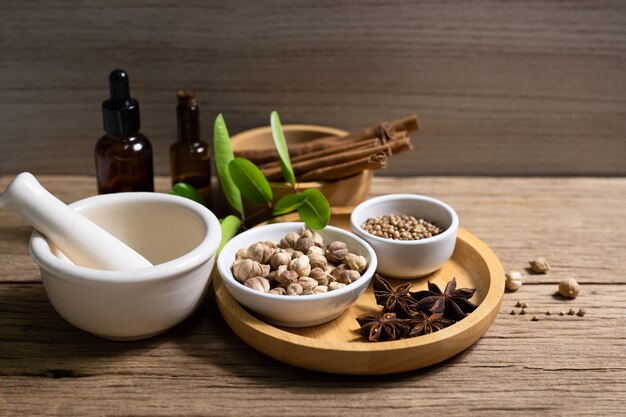
आयुर्वेदिक डॉक्टर से प्रश्न पूछें और निःशुल्क या भुगतान मोड में अपनी चिंता की समस्या पर ऑनलाइन परामर्श प्राप्त करें। 2,000 से अधिक अनुभवी डॉक्टर हमारी साइट पर काम करते हैं और आपके प्रश्नों का इंतजार करते हैं और उपयोगकर्ताओं को उनकी स्वास्थ्य समस्याओं को हल करने में प्रतिदिन मदद करते हैं।


Body DetoxEar, Nose, and Throat DisordersGeriatrics & RejuvenationImmunodeficiencyInfertility TreatmentNutritionOrthopedic DisordersPediatricsRespiratory DisordersSexually Transmitted Diseases (STDs)Surgery RecoveryUrological DisordersVascular DisordersDental DisordersEndocrinological DisordersGastrointestinal DisordersYoga TherapyGeneral MedicineAllergic DisordersCardio DisordersGynecology and ObstetricsCosmetologySkin and Hair DisordersEye DisordersInfectious DiseasesMental DisordersNeurological DisordersOncologyPanchakarmaSexual Health & DisordersSports Medicine
पर प्रकाशित 02/11/25
(को अपडेट 08/16/26)
2,988
Hyperthyroidism Ayurveda – Natural Holistic Approach to Thyroid Health

Hyperthyroidism Ayurveda treatment works by pacifying aggravated Pitta and Vata doshas, restoring metabolic balance through cooling herbs like Brahmi and Shatavari, Panchakarma detoxification, and targeted dietary changes. While conventional medicine relies on antithyroid drugs, radioactive iodine, or surgery, Ayurveda addresses the root cause — doshic imbalance and impaired Agni — offering a complementary path that thousands of patients across India are now exploring alongside their endocrinologists.
If you've been diagnosed with hyperthyroidism and are wondering whether Ayurveda can genuinely help, this guide covers everything: from the classical Ayurvedic understanding of why your thyroid goes into overdrive, to specific herbs with dosages, Panchakarma protocols, diet plans, yoga practices, and the critical safety boundaries you need to know. We've included clinical evidence, a step-by-step treatment protocol, and real answers to the questions people actually ask.
Understanding Hyperthyroidism: Symptoms, Causes, and Types
Before diving into Ayurvedic management, let's establish a clear clinical picture. Hyperthyroidism occurs when the thyroid gland produces excessive amounts of thyroxine (T4) and triiodothyronine (T3), accelerating the body's metabolism beyond its natural rate.
Common Symptoms of Hyperthyroidism
The symptoms reflect a system running too fast:
- Unexplained weight loss despite normal or increased appetite
- Rapid heartbeat (tachycardia) — often above 100 bpm at rest
- Anxiety, irritability, and tremors in the hands
- Excessive sweating and heat intolerance
- Fatigue and muscle weakness (paradoxically, despite metabolic overdrive)
- Sleep disturbances — difficulty falling or staying asleep
- Frequent bowel movements or diarrhea
- Menstrual irregularities — lighter, less frequent periods in women
- Eye changes — bulging eyes (exophthalmos), particularly in Graves' disease
Eye Signs Specific to Graves' Disease
Graves' ophthalmopathy deserves special attention. Look for Dalrymple's sign (widened palpebral fissure), Von Graefe's sign (lid lag on downward gaze), and true proptosis. These eye signs indicate an autoimmune process that requires both conventional monitoring and Ayurvedic immune modulation.
Major Causes of Hyperthyroidism
| Cause | Prevalence | Mechanism |
|---|---|---|
| Graves' disease | 60–80% of cases | Autoimmune — TSI antibodies stimulate thyroid |
| Toxic multinodular goitre | 15–20% | Autonomously functioning thyroid nodules |
| Toxic adenoma | 3–5% | Single hyperactive nodule |
| Thyroiditis (subacute) | Variable | Inflammation releases stored hormones |
| Excessive iodine intake | Rare | Jod-Basedow phenomenon |
| Exogenous thyroid hormones | Iatrogenic | Over-supplementation of levothyroxine |
Clinical Classification: Overt, Subclinical, and Thyroid Storm
Not all hyperthyroidism is the same:
- Overt hyperthyroidism: Elevated free T4/T3, suppressed TSH, clear symptoms
- Subclinical hyperthyroidism: Low TSH but normal T4/T3 — often no obvious symptoms. This is actually where Ayurveda has its strongest potential role, as conventional medicine often takes a "watch and wait" approach here
- Thyroid storm: A life-threatening emergency with extreme tachycardia, fever >104°F, delirium.
- This is NOT a situation for Ayurvedic treatment — immediate hospitalization is required
Ayurvedic Understanding of Hyperthyroidism Through Doshas
Ayurveda doesn't have a direct classical term for "hyperthyroidism" since the thyroid gland wasn't described as a discrete anatomical entity in ancient texts. However, the symptom complex maps remarkably well onto specific doshic imbalances.
The Pitta-Vata Doshic Pattern
Hyperthyroidism is primarily a Pitta-dominant condition with significant Vata involvement:
- Pitta aggravation explains the heat intolerance, excessive sweating, irritability, diarrhea, and accelerated metabolism. Specifically, Pachaka Pitta (the digestive fire component) becomes hyperactive
- Vata aggravation accounts for weight loss, anxiety, tremors, insomnia, and irregular menstruation.
- Samana Vata — which governs the movement of food and Agni — becomes vitiated
The result? Your metabolic fire (Agni) burns too intensely, consuming the body's tissues (Dhatus) faster than they can regenerate.
The Concept of Samanavrita Udana
This is a sophisticated pathogenic model described by Professor Dr. S.N. Ojha and referenced in classical Ayurvedic pharmacology. In hyperthyroidism, Samana Vata becomes aggravated and obstructs the normal functioning of Udana Vata (the upward-moving energy centered in the throat region, which governs the thyroid area).
When Udana Vata is blocked (Avarana), the thyroid region experiences chaotic stimulation. Think of it like a highway where one lane of traffic forces itself into another — the resulting congestion creates excessive, disorganized activity rather than smooth flow. This concept, called Samanavrita Udana, provides a uniquely Ayurvedic framework for understanding why the gland overproduces hormones.
Affected Dhatus and Srotas
The doshic disturbance cascades through multiple tissue layers:
- Rasa Dhatu (plasma/lymph) — first affected, causing systemic metabolic disruption
- Rakta Dhatu (blood) — heat in blood leads to skin changes, eye inflammation
- Meda Dhatu (fat tissue) — depletion explains weight loss
- Mamsa Dhatu (muscle) — progressive weakness and wasting
The channels involved include Rasavaha Srotas (lymphatic channels), Raktavaha Srotas (blood channels), and Medovaha Srotas (fat metabolism channels).
How to Cure Hyperthyroidism Fast: The Ayurvedic Treatment Protocol
Let's be honest — "fast" and "cure" are strong words when it comes to hyperthyroidism. Ayurveda doesn't promise overnight reversal. But a systematic protocol can show measurable improvements in thyroid hormone levels within 3–6 months for many patients, particularly those with subclinical or mild-to-moderate overt hyperthyroidism.
Step-by-Step Ayurvedic Treatment Protocol
Here's the phased approach that experienced Ayurvedic physicians typically follow:
Phase 1: Assessment & Stabilization (Weeks 1–2)
- Complete Prakriti (constitution) assessment
- Nadi Pariksha (pulse diagnosis) to identify specific doshic imbalance
- Review current medications and thyroid panel (TSH, free T4, free T3, TPO antibodies, TSI)
- Begin cooling dietary modifications immediately
- Start basic herbal formulations
Phase 2: Active Treatment (Weeks 3–12)
- Full herbal protocol with specific formulations
- Panchakarma therapies (if patient is stable enough)
- Yoga and pranayama prescription
- Monthly thyroid function monitoring
Phase 3: Consolidation (Months 4–6)
- Dose adjustment of herbs based on lab results
- Continuation of Panchakarma as needed
- Lifestyle and Ritucharya (seasonal routine) integration
Phase 4: Maintenance (Months 6–12+)
- Gradual tapering of herbal medicines
- Dietary and lifestyle modifications become self-sustaining
- Quarterly thyroid monitoring
- Seasonal adjustments (especially important during summer/Pitta season)
Ayurvedic Diagnosis: Nadi Pariksha and Prakriti Assessment
- An experienced Vaidya examines the pulse at the radial artery, feeling for the specific quality of Pitta and Vata. In hyperthyroid patients, the pulse typically presents as sharp, fast, and bounding (Pitta quality) with occasional irregular, thin beats (Vata involvement).
- The tongue often shows a red coloration with yellow coating — another Pitta marker.
Prakriti assessment helps determine whether the patient naturally runs "hot" (Pitta Prakriti) and is therefore more susceptible to thyroid hyperactivity. This baseline constitution guides the entire treatment strategy.
What Herbal Remedies Can Help Hyperthyroidism?
This is probably the section you've been waiting for. Here are the primary Ayurvedic herbs used in hyperthyroid management, with actual dosages, forms, and the evidence behind them.
Key Ayurvedic Herbs: Dosages and Forms
| Herb | Sanskrit Name | Primary Action | Dosage Range | Form | Duration |
|---|---|---|---|---|---|
| Indian Spikenard | Jatamansi (Nardostachys jatamansi) | Calms Vata & Pitta, anxiolytic | 250–500 mg twice daily | Churna or Vati | 3–6 months |
| Bacopa | Brahmi (Bacopa monnieri) | Nervine tonic, thyroid-modulating | 300–450 mg twice daily | Standardized extract or Churna | 3–6 months |
| Indian Ginseng | Ashwagandha (Withania somnifera) | Adaptogenic, thyroid-modulating | 300–600 mg twice daily | KSM-66 or Churna | Use with caution — see note below |
| Indian Asparagus | Shatavari (Asparagus racemosus) | Cooling, Pitta-pacifying, reproductive tonic | 500 mg twice daily | Churna with milk or Ghrita | 3–6 months |
| Indian Bdellium | Kanchanara Guggulu | Resolves thyroid nodules, scrapes excess tissue | 500 mg twice daily | Vati (tablet) | 2–4 months |
| Gotu Kola | Mandukaparni | Cooling nervine, supports Rasa Dhatu | 250–500 mg twice daily | Swarasa or Churna | 3–6 months |
A Critical Note on Ashwagandha
Here's something none of the other articles tell you clearly: Ashwagandha can increase thyroid hormone production. A 2018 randomized, double-blind, placebo-controlled study published in the Journal of Alternative and Complementary Medicine (Sharma et al.) showed that Ashwagandha root extract (600 mg/day for 8 weeks) significantly increased serum T4 levels in subclinical hypothyroid patients.
This means Ashwagandha is generally better suited for hypothyroidism, not hyperthyroidism. Some Ayurvedic practitioners still use it in hyperthyroid patients specifically for its adaptogenic and anxiolytic effects, but at lower doses and always under monitoring. Never self-prescribe Ashwagandha if your thyroid is overactive.
Does Brahmi Increase Thyroid?
- This is a common concern.
- The short answer: No, Brahmi does not increase thyroid hormone levels. In fact, animal studies suggest Brahmi (Bacopa monnieri) may have a regulatory effect on thyroid function. A 2002 study published in Journal of Ethnopharmacology (Kar et al.) demonstrated that Brahmi decreased T4 concentrations by 41% in animal models without affecting T3 levels — suggesting it may help calm an overactive thyroid rather than stimulating it.
Brahmi is one of the safest and most recommended herbs specifically for hyperthyroidism because it simultaneously addresses anxiety, improves cognitive function (which can be impaired in thyroid disorders), and has a cooling Prabhava (special potency).
Classical Ayurvedic Formulations
Beyond single herbs, compound formulations are traditionally preferred:
- Praval Pishti — cooling coral calcium preparation, pacifies Pitta
- Kamdhudha Ras — a mineral-based Pitta-pacifying formulation
- Chandanasava — sandalwood-based fermented preparation with cooling properties
- Sarivadyasava — blood purifier and Pitta pacifier
Panchakarma Therapy for Hyperthyroidism
Panchakarma — Ayurveda's signature detoxification system — plays a central role in managing hyperthyroidism. The goal is to remove accumulated Pitta and Vata from the deep tissues and channels.
Recommended Panchakarma Procedures
Shirodhara — Continuous pouring of medicated oil (often Brahmi Taila or Chandanadi Taila) on the forehead. This profoundly calms the nervous system, reduces anxiety, and improves sleep. Typically performed for 30–45 minutes daily, for 7–14 consecutive days. A 2014 study in Ayu Journal showed that Shirodhara significantly reduced cortisol levels, which indirectly supports thyroid regulation. Abhyanga — Full-body massage with cooling oils like coconut oil infused with Chandana (sandalwood) or Usheera (vetiver). This pacifies Vata, improves circulation, and promotes relaxation. Done before Shirodhara in most treatment protocols. Virechana (Therapeutic Purgation) — The primary Panchakarma for Pitta disorders. Using medicated preparations like Avipattikara Churna or Trivrit lehya, this procedure eliminates excess Pitta from the gastrointestinal tract and blood. Usually done once during the treatment cycle after adequate preparation (Snehana and Swedana). Basti (Medicated Enema) — Addresses Vata imbalance. Anuvasana Basti with Tikta Ghrita (bitter ghee) and Niruha Basti with Dashmoola Kwath are commonly used. Nasya — Nasal administration of medicated oils. Anu Taila Nasya helps balance the Prana Vata and has a direct action on the head region including the thyroid area through the nasal neural pathways. Raktamokshana (Bloodletting) — In selected cases with significant Pitta-Rakta involvement (skin changes, eye inflammation), therapeutic bloodletting using leeches can be beneficial, though this is not routinely performed.
स्वयं दवा न लें और प्रतीक्षा न करें। अभी डॉक्टर से चैट शुरू करें
Which Foods Decrease Hyperthyroidism? Diet and Nutrition Guide
Diet is arguably the most immediately actionable part of Ayurvedic hyperthyroid management.
The principle is simple: favor cooling, Pitta-pacifying foods and avoid anything that generates heat.
Goitrogenic Foods as a Therapeutic Tool
Here's an interesting flip: goitrogenic foods, which are typically cautioned against in hypothyroidism, become your allies in hyperthyroidism.
These foods naturally suppress thyroid hormone production:
- Cruciferous vegetables: Broccoli, cauliflower, cabbage, kale, Brussels sprouts
- Soy products: Tofu, tempeh, soy milk (consume moderately)
- Millets: Ragi (finger millet), bajra (pearl millet)
- Certain fruits: Peaches, strawberries, pears
Important: Cooking reduces goitrogenic activity. For hyperthyroid benefit, include some raw cruciferous vegetables in your diet.
Complete Dietary Recommendations
| Favour (Pathya) | Avoid (Apathya) |
|---|---|
| Cooling fruits: melons, grapes, pomegranates, coconut | Excess iodine: iodized salt, seaweed, kelp |
| Whole grains: rice, oats, barley | Caffeine: coffee, strong tea, energy drinks |
| Dairy: milk, ghee (in moderation), buttermilk | Spicy foods: chillies, excessive garlic, black pepper |
| Green leafy vegetables | Alcohol and tobacco |
| Coconut water and cooling herbal teas | Red meat and fried foods |
| Coriander, fennel, mint as spices | Processed and packaged foods |
| Bitter vegetables: bitter gourd, drumstick | Excess sugar and refined carbs |
Hydration and Cooling Beverages
Stay well-hydrated. Pitta types with hyperthyroidism lose fluid faster through sweating.
Aim for:
- Coconut water — nature's electrolyte solution
- Coriander seed water — soak 1 tablespoon overnight, strain and drink morning
- Mint-cucumber infused water
- Gulkand with cold milk — rose petal preserve that powerfully cools Pitta
Seasonal Diet Adjustments (Ritucharya)
This is something no other guide mentions: hyperthyroidism symptoms often worsen in summer (Grishma Ritu), which is the peak Pitta season. During summer months, intensify cooling foods, increase fluid intake, avoid midday sun exposure, and consider a short course of Pitta-pacifying herbs even if you've been stable. Conversely, during monsoon and winter, the aggravation may naturally decrease somewhat.
Yoga and Pranayama for Overactive Thyroid
- Yoga for hyperthyroidism emphasizes cooling, calming, and restorative practices.
- This is NOT the time for power yoga or hot yoga — both will aggravate Pitta.
Recommended Asanas
- Shavasana (Corpse Pose) — 10–15 minutes daily. The most important pose for hyperthyroid patients. Deep relaxation activates the parasympathetic nervous system
- Viparita Karani (Legs Up the Wall) — Improves venous return, calms the nervous system, mildly compresses the thyroid
- Matsyasana (Fish Pose) — Gently stimulates and regulates the throat region and thyroid gland
- Setu Bandhasana (Bridge Pose) — Gentle neck stretch, calming
- Balasana (Child's Pose) — Grounding and Vata-pacifying
Pranayama and Breathing Practices
- Sheetali Pranayama — Breathing through a curled tongue. Directly cools the body. Practice 10–15 rounds twice daily
- Sheetkari Pranayama — Similar cooling effect for those who can't curl the tongue
- Nadi Shodhana (Alternate Nostril Breathing) — Balances Vata and calms the mind. 5–10 minutes daily
- Bhramari Pranayama (Bee Breath) — The vibration in the throat region may benefit thyroid function. A 2017 study in the International Journal of Yoga showed Bhramari reduced anxiety and improved autonomic parameters
Avoid: Kapalabhati, Bhastrika, and Suryabhedi Pranayama — these are heating practices that will worsen hyperthyroidism.
Ayurveda vs Conventional Medicine: A Structured Comparison
Neither approach is universally superior. Here's an honest comparison to help you make informed decisions:
| Parameter | Conventional Medicine | Ayurvedic Medicine |
|---|---|---|
| Speed of action | Fast — weeks to months | Gradual — 3–6 months typically |
| Symptom relief | Rapid (beta-blockers within days) | Slower but more holistic |
| Root cause treatment | Ablation/removal or suppression | Doshic rebalancing, Agni correction |
| Side effects | Well-documented (agranulocytosis, liver damage, hypothyroidism from RAI) | Generally milder; fewer documented |
| Evidence base | Strong — multiple RCTs, guidelines | Limited — mostly case reports, traditional evidence |
| Best for severe cases | Yes — essential for thyroid storm, severe Graves' | Not recommended as sole treatment |
| Best for subclinical | Often "watch and wait" | Strong potential role |
| Cost | Higher (medications, surgery, follow-up) | Generally lower |
| Long-term outcome | May cause permanent hypothyroidism | Aims to restore natural balance |
| Monitoring needed | Regular bloodwork | Same — regular bloodwork essential |
When NOT to Start Ayurvedic Treatment First
This is critical YMYL information.
Do not rely solely on Ayurveda if:
- Your free T4 is more than 2x the upper normal limit
- You have thyroid storm symptoms (fever, extreme tachycardia, confusion)
- You are pregnant with uncontrolled hyperthyroidism
- You have significant cardiac complications (atrial fibrillation, heart failure)
- You have severe Graves' ophthalmopathy with vision threat
In these situations, stabilize with conventional medicine first, then integrate Ayurvedic treatment.
Herb-Drug Interactions: What You Must Know
If you're taking antithyroid medications (Methimazole/Carbimazole or Propylthiouracil), be aware:
- Ashwagandha may counteract antithyroid drugs by increasing thyroid hormones — avoid concurrent use without medical supervision
- Guggulu may affect drug metabolism through hepatic enzyme interaction — monitor thyroid levels more frequently
- Brahmi appears to be safe alongside conventional medications in available evidence, but inform both your endocrinologist and Ayurvedic practitioner
- Kanchanara Guggulu should ideally be taken 2 hours apart from any conventional medication
Always inform both your doctors about all medications and supplements you are taking. This isn't just good advice — it's essential for your safety.
What Happens If Hyperthyroidism Is Not Treated?
Untreated hyperthyroidism is not just uncomfortable — it can be dangerous:
- Cardiovascular complications: Atrial fibrillation, heart failure, increased risk of stroke
- Bone loss: Accelerated osteoporosis, particularly in postmenopausal women. A study in JCEM showed that even subclinical hyperthyroidism increased fracture risk by 25%
- Thyroid storm: Potentially fatal metabolic crisis
- Fertility problems: Anovulation, recurrent miscarriages, placental abruption
- Mental health: Chronic anxiety, depression, cognitive decline
- Muscle wasting: Progressive thyrotoxic myopathy
Impact on Women's Health and Fertility
Women are 5–8 times more likely to develop hyperthyroidism than men.
The condition directly affects reproductive health:
- Menstrual cycles become lighter, irregular, or may stop entirely (amenorrhea)
- Fertility declines due to anovulation and luteal phase defects
- During pregnancy, uncontrolled hyperthyroidism increases risk of preeclampsia, preterm birth, and low birth weight
- There's also an observed association with PCOS and uterine fibroids in some cases
Ayurvedic herbs like Shatavari and Ashoka are traditionally used to support female reproductive health alongside thyroid management, but always under professional guidance.
Prognosis: Can Ayurveda Cure Hyperthyroidism Permanently?
Honest answer: it depends on the cause and severity.
- Subclinical hyperthyroidism: Best prognosis with Ayurveda. Many patients achieve normal thyroid levels and maintain them with lifestyle modifications alone
- Mild Graves' disease: Good response in many cases, especially when caught early. A case report published in the International Journal of Research in Ayurveda and Pharmacy documented normalization of T3, T4, and TSH levels in a Graves' disease patient after 6 months of Ayurvedic treatment
- Toxic nodular goitre: Ayurveda can manage symptoms and may reduce nodule size (Kanchanara Guggulu is specifically indicated), but large autonomous nodules may eventually need conventional intervention
- Severe Graves' with ophthalmopathy: Ayurveda best used as complementary support alongside conventional treatment
Monitoring schedule: Check TSH, free T4, and free T3 every 4–6 weeks during active treatment, then every 3 months during maintenance phase.
Frequently Asked Questions (FAQ)
Can hyperthyroidism be cured permanently by Ayurveda?
In mild to moderate cases — particularly subclinical hyperthyroidism and early Graves' disease — Ayurvedic treatment has shown the ability to normalize thyroid function and maintain it long-term through continued lifestyle and dietary practices. However, "permanent cure" depends on individual factors including the underlying cause, patient compliance, and constitutional type. Severe cases typically require integrated conventional and Ayurvedic approaches.
How long does Ayurvedic treatment for hyperthyroidism take?
Most patients begin to notice symptom improvement within 4–8 weeks. Measurable changes in thyroid hormone levels typically appear by 3 months. A full treatment course usually runs 6–12 months, followed by a maintenance phase that may continue for 1–2 years or longer.
Is Ayurvedic treatment safe during pregnancy?
- Many Ayurvedic herbs are contraindicated during pregnancy. Ashwagandha, Guggulu, and strong Panchakarma procedures should be avoided.
- Only very gentle interventions — dietary modifications, safe herbs like Shatavari (which is traditionally considered safe in pregnancy), and mild pranayama — may be used, and only under the supervision of both an Ayurvedic practitioner and an obstetrician. Uncontrolled hyperthyroidism in pregnancy requires conventional medical management.
Which foods should I avoid with hyperthyroidism?
Avoid excess iodine (iodized salt, seaweed, shellfish), caffeine, alcohol, spicy foods, processed foods, and refined sugar. These all aggravate Pitta and can worsen thyroid hyperactivity. Focus instead on cooling foods, cruciferous vegetables, whole grains, and adequate hydration.
Can I take Ayurvedic herbs along with my antithyroid medication?
Yes, in many cases, Ayurvedic herbs can be used alongside conventional medications — but this requires coordination between your endocrinologist and Ayurvedic physician. Some herbs may interact with antithyroid drugs, and dosage adjustments may be needed. Never stop your prescribed medication without medical advice, and maintain regular blood work monitoring every 4–6 weeks.
How is hyperthyroidism different from hypothyroidism in Ayurveda?
- Hyperthyroidism is predominantly a Pitta-Vata disorder with excess Agni (metabolic fire), while hypothyroidism is primarily a Kapha disorder with diminished Agni.
- The treatment approaches are nearly opposite — hyperthyroidism requires cooling, calming therapies, while hypothyroidism needs warming, stimulating treatments. This is why getting the correct diagnosis before starting any Ayurvedic protocol is absolutely essential.
Conclusion: A Balanced Path Forward
Hyperthyroidism Ayurveda treatment offers a genuine, time-tested framework for managing overactive thyroid — but it works best when approached with realistic expectations, proper medical monitoring, and ideally in coordination with conventional medicine.
The strongest evidence supports Ayurveda's role in subclinical hyperthyroidism, mild-to-moderate Graves' disease, and as a complementary therapy alongside conventional treatment for more severe cases. The combination of Pitta-pacifying herbs, Panchakarma detoxification, cooling diet, calming yoga, and seasonal lifestyle adjustments addresses the condition at multiple levels — something that a single antithyroid pill simply cannot do.
Your next steps:
- Get a complete thyroid panel if you haven't already (TSH, free T4, free T3, TPO and TSI antibodies)
- Consult a qualified Ayurvedic physician (BAMS minimum) who has experience with endocrine disorders
- Do not stop any current medications without your doctor's approval
- Begin dietary modifications and cooling pranayama immediately — these are safe and effective starting points
- Commit to regular monitoring — Ayurvedic treatment without lab follow-up is incomplete
This article is for educational purposes and should not replace professional medical advice. Always consult qualified healthcare practitioners before beginning any new treatment protocol for hyperthyroidism.
Scientific Sources
- Ayur-Vedic medicine — 1990, Lancet (London, England)
- Anatomic divisions — Scott JA, 1992, Journal of nuclear medicine : official publication, Society of Nuclear Medicine
- Ayurveda — Padma TV, 2005, Nature
- Misleading herbal Ayurvedic brand name — Kshirsagar NA, 1993, Lancet (London, England)
- Traditional and ayurvedic herbalism, homeopathy--the alternative therapeutic methods in dentistry.Review(https://pubmed.ncbi.nlm.nih.gov/23421114/) — Wyganowska-Swiatkowska M et al., 2012, Przeglad lekarski
- Rabies treatment — Lele RD, 1982, Science (New York, N.Y.)
- Traditional Medicine in Thailand(https://pubmed.ncbi.nlm.nih.gov/1498528/) — Cai JE, 1992, Zhongguo Zhong xi yi jie he za zhi Zhongguo Zhongxiyi jiehe zazhi = Chinese journal of integrated traditional and Western medicine
- Agreement among Ayurvedic practitioners in the identification and treatment of three cases of inflammatory arthritis — Prlic HM et al., 2003, Clinical and experimental rheumatology
- Ayurvedic pharmacoepidemiology: a proposed new discipline — Vaidya RA et al., 2003, The Journal of the Association of Physicians of India
- Where does "integration" end and "mixopathy" begin?Ayurvedic surgery and beyond… — Gautama PA, 2026, Indian journal of medical ethics
- Confused mystification of Ayurvedic concepts — Krishna GL, 2025, Indian journal of medical ethics
- Ayurvedic Ingredients in Dermatology: A Call for Research — Singh N et al., 2025, Journal of cosmetic dermatology
- The selling of ayurvedic medicine — Goldman B, 1991, CMAJ : Canadian Medical Association journal = journal de l'Association medicale canadienne
- Perceptions of Ayurvedic medicine by citizens in Dhaka, Bangladesh — Yoshida Y et al., 2016, Nagoya journal of medical science
- Occurrence of resveratrol and pterostilbene in age-old darakchasava, an ayurvedic medicine from India — Paul B et al., 1999, Journal of ethnopharmacology
- The role of alternative medicine in rhinology — Roehm CE et al., 2012, Facial plastic surgery clinics of North America
- Perception and attitude of medical doctors in Dhaka, Bangladesh, with regard to Ayurvedic medicine — Yoshida Y et al., 2017, Nagoya journal of medical science
- Phytotherapy for diabetes mellitus: back to nature — Bharti SK et al., 2016, Minerva endocrinologica
- Transient A-V dissociation and severe hypotension due to consumption of Ayurvedic medicine--Vatsanabha (aconitum ferox) — Laddhad D et al., 2014, The Journal of the Association of Physicians of India
- EVALUATION OF TOXIC HEAVY METALS IN AYURVEDIC SYRUPS SOLD IN LOCAL MARKETS OF HAZARA, PAKISTAN — Hajra B et al., 2015, Journal of Ayub Medical College, Abbottabad : JAMC
उपयोगकर्ताओं के प्रश्न
What dietary modifications are recommended in Ayurveda for hyperthyroidism?
Client_0ddf19
24 दिनों पहले
In Ayurveda, dietary modifications for hyperthyroidism focus on calming the Pitta dosha, which is believed to be linked to excessive heat and metabolic imbalance. While specific recommendations can vary for each individual, general suggestions often include consuming cooling and nourishing foods. These might involve incorporating foods like fresh fruits, especially those high in water content, leafy greens, and whole grains, which can help manage thyroid hyperactivity. Spices should be mild, avoiding those that are overly heating, such as chili and mustard. Coconut oil or ghee might be preferable for cooking due to their cooling properties. While these ideas can support traditional treatments, it’s crucial to consult a healthcare provider for personalized medical advice and treatments for hyperthyroidism.
What types of supplements should I avoid with hyperthyroidism?
Client_579f4e
34 दिनों पहले
If you have hyperthyroidism, it's crucial to avoid supplements containing iodine, as they can exacerbate the condition. Selenium and L-carnitine supplements might be beneficial, but only under medical supervision. Avoid herbal supplements marketed for weight loss or increased energy, as they may contain substances that stimulate the thyroid. Watch for ingredients like ashwagandha or ginseng, which can interfere with your hormone balance. Always consult your doctor before starting any new supplement, especially during pregnancy or if you have Graves' disease.
What lifestyle habits can support thyroid health alongside Ayurvedic practices?
Client_821bba
43 दिनों पहले
Supporting thyroid health can be enhanced with lifestyle habits such as maintaining a balanced diet rich in iodine, selenium, and zinc, which are essential for thyroid hormone production. Regular exercise helps improve metabolism and maintains a healthy weight. Managing stress through practices like meditation or yoga can benefit overall thyroid function. Adequate sleep is crucial, as it helps regulate stress hormones that can affect thyroid health. It's important to monitor symptoms and consult with a healthcare provider to ensure proper management of thyroid conditions alongside any Ayurvedic practices.
What is the role of stress management in treating hyperthyroidism with Ayurveda?
Client_2f30df
53 दिनों पहले
Stress management plays a crucial role in treating hyperthyroidism as chronic stress can exacerbate its symptoms such as anxiety, insomnia, and weight loss. Techniques like yoga, meditation, and breathing exercises can be beneficial as they help reduce stress and stabilize mental health. Ayurvedic practices such as Shirodhara have been mentioned as relaxing techniques that may support stress reduction. It's important to note that while these stress management techniques can be supportive, hyperthyroidism itself requires a medical approach, often involving antithyroid medications or sometimes even surgery. Always consult with a healthcare provider for a comprehensive treatment plan.
How long does it take to see results from Ayurvedic treatment for hyperthyroidism?
Client_840fe1
63 दिनों पहले
Results from Ayurvedic treatment for hyperthyroidism can vary widely, and giving an exact timeline is challenging. Factors such as the severity of the condition, adherence to treatment, and individual health differences all influence outcomes. It's crucial to continue conventional medical treatments and consult your healthcare provider regularly. Treatment typically involves dietary adjustments and lifestyle changes designed to balance Pitta and Vata, alongside herbs like Ashwagandha or Brahmi, which may take several months to show effects. Always monitor blood levels every 4-6 weeks to assess progress and adjust treatments as needed. If you notice symptoms worsening, seek medical attention promptly.
What is Shirodhara and how does it help in treating hyperthyroidism?
Client_6c0215
72 दिनों पहले
Shirodhara is this awesome Ayurvedic treatment where they pour warm, medicated oil on your forehead. It’s super calming and works wonders on calming down Pitta dosha, which is often flaring up in hyperthyroidism. By balancing Pitta and soothing Vata, it helps calm the mind and body, reducing stress which can be a big factor in hyperthyroid symptoms.
What symptoms indicate that my hyperthyroidism might be improving with Ayurvedic treatment?
Client_620674
82 दिनों पहले
You might notice your hyperthyroidism improving with Ayurveda if symptoms like anxiety, insomnia, and rapid heartbeat start to subside. If you're feeling calmer and your sleep improves, these are good signs. Also, gradual weight stabilization and reduced fatigue can indicate progress. Always remember, though, patience is key as changes might be gradual.
Can Ayurvedic treatments help improve sleep quality in people with hyperthyroidism?
Client_e02897
96 दिनों पहले
Ayurvedic treatments can definitely help improve sleep quality for those with hyperthyroidism! By balancing doshas and calming the nervous system, practices like meditation, shirodhara, or specific herbs (like Ashwagandha) might help. Staying relaxed, reducing stress and maintaining a consistent routine really helps too. Remember though, always check with a qualified practitioner first!
Can I use Brahmi tea to help manage stress related to hyperthyroidism?
Client_0e9171
106 दिनों पहले
Brahmi tea might help with stress related to hyperthyroidism as it's known for its calming effects. It's good for mental clarity too, but always best to pair it with lifestyle changes and a diet that balances your doshas. Talk with an Ayurvedic practitioner to see what matches your body type best!
Is it safe to consume spicy foods if I have hyperthyroidism and follow Ayurvedic recommendations?
Client_7e669c
115 दिनों पहले
Spicy foods might not be the best choice if you have hyperthyroidism, especially when following Ayurvedic guidelines. They can aggravate Pitta dosha, which may already be unbalanced in your condition. Try focusing on cooling, nutrient-rich foods to soothe the system. Always chat with an Ayurvedic practitioner for advice, they might offer more personalized recommendations!
संबंधित आलेख

Ear, Nose, and Throat Disorders
Nirocil Tab: A Comprehensive Guide to Usage, Benefits, and Research
Explore Nirocil Tab, its health benefits, scientific research, ingredients, and usage guidelines. Discover expert insights and practical tips in this in-depth guide.
3,162

Ear, Nose, and Throat Disorders
Pharyngitis Treatment in Ayurveda: Natural Relief Through Holistic Healing
Discover Pharyngitis Treatment in Ayurveda. Learn traditional remedies, modern insights, dosage guidelines, and lifestyle tips for effective, natural throat care.
3,378

Ear, Nose, and Throat Disorders
Vasarista: Understanding the Ayurvedic Herbal Tonic
Discover the science, benefits, and uses of vasarista, an Ayurvedic herbal tonic. Learn about current research, best practices, and safety considerations.
2,697

Ear, Nose, and Throat Disorders
Chronic Cough Treatment in Ayurveda – Natural Holistic Remedies
Discover effective Ayurvedic methods for chronic cough treatment. Learn about herbal remedies, dietary adjustments, and holistic therapies that soothe and heal persistent cough.
3,468

Ear, Nose, and Throat Disorders
How Long Does a Sore Throat Last and How to Treat It Naturally
How long does a sore throat last? Find out typical duration for sore throats caused by colds, allergies, cold air, and when persistent symptoms need attention
3,041

Ear, Nose, and Throat Disorders
Narasimha Churna – Ayurvedic Powder for Digestive Health and Immunity Boost
Learn about the uses and benefits of Narasimha Churna, a powerful Ayurvedic powder formulated to improve digestion, boost immunity, and promote overall well-being.
3,697

Ear, Nose, and Throat Disorders
Shadbindu Tail Benefits How To Use Ingredients Side Effects
Exploration of Shadbindu Tail Benefits How To Use Ingredients Side Effects
6,223

Ear, Nose, and Throat Disorders
Dashmool Haritaki – A Powerful Ayurvedic Formula for Health and Vitality
Discover the benefits and uses of Dashmool Haritaki, a traditional Ayurvedic formulation known for enhancing digestion, boosting immunity, and promoting overall wellness.
3,577

Ear, Nose, and Throat Disorders
How to Treat Swollen Lymph Nodes in Neck Naturally: Ayurvedic Causes and Remedies
How to treat swollen lymph nodes in the neck naturally? Discover Ayurvedic and home remedies, causes of swelling on one side, and herbs or teas for lymphatic balance
6,475

Ear, Nose, and Throat Disorders
Talisadi Churna: Ayurvedic Remedy for Dry Cough and Respiratory Health
Discover Talisadi Churna for dry cough, its benefits, proper dosage, side effects, and the scientific research supporting its use as an effective Ayurvedic remedy.
4,063
विषय से संबंधित परामर्श
अतिरिक्त दस्तावेज़
© 2024 Ask Ayurveda. सर्वाधिकार सुरक्षित।