आयुर्वेदिक डॉक्टर से प्रश्न पूछें और निःशुल्क या भुगतान मोड में अपनी चिंता की समस्या पर ऑनलाइन परामर्श प्राप्त करें। 2,000 से अधिक अनुभवी डॉक्टर हमारी साइट पर काम करते हैं और आपके प्रश्नों का इंतजार करते हैं और उपयोगकर्ताओं को उनकी स्वास्थ्य समस्याओं को हल करने में प्रतिदिन मदद करते हैं।


Body DetoxEar, Nose, and Throat DisordersGeriatrics & RejuvenationImmunodeficiencyInfertility TreatmentNutritionOrthopedic DisordersPediatricsRespiratory DisordersSexually Transmitted Diseases (STDs)Surgery RecoveryUrological DisordersVascular DisordersDental DisordersEndocrinological DisordersGastrointestinal DisordersYoga TherapyGeneral MedicineAllergic DisordersCardio DisordersGynecology and ObstetricsCosmetologySkin and Hair DisordersEye DisordersInfectious DiseasesMental DisordersNeurological DisordersOncologyPanchakarmaSexual Health & DisordersSports Medicine
पर प्रकाशित 01/06/25
(को अपडेट 08/10/26)
7,615
Karna Purana Explained: The Ultimate Ayurvedic Ear Care Practice
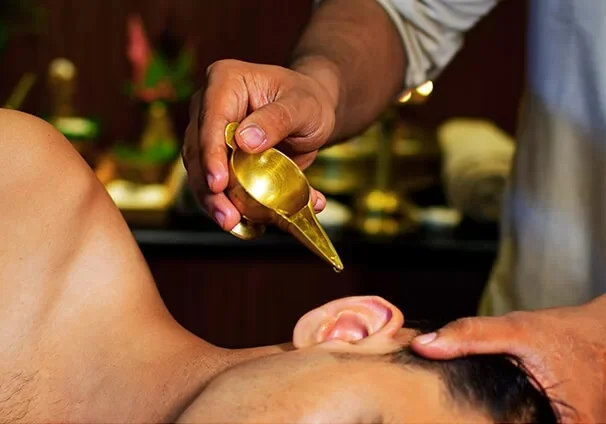
- Karna Purana is an ancient Ayurvedic therapeutic procedure in which warm, medicated oil is gently poured and retained inside the ear canal for a specific duration.
- The term comes from two Sanskrit words — Karna meaning "ear" and Purana (or Purna) meaning "filling" or "to fill completely." This simple yet profoundly effective treatment cleanses, lubricates, and nourishes the delicate tissues of the ear, helping to restore balance to the body's sensory and nervous systems. Whether you're dealing with tinnitus, earaches, hearing difficulties, or simply want to maintain healthy ears as part of your seasonal self-care routine, Karna Purana offers a time-tested solution grounded in thousands of years of Ayurvedic wisdom.
In this comprehensive guide, we'll cover everything — from classical textual references and step-by-step procedure details to dosha-specific oil recommendations, age-based adaptations, and the scientific evidence supporting this therapy.
What Is Karna Purana and Why Does Ayurveda Emphasize Ear Care?
Karna Purana is classified as a localized oleation therapy (Sthanika Snehana) in Ayurveda. Unlike full-body oil treatments such as Abhyanga, this procedure targets the ear canal specifically, delivering therapeutic oils directly where they are needed most.
The Ear as the Seat of Vata Dosha
According to Ayurvedic physiology, the ears are considered a primary seat of Vata dosha — the biological energy governing all movement, communication, and sensory perception in the body. When Vata becomes aggravated due to stress, aging, cold weather, excessive noise exposure, or irregular lifestyle habits, it manifests in the ears as:
- Dryness and itching in the ear canal
- Tinnitus (ringing or buzzing sounds)
- Earache and referred pain in the jaw or neck
- Diminished hearing
- Vertigo and dizziness
Karna Purana works directly to pacify this aggravated Vata by introducing warm, unctuous medicated oil into the ear canal. The warmth and oiliness are the exact opposite qualities (Guna) of Vata's cold, dry, and mobile nature — making this therapy a textbook example of Ayurveda's foundational principle of "Samanya Vishesha Siddhanta" (treating with opposite qualities).
Prana Vayu and Its Connection to Mind and Senses
Among the five subtypes of Vata, Prana Vayu is especially relevant here. Prana Vayu governs the mind, sensory perception, breathing, and the intake of all sensory information. It resides primarily in the head and moves downward through the sense organs.
- When Prana Vayu is disturbed, individuals may experience not just hearing problems but also anxiety, poor concentration, insomnia, and mental restlessness.
- By nourishing the ear — a direct pathway to Prana Vayu — Karna Purana has far-reaching effects beyond just the ear itself. It calms the nervous system, clears the mind, and supports healthy cognitive function.
Additionally, Ayurveda recognizes a deep connection between the ear and Asthi Dhatu (bone tissue) and Majja Dhatu (nerve and marrow tissue). Since the ear contains some of the body's tiniest bones and most sensitive nerves, nourishing these tissues through oil therapy supports both structural integrity and neurological function of the auditory system.
Classical References: What Ancient Texts Say About Karna Purana
One of the most significant gaps in existing online content about Karna Purana is the absence of specific references to classical Ayurvedic texts. Let's fix that.
Charaka Samhita
- In Charaka Samhita, Sutrasthana Chapter 5 (Matrashiteeya Adhyaya), Acharya Charaka describes the daily regimen (Dinacharya) and clearly states that regular application of oil in the ears prevents diseases caused by Vata.
- He mentions:
> "Karne tailam avashyam dhārayet — one should regularly hold oil in the ears to prevent Vata-related ear disorders, stiffness of the neck, stiffness of the jaw (Hanumanya), hearing loss (Badhirya), and other diseases of the ear."
Charaka further elaborates in Sutrasthana Chapter 5, Verse 15 that the practice of oiling the ears (Karna Tarpana) is an essential component of the daily self-care routine, alongside nasal oiling (Nasya) and head oiling (Murdha Taila).
Sushruta Samhita
Sushruta Samhita, Chikitsa Sthana Chapter 40 provides detailed descriptions of ear diseases (Karna Roga) and their treatment. Sushruta classifies 28 types of ear diseases and recommends various forms of ear therapies including Karna Purana (filling), Karna Dhupana (fumigation), and Karna Prakshalana (washing). We'll compare these in detail below.
Ashtanga Hridaya
In Ashtanga Hridaya, Sutrasthana Chapter 2 (Dinacharya Adhyaya), Acharya Vagbhata states:
> "Nityam snehardra-shirshkarnah" — the head and ears should always be kept nourished with oil.
He recommends that neglecting this practice leads to diseases like Manya Stambha (neck stiffness), Karna Shula (ear pain), and progressive hearing loss.
These references are not obscure footnotes — they form the very foundation of Ayurvedic preventive care, positioning Karna Purana not as a "nice-to-have" luxury but as a daily health necessity.
How Does Karnapurana Help in Overall Wellbeing? Key Benefits
The benefits of Karna Purana extend well beyond the ear.
Here's a comprehensive breakdown:
Benefits for Ear Health
- Relieves tinnitus: The warm oil soothes the auditory nerve endings, reducing the perception of ringing, buzzing, or whistling sounds
- Removes excess ear wax (Cerumen): The oil softens hardened wax, allowing it to drain naturally without aggressive mechanical removal
- Prevents ear infections: Many medicated oils have natural antimicrobial properties that protect the ear canal
- Improves hearing clarity: Regular lubrication of the ear canal and nourishment of the acoustic nerve enhances sound transmission
Benefits for the Nervous System and Mind
- Calms anxiety and stress: The vagus nerve, which plays a key role in the parasympathetic ("rest and digest") response, has a branch that innervates the ear canal. Warm oil stimulation of this branch activates a calming response throughout the body
- Improves sleep quality: By pacifying Vata and calming Prana Vayu, Karna Purana helps those struggling with insomnia or restless sleep
- Enhances mental clarity: Reduced sensory irritation translates to better focus and cognitive function
Benefits for Head, Neck, and Jaw
- Eases TMJ discomfort: The proximity of the ear canal to the temporomandibular joint means that warm oil therapy can relieve jaw tension and pain
- Reduces neck stiffness: Vata-related rigidity in the neck (Manya Stambha) responds well to regular ear oiling
- Relieves headaches: Especially tension-type headaches and those associated with sinus congestion or Vata imbalance
Connection Between Ears and Eyes
An interesting and often overlooked benefit — Ayurveda describes a physiological connection between the ears and eyes through internal channels (Srotas). Practitioners report that Karna Purana can produce a cooling, refreshing sensation in the eyes, and some patients experience improvement in eye strain and dry eyes following regular treatments.
Hearing Loss and Cognitive Decline: The Scientific Angle
A significant 11-year longitudinal study published by Italian researchers (involving over 2,000 elderly participants) demonstrated a clear association between hearing impairment and accelerated cognitive decline. The researchers found that individuals with untreated hearing loss experienced faster deterioration in memory, processing speed, and executive function compared to those with normal hearing.
While this study did not evaluate Karna Purana specifically, it powerfully underscores why maintaining ear health matters for brain health. By nourishing the acoustic nerve and improving the quality of auditory signals reaching the brain, Karna Purana may serve as a preventive strategy against age-related cognitive decline. Further research specifically on Ayurvedic oil therapies and otic nerve health is needed, but the mechanistic logic is sound.
Karna Purana Procedure: Step-by-Step Guide
Preparation
- Select the appropriate oil based on the patient's dosha, condition, and season (see oil selection guide below)
- Warm the oil to a comfortable temperature — slightly above body temperature (approximately 38–40°C / 100–104°F). Test by placing a drop on the inside of your wrist
- Prepare the patient: The person lies on their side with the affected ear facing upward. A small pillow supports the head for comfort
- Gentle facial massage: A brief massage around the ear, jaw, and temple area with warm oil helps relax the surrounding muscles and prepares the tissues
The Main Procedure
- Straighten the ear canal by gently pulling the outer ear (pinna) slightly upward and backward for adults — this helps the oil flow smoothly
- Pour warm oil slowly into the ear canal using a dropper or small spouted vessel. Approximately 5–10 drops, or enough to fill the ear canal comfortably
- Retain the oil for 5 to 15 minutes, depending on the condition being treated. During this time, the patient should remain still and relaxed
- Gentle tragus massage: While the oil rests in the ear, softly press and release the tragus (the small flap in front of the ear canal) to help the oil penetrate deeper
Post-Procedure Care
- Drain the oil: Have the patient turn their head so the treated ear faces downward. Place a clean cloth or tissue to catch the draining oil
- Wipe gently: Clean the outer ear with a soft, warm towel. Do not insert anything into the ear canal
- Repeat on the other side if bilateral treatment is indicated
- Protect the ears from cold wind, cold water, and loud noise for at least 2–3 hours after the procedure
- Dietary recommendations: Follow a Vata-pacifying diet on treatment days — warm, cooked foods with healthy fats; avoid cold, raw, or dry foods
Karna Purana Oil: Which Oil for Which Dosha and Condition
This is an area where no competitor provides adequate guidance. The choice of oil should be personalized based on the patient's Prakriti (constitution), the specific Vikriti (imbalance), and the season.
Dosha-Specific Oil Selection Guide
| Dosha / Condition | Recommended Oil | Properties | Best Season |
|---|---|---|---|
| Vata imbalance (dryness, tinnitus, pain) | Sesame oil, Mahanarayan Taila | Warm, heavy, deeply nourishing | Autumn & Winter (Sharad, Hemanta) |
| Pitta imbalance (inflammation, burning sensation) | Coconut oil, Brahmi Taila | Cooling, soothing, anti-inflammatory | Summer (Grishma) |
| Kapha imbalance (congestion, heavy feeling) | Mustard oil, Dashamoola Taila | Warm, penetrating, decongestant | Spring (Vasanta) |
| Ear infections (under professional supervision only) | Garlic-infused sesame oil | Antimicrobial, warming | Any season |
| General maintenance | Plain sesame oil or Bilva Taila | Balancing, protective | Year-round |
DIY Ear Oil Recipes for Home Use
Garlic-Sesame Ear Oil:
- Crush 2–3 fresh garlic cloves
- Heat in 2 tablespoons of cold-pressed sesame oil on low flame
- Cook until garlic turns light golden brown (do not burn)
- Strain through muslin cloth, cool to lukewarm temperature
- Use within 1 week; store in a clean glass bottle
Mustard-Garlic Ear Oil (for Kapha conditions):
- Combine 1 tablespoon mustard oil with 2 crushed garlic cloves
- Warm gently on the lowest heat for 3–4 minutes
- Strain and cool. Use lukewarm
Important: Always strain the oil thoroughly. No solid particles should enter the ear canal.
Karna Purana vs. Other Ayurvedic Ear Therapies
Ayurveda describes several ear-related procedures, and it's easy to confuse them.
Here's how they differ:
| Procedure | Method | Purpose | When Used |
|---|---|---|---|
| Karna Purana | Filling ear canal with warm medicated oil and retaining it | Nourishment, lubrication, Vata pacification, hearing improvement | Preventive care, chronic ear conditions, tinnitus, hearing loss |
| Karna Dhupana | Herbal fumigation — medicated smoke directed into the ear | Drying excess moisture, antimicrobial action | Kapha-dominant ear conditions, chronic ear discharge |
| Karna Prakshalana | Washing/irrigation of the ear canal with medicated decoctions | Cleansing, removing debris and accumulated discharge | Ear infections with discharge, heavy wax buildup |
| Karna Dhoopana | Similar to Dhupana but with specific drug formulations | Disinfection, drying | Post-infection recovery |
| Karna Pratisarana | Application of medicated paste to the ear canal | Local drug delivery for specific conditions | Fungal infections, localized inflammation |
Understanding these distinctions helps practitioners choose the right therapy. For instance, performing Karna Purana (oil-based) when a patient has active ear discharge from a Kapha-dominant infection would be contraindicated — Karna Dhupana or Prakshalana would be more appropriate.
Treatment Duration: How Many Sessions Do You Need?
This is another area where existing resources fall short. While individual protocols vary based on the practitioner's assessment, here are general guidelines drawn from classical recommendations and clinical practice:
| Condition | Recommended Sessions | Frequency | Notes |
|---|---|---|---|
| General prevention / self-care | Ongoing | Once weekly | Especially important in cold/dry seasons |
| Mild dryness and itching | 3–5 sessions | Daily or alternate days | Usually sufficient for mild Vata imbalance |
| Tinnitus (chronic) | 7–14 sessions | Daily | Often combined with Nasya therapy for best results |
| Hearing impairment | 14–21 sessions | Daily | Part of a broader Panchakarma protocol |
| Neck stiffness / TMJ pain | 5–7 sessions | Daily or alternate days | Combined with local Abhyanga and Swedana |
| Insomnia / anxiety-related | 7–14 sessions | Daily | Best results when combined with Shirodhara |
After completing a therapeutic course, maintenance sessions of once per week or once every two weeks are typically recommended to sustain the benefits.
Karna Purana for Children and the Elderly: Age-Specific Adaptations
For Children (Ages 3+)
Children are naturally more Kapha-dominant, but their tissues are also delicate.
Here's what to keep in mind:
- Oil quantity: Use only 2–4 drops per ear (less than adult dosage)
- Retention time: 3–5 minutes maximum — children have difficulty lying still for longer
- Oil temperature: Slightly cooler than adult temperature; always test carefully on your wrist first
- Preferred oils: Plain warm sesame oil or mild Brahmi Taila. Avoid strong oils like mustard oil
- Supervision: Never perform on a child without adult supervision. Avoid if the child has active ear infection, ear tubes (grommets), or any discharge
- When to do it: Particularly helpful during cold and flu season, or when children have frequent upper respiratory infections
Note: Do not perform Karna Purana on infants or children under 3 years without direct guidance from an Ayurvedic physician.
For Elderly Individuals (65+)
Elderly individuals are naturally more Vata-dominant, making them prime candidates for regular Karna Purana.
However, certain adaptations are necessary:
- Oil quantity: Standard adult dosage (5–10 drops), but ensure thorough drainage afterward
- Retention time: Can extend up to 15–20 minutes if tolerated comfortably
- Preferred oils: Warm sesame oil or Mahanarayan Taila — deeply nourishing and Vata-pacifying
- Frequency: Ideally 2–3 times per week as part of regular Dinacharya
- Special considerations: Many elderly individuals have hearing aids; ensure the ear is completely dry before reinserting any device. Check for pre-existing perforations before starting therapy
- Combined approach: Best results when combined with regular Nasya (nasal oil therapy) and gentle scalp massage with Brahmi oil
Seasonal Recommendations (Ritucharya) for Karna Purana
Ayurveda's concept of Ritucharya (seasonal regimen) provides clear guidance on when and how to adapt Karna Purana throughout the year:
| Season (Ritu) | Months (approx.) | Vata Status | Recommendation |
|---|---|---|---|
| Hemanta (Early Winter) | Nov–Jan | Vata accumulating | Perform 2–3 times/week with warm sesame oil |
| Shishira (Late Winter) | Jan–Mar | Vata aggravated | Perform daily; use Mahanarayan or Dashamoola Taila |
| Vasanta (Spring) | Mar–May | Kapha rising, Vata subsiding | Reduce to once/week; consider lighter oils |
| Grishma (Summer) | May–Jul | Vata mild, Pitta rising | Once/week with cooling oils (coconut or Brahmi Taila) |
| Varsha (Monsoon) | Jul–Sep | Vata strongly aggravated | Perform 2–3 times/week; warm sesame oil is ideal |
| Sharad (Autumn) | Sep–Nov | Pitta subsiding, Vata accumulating | Transition to regular practice; sesame oil or Bilva Taila |
The monsoon and winter seasons are when Vata aggravation peaks, making these the most critical periods for consistent Karna Purana practice. In summer, the therapy can still be beneficial, but cooling oils should replace warming ones to avoid aggravating Pitta.
Contraindications and Safety Precautions
Karna Purana is generally considered very safe, but there are important contraindications:
- Perforated eardrum (Tympanic membrane perforation): Oil must not enter the middle ear; this is an absolute contraindication
- Active ear infection with discharge: Introducing oil into an infected, draining ear can worsen the condition
- Significant ear canal swelling or inflammation: Wait until acute swelling subsides
- Recent ear surgery: Consult your surgeon before attempting any ear therapy
- Foreign body in the ear: Must be removed first by a qualified professional
General safety tips:
- Always use fresh, clean, and properly strained oil
- Never use oil that is too hot — this can cause burns to the sensitive ear canal lining
- If you experience pain, dizziness, or nausea during the procedure, stop immediately and consult a practitioner
- Karna Purana is ideally performed or supervised by a qualified Ayurvedic practitioner, especially for therapeutic (not preventive) purposes
Karna Purana as Part of Panchakarma
Within the broader Panchakarma framework, Karna Purana is classified as a Poorvakarma (preparatory procedure) or a standalone local therapy.
It is often prescribed alongside:
- Nasya (nasal oil therapy) — for comprehensive head and sensory organ care
- Shirodhara (continuous oil stream on the forehead) — for neurological and psychological conditions
- Abhyanga (full-body oil massage) — as part of complete Vata-pacifying protocols
- Swedana (herbal steam therapy) — to enhance oil absorption and tissue penetration
In a full Panchakarma detox program, Karna Purana may be performed daily for 7–21 days depending on the treatment goals. Costs for this vary widely by clinic and location. In India, a single Karna Purana session typically ranges from ₹400–₹800, while packaged treatments (5–7 sessions) may cost ₹2,000–₹4,500.
Frequently Asked Questions (FAQ)
Is Karna Purana safe to do at home?
Yes, for preventive and general wellness purposes, Karna Purana can be safely performed at home using plain warm sesame oil. However, if you have any existing ear condition (infection, perforation, hearing loss, or chronic tinnitus), always consult a qualified Ayurvedic doctor before self-administering. Therapeutic-grade treatments with specific medicated oils should be done under professional supervision.
How often should I do Karna Purana?
For general maintenance, once a week is a good starting point — especially during cold, dry, or windy seasons when Vata is naturally elevated. For therapeutic purposes (like chronic tinnitus or hearing issues), daily sessions for 7–21 days may be recommended by your practitioner, followed by weekly maintenance.
What is the best oil for Karna Purana?
There's no single "best" oil — it depends on your dosha and condition. Sesame oil is the most universally used and is excellent for Vata-type conditions. Coconut oil or Brahmi Taila is better for Pitta conditions. Mustard oil or Dashamoola Taila works well for Kapha-related congestion. When in doubt, plain organic cold-pressed sesame oil is a safe and effective default choice.
Can Karna Purana cure tinnitus?
Ayurvedic practitioners report significant improvement in tinnitus symptoms with regular Karna Purana, particularly when combined with Nasya and dietary modifications. However, results vary depending on the underlying cause. Tinnitus caused by Vata aggravation (stress, aging, noise exposure) tends to respond well. Tinnitus caused by structural damage or neurological conditions may require a more comprehensive treatment approach.
Is Ayurveda 100% natural?
Classical Ayurveda primarily uses natural substances — herbs, minerals, oils, and dietary modifications. However, "natural" does not automatically mean "safe for everyone." Ayurvedic treatments should be individualized based on your constitution and condition, and some formulations contain processed minerals (Rasa Shastra) that require expert preparation and prescription.
How does Karna Purana differ from simply putting oil drops in the ear?
The key difference is retention and intention. In Karna Purana, a specific quantity of warm medicated oil is retained in the ear for a defined duration (5–15 minutes), often accompanied by gentle tragus massage and followed by proper drainage and post-care. Simple ear drops are a quick intervention, while Karna Purana is a complete therapeutic procedure with preparation, execution, and aftercare — designed to deeply nourish the ear tissues rather than just provide surface-level moisture.
Conclusion: Embrace This Ancient Practice for Modern Wellness
Karna Purana is one of those rare Ayurvedic practices that is simultaneously simple enough to do at home and powerful enough to deliver real therapeutic results. Backed by classical textual authority from the Charaka Samhita, Sushruta Samhita, and Ashtanga Hridaya — and supported by modern understanding of the ear-brain connection — this therapy deserves a central place in your wellness routine.
Whether you're a young professional dealing with headphone-related ear fatigue, a parent looking after your child's ear health during winter, or an elderly individual wanting to preserve hearing and cognitive sharpness, Karna Purana has something to offer.
- Start with a simple weekly practice using warm sesame oil.
- Pay attention to how your ears — and your mind — respond. And for specific health concerns, don't hesitate to consult a qualified Ayurvedic practitioner who can tailor the oil selection, duration, and frequency to your unique constitution.
Your ears are the gateway to sound, balance, and mental clarity. Nourish them well.
Scientific Sources
- Ayurveda in Contemporary Healthcare: A Narrative Overview of Select Therapeutic Interventions and Their Emerging Clinical and Mechanistic Perspectives — Anirudhan R et al., 2026, Cureus
- A Comprehensive Review on Physiological Effects of Curcumin — Ahsan R et al., 2020, Drug research
- Ayurveda management of migraine - a case report — Patil G et al., 2024, Journal of Ayurveda and integrative medicine
- Valorization of non-edible fruit seeds into valuable products: A sustainable approach towards circular bioeconomy — Kumar H et al., 2024, The Science of the total environment
- The Phytoneuroendocrine System: Connecting Plants to Human Systems Biology — Minich DM, 2024, Integrative medicine (Encinitas, Calif.)
- Ayurveda: a historical perspective and principles of the traditional healthcare system in India — Mishra L et al., 2001, Alternative therapies in health and medicine
- Tannoid principles of Emblica officinalis attenuated aluminum chloride induced apoptosis by suppressing oxidative stress and tau pathology via Akt/GSK-3βsignaling pathway — Justin Thenmozhi A et al., 2016, Journal of ethnopharmacology
- A review on traditional practice of tooth brushing in Ayurveda and its relevance in current era — Devi D et al., 2019, Journal of complementary & integrative medicine
- Genomic insights into ayurvedic and western approaches to personalized medicine — Prasher B et al., 2016, Journal of genetics
- A comprehensive review on the implications of Yogic/Sattvic diet in reducing inflammation in type 2 diabetes — Vallazhath A et al., 2025, Nutrition & diabetes
- Introduction to pushpa ayurveda — Varadhan KP, 1985, Ancient science of life
- An 'Ayurveda-Biology' platform for integrative diabetes management — Thottapillil A et al., 2021, Journal of ethnopharmacology
- Significance of Shringagrahika Nyaya (maxim) in understanding Charaka Samhita in context to commentary of Chakrapani — Chinthala R et al., 2018, Ayu
- Fundamental principles of ayurveda - part iv — Pandya VN, 1983, Ancient science of life
- Protocol based pain management by Ayurveda parasurgical procedures W.S.R to musculoskeletal pain and its critical appraisal - An open labeled clinical trial — Mishra V et al., 2022, Journal of Ayurveda and integrative medicine
- Concept of Satkaaryavaada in Darshana and its application in Ayurveda — Anupam A et al., 2013, Ayu
- Asparagus racemosus--ethnopharmacological evaluation and conservation needs — Bopana N et al., 2007, Journal of ethnopharmacology
- Ayurveda management of a patient having bronchial asthma and hemorrhoids- A case report — Khobarkar P et al., 2024, Journal of Ayurveda and integrative medicine
- Use of complementary and alternative medicine in epilepsy — Ricotti V et al., 2006, Current neurology and neuroscience reports
- Nano-Ayurvedic Medicine Approaches Using Ginkgo biloba-Phytochemicals Functionalized Gold Nanoparticles Against Breast Cancer — Thipe VC et al., 2024, Nanotechnology, science and applications
उपयोगकर्ताओं के प्रश्न
Is Karna Purana suitable for individuals with sensitive skin?
Client_2819f0
4 दिनों पहले
Karna Purana may not be ideal for individuals with sensitive skin due to the potential for irritation from the warm, medicated oil used in the procedure. If your skin, particularly around the ears, is prone to reactions, exercise caution. It's crucial to test the oil on a small skin patch first to check for any adverse reactions. Always avoid Karna Purana if you have an ear condition, as the presence of oil can complicate existing issues. Consulting with a healthcare provider or a qualified Ayurvedic practitioner before undergoing this treatment is advisable, especially if you have sensitive skin or ear health concerns.
What dietary changes should accompany Karna Purana treatments?
Client_ecb83c
9 दिनों पहले
When undergoing Karna Purana treatments, it's advisable to follow a Vata-pacifying diet. This includes consuming warm, cooked foods with healthy fats like ghee or sesame oil, while avoiding cold, raw, or dry foods that can aggravate Vata. Such dietary changes can support the calming effect of the treatment, particularly if it aims to alleviate issues like tinnitus or ear congestion associated with imbalances. If symptoms persist or worsen, consult a healthcare professional to determine the underlying cause and explore comprehensive treatment options.
What precautions should be taken when performing Karna Purana on elderly individuals?
Client_22e8b4
14 दिनों पहले
When performing Karna Purana on elderly individuals, use lukewarm oil like sesame oil instead of strong oils such as mustard oil to avoid irritation. Ensure the oil is thoroughly strained to remove any impurities. Elderly individuals often have sensitive ear tissue and may be more prone to complications. Monitor for any signs of discomfort or allergic reaction. Consultation with a healthcare professional is recommended, especially if the individual has existing ear issues or hearing impairments. Avoid performing the procedure if there are signs of ear infection or discharge.
Can Karna Purana treatments be combined with other Ayurvedic therapies?
Client_e28392
19 दिनों पहले
Yes, Karna Purana treatments can be combined with other Ayurvedic therapies, but it is essential to do so under the guidance of a qualified Ayurvedic practitioner. Combining therapies such as Abhyanga (full-body oil massage) with Karna Purana (ear oiling) can support overall balance, particularly if tailored to your specific doshic needs and health conditions. These combined treatments may address multiple aspects of health, such as stress relief and sensory function. However, always consult with a healthcare professional, especially if you have ear conditions or are taking medications.
How often should Karna Purana treatments be administered for best results?
Client_320a67
29 दिनों पहले
For best results, Karna Purana, which involves the application of warm oil into the ears, is often recommended once a week. However, the frequency should be adjusted based on individual needs and conditions. It's important to consult a qualified healthcare provider, especially if you're experiencing symptoms like persistent ear pain, infection, or fluid discharge, as this practice may not be safe in all cases. While Ayurveda suggests benefits for conditions like tinnitus or cognitive decline, typical effects may vary, and professional guidance is crucial.
What are the benefits of Karna Purana for overall respiratory health?
Client_a2ee77
39 दिनों पहले
Karna Purana, an Ayurvedic ear oiling practice, primarily benefits ear health by nourishing ear tissues, which may indirectly support overall respiratory wellness. While it doesn't directly enhance respiratory health, by calming Prana Vayu and relieving stress, it may promote an indirect sense of well-being, potentially improving mental rest. While some practitioners suggest it might affect nearby systems due to the connection of Prana Vayu with the body's sensory pathways, scientific backing is limited. Results can vary and any persistent respiratory issues should be evaluated by a healthcare professional.
How can I enhance the effectiveness of Karna Purana treatments at home?
Client_7ac39a
49 दिनों पहले
To enhance the effectiveness of Karna Purana treatments at home, consistently use warm, quality medicated oils specifically designed for ear health. Ensure the oil is warm, not hot, to avoid burns. Retain it in the ear for 5-15 minutes, which helps the oil absorb properly; use a timer for accuracy. Follow with a gentle tragus massage to aid oil absorption, and clean the outer ear with a warm towel after draining. Avoid if you have an ear infection or perforated eardrum. If any discomfort or prolonged issues occur, consult a healthcare professional.
How does Karna Purana support better ear health during winter months?
Client_c675d0
58 दिनों पहले
Karna Purana, the practice of pouring warm oil into the ears, is believed to support ear health, especially during the winter months. The technique involves using lukewarm oils like mustard oil or Dashamoola Taila, which can help in maintaining moisture and warmth, potentially alleviating discomfort from cold weather. It may protect against ailments such as ear pain and stiffness noted in traditional texts. However, effectiveness varies individually. If ear pain persists or if there's hearing loss, consult with a healthcare professional. Always ensure the oil is free of debris and not too hot to prevent injury.
What is the recommended temperature for the oil used in Karna Purana treatments?
Client_5f95fe
68 दिनों पहले
The recommended temperature for the oil in Karna Purana treatments is lukewarm. It should be warm enough to be comforting but not so hot that it causes discomfort. It’s important to let the oil cool a bit on the back of your hand to test it before using. If you’re unsure, consulting a practitioner would be great too!
Is Karna Purana effective for managing earwax buildup?
Client_fa9ec2
78 दिनों पहले
Yes, Karna Purana can indeed help with earwax buildup! It uses warm oil to soften and help remove the excess wax, especially if it's related to Kapha dosha. Just make sure to use the right oil based on your constitution and maybe chat with an Ayurvedic pro to get it just right. And remember, more isn't always better!
संबंधित आलेख

Ear, Nose, and Throat Disorders
How to Open a Blocked Ear at Home: Natural Ayurvedic Techniques
Discover how to open a blocked ear at home using Ayurvedic tips. Learn safe ways to unblock ears due to cold, wax, or pressure. Natural relief, no tools
4,942

Ear, Nose, and Throat Disorders
Grihadhoomadi Choornam: A Potent Ayurvedic Solution for Respiratory Health
Grihadhoomadi Choornam is a traditional Ayurvedic medicine widely recognized for its effectiveness in treating respiratory and nasal disorders
2,709

Ear, Nose, and Throat Disorders
साइनसाइटिस के लिए बेस्ट आयुर्वेदिक नाक की बूंदें: प्राकृतिक उपचार और फायदे
साइनसाइटिस के लिए सबसे अच्छे आयुर्वेदिक नाक के ड्रॉप्स की खोज करें। जानें कि अनु तैल, शदबिंदु तैल और अन्य हर्बल तेल कैसे साइनसाइटिस के लक्षणों को प्राकृतिक रूप से कम कर सकते हैं। पारंपरिक आयुर्वेदिक ज्ञान के आधार पर फायदों, उपयोग के टिप्स और विशेषज्ञों की राय का अन्वेषण करें।
7,185

Ear, Nose, and Throat Disorders
कौन सा जूस गले के दर्द और खराश में राहत देता है?
जानें कौन सा जूस गले के दर्द और खराश में राहत देता है। आयुर्वेदिक पेय और फलों के जूस के बारे में जानें जो जलन को शांत करते हैं और ठीक होने में मदद करते हैं।
9,647

Ear, Nose, and Throat Disorders
Vishwachi in Ayurveda – Traditional Herbal Remedy & Therapeutic Benefits
Discover the traditional uses and benefits of Vishwachi in Ayurveda. Learn about its rejuvenative properties, therapeutic applications, and how it supports holistic health and vitality.
2,978

Ear, Nose, and Throat Disorders
Karna Bindu Ear Drops: Ayurvedic Ear Care for Healthy Hearing
Explore Karna Bindu Ear Drops, an Ayurvedic formulation for ear health. Learn about its benefits, uses, dosage guidelines, and holistic applications for optimal auditory well-being.
3,564

Ear, Nose, and Throat Disorders
Shadbindu Tail Benefits How To Use Ingredients Side Effects
Exploration of Shadbindu Tail Benefits How To Use Ingredients Side Effects
6,218

Ear, Nose, and Throat Disorders
Narasimha Churna – Ayurvedic Powder for Digestive Health and Immunity Boost
Learn about the uses and benefits of Narasimha Churna, a powerful Ayurvedic powder formulated to improve digestion, boost immunity, and promote overall well-being.
3,695
Ear, Nose, and Throat Disorders
Amodini Tablet Uncovered: The Secret to Boosting Digestion & Gut Health!
Explore the health benefits of Amodini Tablet, an Ayurvedic remedy designed for hormonal balance, menstrual health, and overall wellness in women.
2,544

Ear, Nose, and Throat Disorders
Deepika Taila: Boost Digestion and Metabolism Naturally
Explore Deepika Taila, an Ayurvedic oil with therapeutic benefits, natural remedies, and holistic applications to enhance well-being using ancient wisdom.
3,841
विषय से संबंधित परामर्श
अतिरिक्त दस्तावेज़
© 2024 Ask Ayurveda. सर्वाधिकार सुरक्षित।