आयुर्वेदिक डॉक्टर से प्रश्न पूछें और निःशुल्क या भुगतान मोड में अपनी चिंता की समस्या पर ऑनलाइन परामर्श प्राप्त करें। 2,000 से अधिक अनुभवी डॉक्टर हमारी साइट पर काम करते हैं और आपके प्रश्नों का इंतजार करते हैं और उपयोगकर्ताओं को उनकी स्वास्थ्य समस्याओं को हल करने में प्रतिदिन मदद करते हैं।


Body DetoxEar, Nose, and Throat DisordersGeriatrics & RejuvenationImmunodeficiencyInfertility TreatmentNutritionOrthopedic DisordersPediatricsRespiratory DisordersSexually Transmitted Diseases (STDs)Surgery RecoveryUrological DisordersVascular DisordersDental DisordersEndocrinological DisordersGastrointestinal DisordersYoga TherapyGeneral MedicineAllergic DisordersCardio DisordersGynecology and ObstetricsCosmetologySkin and Hair DisordersEye DisordersInfectious DiseasesMental DisordersNeurological DisordersOncologyPanchakarmaSexual Health & DisordersSports Medicine
पर प्रकाशित 10/08/24
(को अपडेट 08/15/26)
star_border 4.67
229,241
Ayurvedic Treatments and Remedies for Skin Diseases
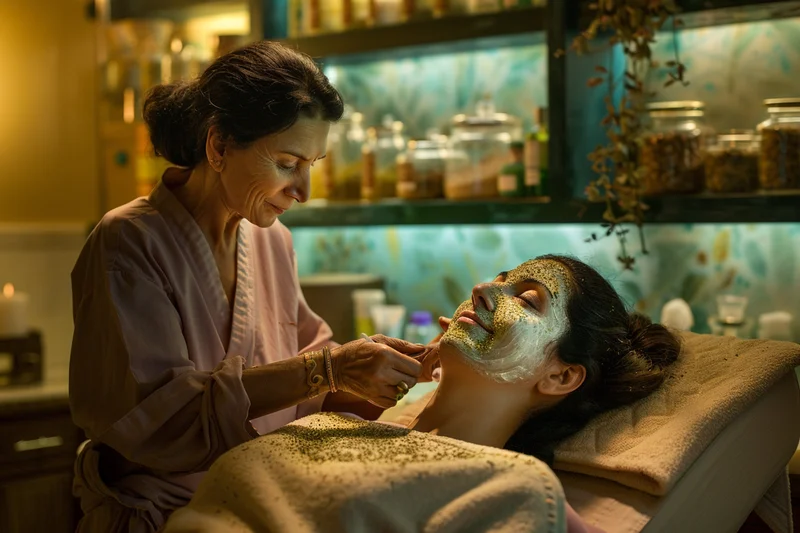
Ayurvedic treatment for skin diseases works by addressing the root cause of skin problems — internal imbalances of doshas, accumulation of toxins (Ama), and impaired digestion (Agni) — rather than just suppressing external symptoms. This ancient system classifies all skin disorders under the umbrella term Kushtha Roga and employs a combination of Panchakarma detoxification, herbal medicines, external therapies, dietary modifications, and lifestyle changes to restore skin health from the inside out. A 2015 case study published in the Journal of Ayurveda and Integrative Medicine documented complete remission of life-threatening erythroderma using Ayurvedic protocols when conventional medicine had limited success, demonstrating the real therapeutic potential of this approach.
But here's what most guides won't tell you: Ayurvedic treatment is not a one-size-fits-all solution, and it's not always the right first choice. This guide covers not only how Ayurveda treats skin diseases effectively, but also when you should seek conventional medical help, what realistic timelines look like, potential side effects, and how to integrate Ayurveda with modern dermatology safely.
Understanding Skin Diseases in Ayurveda: The Dosha Connection
In Ayurveda, skin health is considered a direct reflection of your internal state — your digestion, your emotional balance, and the harmony of your three fundamental energies or doshas: Vata, Pitta, and Kapha. Unlike modern dermatology which categorizes skin conditions primarily by their clinical presentation, Ayurveda looks at the origin of the disease within the body's energetic framework.
What Is Kushtha Roga? The Ayurvedic Classification
The classical Ayurvedic text Charaka Samhita classifies all skin diseases under Kushtha Roga, dividing them into two major categories:
| Category | Number of Types | Key Examples | Dosha Involvement |
|---|---|---|---|
| Mahakushtha (Major skin diseases) | 7 types | Kapala, Audumbara, Mandala, Rishyajihva, Pundarika, Sidhma, Kakanaka | Deep-seated, involving multiple doshas and dhatus |
| Kshudrakushtha (Minor skin diseases) | 11 types | Ekakushtha (psoriasis), Kitibha, Vipadika, Dadru (ringworm), Charmadala, Pama (scabies) | Relatively superficial, often single dosha dominance |
This gives us 18 distinct types of skin diseases — a surprisingly comprehensive system developed thousands of years before modern dermatological classification.
How Vata, Pitta, and Kapha Affect Your Skin
Each dosha creates a distinct pattern of skin problems:
- Vata-type skin disorders: Dryness, roughness, cracking, scaling, darkish discoloration. Think dry eczema, psoriasis with thick scaling, and fissures on palms and soles. Vata skin is naturally thin and prone to premature aging.
- Pitta-type skin disorders: Redness, burning sensation, inflammation, pus formation, bleeding. Conditions like acne rosacea, inflammatory dermatitis, urticaria, and photosensitive reactions. Pitta skin is sensitive and reactive.
- Kapha-type skin disorders: Itching, oozing, swelling, whitish discoloration, slow-healing wounds. Fungal infections, weeping eczema, and conditions with mucoid discharge. Kapha skin is thick, oily and prone to congestion.
Most chronic skin conditions involve two or all three doshas, which is precisely why Ayurvedic treatment is personalized based on your unique Prakriti (constitutional type) and the specific dosha imbalance present.
The Role of Agni, Ama, and Dhatus in Skin Disease
This is where Ayurveda gets really interesting — and where it fundamentally differs from modern approaches.
Agni (digestive fire) is considered the cornerstone of skin health. When Agni is weak or irregular, food isn't properly digested, producing Ama — a toxic, sticky residue that enters the bloodstream and eventually manifests in the skin. A 2018 review in the International Journal of Ayurvedic Medicine noted that Ama accumulation disrupts the normal nutrition of skin tissues and creates a favorable environment for disease.
The pathway of skin disease in Ayurveda involves specific Dhatus (body tissues):
- 1.Rasa Dhatu (plasma/nutrient fluid) — first affected, causing dullness and dryness
- 2.Rakta Dhatu (blood tissue) — causes inflammation, redness, and pigmentation changes
- 3.Mamsa Dhatu (muscle tissue) — leads to deeper lesions, nodules, and ulceration
- 4.Meda Dhatu (fat tissue) — creates oozing, swelling, and slow-healing wounds
Understanding which dhatus are involved helps Ayurvedic practitioners determine the depth and chronicity of the condition — and choose appropriate treatment intensity.
The Concept of Ojas and Skin Immunity
Ojas is the subtle essence of all dhatus — think of it as your body's vital reserve of immunity and resilience. When Ojas is depleted through chronic stress, poor diet, inadequate sleep, or excessive activity, the skin loses its natural luster and becomes vulnerable to infections and chronic disease. Rejuvenation therapies (Rasayana) in Ayurveda specifically aim to restore Ojas, which explains why Ayurvedic skin treatment often includes immune-boosting formulations alongside direct skin remedies.
What Are the Causes of Skin Disorders? Ayurvedic and Modern Perspectives
Ayurveda identifies both internal and external causative factors for skin diseases, and interestingly, modern research is increasingly validating many of these ancient observations.
Internal Causes (Nija Hetu)
- Viruddha Ahara (incompatible food combinations) — consuming fish with milk, honey with ghee in equal quantities, or sour fruits with milk. A concept once dismissed by modern science, but a 2020 study in Frontiers in Nutrition confirmed that certain food combinations can trigger immune-mediated skin reactions.
- Impaired Agni leading to Ama formation — essentially, poor gut health. The modern gut-skin axis research (published extensively in journals like Gut Microbes) now confirms that intestinal permeability and dysbiosis directly contribute to inflammatory skin conditions.
- Suppression of natural urges (vomiting, urination, etc.) — disrupts normal physiological detoxification
- Excessive intake of salty, sour, and heavy foods — aggravates Pitta and Kapha
- Stress and emotional disturbances — depletes Ojas and aggravates Pitta
External Causes (Agantuja Hetu)
- Environmental pollution and chemical exposure
- Prolonged sun or heat exposure
- Contact with allergens or irritants
- Poor hygiene practices
- Insect bites and microbial infections
Modern Contributing Factors
- Overuse of topical steroids (leading to steroid-dependent dermatitis — a growing problem)
- Antibiotic resistance in bacterial skin infections
- Hormonal imbalances (PCOS-related acne, thyroid-related skin changes)
- Autoimmune dysfunction (psoriasis, vitiligo, lupus-related skin problems)
Panchakarma: The Foundation of Ayurvedic Skin Treatment
Panchakarma — literally meaning "five actions" — is the most intensive and arguably the most effective Ayurvedic approach for chronic and severe skin diseases. It works by systematically removing deep-seated toxins from the body.
Virechana (Therapeutic Purgation)
Virechana is considered the single most important Panchakarma procedure for skin diseases, especially those involving Pitta and Rakta (blood) vitiation. It involves administering medicated purgatives after proper oleation (Snehana) and sudation (Swedana) preparation — usually over 7-10 days.
A clinical study published in AYU Journal (2014) found that Virechana with Trivrit Lehya showed 68% improvement in symptoms of chronic eczema over a 30-day treatment period. The procedure specifically targets the liver and small intestine, which Ayurveda considers the primary seats of Pitta.
Vamana (Therapeutic Emesis)
Vamana is indicated primarily for Kapha-dominant skin conditions — those with oozing, itching, swelling, and whitish discoloration. It involves induced vomiting after proper preparation and is particularly effective for conditions like chronic urticaria and Kapha-type eczema.
Important: Vamana should only be performed by an experienced Panchakarma physician. It's contraindicated in children, elderly, pregnant women, and individuals with cardiac conditions.
Raktamokshana (Bloodletting Therapy)
This is perhaps the most fascinating — and most misunderstood — Panchakarma procedure for skin diseases.
Jalaukavacharana (Leech Therapy)
Leech therapy involves applying medicinal leeches (Jalauka) to affected skin areas. The leech saliva contains over 100 bioactive substances including hirudin (anticoagulant), hyaluronidase (improves tissue permeability), and eglin (anti-inflammatory). A 2017 systematic review in the Journal of Clinical & Diagnostic Research concluded that leech therapy showed significant benefits in localized skin conditions, particularly eczema, psoriasis and non-healing ulcers.
Raktamokshana also includes Siravedha (venipuncture) and Pracchana (scarification), though leech therapy is most commonly used for skin conditions today.
Nasya and Basti — Supporting Therapies
- Nasya (nasal administration of medicated oils) — helps in skin diseases affecting the face, particularly acne and rosacea, by clearing toxins from the head region
- Basti (medicated enema) — essential for Vata-dominant skin conditions like dry psoriasis and chronic eczema with fissuring. Tikta Kshira Basti (bitter herb decoction with milk enema) is specifically indicated for skin diseases in classical texts
Best Ayurvedic Herbs and Medicines for Skin Disease
This is what most people search for — and with good reason. Ayurvedic herbs for skin conditions have some of the strongest research backing in all of traditional medicine.
Top Evidence-Based Herbs for Skin
| Herb | Sanskrit Name | Best For | Key Evidence |
|---|---|---|---|
| Neem | Nimba | Fungal infections, acne, bacterial skin infections | A 2019 study in Pharmacognosy Reviews confirmed antifungal, antibacterial, and anti-inflammatory properties |
| Turmeric | Haridra | Psoriasis, eczema, inflammatory conditions | Curcumin shown to inhibit TNF-alpha and NF-kB pathways (2016, Phytotherapy Research) |
| Manjistha | Manjistha | Blood purification, pigmentation disorders, acne scars | Rubia cordifolia demonstrated hepatoprotective and blood-purifying activity (J Ethnopharmacology, 2014) |
| Aloe Vera | Kumari | Burns, wound healing, dry skin conditions | Well-established wound healing properties confirmed in multiple RCTs |
| Indian Sarsaparilla | Sariva | Blood disorders, burning skin, chronic dermatitis | Hemidesmus indicus showed significant anti-inflammatory and antipruritic activity |
| Sandalwood | Raktachandana | Burning sensation, rashes, acne | Proven cooling and anti-inflammatory properties |
| Triphala | Triphala | Internal detoxification, antioxidant support | Rich in gallic acid and ellagic acid; shown to support gut microbiome health |
| Bakuchi | Psoralea corylifolia | Vitiligo, leukoderma | Psoralen compound used in PUVA therapy worldwide — originally derived from this Ayurvedic herb |
| Khadira | Acacia catechu | Chronic skin conditions, blood purification | Classical "skin herb" mentioned extensively in Charaka Samhita |
Key Ayurvedic Formulations for Skin Diseases
Based on classical texts and clinical practice, here are the most commonly prescribed Ayurvedic formulations:
Internal medicines:
- Arogyavardhini Vati — 250-500mg twice daily; works on liver-skin axis; effective for chronic dermatitis and psoriasis
- Kaishora Guggulu — 500mg twice daily; anti-inflammatory, particularly for Pitta-Rakta conditions
- Khadirarista — 15-20ml with equal water after meals; classical blood purifier for chronic skin diseases
- Panchatikta Ghrita — 1-2 teaspoons with warm water; medicated ghee specifically formulated for skin disorders
- Gandhaka Rasayana — purified sulfur preparation; particularly effective for scabies, fungal infections, and chronic eczema
- Rasamanikya — purified arsenic preparation; used for psoriasis under strict medical supervision only
External applications:
- Jatyadi Taila — for non-healing wounds and ulcers
- Eladi Coconut Oil — for general skin nourishment and Pitta pacification
- Pinda Taila — for inflammatory skin conditions with burning
- Nalpamaradi Keram — traditional Kerala formulation for skin brightening and even tone
⚠️ Critical note: Formulations containing metals or minerals (Rasa Shastra preparations like Rasamanikya) should ONLY be taken under qualified medical supervision with proper purification (Shodhana) processes verified.
Disease-Specific Ayurvedic Treatment Protocols
Here's what no other guide gives you — structured treatment approaches for specific conditions with realistic timelines.
Psoriasis (Ekakushtha)
Protocol:
- 1.Panchakarma: Virechana (primary) + Tikta Kshira Basti cycle — 21-28 days intensive
- 2.Internal medicines: Panchatikta Ghrita Guggulu + Arogyavardhini Vati + Khadirarista
- 3.External: Pinda Taila application + Lepam with Neem and Turmeric paste
- 4.Diet: Strict elimination of dairy, nightshades, fermented foods, red meat
Realistic timeline: Initial improvement in 4-6 weeks; significant clearance in 3-6 months; maintenance phase of 6-12 months. Psoriasis being autoimmune in nature, complete "cure" isn't guaranteed, but long-term remission is achievable.
Eczema/Dermatitis (Vicharchika)
Protocol:
- 1.Panchakarma: Virechana (for Pitta type) or Vamana (for Kapha type) + local Dhara
- 2.Internal: Kaishora Guggulu + Manjistha capsules + Triphala
- 3.External: Jatyadi Taila or Nalpamaradi Keram depending on type
- 4.Lifestyle: Stress management through Yoga Nidra and Pranayama
Realistic timeline: Acute flares respond in 2-4 weeks; chronic eczema needs 2-4 months for stable improvement.
Vitiligo (Shvitra/Kilasa)
Protocol:
- 1.Internal: Bakuchi (Psoralea) preparations + Manjistha + Arogyavardhini Vati
- 2.External: Bakuchi oil application + controlled sun exposure (phototherapy)
- 3.Panchakarma: Virechana followed by Rasayana therapy to boost Ojas
Realistic timeline: This is a slow-responding condition. Initial repigmentation may take 3-6 months; substantial improvement needs 12-18 months of consistent treatment. Small, recent patches respond best.
Fungal Infections (Dadru)
Protocol:
- 1.Internal: Gandhaka Rasayana + Neem capsules + Khadirarista
- 2.External: Neem oil + Turmeric paste application; Karanja (Pongamia) oil
- 3.Hygiene: Crucially important — cotton clothing, keep areas dry, avoid sharing personal items
Realistic timeline: Superficial fungal infections respond well in 2-6 weeks; chronic or widespread infections may need 2-3 months.
Acne (Yauvan Pidika)
Protocol:
- 1.Internal: Sariva syrup + Manjistha + mild Virechana if severe
- 2.External: Kumkumadi Taila + Lepam with Multani mitti, Neem, and Sandalwood
- 3.Diet: Eliminate sugar, excess dairy, oily/fried foods
Realistic timeline: Mild acne — 4-6 weeks; moderate to severe cystic acne — 3-4 months.
स्वयं दवा न लें और प्रतीक्षा न करें। अभी डॉक्टर से चैट शुरू करें
External Therapies (Bahya Chikitsa) for Skin Diseases
Lepam (Herbal Paste Application)
Medicated herbal pastes are applied to affected areas and left for 30-45 minutes. Common Lepam formulations include Eladi Lepam (for inflammation), Dasanga Lepam (for infections), and customized pastes based on individual condition.
Dhara (Pouring Therapy)
Takra Dhara (medicated buttermilk) or Kashaya Dhara (herbal decoction) poured over affected skin in a steady stream. Particularly effective for psoriasis and chronic eczema with significant inflammation.
Abhyanga (Oil Massage)
- Whole-body oil massage with medicated oils improves circulation, nourishes skin tissues, and pacifies Vata.
- Oils are selected based on dosha — coconut for Pitta, sesame for Vata, and mustard or Neem for Kapha conditions.
Ayurvedic Diet for Skin Diseases: What to Eat and Avoid
Diet is not supplementary to Ayurvedic skin treatment — it IS a core part of the treatment. Ignore dietary recommendations, and even the best Panchakarma results won't last.
Foods to Include
- Bitter vegetables: Bitter gourd, drumstick, neem flowers — pacify Pitta and purify blood
- Green leafy vegetables: Spinach, fenugreek leaves, amaranth
- Whole grains: Old rice (more than 1 year), barley, millet — light on digestion
- Mung dal: The most easily digested lentil, recommended in almost every skin condition
- Ghee (clarified butter): In moderate amounts — carries medicinal properties deep into tissues and supports Agni
- Warm water: Throughout the day, aids detoxification
- Seasonal fruits: Pomegranate, amla (Indian gooseberry), papaya
Foods to Strictly Avoid
- Viruddha Ahara (incompatible combinations): Fish + milk, honey + ghee in equal quantity, fruit + milk
- Excess sour foods: Vinegar, pickles, citrus in excess, tamarind, fermented foods
- Excess salt: Aggravates Pitta and Kapha, worsens inflammation
- Heavy-to-digest foods: Red meat, fried foods, processed foods, excessive cheese
- Alcohol and caffeine: Direct Pitta aggravators
- Curd/yogurt (especially at night): Creates Ama and aggravates Kapha-Pitta
- Junk and processed food: Obvious, but bears repeating
Seasonal Skin Care Tips (Ritucharya)
Ayurveda emphasizes seasonal routines for skin health — something completely missing from conventional dermatology:
- Summer (Grishma): Use coconut oil externally, increase cooling foods, avoid excessive sun exposure. Pitta-type skin conditions often worsen.
- Monsoon (Varsha): Fungal infections peak. Use Neem-based products, keep skin dry, light diet with ginger and turmeric.
- Winter (Shishira/Hemanta): Vata aggravation causes dryness and cracking. Increase oil massage (Abhyanga), use heavier oils like sesame, eat warm nourishing foods.
- Autumn (Sharad): Pitta accumulated during summer manifests. Virechana is traditionally recommended in this season, bitter foods increase.
Daily Skin Care Routine Based on Your Dosha Type
Vata Skin Type
Naturally thin, dry, fine-pored, and prone to wrinkles and cracking.
- Morning: Warm sesame or almond oil Abhyanga before bath
- Cleansing: Gentle, non-foaming cleansers; avoid hot water
- Moisturizing: Rich, oil-based moisturizers; Kumkumadi Taila at night
- Diet focus: Warm, nourishing, moist foods; adequate healthy fats
Pitta Skin Type
Naturally warm, sensitive, fair, prone to redness, inflammation, and moles.
- Morning: Coconut oil or Chandanadi Taila application
- Cleansing: Cool water, gentle cleansers, avoid harsh chemicals
- Moisturizing: Light, cooling formulations; Aloe Vera gel
- Diet focus: Cooling foods, avoid spicy and fermented items, plenty of water
Kapha Skin Type
Naturally thick, oily, smooth, prone to congestion and cystic acne.
- Morning: Dry brushing (Garshana) before bath; light Neem oil if needed
- Cleansing: Herbal Ubtan powder (besan + turmeric + Neem), warm water
- Moisturizing: Minimal; light, non-comedogenic options only
- Diet focus: Light, warm, spiced foods; avoid dairy and sweets
When Ayurvedic Treatment Is NOT Enough: Red Flags to Watch For
- This is a section you won't find in most Ayurvedic websites, but it's critically important.
- Ayurvedic treatment is powerful — but it has limitations, and knowing them could save your life.
Seek Immediate Conventional Medical Care If You Experience:
- Rapidly spreading rash with fever — could indicate a serious infection or drug reaction (Stevens-Johnson Syndrome)
- Skin lesion that changes shape, color, or bleeds — must be evaluated for skin cancer (melanoma)
- Severe blistering covering large body areas — may require emergency dermatological intervention
- Signs of cellulitis — rapidly expanding red, warm, painful area with fever — needs antibiotics promptly
- Erythroderma — redness covering >90% of body surface — medical emergency
- Non-healing ulcer lasting more than 3 weeks — needs biopsy to rule out malignancy
- Skin disease in immunocompromised patients (HIV, on chemotherapy) — conventional management should be primary
Potential Side Effects and Contraindications
Ayurveda is natural, but "natural" does not automatically mean "safe." Be aware of:
- Rasa Shastra preparations (mercury, arsenic, lead-containing compounds): Must be properly purified (Shodhana). Improperly prepared formulations can cause heavy metal toxicity. Only source from reputable, licensed pharmacies.
- Drug interactions: Turmeric can enhance anticoagulant effects of warfarin. Guggulu can affect thyroid medication dosing. Triphala may enhance the effect of diabetic medications. Always inform your Ayurvedic and allopathic doctors about all medications.
- Panchakarma risks: Virechana and Vamana can cause electrolyte imbalance, dehydration, and weakness if improperly administered. Never attempt at home.
- Allergic reactions: Even herbal preparations can cause contact dermatitis or systemic allergic reactions. Patch test external applications first.
- Pregnancy: Many Ayurvedic herbs (including Aloe Vera internally, strong purgatives, and most Rasa Shastra preparations) are contraindicated during pregnancy.
Integrating Ayurveda with Modern Dermatology
The best outcomes I've seen — and that research increasingly supports — come from integrative approaches that combine the strengths of both systems.
How Integration Works in Practice
| Scenario | Conventional Role | Ayurvedic Role |
|---|---|---|
| Acute psoriasis flare | Topical steroids/biologics for rapid control | Panchakarma + internal medicines for long-term remission |
| Chronic eczema | Identify triggers, patch testing, antihistamines for flares | Address root Ama/dosha imbalance, dietary modification |
| Steroid-dependent dermatitis | Gradual steroid taper plan | Supportive herbs to manage withdrawal flares |
| Vitiligo | PUVA/NB-UVB phototherapy | Bakuchi preparations (original source of psoralen), immune modulation |
| Fungal infections | Antifungals for acute eradication | Neem + Gandhaka for prevention of recurrence |
A 2019 observational study from a multicentre AYUSH initiative in India involving 500+ patients found that combined Ayurvedic-conventional approach for chronic skin diseases reduced recurrence rates by approximately 40% compared to conventional treatment alone. While more rigorous RCTs are needed, the trend is promising.
Cost and Accessibility Considerations
Ayurvedic skin treatment costs in India vary considerably:
- Outpatient herbal medicines: ₹1,000-3,000/month
- Panchakarma treatment (inpatient, 14-21 days): ₹25,000-80,000 depending on facility and location (Kerala tends to be on the higher end)
- Ongoing maintenance medicines: ₹500-2,000/month
- Follow-up consultations: ₹300-1,000 per visit
Government AYUSH hospitals and teaching institutions offer significantly subsidized treatment. Many state governments now include Ayurvedic treatment under health insurance schemes.
Frequently Asked Questions
Is Ayurveda good for skin disease?
- Yes, Ayurveda is particularly effective for chronic, recurring skin conditions like psoriasis, eczema, acne, and fungal infections where conventional treatment often provides only temporary relief.
- Its strength lies in addressing root causes — dosha imbalances, toxin accumulation, and weakened digestion — rather than just suppressing symptoms. However, for acute infections, suspected skin cancers, or medical emergencies, conventional dermatology should be the first line of treatment.
How to treat skin disease naturally?
The three fundamental steps in natural Ayurvedic skin care are: (1) Shodhana — internal purification through Panchakarma to remove accumulated toxins, (2) Shamana — pacification of aggravated doshas through internal herbal medicines and dietary changes, and (3) Nidana Parivarjana — identifying and eliminating the root cause, whether it's dietary, environmental, or lifestyle-related. Support these with adequate sleep, stress management through yoga and meditation, and proper hydration.
What is the name of Ayurvedic skin treatment?
The collective Ayurvedic approach to skin diseases is called Kushtha Chikitsa. Specific treatments include Virechana (purgation therapy), Raktamokshana (bloodletting/leech therapy), Lepam (herbal paste application), Takra Dhara (medicated buttermilk therapy), and Abhyanga (oil massage). The exact combination depends on the type and severity of the skin condition and the individual's constitutional type.
What is the best Ayurvedic medicine for skin fungal infection?
Gandhaka Rasayana (purified sulfur) combined with Neem (internally and externally) is considered the most effective Ayurvedic combination for fungal skin infections. Khadirarista as a blood purifier and Karanja (Pongamia pinnata) oil for external application are also highly effective. Most superficial fungal infections respond within 2-6 weeks with proper treatment.
Is Ayurvedic treatment safe for long-term skin conditions?
When prescribed by a qualified Ayurvedic physician and sourced from reputable pharmacies, Ayurvedic treatment is generally safe for long-term use. Herbal formulations like Manjistha, Neem, and Triphala have well-established safety profiles. However, mineral/metal-based preparations (Rasa Shastra) require careful monitoring, and regular liver and kidney function tests are advisable during prolonged treatment with potent formulations.
How can I prevent skin disease through Ayurveda?
Prevention in Ayurveda centers on maintaining strong Agni (digestive fire), following seasonal routines (Ritucharya), daily oil massage (Abhyanga), avoiding incompatible food combinations (Viruddha Ahara), managing stress through meditation and Pranayama, and periodic seasonal detoxification. Maintaining good Ojas through adequate rest, positive emotions, and nourishing food is considered the ultimate preventive measure.
Take the First Step Toward Healthier Skin
Ayurvedic treatment for skin diseases offers something that quick-fix creams and steroid ointments simply cannot — the possibility of genuine, lasting healing from within. Whether you're dealing with stubborn psoriasis, recurring eczema, persistent acne, or frustrating fungal infections, the combination of Panchakarma detoxification, targeted herbal medicine, dietary discipline, and lifestyle modification can transform your skin health.
But remember: the best results come from personalized treatment based on your unique Prakriti and specific condition. Self-medication with random Ayurvedic products is not the answer. Consult a qualified Ayurvedic practitioner (BAMS or MD Ayurveda) who can assess your dosha imbalance, design a treatment protocol specific to your condition, and monitor your progress. If you're already on conventional treatment, don't stop it abruptly — work with both your dermatologist and Ayurvedic doctor to create an integrated plan.
- Your skin is literally trying to tell you something about what's happening inside.
- Ayurveda teaches you to listen — and respond at the root level.
Scientific Sources
- Probiotics in the dairy industry-Advances and opportunities — Gao J et al., 2021, Comprehensive reviews in food science and food safety
- Dietary strategies and nutritional supplements in the management of heart failure: a systematic review — Yu X et al., 2024, Frontiers in nutrition
- Can consumption of traditional fermented foods protect against Hashimoto's thyroiditis? — Özgüç Çömlek F et al., 2025, Nutricion hospitalaria
- Aflatoxin M(1) level and risk assessment in milk, yogurt, and cheese in Tabriz, Iran — Behtarin P et al., 2024, Toxicon : official journal of the International Society on Toxinology
- Causal relationship between diet and common female diseases: a comprehensive Mendelian randomization study — Fu M et al., 2025, BMC women's health
- Polynucleotide-based treatments for various facial scars including combat injuries — Kim MJ et al., 2024, The Journal of dermatological treatment
- Passive Immunization of Farmed Fish — Rajan B et al., 2017, Journal of immunology (Baltimore, Md. : 1950)
- Primary Osteoporosis Induced by Androgen and Estrogen Deficiency: The Molecular and Cellular Perspective on Pathophysiological Mechanisms and Treatments — Hsu SH et al., 2024, International journal of molecular sciences
- The omega effect: Harnessing fish oil for health — Barth JD, 2025, Atherosclerosis
- Traditional Chinese medicine bufalin inhibits infectious hematopoietic necrosis virus infection in vitro and in vivo — Zhao J-Z et al., 2024, Microbiology spectrum
- Non-targeted metabolomics-mediated elucidation of metabolite changes in Polygonatum kingianum during traditional steaming with black beans — Zhu H et al., 2025, Frontiers in nutrition
- The composition differences between small black beans and big black beans from different habitats and its effects on the processing of Polygonum multiflorum — Chen W et al., 2021, Phytochemical analysis : PCA
- [[Research progress on processing history evolution, chemical components and pharmacological effects of Polygonati Rhizoma]](https://pubmed.ncbi.nlm.nih.gov/33164402/) — Hong-Min R et al., 2020, Zhongguo Zhong yao za zhi = Zhongguo zhongyao zazhi = China journal of Chinese materia medica
- Enhanced TSG stability through co-assembly with C3G: the mechanism behind processing Polygonum multiflorum Thunb with black beans via supramolecular analysis — Liu Y et al., 2023, Food & function
- Effect of herbal medicines on cytokine-induced cytotoxicity and major histocompatibility complex (MHC) class II antigen expression in rat thyroid cells — Shon YH et al., 2004, Biological & pharmaceutical bulletin
- The application of mirabilite in traditional Chinese medicine and its chemical constituents, processing methods, pharmacology, toxicology and clinical research — Tao L et al., 2023, Frontiers in pharmacology
- Deciphering the Nutraceutical Potential of Raphanus sativus-A Comprehensive Overview — Manivannan A et al., 2019, Nutrients
- Antimicrobial Effects of Plant-Based Supplements on Gut Microbial Diversity in Small Ruminants — Daniel IK et al., 2023, Pathogens (Basel, Switzerland)
- Traditional uses, phytochemistry, transformation of ingredients and pharmacology of the dried seeds of Raphanus sativus L. (Raphani Semen), A comprehensive review — Gao L et al., 2022, Journal of ethnopharmacology
- Sulforaphene Mitigates Periodontitis by NRF2-Dependent Regulation of P. gingivalis-Induced Inflammatory Response and Bone Homeostasis — Yao H et al., 2025, Food science & nutrition
उपयोगकर्ताओं के प्रश्न
How long does it take to see results from Ayurvedic skin treatments?
Client_59aa93
24 दिनों पहले
Results from Ayurvedic skin treatments can vary widely, typically taking anywhere from a few weeks to a few months to become noticeable. It depends on the specific skin condition and the individual's constitution. Persistent efforts such as regular application of recommended herbal remedies, dietary changes, and lifestyle modifications are essential to seeing benefits. It's important to watch for any adverse reactions, as even natural remedies can cause allergies. Consulting a doctor or an Ayurvedic practitioner is advisable if symptoms persist or worsen.
How does diet impact skin health in Ayurvedic treatment?
Client_fde0f7
34 दिनों पहले
Diet can significantly impact skin health in both Ayurvedic treatment and modern dermatology. Consuming a balanced diet rich in fruits, vegetables, whole grains, lean proteins, and healthy fats can promote skin health by providing essential nutrients like vitamins A, C, E, and zinc. Staying hydrated also supports the skin's elasticity and glow. Specific foods may help address particular skin issues; for instance, anti-inflammatory foods may alleviate acne and eczema. Ayurveda may recommend avoiding heavy, oily, and processed foods for certain skin conditions, but any dietary change should be personalized and balanced. If skin conditions persist, consult a dermatologist or healthcare professional.
What lifestyle adjustments can support Ayurvedic skin treatments effectively?
Client_a6ad9d
43 दिनों पहले
To support Ayurvedic skin treatments effectively, lifestyle adjustments should focus on maintaining a balanced diet, stress management, regular exercise, and adequate sleep. A diet rich in whole foods, plenty of water, and reduced intake of sugars and processed foods can help enhance skin health. Stress reduction techniques like yoga or meditation can minimize flare-ups of skin issues. Exercise boosts circulation and skin vitality. Aim for 7-9 hours of sleep for skin regeneration. If skin issues are severe or persistent, consult a dermatologist to rule out underlying conditions.
What are the costs associated with Ayurvedic skin treatments in India?
Client_b1f69f
53 दिनों पहले
The costs associated with Ayurvedic skin treatments in India can vary widely. Outpatient herbal medicines typically range from ₹1,000 to ₹3,000 per month. Panchakarma, a more intensive inpatient treatment lasting 14-21 days, can cost between ₹25,000 and ₹80,000, with higher rates in popular locations like Kerala. For maintenance, expect to spend ₹500 to ₹2,000 monthly on medicines, and follow-up consultations can range from ₹300 to ₹1,000 per visit. Government AYUSH facilities offer more affordable options. For self-care, options like Neem-based products and a diet including ginger and turmeric can support skin health.
What are the benefits of using herbal oils for skin health in Ayurveda?
Client_50b235
63 दिनों पहले
Herbal oils are commonly used in Ayurveda for improving skin health, as they are believed to enhance skin hydration, improve elasticity, and reduce inflammation. These oils, such as coconut oil, almond oil, or neem oil, are often rich in antioxidants and essential fatty acids that support skin barrier function. Benefits can vary and improvements may be seen over weeks with consistent application. While herbal oils can be beneficial, it's important to test a small amount on your skin first to check for any allergic reactions. Persistent or severe skin issues should be evaluated by a healthcare provider.
What is Kushtha Chikitsa in Ayurveda and how does it treat skin diseases?
Client_5b7d80
72 दिनों पहले
Kushtha Chikitsa is Ayurveda's way to address skin diseases. It balancing your doshas through herbs like Manjistha and Neem and treatments like Tikta Kshira Basti. It also considers your digestive fire (agni) and stress levels. Ayurveda views skin issues as more than skin deep, focusing on underlying imbalances. Consulting with a practitioner is key!
Can Ayurvedic treatments help with fungal skin infections effectively?
Client_f03909
81 दिनों पहले
Ayurvedic treatments can definitely help with fungal skin infections by dealing with the root causes like dosha imbalances and ama (toxins). Think of using herbs like neem and turmeric for their antimicrobial properties. But remember, it's best to consult with an Ayurvedic doctor for your specific condition—you know, cause they can make personalized recommendations based on your unique constitution and all.
What precautions should I take before undergoing Panchakarma treatments for skin issues?
Client_6fdfc9
90 दिनों पहले
Before Panchakarma for skin issues, make sure to consult both your Ayurvedic and allopathic doctors about all meds you’re on. Be aware, treatments like Virechana and Vamana can cause dehydration and need skilled practitioners. Allergies to herbs are possible, so start slowly. A light diet, and using neem, turmeric, & ginger can be helpful. Good luck!
Is it safe to use Ayurvedic treatments for sensitive skin?
Client_89e318
100 दिनों पहले
Yes, Ayurvedic treatments can be safe for sensitive skin, but it's really important to consult with a qualified Ayurvedic practitioner first. They can help you understand your dosha and any imbalances. Sensitive skin might be more reactive, so they may adjust the formulations or dosages for you. Avoid self-treating to prevent any posible issues!
What are the best Ayurvedic foods to include for healthy skin?
Client_47f8dc
109 दिनों पहले
For glowing healthy skin in Ayurveda, focus on foods like fresh fruits, leafy greens, almonds, and turmeric! These support your body's natural detox and balance the doshas. Watch out for sour or fermented foods, which can disrupt. Drinking warm water with lemon helps too. Check your dosha, listen to ur body! ✌️🌿
संबंधित आलेख

Skin and Hair Disorders
निंबादी कषायम के फायदे, खुराक, साइड इफेक्ट्स और सामग्री
निंबादी कashayam के फायदे, खुराक, साइड इफेक्ट्स और सामग्री की खोज
2,849

Skin and Hair Disorders
How to Treat Dry Skin on Face at Home with Ayurvedic Remedies
Learn how to treat dry skin on the face using natural home remedies and Ayurvedic solutions. Discover oils, masks, and creams to restore moisture and glow
4,254

Skin and Hair Disorders
एलादी थैलम के फायदे, उपयोग कैसे करें, सामग्री, संदर्भ
एलादी थैलम के फायदे, उपयोग कैसे करें, सामग्री, संदर्भ की खोज
3,219

Skin and Hair Disorders
How to Use Navara Rice for Skin Whitening and Glow
How to use navara rice for skin whitening? Discover navara rice benefits, how to apply navara rice powder for skin, and its natural glow-enhancing properties
8,866

Skin and Hair Disorders
निम्बराजन्यादी टैबलेट्स
निम्बराजन्यादी टैबलेट्स की खोज
2,362

Skin and Hair Disorders
Ayurveda for Seborrheic Dermatitis: A Holistic Approach
Explore Ayurveda for seborrheic dermatitis, backed by research. Discover Ayurvedic remedies, practical tips, and expert insights to manage symptoms.
7,717

Skin and Hair Disorders
Which Oil Is Best for Hair Growth and Thickness?
Looking for the best oil for hair growth and thickness? Discover Ayurvedic oils like castor, rosemary, almond, and more to boost hair strength and scalp health
5,515
Skin and Hair Disorders
Tankan Bhasma for Fungal Infection – Benefits, Uses, and Ayurvedic Treatment
Discover the benefits of Tankan Bhasma in Ayurvedic treatment for fungal infections. Learn how this powerful remedy works to fight infections, improve skin health, and restore balance.
7,110
Skin and Hair Disorders
Valiya Madhusnuhi Rasayanam – Traditional Ayurvedic Rejuvenation Therapy for Enhanced Vitality
Discover Valiya Madhusnuhi Rasayanam, a classical Ayurvedic rejuvenation therapy. Learn about its ingredients, benefits, usage, and how it promotes holistic health and longevity naturally.
3,087

Skin and Hair Disorders
How to Prevent Hair Whitening?
Learn how to prevent hair whitening naturally with Ayurvedic tips. Discover causes, white hair treatments, and effective solutions for early greying problems
2,972
विषय से संबंधित परामर्श
अतिरिक्त दस्तावेज़
© 2024 Ask Ayurveda. सर्वाधिकार सुरक्षित।