Vilwadi Gutika: Scientific Insights & Practical Applications
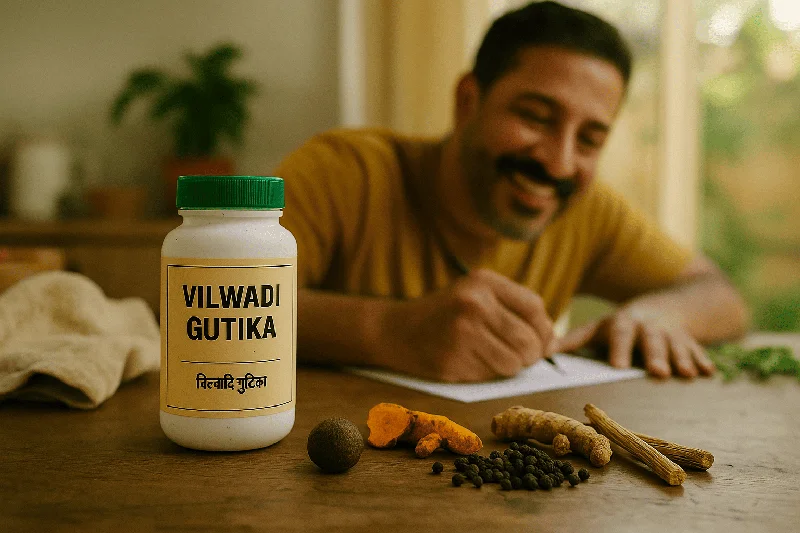
Ayurvedic medicine has grown in global popularity, offering time-tested remedies that people continue to explore for overall health. Among these preparations, Vilwadi Gutika stands out as a long-standing Ayurvedic formulation. While it has been traditionally used for a range of conditions from bites and stings to digestive problems, modern research has started to shed light on its active constituents and therapeutic properties. In this article, we delve into the origins, scientific evidence, potential benefits, and practical applications of Vilwadi Gutika, aiming to provide a balanced, in-depth, and SEO-friendly guide.
Table of Contents
-
Introduction: The Growing Interest in Vilwadi Gutika
-
What Is Vilwadi Gutika?
-
Key Ingredients and Their Role
-
Traditional Uses in Ayurveda
-
Modern Research and Evidence
-
Potential Health Benefits
-
Gastrointestinal Support
-
Analgesic and Anti-inflammatory Effects
-
Snake and Insect Bite Management
-
-
How Vilwadi Gutika Is Used
-
Dosage Forms
-
Administration Guidelines
-
-
Safety, Side Effects, and Contraindications
-
Expert Guidelines and Consensus
-
Frequently Asked Questions (FAQ)
-
Conclusion and Call to Action
-
Disclaimer
1. Introduction: The Growing Interest in Vilwadi Gutika
Picture this scenario: A family in a rural Indian setting keeps a small bottle of dark-brown tablets on hand as a go-to remedy for unexpected incidents such as insect bites. For generations, these tablets—known locally as Vilwadi Gutika—have been trusted for their potential to ease discomfort and promote quicker recovery. Anecdotal evidence is strong, but are these perceptions backed by science?
In recent years, researchers and healthcare professionals across the globe have started exploring the pharmacological and clinical aspects of Ayurvedic formulations like Vilwadi Gutika. According to the World Health Organization (WHO), traditional medicine (including Ayurveda) plays a pivotal role in healthcare for a large segment of the world’s population. With emerging interest in integrative and holistic approaches, it becomes essential to investigate the scientific underpinnings of such preparations.
2. What Is Vilwadi Gutika?
Vilwadi Gutika is a classical Ayurvedic formulation mentioned in authoritative texts like the Ashtanga Hridaya and Sahasrayogam. The preparation typically comes in the form of small, dark-colored pills or tablets made from a blend of herbs, minerals, and other natural substances. These components are carefully measured and processed to ensure the final product aligns with traditional Ayurvedic standards.
-
Ayurvedic Category: Often classified under “Rasayanas” (general tonics) or “vishaghna” (anti-poison) compounds.
-
Physical Form: Generally dark brown to black pills.
-
Availability: Widely available in Ayurvedic pharmacies across India and increasingly through online stores worldwide.
3. Key Ingredients and Their Role
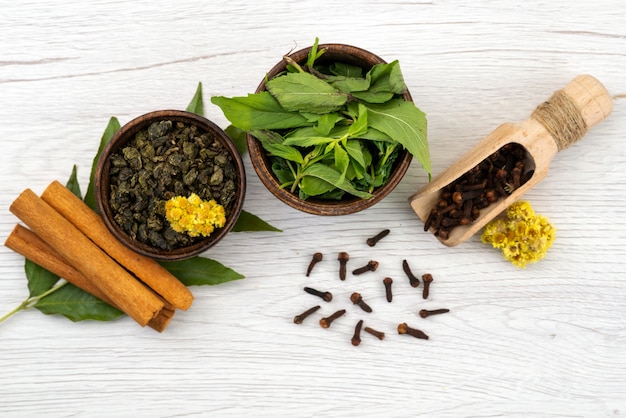
While the exact composition of Vilwadi Gutika can vary based on traditional recipes and modern proprietary blends, most formulations include:
-
Bilva (Aegle marmelos) – Traditionally valued for its gastrointestinal benefits and anti-inflammatory properties.
-
Vacha (Acorus calamus) – Known for its potential neuroprotective and antimicrobial actions, as reported in certain laboratory studies.
-
Turmeric (Curcuma longa) – Rich in curcumin, which has been extensively studied for its anti-inflammatory and antioxidant properties.
-
Black Pepper (Piper nigrum) – May enhance the bioavailability of other active compounds.
-
Ginger (Zingiber officinale) – Often lauded for its anti-inflammatory and digestive benefits.
Ayurvedic Principle: Each ingredient is carefully chosen for its synergistic effect, balancing doshas (Vata, Pitta, Kapha) and tackling specific health conditions in line with Ayurvedic theory. Additionally, some traditional texts reference animal or mineral extracts, emphasizing the importance of precise processing methods to ensure safety.
4. Traditional Uses in Ayurveda
Historically, Ayurveda classifies Vilwadi Gutika under formulations that counteract toxins (visha) and aid in wound healing. Classical Ayurvedic literature suggests various uses, including:
-
Snake Bites and Insect Bites: Applied both topically and orally for local swelling and pain management.
-
Gastrointestinal Disturbances: Used to address indigestion, bloating, and other minor digestive concerns.
-
Skin Issues: Applied in certain inflammatory skin conditions due to its reputed detoxifying action.
-
Fever and Infections: Believed to modulate fever and support the immune response when used in combination with other Ayurvedic remedies.
5. Modern Research and Evidence
In recent years, growing scientific interest has led to more laboratory-based and clinical studies focusing on Ayurvedic remedies, including Vilwadi Gutika. Although peer-reviewed research on this specific formulation is still somewhat limited compared to mainstream pharmaceuticals, some studies provide valuable insights:
-
Anti-inflammatory Properties: A laboratory study published in the Journal of Ethnopharmacology assessed certain herbal ingredients common to Vilwadi Gutika and reported significant anti-inflammatory potential.
-
Antimicrobial Effects: Preliminary research (see references in PubMed on Ayurvedic polyherbal formulations) suggests that the combined effect of herbs like turmeric, ginger, and black pepper may offer broad-spectrum antimicrobial benefits.
-
Animal Models: Some rodent-based experiments have indicated analgesic and anti-venom potentials, prompting further investigation into human clinical trials.
Caveat: While these findings are promising, they often focus on individual herbs or a limited set of ingredients. Comprehensive, large-scale human trials specific to Vilwadi Gutika remain limited. Therefore, while the remedy holds promise, more robust clinical data is needed to confirm its efficacy and safety across diverse populations.
6. Potential Health Benefits
6.1 Gastrointestinal Support
Many of the herbs in Vilwadi Gutika are traditionally associated with digestive harmony. Bilva, for instance, is frequently cited in Ayurveda for its supportive role in managing diarrhea or dysentery. Modern phytochemical analyses suggest it contains tannins and other compounds that may soothe the gastrointestinal tract.
6.2 Analgesic and Anti-inflammatory Effects
Ingredients like turmeric and ginger have long been studied for their natural pain-relieving and anti-inflammatory properties. When combined, they may help reduce mild pain or swelling associated with bites, stings, or minor injuries.
6.3 Snake and Insect Bite Management
One of the oldest recorded uses of Vilwadi Gutika is in addressing snake bites, scorpion stings, and insect bites. Historically, it has been used both internally and externally to counteract local toxins. While it is not a replacement for modern medical intervention in cases of venomous bites, some anecdotal evidence and smaller studies suggest a supportive role in recovery.
7. How Vilwadi Gutika Is Used
7.1 Dosage Forms
-
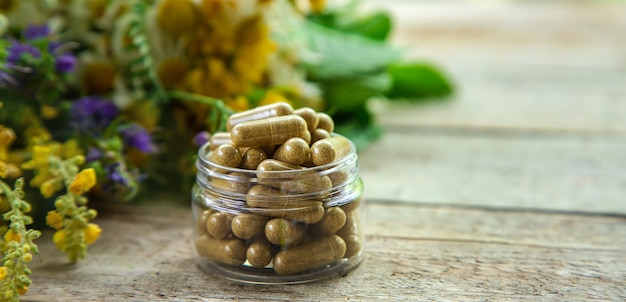
Tablets/Pills: The most common form, convenient for oral consumption.
-
Powder (Churna): Some practitioners prefer a powdered version that can be mixed with water or ghee.
7.2 Administration Guidelines
-
Oral Consumption: Often prescribed 1–2 tablets up to three times per day, although dosage can vary based on the individual’s age, condition, and Ayurvedic constitution (Prakriti).
-
External Application: The pills are sometimes crushed and made into a paste with water or ghee, then applied to the affected area, particularly in cases of bites or stings.
Pro Tip: Always consult a qualified Ayurvedic practitioner or healthcare professional to determine the correct dosage and administration method. Self-prescription can lead to incorrect usage and reduced effectiveness.
8. Safety, Side Effects, and Contraindications
-
Possible Allergic Reactions: As with any herbal product, individuals may experience allergic reactions, especially if they have known sensitivities to the ingredients.
-
Pregnancy and Nursing: Comprehensive safety data in pregnant or breastfeeding women is limited. It is crucial to consult with a qualified healthcare provider before use.
-
Potential Drug Interactions: Certain components in Vilwadi Gutika (e.g., black pepper, ginger) can affect the absorption and metabolism of pharmaceuticals. Always inform your doctor about any herbal supplements you are taking.
-
Toxicity Concerns: Traditional formulas sometimes include minerals or metals, which require precise purification (shodhana) techniques. Always source products from reputable manufacturers who adhere to Good Manufacturing Practices (GMP).
Expert Tip: Regularly check for authenticity certifications or consult databases like the National Center for Complementary and Integrative Health (NCCIH) for guidelines on safe herbal use.
9. Expert Guidelines and Consensus
-
Ayurvedic Practitioners: Often recommend Vilwadi Gutika as a supplemental therapy, not a standalone or emergency treatment for life-threatening conditions like venomous snake bites.
-
Modern Medical Institutions: While some have begun acknowledging the complementary role of Ayurvedic remedies, official guidelines typically emphasize evidence-based treatment protocols and caution against relying solely on traditional formulations.
-
Research Institutions: Many call for more extensive human clinical trials to fully ascertain the safety and efficacy profile of Vilwadi Gutika. The goal is to integrate it meaningfully into mainstream healthcare, provided the evidence is sufficiently robust.
10. Frequently Asked Questions (FAQ)
Q1: What exactly is Vilwadi Gutika?
A1: Vilwadi Gutika is a classical Ayurvedic formulation composed of various herbs, minerals, and other natural substances. Traditionally used for managing bites, stings, and digestive issues, it is widely regarded for its anti-inflammatory and detoxifying properties.
Q2: Is Vilwadi Gutika safe to use daily?
A2: Daily use can be safe for certain conditions under professional guidance. However, dosage and duration depend on individual needs. Consult an Ayurvedic practitioner or a healthcare professional before beginning any long-term regimen.
Q3: Can Vilwadi Gutika treat serious snake bites?
A3: While historically used for bites and stings, Vilwadi Gutika is not a substitute for urgent medical care in serious envenomation. Always seek immediate professional treatment if bitten by a venomous snake.
Q4: Are there any side effects?
A4: Potential side effects may include minor gastric irritation or allergic reactions, though these are relatively rare. Those with specific allergies or pre-existing conditions should consult a healthcare provider before use.
Q5: Where can I find trustworthy information and products?
A5: Look for products that comply with GMP standards and have clear labeling of ingredients. For evidence-based information, refer to authoritative medical databases like PubMed or consult qualified practitioners.
11. Conclusion and Call to Action
Vilwadi Gutika offers a fascinating glimpse into the fusion of traditional Ayurvedic wisdom and modern science. While smaller studies and anecdotal accounts suggest anti-inflammatory, analgesic, and potential anti-venom properties, the body of robust, large-scale clinical evidence remains limited. Nonetheless, its enduring presence in Ayurvedic practice points to a formulation that has stood the test of time.
If you’re considering Vilwadi Gutika—whether for minor digestive issues or as a supportive measure in managing bites and stings—it’s essential to do so responsibly. Consult with healthcare professionals, look for quality-assured products, and stay updated on emerging research. We invite you to share this article, add your own insights in the comments section, and subscribe to our newsletter for more science-backed updates on Ayurvedic and integrative medicine.
12. Disclaimer
This article is for informational purposes only and does not replace professional medical advice or treatment. Always consult a qualified healthcare provider or licensed Ayurvedic practitioner for personalized guidance. Statements made here have not been evaluated by regulatory bodies such as the Food and Drug Administration (FDA), and results may vary from person to person. If you suspect any serious health issue or medical emergency, seek immediate professional attention.
References and Further Reading:
-
World Health Organization (WHO). Traditional Medicine Strategy.
-
National Center for Complementary and Integrative Health (NCCIH).
-
PubMed Central. Research on Ayurvedic Formulations (search term: “Ayurvedic polyherbal formulations”).
-
Journal of Ethnopharmacology. Studies on anti-inflammatory herbs in Ayurveda.
-
Ashtanga Hridaya and Sahasrayogam – Classical Ayurvedic Texts.
By aligning ancient Ayurvedic knowledge with modern clinical insights, we can make more informed decisions about holistic health strategies. Always consult professionals for the final word on treatment and maintain a balanced, evidence-based perspective on herbal remedies like Vilwadi Gutika.
आयुर्वेदिक डॉक्टर से एक प्रश्न पूछें और मुफ़्त या सशुल्क मोड में अपनी चिंता की समस्या पर ऑनलाइन परामर्श प्राप्त करें।
2,000 से अधिक अनुभवी डॉक्टर हमारी साइट पर काम करते हैं और आपके प्रश्नों की प्रतीक्षा करते हैं और प्रतिदिन उपयोगकर्ताओं को उनकी स्वास्थ्य समस्याओं को हल करने में मदद करते हैं।
संबंधित आलेख