

आयुर्वेदिक डॉक्टर से प्रश्न पूछें और निःशुल्क या भुगतान मोड में अपनी चिंता की समस्या पर ऑनलाइन परामर्श प्राप्त करें। 2,000 से अधिक अनुभवी डॉक्टर हमारी साइट पर काम करते हैं और आपके प्रश्नों का इंतजार करते हैं और उपयोगकर्ताओं को उनकी स्वास्थ्य समस्याओं को हल करने में प्रतिदिन मदद करते हैं।


Body DetoxEar, Nose, and Throat DisordersGeriatrics & RejuvenationImmunodeficiencyInfertility TreatmentNutritionOrthopedic DisordersPediatricsRespiratory DisordersSexually Transmitted Diseases (STDs)Surgery RecoveryUrological DisordersVascular DisordersDental DisordersEndocrinological DisordersGastrointestinal DisordersYoga TherapyGeneral MedicineAllergic DisordersCardio DisordersGynecology and ObstetricsCosmetologySkin and Hair DisordersEye DisordersInfectious DiseasesMental DisordersNeurological DisordersOncologyPanchakarmaSexual Health & DisordersSports Medicine
पर प्रकाशित 04/09/25
(को अपडेट 08/15/26)
star_border 4
3,536
Understanding Pitta Shamak in Ayurveda
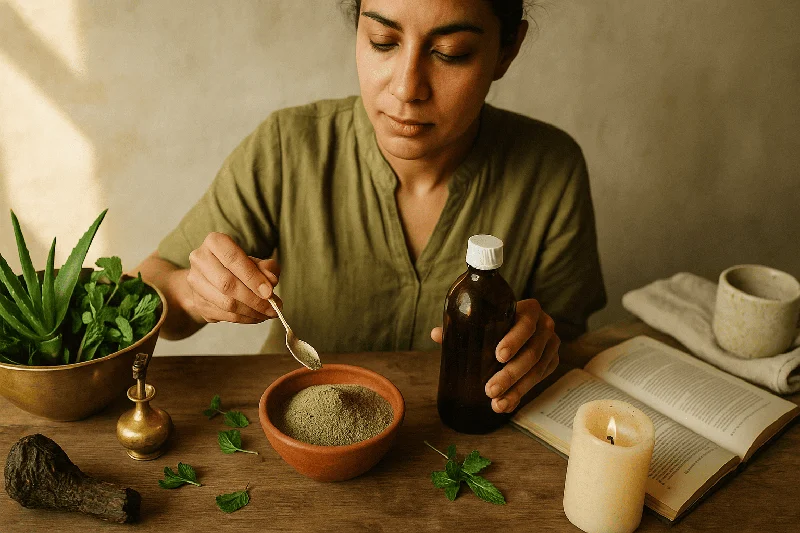
Pitta shamak has become a topic of growing interest among health enthusiasts and medical professionals alike, particularly those exploring integrative approaches that merge traditional wisdom with contemporary clinical findings. Derived from Ayurveda—an ancient system of medicine originating in India—pitta shamak therapies aim to balance the “pitta dosha,” which is often equated with the fire element or metabolic activities in the body. Managing pitta effectively is believed to help maintain homeostasis, support digestive health, and promote emotional harmony. But how valid are these claims from a modern medical standpoint, and what does the latest research say? This article offers a holistic, evidence-based look at pitta shamak, including its principles, scientific underpinnings, practical applications, and limitations.
Table of Contents
-
What Is Pitta Shamak?
-
Scientific Perspectives on Pitta Shamak
-
Balancing Internal Heat: Why It Matters
-
Common Pitta Shamak Herbs and Ingredients
-
Pitta Shamak in Clinical Research
-
Lifestyle Interventions for Pitta Management
-
Possible Benefits and Controversies
-
Safety Considerations and Precautions
-
Frequently Asked Questions (FAQ)
-
Conclusion and Call to Action
1. What Is Pitta Shamak?
In Ayurveda, the body’s physiological processes are governed by three fundamental energies known as doshas: vata, pitta, and kapha. Pitta is primarily responsible for metabolism, digestion, and transformation processes in the body. When pitta is balanced, individuals tend to have optimal digestion, a balanced temperament, and a healthy skin complexion. However, when pitta becomes aggravated, it can manifest as excessive body heat, irritability, acidity, skin inflammation, and other heat-related concerns.
The term “pitta shamak” literally translates to “that which pacifies or balances pitta.” These can include herbs, formulas, dietary guidelines, and lifestyle practices specifically designed to reduce excess heat and inflammation. Although pitta shamak is deeply rooted in Ayurvedic philosophy, modern research is increasingly looking into how such therapies may contribute to overall health and well-being.
2. Scientific Perspectives on Pitta Shamak
From a scientific standpoint, the concept of pitta could be loosely correlated with metabolic activities involving digestion, liver function, thermoregulation, and inflammatory processes. Several studies published in peer-reviewed journals (e.g., the Journal of Ayurveda and Integrative Medicine and the AYU Journal) explore the effectiveness of Ayurvedic herbs known for their anti-inflammatory, gastroprotective, or antioxidative properties. For example, a 2019 meta-analysis in the Journal of Traditional and Complementary Medicine indicates that certain Ayurvedic preparations containing pitta-balancing herbs may help alleviate mild gastrointestinal issues such as acid reflux or hyperacidity.
This correlation does not, however, negate the importance of randomized controlled trials (RCTs) to substantiate specific claims. While some pilot studies and observational research are promising, the scientific community often calls for larger, more rigorous investigations to confirm efficacy and safety. Modern medical practitioners increasingly acknowledge that some Ayurvedic approaches might work in a complementary manner alongside conventional treatments, especially for chronic inflammatory conditions or digestive disturbances.
3. Balancing Internal Heat: Why It Matters
In Ayurvedic parlance, an excess of pitta is believed to create a “hot” internal environment. The manifestations might include:
-
Acid reflux or heartburn
-
Skin rashes, acne, or redness
-
Sensations of excess body heat or frequent sweating
-
Irritability, impatience, or anger
-
Loose stools or frequent bowel movements
Western medicine often associates these symptoms with heightened inflammatory responses, imbalanced gut microbiota, or overactive metabolic pathways. Scientific studies (e.g., those in Inflammation Research and Gut Microbes) have shown that chronic inflammation can lead to long-term health complications, including metabolic syndrome, autoimmune conditions, and cardiovascular issues.
The goal of pitta shamak interventions is to moderate these processes, potentially offering a complementary strategy for managing inflammation and oxidative stress. While evidence is still emerging, there is a convergence of ideas that tempering excessive “heat” could support better health outcomes.
4. Common Pitta Shamak Herbs and Ingredients
A variety of herbs, fruits, and compounds are commonly used as pitta shamak. They often share attributes such as cooling, soothing, or calming effects on the digestive and nervous systems. Below is a list of widely recognized pitta-pacifying options:
-
Amalaki (Indian Gooseberry)
-
Rich in vitamin C and antioxidants
-
Known for gastroprotective properties
-
-
Guduchi (Tinospora cordifolia)
-
Often labeled as an adaptogen
-
May help regulate immune function
-
-
Neem (Azadirachta indica)
-
Possesses antibacterial and anti-inflammatory properties
-
Traditionally used for skin health
-
-
Coriander (Coriandrum sativum)
-
Cooling spice beneficial for digestion
-
Commonly used in detox formulations
-
-
Fennel (Foeniculum vulgare)
-
A carminative herb that supports digestion
-
Often prescribed for gastric discomfort
-
-
Licorice (Glycyrrhiza glabra)
-
Known for its mucosal protective effect
-
May help soothe gastric irritation
-
According to a review article in the Journal of Ethnopharmacology, several of these herbs show potential anti-inflammatory and antioxidant activities, suggesting a scientific rationale for their traditional use as pitta shamak remedies. However, it is crucial to note that individual responses can vary based on genetics, overall health status, and concurrent medications.
5. Pitta Shamak in Clinical Research
While research on Ayurvedic interventions has gained traction, the number of large-scale clinical trials remains limited. Nonetheless, there are a few examples that offer an evidence-based peek into pitta shamak efficacy:
-
Pitta Shamak for Gastric Health: A randomized pilot study published in the Journal of Ayurveda and Integrative Medicine investigated a herbal formulation containing Amalaki, Licorice, and Coriander for mild acid reflux. Participants reported modest improvements in symptoms like heartburn and regurgitation compared to the control group.
-
Skin Inflammation Management: Neem-based creams or lotions have been studied for their anti-inflammatory and antimicrobial effects in cases of mild dermatitis and acne (source: Phytotherapy Research). Although not directly labeled as “pitta shamak,” neem is widely viewed in Ayurveda as a cooling herb that targets pitta-related skin issues.
It is important to acknowledge that while these findings are encouraging, many studies have limitations such as small sample sizes, short durations, or lack of a placebo control. Integrating more robust research protocols could help validate these treatments’ broader clinical utility.
6. Lifestyle Interventions for Pitta Management
Beyond herbs, Ayurveda places strong emphasis on lifestyle modifications to harmonize pitta. Here are some strategies commonly recommended:
-
Dietary Choices
-
Favor cooling foods like cucumbers, watermelons, and leafy greens.
-
Limit pungent, salty, and sour tastes, which may aggravate pitta.
-
Stay hydrated with water or herbal teas to counteract excess heat.
-
-
Stress Management
-
Mindfulness practices such as yoga, meditation, and deep breathing help ease irritability and stress.
-
Research in the Journal of Psychiatric Research indicates that mindfulness interventions can lower markers of stress-related inflammation.
-
-
Exercise in Moderation
-
Avoid high-intensity workouts during midday heat; opt for gentler routines like tai chi, brisk walking, or swimming.
-
Focus on cooling pranayama (breathing exercises) to regulate internal heat.
-
-
Sleep Hygiene
-
Maintain consistent sleep schedules to reduce stress and stabilize circadian rhythms.
-
Avoid stimulants (caffeine, nicotine) close to bedtime.
-
-
Emotional Balance
-
Journaling and reflective practices can help process anger or frustration.
-
Counseling or support groups can offer coping strategies for chronic stress.
-
Lifestyle interventions form a key pillar in Ayurvedic treatment protocols. While modern medicine may categorize these as healthy living tips, they remain integral to a holistic pitta shamak approach and can complement other medical interventions.
7. Possible Benefits and Controversies
Potential Benefits
-
Digestive Support: Many pitta shamak strategies, particularly those involving cooling herbs, may provide symptomatic relief from acid reflux, hyperacidity, and gastritis.
-
Skin Health: Herbs like neem and Amalaki could offer relief from mild inflammatory skin conditions.
-
Stress Reduction: Practices like yoga and meditation, often integrated with pitta shamak regimens, have been scientifically linked to lower stress hormone levels and improved mental well-being.
-
Holistic Well-Being: Ayurveda advocates a comprehensive approach, potentially fostering better self-awareness, preventive health measures, and integration of mind-body therapies.
Points of Contention
-
Lack of Standardization: Ayurvedic formulations can vary in composition, dosage, and preparation techniques, making it challenging to establish universally accepted treatment protocols.
-
Scientific Rigor: Despite promising preliminary research, high-quality, double-blind RCTs are still needed to substantiate many of pitta shamak’s long-term benefits.
-
Risk of Misuse: Self-prescription without professional guidance can lead to misuse of herbs or interactions with conventional medications. This underscores the importance of consulting qualified healthcare providers.
8. Safety Considerations and Precautions
While generally considered safe when administered by trained practitioners, pitta shamak interventions require certain precautions:
-
Consult a Professional: Always seek advice from a certified Ayurvedic practitioner or a medical doctor, especially if you have chronic conditions or are on prescription medications.
-
Allergies and Sensitivities: Some herbs, like licorice, can cause complications such as elevated blood pressure if used in excess.
-
Pregnancy and Breastfeeding: Pregnant or nursing women should be particularly cautious and consult a healthcare provider before incorporating new herbs or supplements into their regimen.
-
Medical Interactions: Some ingredients may interact with conventional drugs, reducing their efficacy or enhancing side effects.
According to guidelines from the World Health Organization (WHO) and various national institutes of health, any alternative medical approach should be integrated responsibly within a broader healthcare framework. Close monitoring, transparency, and informed consent are vital.
9. Frequently Asked Questions (FAQ)
Q1: Can pitta shamak replace conventional medical treatments?
A: No. Pitta shamak strategies should be viewed as complementary or adjunctive, not as a replacement for conventional care. Always consult a qualified healthcare provider for a comprehensive treatment plan.
Q2: How quickly do pitta shamak remedies work?
A: The timeline varies by individual factors such as severity of symptoms, overall health status, and adherence to lifestyle recommendations. Some may notice improvements in digestive comfort within a few days, while skin-related benefits might take longer.
Q3: Are there any side effects to using pitta shamak herbs?
A: Most herbs are considered safe when used correctly, but excessive doses or unregulated usage can lead to side effects. For example, licorice in high quantities can raise blood pressure, and neem, while generally safe, may cause gastrointestinal upset for some individuals.
Q4: Can I take pitta shamak formulations along with my prescription medications?
A: Certain herb-drug interactions can occur, so it is crucial to discuss this with both your primary physician and an Ayurvedic practitioner. Transparency about all medications and supplements you are taking is essential for avoiding adverse effects.
Q5: Do I need to follow a strict Ayurvedic diet for these remedies to work?
A: Adopting a pitta-friendly diet can enhance the effectiveness of pitta shamak interventions, but the degree of dietary restriction depends on individual needs and medical guidance.
10. Conclusion and Call to Action
Pitta shamak stands at the intersection of traditional Ayurvedic wisdom and emerging scientific inquiry. By focusing on balancing the “heat” or inflammatory processes within the body, these strategies offer a holistic approach to health that can complement modern medical treatments. Early scientific research points toward potential benefits for managing digestive issues, reducing mild inflammation, and supporting emotional well-being. Nevertheless, more robust, large-scale studies are needed to firmly establish their efficacy and safety.
If you are exploring pitta shamak solutions, consider consulting both a qualified Ayurvedic practitioner and your healthcare provider for personalized advice. Keep in mind that self-diagnosis or indiscriminate usage of herbal formulations can lead to unintended consequences. Embrace this journey with informed caution, always prioritizing credible research findings and expert supervision.
Disclaimer: The information provided here is for educational purposes only and should not be taken as medical advice. Always consult a medical professional for diagnoses, prescriptions, and personalized treatment plans.
We’d love for you to share this article if you found it informative! For further personalized guidance on pitta shamak and other Ayurvedic therapies, visit AskAyurveda.com to get a free consultation and interact with expert doctors. Empower your wellness journey by asking questions, gaining expert insights, and taking the next step toward better health—mind, body, and spirit.
उपयोगकर्ताओं के प्रश्न
What are the side effects of using pitta shamak herbs?
Client_565b09
25 दिनों पहले
The side effects of using pitta shamak herbs, which are intended to balance the body's metabolic and digestive processes, can include gastrointestinal disturbances, allergic reactions, or interactions with other medications. These side effects vary depending on the specific herb used, such as guduchi or amalaki. It typically takes a few weeks to notice effects, but the timeline can vary. It's important to consult a healthcare provider if you experience persistent side effects or if you have pre-existing health conditions. Always inform your doctor of all supplements you are taking to avoid potential interactions.
How can neem-based creams improve skin conditions like acne?
Client_b8bec7
35 दिनों पहले
Neem-based creams can help improve skin conditions like acne by leveraging neem's anti-inflammatory and antimicrobial properties. These properties may reduce acne-causing bacteria and soothe irritated skin. Improvement in acne symptoms can vary, often taking several weeks of consistent topical application to notice visible changes. It's important to patch test neem cream to avoid allergic reactions. Severe acne cases should always be consulted with a healthcare professional. While some Ayurvedic practices use neem, always rely on evidence-backed products and approaches.
Can I take pitta shamak herbs if I have allergies?
Client_178b77
44 दिनों पहले
Taking pitta shamak herbs for allergies should be approached with caution. Pitta shamak herbs may help balance excess pitta, potentially reducing inflammation linked with allergies. However, their use should be discussed with a healthcare provider, especially if you're on other medications or have ongoing health issues, to avoid adverse effects. Note that symptom relief can vary; some individuals may notice improvements within several weeks, while others may not. Always prioritize advice from a healthcare professional over self-medication based on Ayurvedic principles.
How do pitta shamak therapies affect overall metabolic health?
Client_7394e5
54 दिनों पहले
Pitta shamak therapies, rooted in Ayurveda, aim to balance metabolic functions linked to what's considered excess "heat" or activity in the body. For overall metabolic health, these therapies may involve practices such as dietary adjustments, herbal supplements, and lifestyle changes. While some individuals report improvements in digestive efficiency and energy balance, scientific validation is limited. Results can vary, and positive changes might take weeks to months. Always consult a healthcare provider before starting new treatments, especially if you're on medication or have health conditions.
How long does it take to see results from pitta shamak herbs?
Client_a3764f
63 दिनों पहले
The time it takes to see results from pitta shamak herbs can vary depending on the individual's condition and constitution, but noticeable effects often appear within 2 to 4 weeks with consistent use. These herbs, including things like amla, shatavari, and licorice, are primarily aimed at cooling and soothing pitta-related imbalances, which often manifest as digestive issues or inflammation. Consistent, proper use is essential. If after a month you experience no benefits or if your symptoms worsen, it's wise to consult a healthcare professional to explore other treatment options.
What is the best time to take pitta shamak herbs for optimal effectiveness?
Client_aba863
73 दिनों पहले
For pitta shamak herbs, it's usually best to take them in the morning on an empty stomach, or sometimes before meals. This helps the digestive fire, or agni, absorb them better. But it's important to consider individual needs, so check in with an Ayurvedic practitioner to be sure. Every body is different, after all!
What are some symptoms of mild dermatitis that neem-based creams can help treat?
Client_a5ee8f
82 दिनों पहले
Sure! Neem-based creams could be useful for mild dermatitis symptoms like redness, itching, or slight swelling due to its anti-inflammatory and antimicrobial properties. Just remember, always patch-test any new product first and consult a healthcare provider if symptoms persist or worsen.
What is the best way to monitor the effects of pitta shamak herbs on my health?
Client_0e2a07
91 दिनों पहले
To monitor pitta shamak herbs' effects, pay attention to changes in symptoms like digestive comfort and skin health. Keep a journal on daily changes. Look for balanced digestion and clearer skin over time. If you notice any side effects, adjust dosage or stop using them, and maybe consult with an ayurvedic practitioner too.
What is the connection between pitta imbalance and stress in Ayurveda?
Client_e1f4f6
100 दिनों पहले
Pitta imbalances, in Ayurveda, often link to stress due to their "fiery" nature. When pitta is high, it can fuel stress and irritability. Think of it like overheating, both physically and mentally. To manage this, try cooling foods and calming practices like meditation or yoga. Keeping the pitta dosha balanced can help ease stress levels naturally. It's all about cooling the fire!
What foods should I avoid to help reduce excess pitta in my diet?
Client_c7a7dd
110 दिनों पहले
To cool down that fiery pitta, try avoiding spicy foods like chilies, sour things like tomatoes, and fried stuff. Alcohol and caffeine can also rev up pitta, so cutting back on those might help too. Focus more on foods that are sweet, bitter, & astringent like cucumbers, leafy greens, and melons to help balance things out. Keep it cool and simple!
संबंधित आलेख

Gastrointestinal Disorders
गैसेक्स टैबलेट
गैसेक्स टैबलेट की खोज
4,676

Gastrointestinal Disorders
Dinacharya: Ayurvedic morning self-care for you
“well begun is half done”, it’s a proverb that not only sticks to the work we do but also to our own daily lives which has a direct impact on all the important milestones we achieve.
3,088

Gastrointestinal Disorders
Ras Pachak Vati Uses: An Ayurvedic Solution for Digestive Wellness
Ras Pachak Vati is a time-tested Ayurvedic remedy for digestive wellness. Its ability to relieve indigestion, acidity, and bloating makes it a must-have for those seeking natural and holistic solutions for gut health
4,261

Gastrointestinal Disorders
How to Use Hing: Ayurvedic Remedies and Daily Applications
Exploration of Unveiling the Versatile Benefits of Hing in Ayurveda and Modern Healing
4,312

Gastrointestinal Disorders
अग्नितुंडी वटी के फायदे, खुराक, साइड इफेक्ट्स, सामग्री
अग्नितुंडी वटी के फायदे, खुराक, साइड इफेक्ट्स, और सामग्री की जानकारी
13,923

Gastrointestinal Disorders
Kapha Vriddhi Lakshana: Understanding Excess Kapha in Ayurveda
Learn about Kapha Vriddhi Lakshana, its underlying science, research-backed insights, and practical ways to balance excess Kapha for better health.
3,351

Gastrointestinal Disorders
Understanding Stomach Bloating Solutions
Ayurveda provides a unique perspective on bloating, emphasizing gut health and balance through ancient practices.
2,443
Gastrointestinal Disorders
Ayurvedic Medicine for Blood Clots: A Science-Based Overview
Explore how ayurvedic medicine for blood clot prevention complements modern therapies. Learn about research, best practices, and safe usage.
4,700

Gastrointestinal Disorders
Brihatyadi Kashayam Benefits, Dosage, Side Effects, Ingredients, Reference
Exploration of Brihatyadi Kashayam Benefits, Dosage, Side Effects, Ingredients, Reference
3,316

Gastrointestinal Disorders
Sthoulyahara Kashaya: The Comprehensive Guide to Benefits, Uses, Dosage, and Ayurvedic Insights
Discover the benefits, proper dosage, uses, and Ayurvedic foundations of Sthoulyahara Kashaya, a traditional herbal decoction for digestive and overall health.
5,309
विषय से संबंधित परामर्श
अतिरिक्त दस्तावेज़
© 2024 Ask Ayurveda. सर्वाधिकार सुरक्षित।