आयुर्वेदिक डॉक्टर से प्रश्न पूछें और निःशुल्क या भुगतान मोड में अपनी चिंता की समस्या पर ऑनलाइन परामर्श प्राप्त करें। 2,000 से अधिक अनुभवी डॉक्टर हमारी साइट पर काम करते हैं और आपके प्रश्नों का इंतजार करते हैं और उपयोगकर्ताओं को उनकी स्वास्थ्य समस्याओं को हल करने में प्रतिदिन मदद करते हैं।


Body DetoxEar, Nose, and Throat DisordersGeriatrics & RejuvenationImmunodeficiencyInfertility TreatmentNutritionOrthopedic DisordersPediatricsRespiratory DisordersSexually Transmitted Diseases (STDs)Surgery RecoveryUrological DisordersVascular DisordersDental DisordersEndocrinological DisordersGastrointestinal DisordersYoga TherapyGeneral MedicineAllergic DisordersCardio DisordersGynecology and ObstetricsCosmetologySkin and Hair DisordersEye DisordersInfectious DiseasesMental DisordersNeurological DisordersOncologyPanchakarmaSexual Health & DisordersSports Medicine
पर प्रकाशित 05/12/25
(को अपडेट 08/10/26)
3,166
Pitta in Human Body: What It Really Means and Why Ayurveda Obsessively Cares About It

Introduction to Pitta in the Human Body and Ayurveda’s Approach
Okay, so let’s talk about pitta. It’s not a spice or some obscure yoga move — though it kinda sounds like it could be either, right?
In Ayurveda — the ancient, often-misunderstood system of wellness from India — pitta is one of the three primary doshas (energetic forces) that make up your body and mind. It's fiery, intense, transformative. Think of it as your internal engine, the thing that drives digestion, metabolism, vision, intelligence, and even ambition. But like a bonfire on a windy day, it can flare up out of control if you don’t tend to it.
And here’s where it gets interesting: most modern lifestyle habits, especially those driven by hustle culture, caffeine, and stress, actually fuel pitta. Too much screen time? Check. Skipping meals and eating late at night? Yup. That aggressive gym schedule with zero rest days? Oh, for sure.
So if you’re feeling irritable, overheating easily, experiencing heartburn, skin rashes, or just constantly on edge — Ayurveda might raise an eyebrow and say, “Well, looks like your pitta’s out of whack.”
Why does this matter? Because Ayurveda doesn’t just slap a label on you and throw supplements at the problem. It looks at your whole system — your physical health, your mental tendencies, your daily habits — and says, “Here’s how we cool that fiery pitta down so you can feel balanced again.”
That’s what this guide is for. It’s not just a list of what to eat or avoid (though we’ll get there), but a deeper dive into how to live in a way that keeps your pitta balanced. We’re talking:
-
Personalized dietary choices
-
Daily routines that soothe rather than stimulate
-
Natural remedies and recipes
-
Breathwork and yoga
-
Even the emotional side of things (yes, that simmering frustration counts)
And the goal? To help you feel clear-headed, calm, and strong — not burnt out or burnt up. Ayurveda’s beauty is in its practicality. And once you start living it, it just... makes sense.
Let’s unpack this step by step.
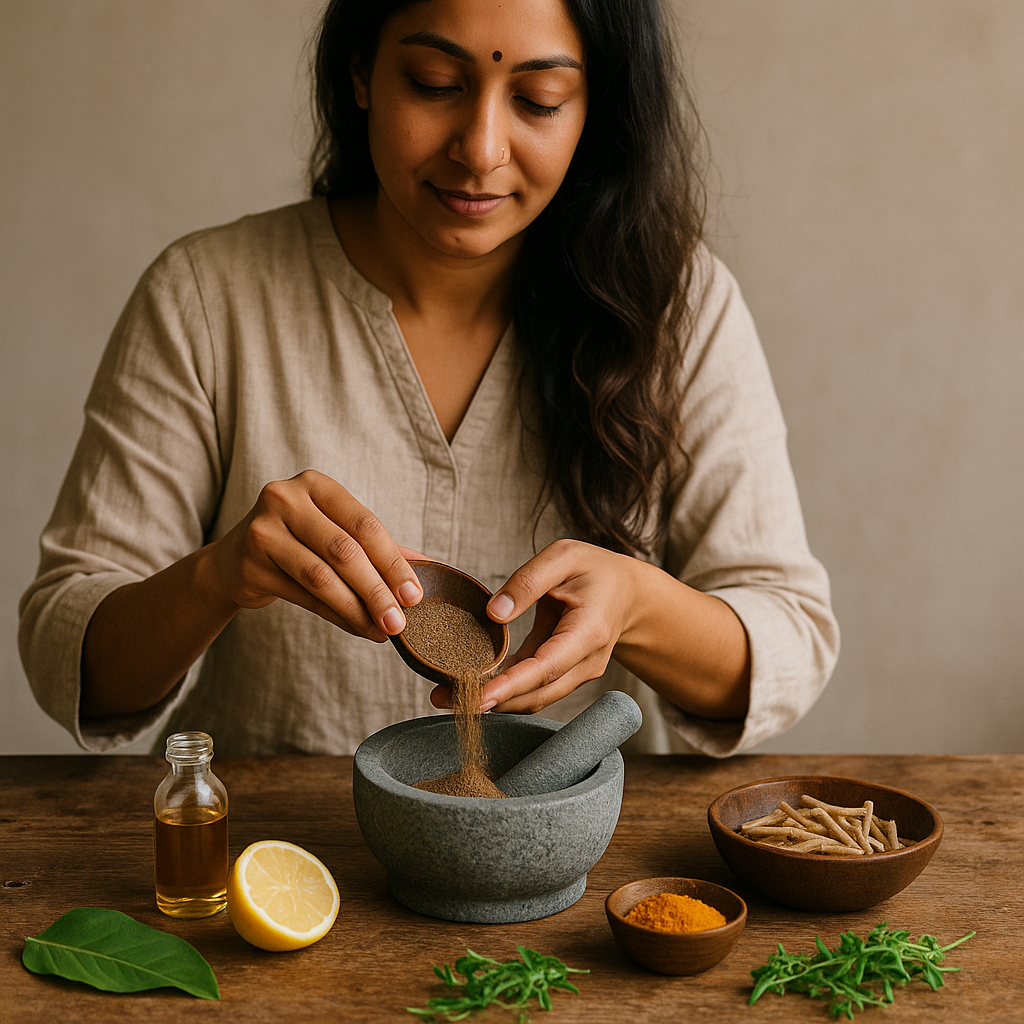
Understanding the Role of Ayurveda in Managing Pitta in the Human Body
What Ayurveda Says About Pitta
Imagine sitting under the scorching sun, sweat rolling down your back, your patience thinning with every second. That’s pitta energy in real time.
Ayurveda explains pitta as the dosha governed by fire and water. It rules digestion, transformation, and perception. Physically, it’s your agni — your digestive fire. Mentally, it’s sharpness, ambition, decisiveness. Emotionally? Well… anger, irritability, jealousy — those are pitta's shadow sides.
But don’t get the wrong idea — pitta isn’t the enemy. It’s essential. Without it, you'd lack clarity, drive, and the ability to digest not just food but information and experiences.
Problems arise when this fiery energy becomes excessive or aggravated. That’s when symptoms start showing up:
-
Acid reflux or hyperacidity
-
Inflammatory skin issues like acne or eczema
-
Premature greying or hair loss
-
Red eyes, sharp tongue, hot temper
-
Intolerance to heat
-
A hypercritical or perfectionist mindset
Ayurveda sees these not as isolated issues, but as indicators of deeper imbalance — signs that the internal flame is burning too hot, too wild.
How Ayurvedic Lifestyle & Diet Directly Impact Pitta
This is where Ayurveda gets beautifully specific. Your food choices? Your sleep habits? Even the time of day you exercise? All of it either stokes or soothes your pitta.
For instance, skipping meals or eating spicy, sour, or fried foods? That’s like throwing gasoline on a fire. Waking up late and rushing straight into emails with black coffee? Same deal.
But swap those for:
-
Cooling, calming foods like sweet fruits, bitter greens, and aloe juice
-
Gentle yoga in the early morning
-
Proper hydration with room temperature water
-
Regular meal times with minimal snacking
…and suddenly, the fire simmers into a steady, warm glow. You feel focused, energized — but not explosive.
This system isn’t restrictive or woo-woo. It’s about tuning in to what your body already knows, and giving it what it genuinely needs.
The Importance of Individualized Ayurvedic Approaches for Pitta
Now here’s something people often miss: not all pitta people are the same.
One person might be a classic type-A perfectionist with recurring ulcers. Another might just overheat easily and feel anxious when stressed. Ayurveda’s not like, “You have pitta — here’s your universal plan.” Nope. It’s more like, “Let’s look at your unique mix of doshas, your climate, your lifestyle, your work — and craft something that fits.”
It’s contextual. Which is refreshing in a world full of one-size-fits-all solutions.
Take climate, for instance. A pitta-dominant person living in a humid, tropical environment needs different balancing tools than one in a cold, dry climate. Same for someone with a sedentary desk job vs. someone working physically outdoors all day.
Ayurveda shines in that personalization. And you don’t need to understand every Sanskrit term to benefit. Just start noticing. That’s honestly where real change begins — with awareness.
Ayurvedic Dietary Guidelines for Pitta in the Human Body
Foods Recommended by Ayurveda for Pitta
Let’s start with the good stuff — literally. When pitta’s on fire (too much heat, inflammation, acidity), your food can either smother the flames or turn you into a walking volcano. Ayurveda leans heavily on the idea that food is not just fuel — it’s medicine. And for pitta folks? That medicine better be cooling, calming, and slightly sweet.
Some Ayurvedic go-to’s for pitta-balancing:
-
Sweet, juicy fruits like mangoes, melons, pears, and grapes. They hydrate and cool, which is exactly what pitta needs.
-
Coconut in all its glorious forms — water, milk, shredded — is like an internal fire extinguisher.
-
Leafy greens, especially bitter ones like kale, spinach, and dandelion greens — help detoxify the liver, a pitta hotspot.
-
Whole grains like rice, oats, quinoa — but avoid excess dryness. Moist, gently spiced grain dishes are better.
-
Dairy, if tolerated, especially ghee, milk, and paneer — all are soothing and grounding (but skip the cheese explosion).
-
Cooling herbs: coriander, fennel, mint, and cardamom. Think of them as tiny AC units for your insides.
Pro tip: focus on sweet, bitter, and astringent tastes. These tastes help pacify pitta. It’s not about literal sweetness (though yes, pitta loves natural sugars); it’s about the effect the taste has on the body.
Foods Ayurveda Suggests Avoiding for Pitta
Now comes the heartbreak part — the things you might love but that love you a little less when your pitta’s out of balance.
Foods that aggravate pitta:
-
Spicy, hot, fried foods: Yep, chili-loaded dishes, deep-fried snacks, and even hot peppers are pitta’s nemesis.
-
Sour or fermented items: Think vinegar, pickles, citrus in excess, kombucha — they fire things up internally.
-
Alcohol: Not only is it heating, but it also disrupts the liver and digestion. Pitta organs!
-
Caffeine and coffee: That intense morning buzz? Not always your friend. Try cooling teas like mint or licorice instead.
-
Red meat and heavily salted foods: These tend to be heating and inflammatory.
Listen, it’s not about never having these. Life’s about balance, not a rigid checklist. But if your pitta’s flaring, maybe don’t double down on jalapeño bacon cheeseburgers and espresso shots, you know?
Meal Planning and Timing Tips in Ayurveda for Pitta
Timing matters more than you’d think.
Pitta’s natural peak is midday (10 AM to 2 PM) — the time when your digestive fire is strongest. So what does Ayurveda say? Make lunch your biggest meal. Not dinner. Not a frantic morning smoothie. Lunch.
Here’s a simple Pitta-friendly meal flow:
-
Breakfast: Light and cooling — maybe soaked oats with dates and almond milk, or a ripe pear and coconut water.
-
Lunch: The main event. Grains + cooked vegetables + gentle spices + a little ghee = chef’s kiss.
-
Dinner: Keep it simple and small. A mung dal soup with soft rice or a warm glass of milk with turmeric.
Also, don’t skip meals. It’s tempting, especially for the high-achiever pitta type. But skipping meals fuels internal heat and throws off digestion.
Hydration and Beverage Recommendations for Pitta
This one’s big: pitta types dry out faster due to all that internal heat. So yes, hydration is crucial — but not with iced coffee or energy drinks.
Best beverages for pitta:
-
Room temperature or cool (not ice cold!) water
-
Coconut water
-
Fennel tea, rose tea, coriander water
-
Aloe vera juice (check purity)
-
Cucumber-mint infusions
Avoid overconsumption of soda, alcohol, or hot stimulants like black tea or coffee. And avoid gulping down huge amounts at once — sip mindfully.
Ayurvedic Lifestyle Practices Specifically Beneficial for Pitta
Daily Ayurvedic Routines (Dinacharya) to Manage Pitta
Let’s call it “fireproofing your day.”
Here’s a pitta-soothing daily rhythm that doesn’t require moving to an ashram:
-
Wake early (by 6 AM) — before the sun fully rises. Later than that, and you might feel groggy and more irritable.
-
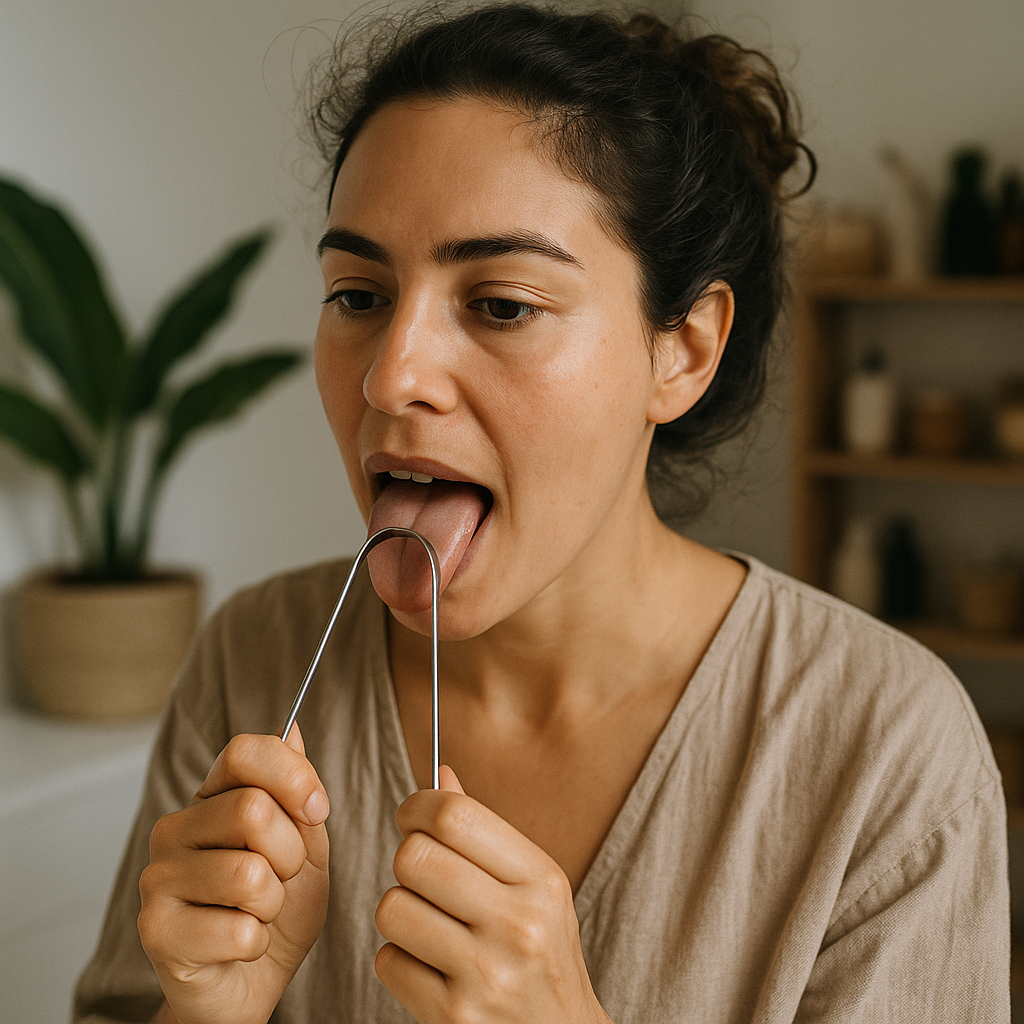
Tongue scraping + oil pulling — detoxify and cool the system first thing.
-
Self-massage (abhyanga) with coconut oil — calming, grounding, and reduces heat.
-
Cool shower or bath, not scalding hot ones (tempting though they are).
-
Quiet mornings — journaling, breathing, maybe a light walk or gentle yoga.
The idea? Create calm before the heat of the day sets in.
Sleep Patterns and Ayurvedic Guidelines Relevant to Pitta
Pitta tends to wake in the middle of the night (around 2–3 AM), restless and wired. Ayurveda sees this as a clear signal: your mind and body are overcooked.
Tips to reset sleep:
-
Be in bed by 10 PM. Seriously.
-
Avoid stimulating work/screens before bed.
-
Try brahmi tea or warm milk with nutmeg and cardamom as a nightcap.
-
A few drops of brahmi oil or sandalwood oil on the temples helps calm the pitta mind.
Ayurvedic Personal Care Practices for Pitta
Pitta skin is sensitive. It burns, breaks out, reacts easily. Sound familiar?
Try this:
-
Use rose water, sandalwood paste, or aloe vera on skin.
-
Avoid harsh scrubs or chemical-heavy skincare.
-
Wash your eyes with triphala water if they feel red or hot.
-
Add cooling scents like jasmine or vetiver to your environment — even just a drop of essential oil on your pillow.
Simple shifts, big relief.
Yoga & Breathing Techniques for Pitta in the Human Body
Yoga Asanas Specifically Recommended for Pitta
The best yoga for pitta isn’t power flows or hot yoga (sorry, Bikram fans). It’s about grounding, cooling, and slowing things down.
Recommended asanas:
-
Child’s Pose (Balasana)
-
Moon Salutations (Chandra Namaskar)
-
Seated Forward Bend (Paschimottanasana)
-
Reclining Twist (Supta Matsyendrasana)
-
Legs-Up-the-Wall (Viparita Karani)
Hold poses longer, breathe slowly, and avoid pushing yourself into achievement-mode during practice.
Pranayama (Breathing Exercises) That Improve Pitta
Breath is powerful. For pitta, the key is to cool and slow the breath.
Try these:
-
Sheetali (Cooling Breath) — stick your tongue out, breathe in through it like a straw. It literally cools the body.
-
Sheetkari — similar, but done with teeth slightly parted.
-
Nadi Shodhana (Alternate Nostril) — balances both sides, calms mental fire.
Avoid Bhastrika or Kapalabhati when overheated. Too intense.
How Often to Practice Yoga & Breathing Techniques for Pitta
Don’t overdo it. Pitta types are prone to pushing themselves too far — even with yoga!
Aim for:
-
30–45 minutes of gentle yoga, 3–5 times per week
-
Pranayama daily, even if just 5 minutes in the morning and before bed
Consistency matters more than intensity. Trust me — your nervous system will thank you.
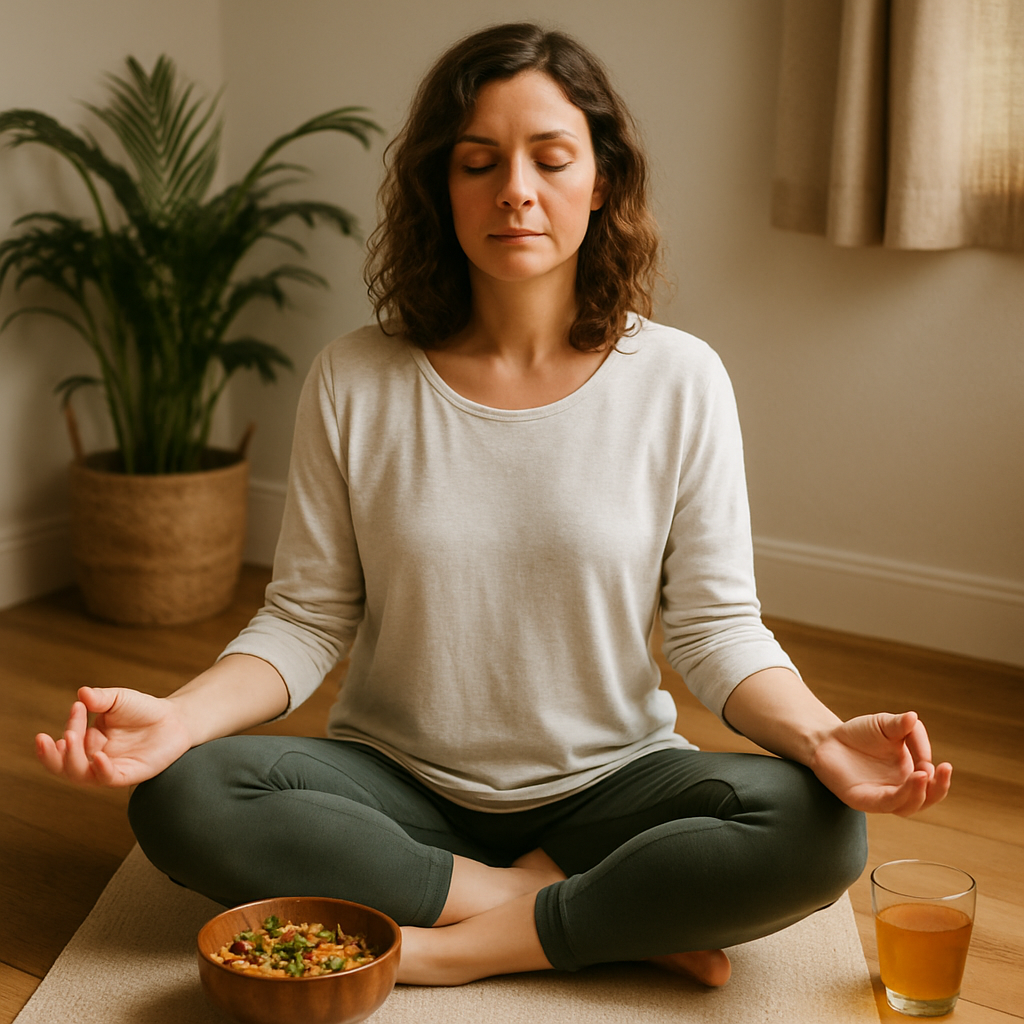
Stress Management and Emotional Health Advice for Pitta in the Human Body
Ayurvedic Techniques to Reduce Stress Related to Pitta
Let’s be blunt: pitta people stress hard. Not always visibly, but that internal tension? It’s real.
Some Ayurvedic tricks that actually help:
-
Aromatic oils like sandalwood, rose, and vetiver — apply to temples or chest.
-
Cooling herbal teas — think brahmi, chamomile, gotu kola.
-
Grounding activities like gardening, swimming, painting — anything that feels slow and immersive.
-
Spend time in nature, especially under the moon or near water.
Meditation and Mindfulness Practices Beneficial for Pitta
Pitta minds are sharp — sometimes too sharp. They need to melt, not focus harder.
Try this style of meditation:
-
Loving-kindness (Metta) — builds softness
-
Guided body scan — helps drop out of the head and into the body
-
Chanting or mantra repetition — like “Om Shanti” or “So Hum”
It’s not about doing it right, it’s about letting go of control. Which is, ironically, the hardest thing for a pitta person to accept.
Emotional and Psychological Considerations in Ayurveda for Pitta
Ayurveda sees emotional health as inseparable from physical health. For pitta:
-
Anger, irritation, and impatience are often signs of imbalance.
-
Emotional heat builds when digestion is off, sleep is poor, or there’s too much competition/stimulation.
-
Repressed emotions can lead to inflammation or burnout.
The fix? Honest self-reflection, journaling, cool-hearted conversations, and learning how to sit with discomfort instead of reacting immediately.
स्वयं दवा न लें और प्रतीक्षा न करें। अभी डॉक्टर से चैट शुरू करें
Practical Ayurvedic Home Remedies and Recipes for Pitta in the Human Body
Simple and Effective Home Remedies for Pitta
You don’t need to stock up on obscure herbs or chant Sanskrit mantras to bring pitta back into balance. Some of the most effective remedies? They’re sitting in your kitchen right now.
Here are a few time-tested classics:
-
Coriander-cumin-fennel tea: A soothing blend that cools the system and aids digestion. Just boil equal parts of each seed, strain, sip warm or cool.
-
Aloe vera juice (unsweetened): Take 2 tablespoons on an empty stomach — great for skin, digestion, and general heat reduction.
-
Sandalwood paste: Apply to the forehead during headaches or when feeling overheated.
-
Buttermilk with mint and cumin: Great post-meal drink for cooling digestion.
-
Coconut oil scalp massage: Don’t underestimate this — it calms the nervous system and literally cools the head.
Honestly, these don’t feel like “remedies” — they feel like acts of care. Small, everyday rituals that remind your body it doesn’t need to be in fight-or-flight mode all the time.
Ayurvedic Recipe Ideas Specifically Beneficial for Pitta
Okay, imagine this: it’s late summer, you’ve just come in from a sweltering day, and your mind is fried. You’re not reaching for spicy ramen. Instead, try:
-
Cooling Kitchari for Pitta
-
Basmati rice + split yellow mung dal + fennel + turmeric + cilantro + ghee
-
Add zucchini, asparagus, or spinach. No garlic/onion — keep it light.
-
-
Mint-Coconut Chutney
-
Blend fresh mint, coconut, coriander, a bit of lime juice. Chill before serving.
-
-
Rose & Cardamom Rice Pudding
-
Rice, milk (or almond milk), cardamom, rose water, jaggery. Calms both belly and heart.
-
-
Cucumber-Raita with Dill
-
Grated cucumber, plain yogurt, dill, cumin powder. Serve cool with lunch.
-
Ayurvedic cooking is not about being gourmet. It’s about creating harmony — with the season, with your mood, with your body.
Preparation Tips and Guidelines for Ayurvedic Remedies for Pitta
-
Always cook in non-reactive cookware (clay, stainless steel, or enamel).
-
Avoid overcooking or reheating — fresh is best.
-
Use ghee over oils like sunflower or mustard, which are too heating.
-
Avoid multitasking while preparing food. Yes, even podcasts. Be present.
-
Add herbs at the right moment — early in cooking for deeper flavor, at the end for medicinal effect.
Oh, and eat sitting down. You’d be surprised how many of us eat standing by the sink like exhausted raccoons.
Common Mistakes & Misconceptions About Ayurvedic Lifestyle for Pitta
Common Myths About Ayurveda & Pitta
Let’s bust some myths, shall we?
-
“Ayurveda is just about food.”
Nope. Food is maybe 40% of it. The rest is daily habits, emotional patterns, environment, and how you digest life. -
“All spicy food is bad for pitta.”
Not quite. Certain spices like coriander, fennel, or turmeric help pitta. It’s the chili bombs and sour heat you want to watch. -
“If I’m pitta, I’ll always have problems.”
That’s like saying having a Ferrari means you’ll crash it. No. You just need to learn to drive it well.
Typical Mistakes People Make When Adopting Ayurvedic Lifestyle for Pitta
-
Overcorrecting: Going ultra-cold and raw overnight. Nope — that tanks digestion.
-
Over-diagnosing: “I have acne. Must be pitta. Better avoid everything.” It’s not always that simple.
-
Sticking to rigid routines: Ironically, too much structure is also a pitta trait. Ayurveda asks for balance, not punishment.
How to Avoid These Mistakes for Pitta
-
Start small. One cooling tea a day. One earlier bedtime.
-
Listen to how you feel, not just what a chart says.
-
Understand your prakriti (constitution) AND your vikriti (current imbalance). That nuance makes all the difference.
-
Work with an Ayurvedic practitioner. Seriously, having a human to talk to helps unravel the confusion fast.
Real-Life Success Stories & Testimonials Related to Pitta
Inspirational Stories from Individuals Who Improved Pitta Through Ayurveda
Ria, 32, tech project manager:
“I used to get stress rashes on my neck every week. Coffee, deadlines, skipped lunches — the usual grind. Once I started following even just the pitta meal timings, everything shifted. I still work in tech, but I haven’t seen that rash in 6 months.”
Dev, 41, fitness instructor:
“I thought Ayurveda was anti-gym. Then I realized it was about how I train, not if I train. Swapping out pre-workout for aloe juice? Game-changer for my digestion and energy.”
Real-World Benefits & Results Achieved Using Ayurvedic Recommendations for Pitta
-
Clearer skin within weeks
-
Less acid reflux after adjusting dinner timing
-
More emotional regulation — “less snappy,” as one client put it
-
Consistent energy without burnout
-
Deep, uninterrupted sleep (finally!)
Real people, real stories. That’s the power of this system.
Scientific Evidence Supporting Ayurvedic Lifestyle & Diet for Pitta
Research Findings About Diet’s Impact on Pitta
While Ayurveda doesn’t always speak in clinical terms, modern research is catching up. Studies now confirm:
-
Bitter greens support liver function and reduce systemic inflammation.
-
Cooling herbs like fennel and coriander reduce GI inflammation.
-
Spices such as turmeric have well-documented anti-inflammatory benefits.
The patterns match. And it’s no longer just anecdotal.
Clinical Studies Confirming the Benefits of Ayurvedic Practices for Pitta
-
A 2020 study in Journal of Ayurveda and Integrative Medicine showed a marked reduction in acid reflux and skin inflammation with pitta-pacifying diets.
-
Controlled studies on abhyanga (oil massage) found reduced cortisol levels and improved mood.
-
Pranayama practices — especially Sheetali and Nadi Shodhana — have shown strong effects on lowering body temperature and calming the nervous system.
Expert Opinions on Ayurvedic Approaches to Pitta
Dr. Vandana Singh, Ayurvedic MD:
“Pitta dominance isn’t a flaw — it’s a strength. But you must learn how to manage fire. Too much and it burns, too little and it dies. Ayurveda teaches balance, not restriction.”
Western nutritionists increasingly nod toward this wisdom too — citing the “gut-brain” connection and inflammation's role in emotional health. Ayurveda’s been talking about that for millennia.
Conclusion & Summary of Ayurvedic Recommendations for Pitta
If you’ve made it this far, you’re already doing the work — just by being curious, open, and ready to tune into your body’s deeper signals.
Here’s the short version of a very long article:
-
Pitta = fire + water. It governs transformation, digestion, sharpness.
-
Imbalance looks like inflammation, frustration, intensity overload.
-
Ayurveda cools the fire gently, through food, habits, thoughts, and breath.
-
Start small: hydrate properly, eat warm lunches, cool the spice, sleep before 10.
-
You don’t need perfection — you need presence.
-
Let it feel intuitive. Let it feel human.
Want real results? Work with someone who gets it. We can help you figure out your dosha, your imbalances, and the exact path that fits your lifestyle.
👉 [Get expert Ayurvedic guidance for your unique pitta needs — contact us now.]
Because balance isn’t found in a supplement. It’s found in how you live.
Frequently Asked Questions (FAQ) about Ayurvedic Lifestyle for Pitta in the Human Body
Q1: What are the main signs of pitta imbalance?
Common symptoms include acid reflux, skin inflammation, irritability, overheating, and loose stools. Emotionally, you might feel overly critical or impatient.
Q2: Can I still eat spicy food if I’m pitta dominant?
Mild spices like turmeric, coriander, and fennel are fine. But try to avoid hot peppers, chili, and excess sour or salty items.
Q3: What’s the best time of day for a pitta person to work out?
Early morning (6–8 AM) or early evening (before 6 PM) is ideal. Avoid intense midday workouts, especially in summer.
Q4: Is dairy good or bad for pitta?
It depends on your digestion, but generally, dairy like milk, ghee, and paneer can be calming and beneficial — especially when warm and spiced with cardamom or cinnamon.
Q5: How long does it take to balance pitta with Ayurveda?
You might notice changes in a few days, but deeper balance usually takes several weeks of consistent lifestyle shifts. Patience is part of the medicine.
उपयोगकर्ताओं के प्रश्न
What lifestyle changes can help reduce pitta-related inflammation?
Client_90907d
15 घंटे पहले
To reduce pitta-related inflammation, start by incorporating cooling and anti-inflammatory foods into your diet, such as cucumbers, melons, and cilantro. Avoid spicy foods, red meat, and heavily salted items, as these can increase inflammation. Hydration is key, so drink plenty of water and try cooling herbal teas like mint or licorice. Regularly practice stress-reducing activities such as yoga or meditation to help manage underlying stress that can exacerbate inflammation. If symptoms persist, consult a healthcare provider for a personalized assessment.
What are effective calming practices to support pitta during summer?
Client_9c200f
5 दिनों पहले
To effectively calm pitta during summer, focus on practices that cool and de-stress the body. Prioritize staying hydrated with water or herbal teas like mint or fennel, known for their cooling properties. Engage in calming activities such as yoga or swimming and prefer light, cooling meals featuring grains, cooked vegetables, and a small amount of ghee. Avoid spicy, fried, or overly salty foods. Monitoring how your body reacts to the heat can help; if symptoms like overheating, irritability, or skin rashes persist, consult a healthcare professional for tailored advice.
What are the symptoms of pitta imbalance in daily life?
Client_3f0b43
10 दिनों पहले
Pitta imbalance in daily life can manifest as irritability, impatience, and an increased tendency to anger or frustration. Physically, it may present as excessive body heat, indigestion, heartburn, and skin rashes. You might also experience redness in the skin or eyes and a preference for cooler environments. To manage these symptoms, focus on consuming cooling foods like cucumbers and melons, and practice relaxation techniques. If symptoms persist or interfere with daily life, it's advisable to consult a healthcare professional.
Can I incorporate herbal teas into my daily routine for pitta balance?
Client_ad6c6b
15 दिनों पहले
Yes, incorporating herbal teas like coriander-cumin-fennel tea can help balance pitta by cooling the body and aiding digestion. Pitta types often benefit from ingredients that naturally soothe and regulate heat. Drinking this tea once or twice daily, especially after meals, can complement a pitta-specific diet and lifestyle. However, if you experience persistent symptoms like acid reflux or skin irritations, consult a healthcare provider. While Ayurveda may suggest certain herbs, always prioritize evidence-based medical advice for comprehensive health management.
How can I identify if I have a pitta imbalance?
Client_e185dc
20 दिनों पहले
Identifying a pitta imbalance includes observing symptoms like irritability, redness of the skin, acne, heartburn, and increased body temperature. Pitta dominance often manifests in excessive sweating, inflammatory skin conditions or digestive issues like acidity. To counteract, it’s usually advised to consume cooling foods, stay hydrated, and engage in calming activities like yoga or meditation. If symptoms persist or interfere with daily life, it’s crucial to seek advice from a healthcare professional to rule out other conditions. Ayurveda may suggest herbal teas or specific diets, but these should complement, not replace, medical advice.
What cooking methods are best for balancing pitta dosha?
Client_409d8a
30 दिनों पहले
For those focusing on balancing pitta dosha, cooking methods that emphasize cooling and grounding are advantageous. It's best to use non-reactive cookware like clay, stainless steel, or enamel to keep excessive heat in check. Aim to prepare fresh meals, as overcooking or reheating can aggravate pitta. Use ghee instead of heating oils like sunflower or mustard. While Ayurvedic guidance can be helpful, be sure to also consult a healthcare professional if you experience symptoms like indigestion or inflammation.
How long does it take to notice pitta balance improvements?
Client_c43f7b
40 दिनों पहले
The time it takes to notice improvements in balancing pitta can vary widely depending on individual factors such as lifestyle, diet, and level of imbalance. Typically, some people may begin to see subtle changes in their pitta-related symptoms within a few weeks, especially with consistent dietary adjustments and stress management practices like yoga or meditation. For more noticeable improvements, it might take several months. It's important to monitor symptoms such as skin issues, digestive discomfort, or mood imbalances. Persistent symptoms warrant consultation with a healthcare provider.
How can I improve my emotional well-being to balance pitta?
Client_44d04b
50 दिनों पहले
To improve your emotional well-being and balance pitta, focus on stress-reducing activities such as regular exercise, mindfulness, and relaxation techniques like yoga or meditation. Eating smaller, more frequent meals and avoiding overly spicy foods can also help, as pitta is associated with heat and activity. Limit caffeine and alcohol, as they can exacerbate pitta's fiery nature. Typically, noticeable improvements can be seen within a few weeks with consistent practice. Consult a healthcare provider if you experience persistent stress or emotional difficulties.
How can hydration choices affect my pitta balance daily?
Client_b12f3c
59 दिनों पहले
To help maintain your pitta balance, focusing on cooling and hydrating fluids can be beneficial. Opt for drinks like coconut water, aloe vera juice, and herbal teas such as chamomile and peppermint, which have cooling properties. Avoid hot, caffeinated, and alcoholic beverages that may increase heat and acidity in the body. Drinking fluids at room temperature rather than very cold can be more soothing for digestion. If symptoms of imbalance, such as acid reflux or skin irritation, persist, it’s advisable to consult a healthcare provider.
What is aloe juice good for beyond balancing pitta?
Client_da2c38
69 दिनों पहले
Aloe juice is great for more things than just balancing pitta. It helps improve digestion by making the digestive fire (agni) work better and can soothe inflammations or skin irritations. It's also hydrating and could aid the liver in detoxifying. But balance is key, so always be cautious with how much you take!
संबंधित आलेख

Body Detox
Why Understanding Your Pitta Body Type Can Change Everything
Pitta is the fire and a bit of water — transformation, metabolism, focus, intensity. It governs everything that heats, digests, processes, and sharpens. When it’s in balance, you’re sharp, courageous, perceptive. You get things done. But when it’s off? Oh
2,456

Body Detox
घर पर प्राकृतिक तरीके से खून को शुद्ध कैसे करें: आयुर्वेदिक उपाय और आहार
आयुर्वेदिक खाद्य पदार्थों, जूस, सब्जियों और प्राणायाम के साथ घर पर ही प्राकृतिक तरीके से खून को शुद्ध करना सीखें। आंतरिक सफाई और डिटॉक्स के लिए आसान दैनिक टिप्स।
9,078

Body Detox
Krimisodhini Gulika: Ayurvedic Medicine for Gut Health and Parasite Cleansing
Explore Krimisodhini Gulika, its benefits, proper dosage, side effects, and scientific research supporting its use as an effective Ayurvedic treatment for parasitic infections.
5,616

Body Detox
What Is Tratak Kriya? Meaning, Practice Steps, and Yogic Benefits
What is Tratak Kriya? Learn its meaning, steps, benefits for eyes and mind, how to practice it safely, and what precautions to follow in this yogic technique
19,066

Body Detox
Powder Massage in Ayurveda: More Than Just a Skin Thing
So, let’s talk powder massage. Maybe you've seen a clip online — someone getting vigorously scrubbed with what looks like cinnamon dust. Or maybe your aunt's into Ayurveda and won’t stop talking about "Udvartana" (that’s the fancy Sanskrit name, by the wa
3,559

Body Detox
Navaka Guggulu – Benefits, Dosage, How To Use, Side Effects, Ingredients
Exploration of Navaka Guggulu – Benefits, Dosage, How To Use, Side Effects, Ingredients
5,912

Body Detox
What Is Mango Ginger? Ayurvedic Guide to Benefits, Tea, and Usage
What is mango ginger? Discover mango ginger benefits for skin and digestion, how to use it in tea, and Ayurvedic insights on this unique root
11,440
Body Detox
Panchakarma Cleanse: Ayurvedic Detox and Rejuvenation
If you've been feeling heavy, foggy, maybe just... off, you're definitely not alone. It’s wild how modern life pulls us out of balance without us even noticing until one day we wake up thinking, something's not right. That's actually how I stumbled into t
3,110

Body Detox
अश्वगंधा पाउडर का उपयोग कैसे करें: आयुर्वेदिक गाइड और फायदे
अश्वगंधा पाउडर का उपयोग कैसे करें? इसके उपयोग, फायदे और खुराक के बारे में जानें। जानें कि अश्वगंधा पाउडर को दूध या पानी के साथ कैसे लिया जा सकता है और इसे लेने के सबसे अच्छे तरीके क्या हैं।
16,926

Body Detox
How to Reduce Vata from the Body Without Losing Your Mind (or Your Appetite)
In Ayurveda — that ancient, often misunderstood science from India that goes way deeper than turmeric lattes — Vata is one of the three doshas. Doshas are like energies or forces that make up your constitution. Vata is made of air and ether. So think: mov
3,064
विषय से संबंधित परामर्श
अतिरिक्त दस्तावेज़
© 2024 Ask Ayurveda. सर्वाधिकार सुरक्षित।