आयुर्वेदिक डॉक्टर से प्रश्न पूछें और निःशुल्क या भुगतान मोड में अपनी चिंता की समस्या पर ऑनलाइन परामर्श प्राप्त करें। 2,000 से अधिक अनुभवी डॉक्टर हमारी साइट पर काम करते हैं और आपके प्रश्नों का इंतजार करते हैं और उपयोगकर्ताओं को उनकी स्वास्थ्य समस्याओं को हल करने में प्रतिदिन मदद करते हैं।
मुफ्त! आयुर्वेदिक डॉक्टरों से पूछें 24/7

 तेज़ प्रतिक्रियाएँ
 1000+ सत्यापित डॉक्टर
Body DetoxEar, Nose, and Throat DisordersGeriatrics & RejuvenationImmunodeficiencyInfertility TreatmentNutritionOrthopedic DisordersPediatricsRespiratory DisordersSexually Transmitted Diseases (STDs)Surgery RecoveryUrological DisordersVascular DisordersDental DisordersEndocrinological DisordersGastrointestinal DisordersYoga TherapyGeneral MedicineAllergic DisordersCardio DisordersGynecology and ObstetricsCosmetologySkin and Hair DisordersEye DisordersInfectious DiseasesMental DisordersNeurological DisordersOncologyPanchakarmaSexual Health & DisordersSports Medicine
पर प्रकाशित 05/21/25
(को अपडेट 07/02/26)
2,621
What Causes Vertigo: Ayurvedic Perspective on Imbalance and Healing
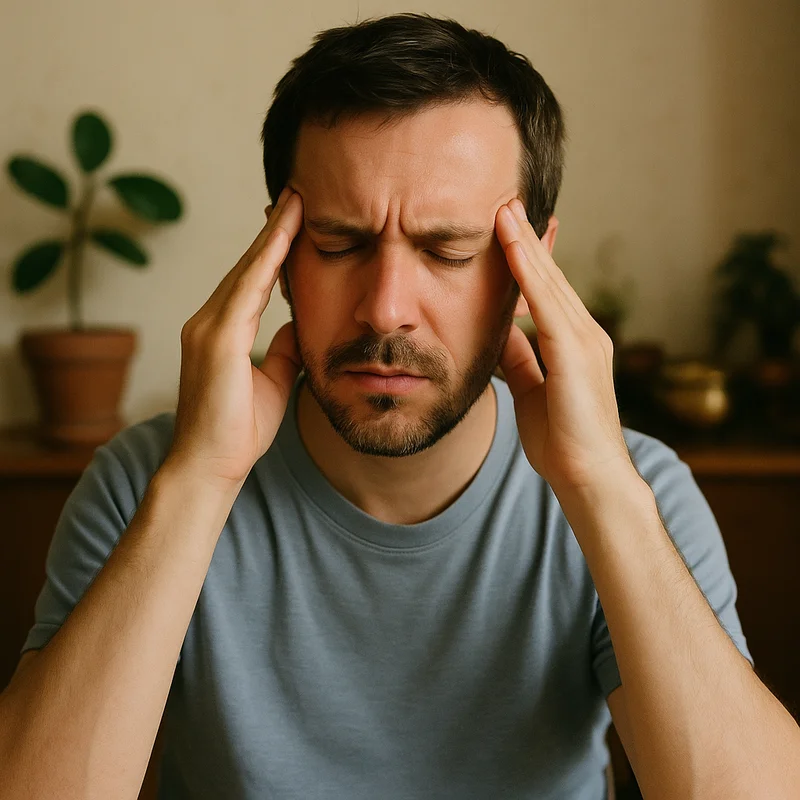
Ever stood up too fast and felt like the world was tipping over? That strange, dizzying spin — like your brain suddenly got disconnected from your body? Yeah, that’s vertigo. And if you’ve felt it more than once, or for longer than a few seconds, you know it’s not just annoying — it can be downright frightening. You start wondering what causes vertigo in the first place. Is it your neck? Your ears? Your mind playing tricks?
From an Ayurvedic standpoint, vertigo isn’t just a random nerve misfire. It’s your body waving a flag — saying something’s off-balance. It’s not just about spinning rooms or wobbly legs. It’s about deeper imbalances — in energy, in digestion, in how your nervous system interacts with the world. And once you see it like that, the path to healing starts to feel more grounded and holistic.
Let’s slow things down and look at how Ayurveda explains vertigo — and what we can actually do about it.
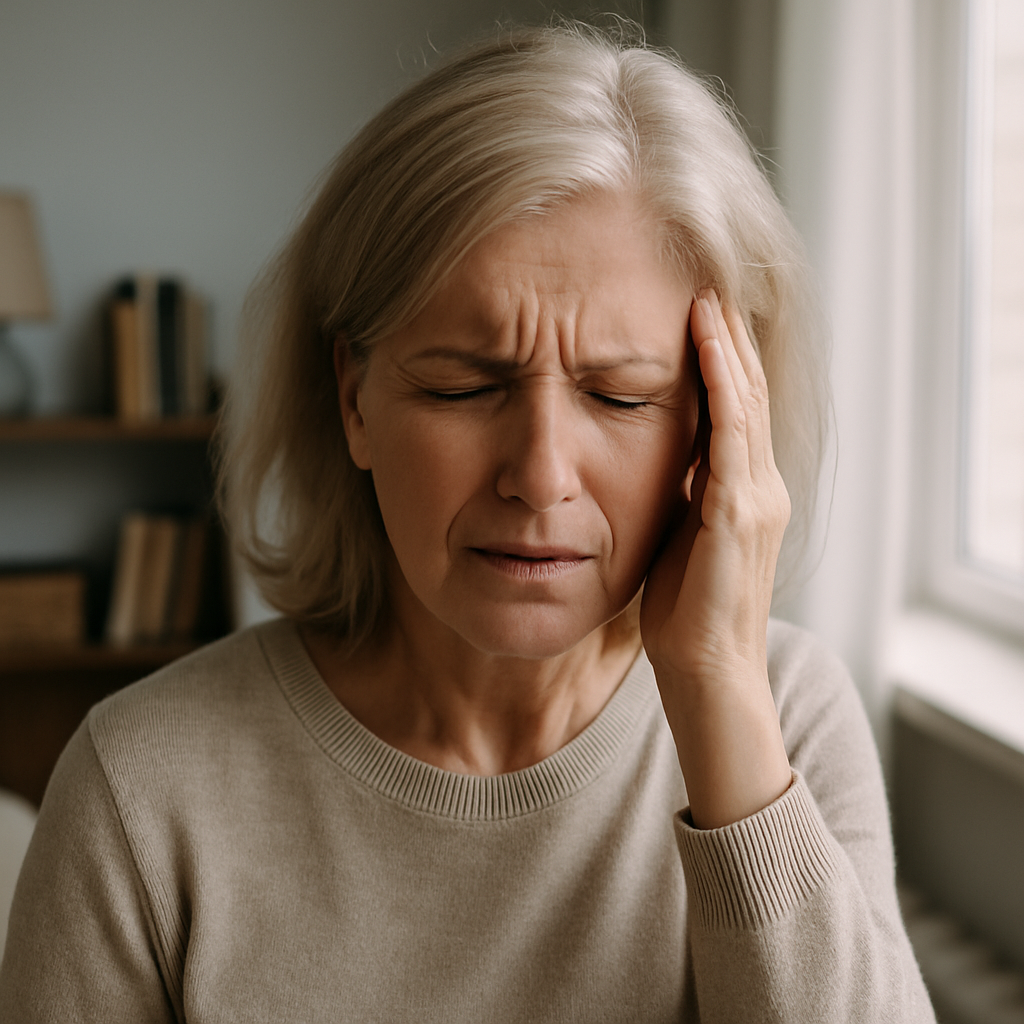
What Is Vertigo in Ayurveda?
In modern terms, vertigo is that spinning, floating, or swaying feeling you get when your balance system — mainly your inner ear and brain — is out of sync. But vertigo meaning shifts when we step into the Ayurvedic lens.
Ayurveda sees vertigo as a Vata or Pitta imbalance — a disturbance in the elements of air and fire. Vata governs movement, nerves, and all communication between brain and body. Pitta deals with heat, metabolism, and sharpness. When either of these doshas (energies) goes haywire — often due to stress, poor sleep, junk food, or mental overdrive — it can trigger what we experience as vertigo symptoms.
The name for vertigo in Ayurveda? Often called Bhrama, which literally translates to confusion, giddiness, or illusion — not just physically, but emotionally too. It’s as much about feeling unsteady in life as it is about losing your physical balance.
What Causes Vertigo According to Ayurveda
It’s not just about asking “what causes vertigo” — it’s about understanding how your whole lifestyle and energetic patterns contribute to that internal disorientation. Let’s dig into a few causes from the Ayurvedic view.
Mental and Nervous System Aggravation
Ever had a panic attack that left you dizzy? Or worked a 14-hour screen-filled day, only to collapse into bed feeling like your brain’s still spinning? That’s Vata overload. Too much sensory input, worry, lack of routine — all of it agitates the nervous system and sets the stage for imbalance.
In Ayurveda, this is prime territory for vertigo to sneak in. It’s not “all in your head” — but your head is definitely involved.
Cervical Vertigo and Postural Triggers
Here’s a tricky one: cervical vertigo. It happens when stiffness, tension, or misalignment in the neck messes with the nerves and blood flow to your head. Ayurveda would call this Vata stagnation — blocked movement of energy in the neck region.
Posture plays a massive role here. Sitting with your head forward, driving for hours, craning over phones — all these strain the neck and disturb the natural flow of prana (life force), leading to those swirling, unsteady episodes.
Causes of Vertigo in Women: Hormonal and Emotional Links
Okay, so here’s something not everyone talks about enough. Causes of vertigo in women can be deeply tied to hormonal shifts — think menstruation, menopause, or even pregnancy. Ayurveda sees this as a delicate dance of Pitta and Vata, both of which get stirred during hormonal fluctuations.
Add to that emotional stress, caretaking burnout, or sudden life changes, and you’ve got the perfect storm. Not surprising that women report vertigo more frequently — especially during transitions.
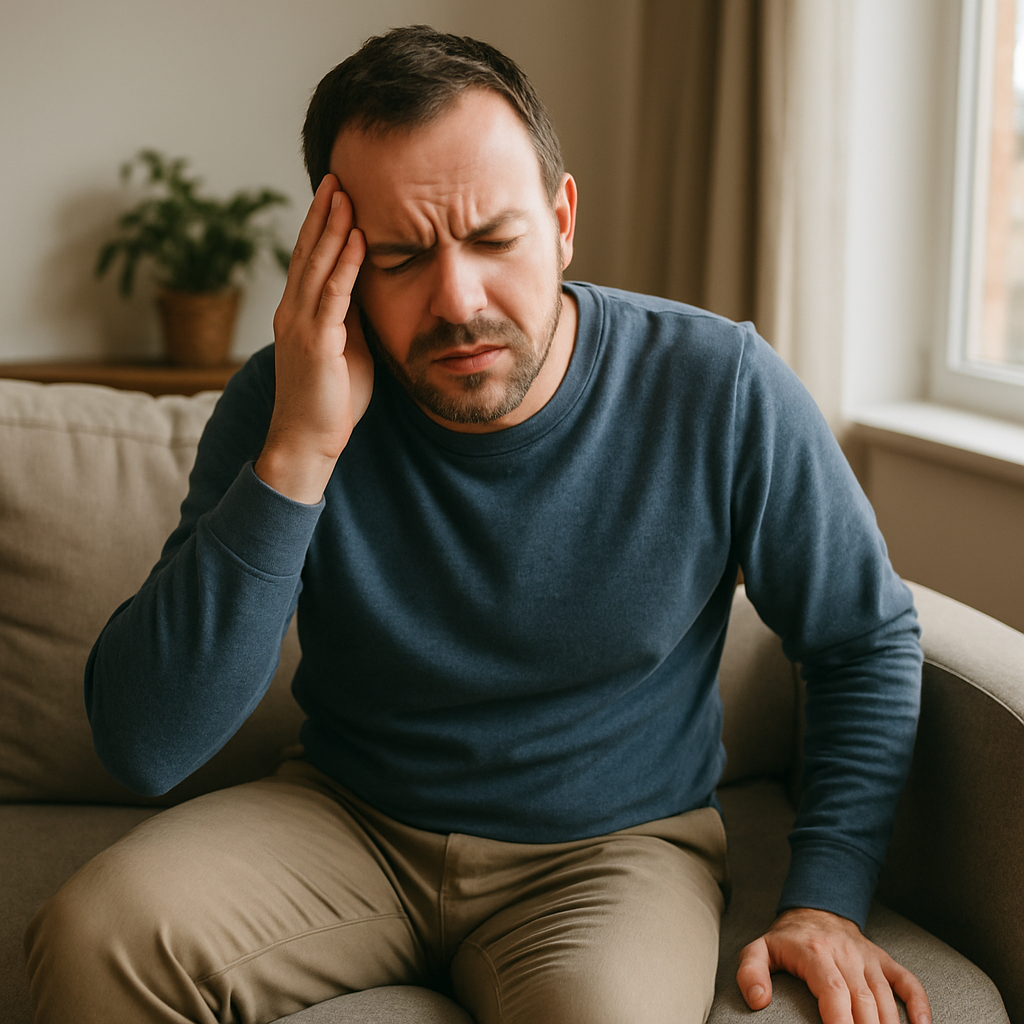
Symptoms and Early Signs of Vertigo
Let’s be honest — most people don’t recognize the early signs of vertigo until things get pretty dramatic. Like, the room’s spinning, you’re gripping the edge of a table, or you’re flat on the floor wondering if you're having a stroke. But here’s the thing: vertigo symptoms can be super subtle at first.
You might feel a momentary lightheadedness when standing up, a weird pressure in your ears, or even a brief “floating” sensation as you lie down. Some folks say it feels like walking on a boat — like their body is just a second behind the rest of the world. Others describe a foggy head, blurry vision, or a strange disconnect from their surroundings.
Ayurveda pays very close attention to these small signals — because they point to the body trying to rebalance. That lightheaded moment after skipping a meal? Vata talking. That heat rising to your head after an argument? Classic Pitta.
So, catching those early signs can actually be the best thing you do. It’s your cue to slow down, ground yourself, and start realigning your habits before vertigo hits full force.
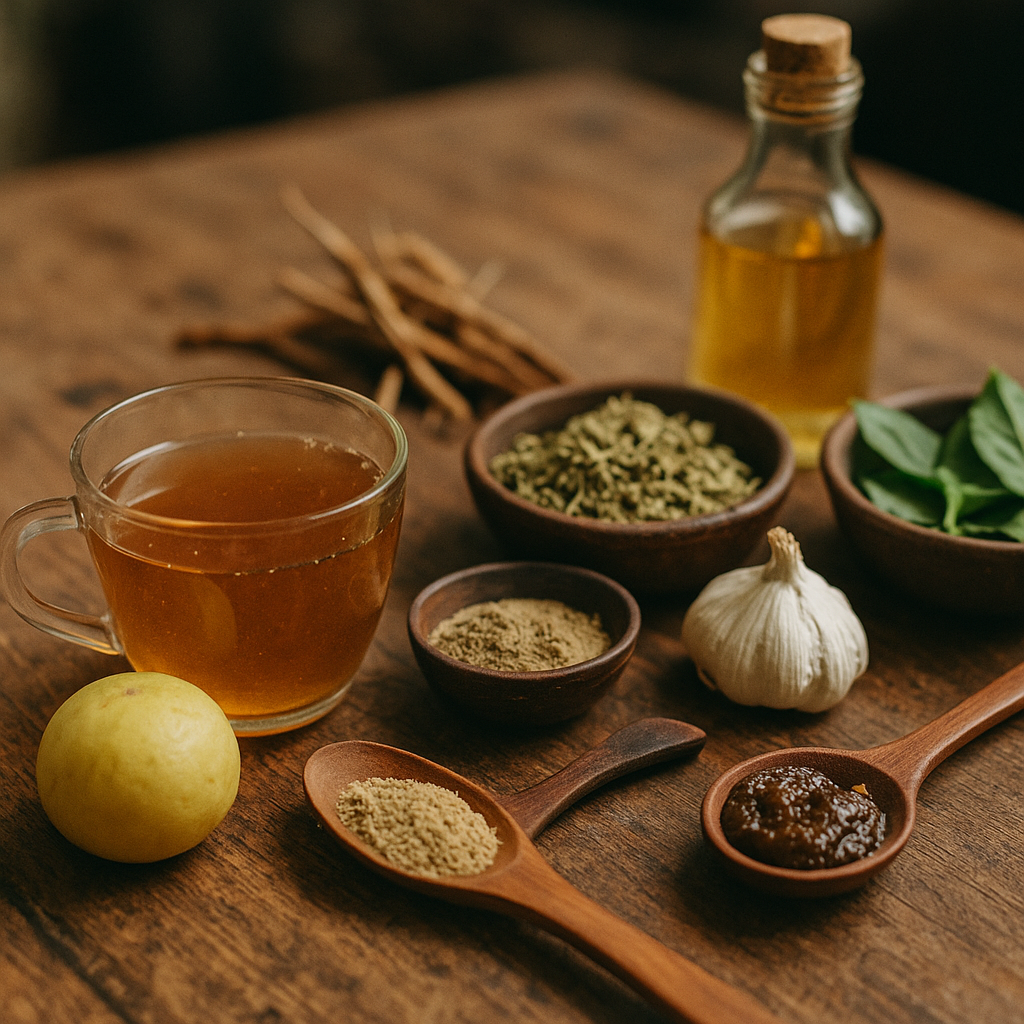
Ayurvedic Treatment and Lifestyle Remedies for Vertigo
Here’s where things get interesting — and hopeful. In Ayurveda, treatment isn’t just about silencing symptoms. It’s about listening to them. Your dizziness isn’t the problem. It’s the body’s way of saying, “Hey, we’re off track. Let’s reset.”
There are several time-tested Ayurvedic approaches for vertigo treatment — from herbs and oils to daily routines that calm the nervous system and balance the doshas.
Ayurvedic Medicine for Vertigo (e.g., Brahmi, Shankhpushpi)
Let’s start with herbs, because wow — Ayurveda has some amazing allies here.
-
Brahmi (Bacopa monnieri): Known to nourish the brain, cool the mind, and strengthen the nervous system. Especially good when vertigo is tied to stress or anxiety.
-
Shankhpushpi: Often used to calm mental agitation. If your vertigo comes with insomnia or overthinking, this might be your herb.
-
Ashwagandha: Grounding and stabilizing. Helps with Vata imbalance, fatigue, and stress-related dizziness.
-
Guduchi: A gentle detoxifier that can cool down excess Pitta — great if you feel flushed or heated during episodes.
These aren’t over-the-counter “cures,” by the way. Ayurvedic medicine works best when tailored to your constitution and imbalances — ideally by a practitioner.
Dinacharya to Restore Balance and Calm the Mind
If Ayurveda had a favorite word, it might be dinacharya — your daily rhythm.
Simple routines like:
-
Waking and sleeping at consistent times
-
Eating warm, grounding foods at regular intervals
-
Gentle morning oil massage (Abhyanga)
-
Limiting screen time, especially at night
…these small things create a huge sense of stability in the nervous system. When Vata is aggravated, structure is the antidote.
I know, I know — routines sound boring. But when you’re battling dizziness, a little boring can be really healing.
Cooling Diet and Herbal Oils for Head and Neck Tension
If there’s heat rising (like flushing, inflammation, or irritability), you’ll want to cool down Pitta. That means:
-
Avoid spicy, acidic, or fried foods
-
Add cooling ingredients like coconut, cucumber, coriander
-
Drink herbal teas (mint, fennel, chamomile)
-
Use nasya (nose oiling) with calming oils like Anu Taila
-
Apply brahmi or bhringraj oil on the scalp and neck
For cervical vertigo especially, neck oil massage with warm medicated oils can be transformative. It doesn’t just release physical tension — it helps move stuck prana, grounding both the body and the mind.
Conclusion
So... vertigo. It's not just in your head, but it kind of is. And it's not just about balance — it's about imbalance. In Ayurveda, vertigo isn’t treated like a random malfunction. It’s a message, a blinking light on your body’s dashboard saying: “Hey, something’s off. Let’s fix it before it gets worse.”
Understanding what causes vertigo from this perspective means zooming out. Instead of chasing down symptoms, you start looking at your entire rhythm — your sleep, your food, your emotions, even how you breathe. It’s both practical and philosophical.
And the cool thing? The moment you start making small shifts — warm meals, less rushing, a 5-minute oil massage in the morning — the world starts to feel steadier. Literally.
If vertigo has been following you around, don’t ignore it. But also don’t panic. Start with awareness. Start with stillness. Let Ayurveda guide you back into balance.
And yeah, definitely check with an Ayurvedic practitioner if this has been a long-standing thing. Personalized advice always wins.
स्वयं दवा न लें और प्रतीक्षा न करें। अभी डॉक्टर से चैट शुरू करें
FAQs
How long does vertigo last?
It really depends on the cause. A short Vata spike — like from skipping meals or a stressful day — might resolve in hours with rest and food. But chronic patterns (like cervical vertigo or hormonal shifts) can linger for weeks if not treated holistically. Ayurveda works gradually, so patience is part of the healing.
How to tell which ear is causing vertigo?
Okay, this one’s more in the modern medicine zone — and ENT doctors do maneuvers like the Dix-Hallpike test to find out. But in Ayurveda, we’re less focused on which ear and more on why the system is off. That said, if you often get vertigo when turning your head to one side, it could point to an inner ear imbalance or even neck tension on that side.
How does Vata imbalance lead to vertigo symptoms?
Think of Vata as the wind — movement, motion, energy. When it’s balanced, everything flows. When it’s disturbed, it creates instability — in thoughts, in digestion, in the nervous system. That instability? Often felt as dizziness, confusion, unsteadiness. It’s not woo-woo. It’s literally your mind-body coordination wobbling.
Vata imbalance can come from irregular habits, too much cold or dry food, excessive screen time, lack of sleep, anxiety — basically, modern life. The antidote? Warmth, grounding, and consistency.
उपयोगकर्ताओं के प्रश्न
What is a cooling diet and how can it help with dizziness and vertigo symptoms?
Penelope
3 दिनों पहले
A cooling diet helps balance excess Pitta, which could be causing your dizziness or vertigo. Think of foods that are soothing, like cucumbers, melons, and coconut. Reducing spicy foods and caffeine might also help. If it's tied to heat – irritability, inflammation – this can definitely help, but if its somthin' else, other approach may be needed.
What is a Vata spike and how can it lead to vertigo symptoms?
Genesis
13 दिनों पहले
A Vata spike is basically a temporary increase in Vata energy, which can happen due to things like stress or irregular habits. This can mess with your body's balance and show up as vertigo symptoms like dizziness or unsteadiness. To help calm Vata, try warm, grounding routines like regular meals, staying warm, and maybe a nice oil massage!
What is the best way to cope with vertigo during a stressful situation?
Lucy
22 दिनों पहले
To deal with vertigo during stressful times, try some deep breathing exercises, They can help calm the mind and reduce anxiety. Also, keeping hydration up and avoiding caffeine might help balance things. In Ayurveda, calming herbs like Shankhpushpi can support mental ease. Consider any neck tension or misalignment, coz that might be adding to the problem as well.
Can I use Ashwagandha to help with vertigo symptoms from anxiety?
Connor
31 दिनों पहले
Yes, Ashwagandha can be helpful for vertigo related to anxiety. It's grounding and stabilizing, which can soothe the mind and nervous system. Just keep in mind, addressing lifestyle factors causing Vata imbalance, like diet or screen time, is key too. You might wanna check those aspects.
How can stress impact my overall balance and contribute to feeling dizzy?
Nevaah
40 दिनों पहले
Stress can mess up your body's harmony, leading to imbalances that might cause dizziness. Think about stress like a storm inside you - it can agitate your Vata dosha. This dosha governs movement and balance, so when it's out of whack, you might feel that spinning sensation. To steady things, try grounding practices, warm meals, and mindfulness.
What lifestyle changes can help reduce stress and improve Vata balance to prevent vertigo?
Genesis
50 दिनों पहले
To reduce stress and balance Vata (and keep vertigo at bay), try creating a routine with regular meals, sleep, and meditation. Warm foods, soups, and herbal teas like ginger or chamomile can help too. Gentle yoga or Tai Chi keeps things flowing without overtaxing. And don't forget, listening soothing music or taking walks in nature, that helps ground ya.
What is the role of movement and exercise in balancing Vata to prevent vertigo?
Caroline
60 दिनों पहले
Movement and exercise are key in balancing Vata, which tends to be light, cold, and erratic. Gentle exercises like yoga, tai chi, or walking help in grounding and calming Vata. Keep it slow and steady to avoid over-stimulation. Consistency is key! Just make sure not to overdo it, since intense workouts can actually aggrave Vata further.
How to use Shankhpushpi to prevent vertigo symptoms related to stress?
Lucas
69 दिनों पहले
For preventing vertigo symptoms with shankhpushpi, look at it as a gentle way to cool the mind. You can take it in powder or syrup form, maybe mixed with milk or water. It's good to have it regularly, especially if stress is a trigger, allowing it to calm that mental agitation. Try combining it with calming practices like breathing exercises or meditation to help keep stress (and vata!) in check. Always a good idea to consult with an Ayurvedic practitioner to tailor it right for you!
What is the connection between anxiety and Vata imbalance that leads to vertigo?
Shayla
79 दिनों पहले
Vata is all about movement and when it gets imbalanced, like from stress or anxiety, it can make you feel unsteady, even lead to vertigo. Think of Vata like the wind, always moving. When it gets too windy inside, you might feel dizzy or shaky. Calming Vata with warm foods, regular routines, can help ground you.
Is it safe to use essential oils for relieving vertigo symptoms?
Vesper
89 दिनों पहले
Essential oils can help with vertigo, but it can vary from person to person. Scents like peppermint or ginger might soothe symptoms by calming Vata energy and aiding balance. Just be cautious, try small amounts, and see how your body reacts. If symptoms are severe, though, it’s always good to consult a healthcare professional.
संबंधित आलेख

Neurological Disorders
How to Get Rid of a Migraine: Fast and Natural Relief
How to get rid of a migraine fast and naturally? Discover migraine relief at home, Ayurvedic treatments, and how to cure migraines that won’t go away
1,712
Neurological Disorders
Myasthenia Gravis Ayurvedic Treatment: A Holistic Approach to Managing Neuromuscular Healt
Myasthenia Gravis (MG) is a chronic autoimmune disorder that affects neuromuscular function, leading to weakness in skeletal muscles
3,266

Neurological Disorders
How to Massage Head for Headache: Ayurvedic Steps and Oils
Learn how to massage head for headache and migraine relief using Ayurvedic techniques, pressure points, and herbal oils. Step-by-step guide with tips and benefits
7,844

Neurological Disorders
Tips for Addressing Neck Pain Through Ayurveda
Neck pain is a prevalent ailment that affects a significant portion of the working society, often stemming from the demanding routines and sedentary lifestyles that modern jobs entail.
2,751

Neurological Disorders
ब्राह्मी वटी के फायदे, खुराक, सामग्री, साइड इफेक्ट्स
ब्राह्मी वटी के फायदे, खुराक, सामग्री, और साइड इफेक्ट्स की जानकारी
4,731

Neurological Disorders
ब्राह्मी घृत के फायदे, खुराक, उपयोग करने का तरीका, साइड इफेक्ट्स, सामग्री, संदर्भ
ब्राह्मी घृत के फायदे, खुराक, उपयोग करने का तरीका, साइड इफेक्ट्स, सामग्री, संदर्भ की खोज
3,773

Neurological Disorders
हल्दी से वैरिकोज वेन्स का इलाज कैसे करें: प्राकृतिक उपाय
हल्दी वैरिकोज़ वेन पैच का अन्वेषण करें, वैरिकोज़ वेन्स के लिए हल्दी के फायदे और रक्त प्रवाह और पैरों की सेहत को सुधारने के लिए प्राकृतिक आयुर्वेदिक उपचारों के बारे में जानें।
8,100

Neurological Disorders
सारस्वतारिष्ट: उपयोग, खुराक, साइड इफेक्ट्स, सामग्री
सारस्वतारिष्ट की खोज: उपयोग, खुराक, साइड इफेक्ट्स, सामग्री
4,396

Neurological Disorders
Kakshadhara Marma – Ayurvedic Understanding of Shoulder Marma Point and Its Benefits
Explore Kakshadhara Marma, an important Ayurvedic marma point located in the shoulder area. Learn about its significance, therapeutic benefits, and how it can promote overall health and healing.
3,077

Neurological Disorders
Sahacharadi Thailam for Varicose Veins: Benefits & Usage Guide
Discover the benefits, proper dosage, uses, and Ayurvedic insights of Sahacharadi Thailam for treating varicose veins, promoting circulation and vein health naturally.
3,413
विषय पर संबंधित प्रश्न
अतिरिक्त दस्तावेज़
© 2024 Ask Ayurveda. सर्वाधिकार सुरक्षित।