आयुर्वेदिक डॉक्टर से प्रश्न पूछें और निःशुल्क या भुगतान मोड में अपनी चिंता की समस्या पर ऑनलाइन परामर्श प्राप्त करें। 2,000 से अधिक अनुभवी डॉक्टर हमारी साइट पर काम करते हैं और आपके प्रश्नों का इंतजार करते हैं और उपयोगकर्ताओं को उनकी स्वास्थ्य समस्याओं को हल करने में प्रतिदिन मदद करते हैं।


Body DetoxEar, Nose, and Throat DisordersGeriatrics & RejuvenationImmunodeficiencyInfertility TreatmentNutritionOrthopedic DisordersPediatricsRespiratory DisordersSexually Transmitted Diseases (STDs)Surgery RecoveryUrological DisordersVascular DisordersDental DisordersEndocrinological DisordersGastrointestinal DisordersYoga TherapyGeneral MedicineAllergic DisordersCardio DisordersGynecology and ObstetricsCosmetologySkin and Hair DisordersEye DisordersInfectious DiseasesMental DisordersNeurological DisordersOncologyPanchakarmaSexual Health & DisordersSports Medicine
पर प्रकाशित 06/08/25
(को अपडेट 08/10/26)
24,406
What Is Desi Khand? Meaning, Benefits, and Ayurvedic Uses

Desi khand is slowly making its way back into Indian kitchens—and even beyond. But what is desi khand really? Is it just another sweetener like brown sugar or jaggery, or is there more to the story? As modern diets get increasingly complicated, many people are seeking simple, traditional alternatives that not only taste good but also offer real health benefits. That’s where desi khand comes in.
In this article, we’ll explore what desi khand is, desi khand benefits, and how Ayurveda has been advocating its use for centuries. We’ll break down its origin, how it’s made, and why you might want to choose it over regular white sugar. Along the way, we'll also look at desi khand vs sugar, and how it stacks up against other natural sweeteners like brown sugar. Whether you're health-conscious, Ayurvedic curious, or just tired of ultra-processed foods, you're in for a sweet (pun intended!) treat.
Desi Khand Meaning and Origin in Ayurveda
Desi Khand Meaning and English Translation
Let’s start with the basics. Desi khand meaning in Hindi literally refers to traditional or indigenous unrefined sugar. The word “khand” has Sanskrit roots, and in English, desi khand in English is often translated as muscovado sugar or raw cane sugar, although neither is quite the same thing. These translations miss some of the cultural and nutritional nuance.
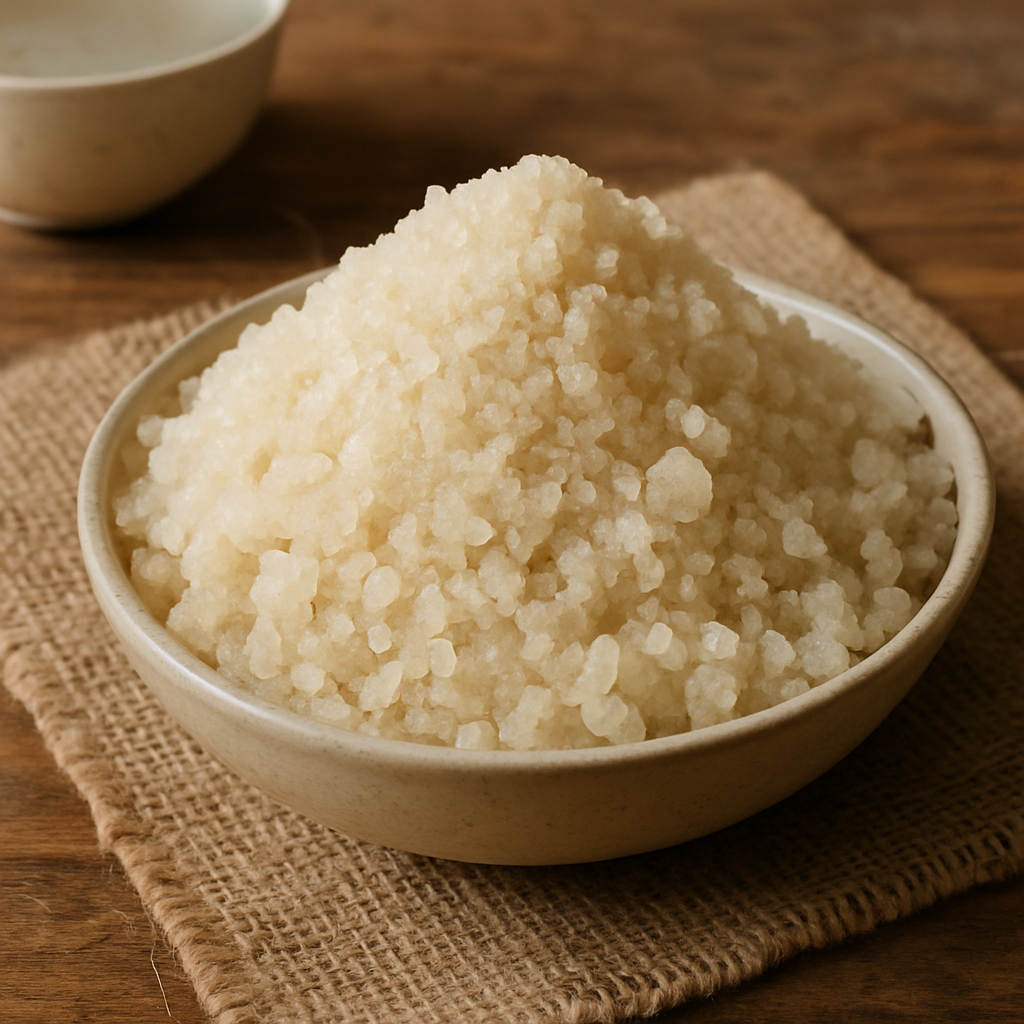
Desi khand means a natural, minimally processed sugar derived from sugarcane juice, using age-old techniques passed down in Indian villages. It’s not bleached, not refined, and contains no chemical additives. That right there makes it different from most of the stuff we find on grocery store shelves today.
Ayurveda, India’s ancient healing system, has long regarded desi khand as a sattvic food—meaning it's pure, balanced, and beneficial for both body and mind. According to Ayurvedic texts, it helps in balancing pitta and vata doshas, and provides a steady source of energy without the harsh spikes and crashes of refined sugar.
Organic Desi Khand vs Refined Sugar: How It's Made
Here’s the real deal—how organic desi khand is made can tell you a lot about why it's so highly regarded. Traditional desi khand is prepared by boiling sugarcane juice until it thickens into a viscous syrup. This is then allowed to cool and crystallize naturally. No bone char, no sulfur, no synthetic bleach. Just sun, time, and a whole lot of love (okay, maybe that’s a bit cheesy—but true!).
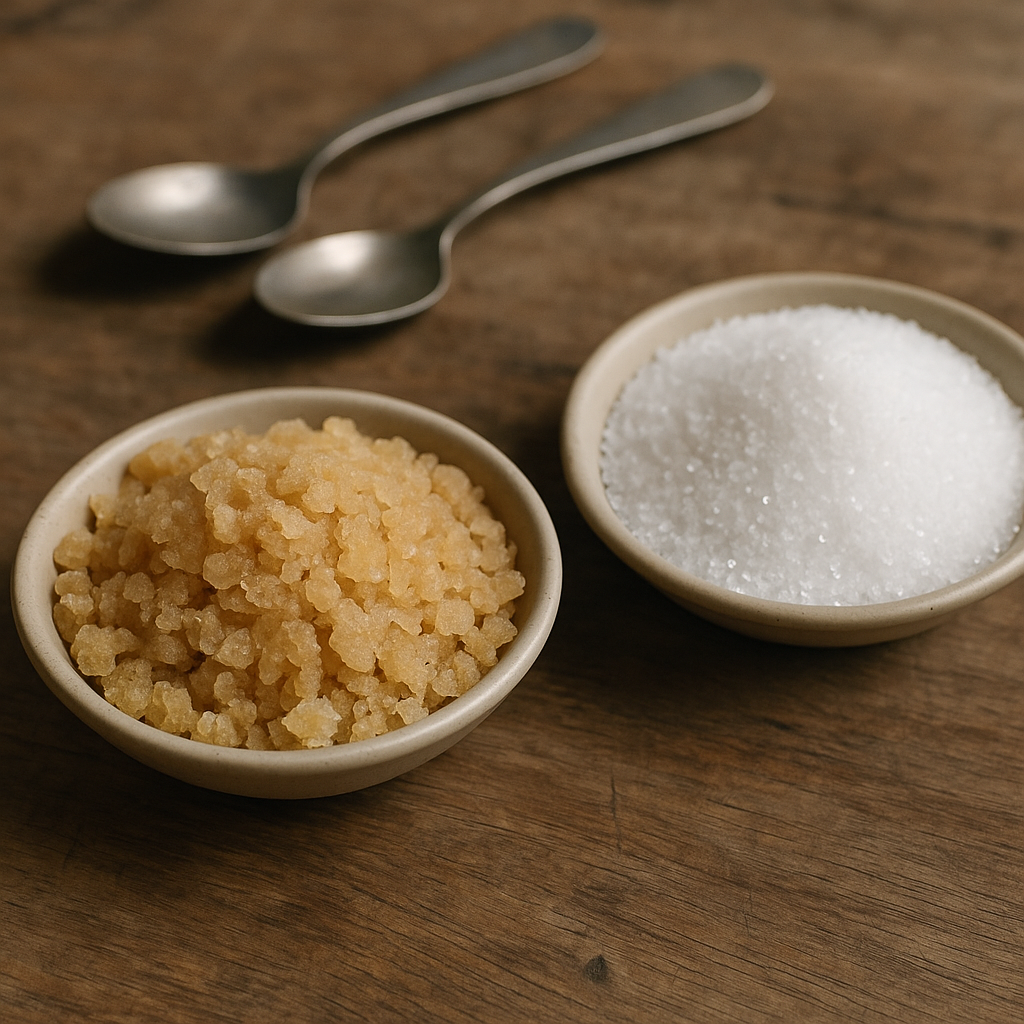
Refined white sugar, on the other hand, goes through a chemical-heavy process that strips away all molasses, minerals, and nutrients. What you're left with is pure sucrose and... not much else.
And yes, even brown sugar vs desi khand comparisons fall short, since brown sugar is often just refined sugar with molasses added back in—how weird is that?
Desi khand retains its natural color, texture, and taste because it doesn’t go through that harsh processing. That's part of why it’s often recommended in Ayurvedic cooking and traditional Indian sweets.
Desi Khand Benefits and Ayurvedic Value
Desi Khand Benefits for Digestion and Energy
Let’s be honest—we all want something sweet now and then. But wouldn't it be great if your sweetener actually helped your body instead of draining it? One of the standout desi khand benefits is how gentle it is on the digestive system.
According to Ayurveda, desi khand is easier to digest than refined sugar. It's known to support agni—that’s your digestive fire—and doesn’t lead to the bloating or acidity that some other sweeteners might cause. And it’s not just Ayurvedic texts that say this—people who've swapped out white sugar for desi khand in their chai or desserts often report fewer sugar crashes and more sustained energy.
Another benefit? Desi khand provides small but important amounts of minerals like calcium, iron, and magnesium. Now, it’s not a miracle superfood (let’s be real), but these trace minerals can add up over time and support your overall well-being. Especially for people with anemia or fatigue, the iron content—though modest—can be a nice boost.
Plus, since it doesn’t spike your blood sugar like refined alternatives, it’s a better option for those trying to manage energy levels throughout the day. Of course, moderation is key. Like, obviously.
Best Desi Khand for Daily Use and Sweet Cravings
If you’re thinking, “Okay, I’m sold. But how do I choose the best desi khand?” — good question.
Start with organic varieties. Organic desi khand is made without harmful pesticides or fertilizers, and usually comes from farms that respect traditional methods. Look for brands that don’t bleach or overly refine the product. It should have a natural beige or brownish color, and it might even feel slightly sticky—this is actually a good sign. That stickiness comes from residual molasses, which means it’s retained more nutrients.
Also, check the ingredient list. The best desi khand should have one ingredient: sugarcane juice (or dehydrated cane juice). If it’s got additives, preservatives, or “enhancers” — that’s a red flag.
Use it anywhere you’d use sugar. Stir it into your tea or coffee, sprinkle over porridge or yogurt, or use it in baking (though keep in mind, it may make things slightly denser or darker in color—but hey, that’s part of the charm).
Desi Khand vs Sugar: Which Is Healthier?
Brown Sugar vs Desi Khand: What’s the Real Difference?
Okay, let’s clear up the confusion around brown sugar vs desi khand. They might look kinda similar, but they are not the same thing.
Brown sugar is usually refined white sugar with molasses added back in. So it’s basically processed sugar doing dress-up. Desi khand, on the other hand, is raw from the beginning. It’s made without refining, which means it keeps more of the good stuff—like trace minerals and flavor.
Also, desi khand has a richer, more complex taste. While brown sugar is sweet and a bit flat, desi khand often has hints of caramel or earthy tones. It’s subtle, but really noticeable when you use it in cooking.
Why Ayurveda Recommends Desi Khand Over Processed Sugar
Ayurveda doesn’t just recommend any ol’ sweetener. It specifically praises desi khand for being sattvic and nourishing. Processed sugars are said to disturb the doshas, especially pitta, which governs metabolism and heat in the body.
Refined sugar is considered rajasic or even tamasic—it can agitate the mind, disrupt sleep, and dull the senses. Desi khand, on the other hand, is considered to promote clarity, calmness, and energy. It’s used in many Ayurvedic tonics and medicines, not just for flavor but for its energetic properties.
Alright, we’re almost at the end. Up next: the Conclusion and FAQs to wrap this all up with a neat lil’ bow 🎁
Conclusion
So, what have we learned here? Well, a lot actually. First, what is desi khand? It's not just some trendy “natural sugar”—it’s a traditional, time-tested sweetener with deep roots in Indian culture and Ayurveda. The desi khand meaning goes beyond its simple definition; it carries a legacy of health, purity, and sustainable living.
Compared to refined sugar, desi khand benefits are clear: it’s easier to digest, less processed, and may even support energy and mineral intake when used moderately. It’s also more aligned with Ayurvedic principles, which consider food as not just fuel, but medicine.
When we look at desi khand vs sugar, or even brown sugar vs desi khand, the difference is night and day. You’re not just making a slightly better choice—you’re making a completely different one, with fewer additives, fewer chemicals, and more of the good stuff your body can actually use.
Choosing the best desi khand means opting for products that are organic, traditionally made, and as unrefined as possible. You don’t need to overhaul your entire diet overnight. Just start with the small stuff: your morning chai, that occasional dessert, maybe a spoon in your smoothie.
It’s a sweet shift—but one that could have real, lasting impact on your health.
Try it for a week. Just a week. You might be surprised at how your body responds.
And hey, if you found this helpful—share it with a friend, or your mom, or that person in your office who’s always adding sugar to their “healthy” tea. You know the one ;)
स्वयं दवा न लें और प्रतीक्षा न करें। अभी डॉक्टर से चैट शुरू करें
FAQs
Is jaggery and khand the same?
Nope. While both come from sugarcane and are unrefined, jaggery is more sticky and gooey—it's boiled further and solidified into blocks. Desi khand is crystal-like, more like sugar, and has a slightly milder taste. They’re close cousins, not twins.
How to identify original desi khand?
Look for a light brown to beige color, slightly coarse texture, and natural scent. If it's too white or smells odd, it’s probably been refined or mixed. Also, real organic desi khand usually comes in non-glossy packaging and may even clump a bit due to moisture.
Does desi khand have any side effects with overuse?
Yep, just like any sugar—even the natural ones. Overconsumption can lead to weight gain, blood sugar issues, and fatigue. It’s better than refined sugar, but still sugar. Use it smartly. Everything in balance, right?
Final thoughts? Ditching processed sugar doesn't mean ditching sweetness. It means choosing better, tastier, and maybe even more ethical alternatives. Desi khand offers all of that—and a taste of tradition too.
If you're ready to make the switch, check out some best desi khand brands online or at your local organic store. Trust us, your body (and your chai) will thank you.
उपयोगकर्ताओं के प्रश्न
What are some recipes that include desi khand as an ingredient?
Client_51a77b
2 दिनों पहले
Desi khand, a type of unrefined sugar, can be used in various recipes much like regular sugar or jaggery. You can add desi khand to sweeten tea, coffee, or desserts such as halwa, laddoos, and kheer. It can also be a great substitute in baking recipes like cakes, cookies, or muffins for a more natural sweetness. Look for recipes that use jaggery or brown sugar as it's typically a smooth swap. Always monitor the quantity since desi khand can vary in sweetness intensity. If you notice unusual symptoms after consumption, consult a healthcare professional.
How long does desi khand last before it goes bad?
Client_d2ea83
7 दिनों पहले
Desi khand, similar to other types of sugar, does not have a strict expiration date but is best used within a year for optimal flavor and quality. As long as it is kept in a cool, dry place in an airtight container, desi khand will remain safe to consume. However, exposure to moisture can lead to clumping or the growth of mold, which means it should be discarded immediately. If desi khand develops an unusual odor, appearance, or taste, it is time to throw it away. Always ensure the storage area is free from pests and contaminants.
What are the health benefits of desi khand for anemia?
Client_42ed63
12 दिनों पहले
Desi khand can offer some health benefits for anemia due to its modest iron content. Iron is essential for producing hemoglobin, which helps carry oxygen in the blood—a critical factor for individuals with anemia. While desi khand isn’t a rich source of iron compared to supplements or iron-rich foods like red meat or spinach, it can be a gentle option for those wanting to incorporate small dietary adjustments. However, it should not replace medical treatment for anemia. If anemia symptoms persist, such as excessive fatigue or pallor, it's important to consult a doctor.
How to identify high-quality desi khand at the store?
Client_e6ac72
22 दिनों पहले
To identify high-quality desi khand, opt for organic brands, as they are more likely to be free from chemicals and retain natural nutrients like minerals and molasses. Look for products labeled as "unrefined" or "raw" to ensure minimal processing. Check the color and texture; desi khand should be off-white to light brown and have a slightly coarse texture due to its natural crystallization process. If you're concerned about quality, purchase from reputable organic grocery stores or trusted online retailers to avoid adulterated products. If you experience any adverse effects after consumption, consult a healthcare professional.
What are the culinary uses of desi khand in Indian recipes?
Client_ee488b
32 दिनों पहले
Desi khand is traditionally used in Indian recipes for its unique flavor, which has hints of caramel and earthy tones. It enhances sweets like halwa, laddoos, and barfis, offering a more nuanced taste than refined sugar. It also features in beverages like chai and lassi, imparting a rich flavor. Desi khand provides some essential minerals, although in modest amounts. Choose batches that are naturally beige and possibly sticky, indicating minimal processing. If you have specific dietary restrictions or health concerns, consult a qualified healthcare provider before making dietary changes.
How does desi khand compare nutritionally to honey as a sweetener?
Client_6fa1ff
42 दिनों पहले
Desi khand is less processed than refined sugar and provides modest amounts of minerals like iron, making it nutritionally richer than typical white sugar. Compared to honey, desi khand generally has fewer vitamins and enzymes. Honey contains antioxidant and antimicrobial properties, along with trace elements like vitamins C and B. Both can help with energy when used in moderation, but honey might be more beneficial for its additional properties. If you have concerns around blood sugar or specific nutritional needs, consult a healthcare professional for personalized advice.
How does desi khand impact blood sugar levels compared to regular sugar?
Client_799136
51 दिनों पहले
Desi khand may have a slightly lower impact on blood sugar levels than regular sugar because it is less processed and retains some molasses, which means it has a lower glycemic index. However, it is still a sugar and can spike blood glucose levels, especially if consumed in large amounts. The effect of desi khand on blood sugar will vary depending on individual factors like metabolism and existing health conditions. For people with diabetes or blood sugar concerns, it's crucial to monitor intake closely and consider consulting a healthcare provider for personalized advice.
What is the traditional process for making desi khand and how does it differ from refined sugar?
Client_afc0a4
61 दिनों पहले
Desi khand is made using a more traditional process that involves boiling sugarcane juice and then evaporating it, skipping the heavy refining steps. This keeps its natural minerals and gives it that rich, caramel taste. In contrast, refined sugar is heavily processed to make it pure white and fine, stripping away minerals and flavor. Desi khand's earthy, wholesome vibe really stands out in Ayurvedic practices for its more balanced energy and sattvic quality.
Is it safe to give desi khand to pets as a sweetener?
Client_b1f4d3
70 दिनों पहले
Hey! So, desi khand is natural and all but for pets, it's best to be cautious. Animals' digestive systems are different, and even natural sugars might not be good for them. Maybe consult your vet before giving it a try. They can advise based on your pet’s specific needs! 😊
Is desi khand a better alternative for children compared to refined sugar?
Client_e2074a
79 दिनों पहले
Yes, desi khand can be a better alternative for children than refined sugar, mainly because it's less processed and retains some of its natural minerals and nutrients. Plus, it's easier on the digestive system. But remember, moderation is key! Even natural sugars should be consumed in balance to keep those sugar levels and energy steady. 🙂
संबंधित आलेख
Nutrition
Discover Amla's Health Wonders
Amla, or Indian gooseberry, is a vital component in Ayurveda, renowned for its high vitamin C content and rejuvenating properties.
3,734

Nutrition
How to Make Ghee at Home: Ayurvedic Methods
How to make ghee at home? Learn how to make ghee from butter, curd, milk, or cream using Ayurvedic methods, including pressure cooker and traditional techniques
3,745

Nutrition
Can I Drink Chia Seeds with Water? Benefits, Uses, and Ayurvedic View
Exploration of Discover the Benefits and Precautions of Drinking Chia Seed Water Daily
8,482

Nutrition
Is Beetroot Really Healthy?
Beetroot is recognized in Ayurveda for its ability to balance doshas and enhance overall well-being.
3,843
Nutrition
Mishreya in Ayurveda: Understanding Its Benefits and Uses
Learn about Mishreya, an Ayurvedic concept and remedy that combines various herbs, promoting balance and wellness. Discover its uses for digestive health, vitality, and more.
3,890

Nutrition
Unlocking Cardamom's Health Secrets
Cardamom has been a cornerstone of Ayurvedic medicine for centuries, valued for its numerous health benefits.
5,686

Nutrition
Mastering the Art of Drinking Water
Staying hydrated is essential for maintaining overall health, as water is vital for numerous bodily functions.
3,276

Nutrition
वीटा एक्स गोल्ड प्लस कैप्सूल
विटा एक्स गोल्ड प्लस कैप्सूल की खोज
4,242

Nutrition
Pomegranate: The Fruit of Legends
Pomegranate is celebrated globally as the "king of fruits" due to its rich history and versatile culinary uses.
3,958

Nutrition
Can Cucumber Cause Gas and Bloating?
Discover if cucumber can cause gas or bloating, why it affects digestion, and its role in IBS. Learn Ayurvedic tips and safe combinations to enjoy cucumber
14,276
विषय से संबंधित परामर्श
अतिरिक्त दस्तावेज़
© 2024 Ask Ayurveda. सर्वाधिकार सुरक्षित।