आयुर्वेदिक डॉक्टर से प्रश्न पूछें और निःशुल्क या भुगतान मोड में अपनी चिंता की समस्या पर ऑनलाइन परामर्श प्राप्त करें। 2,000 से अधिक अनुभवी डॉक्टर हमारी साइट पर काम करते हैं और आपके प्रश्नों का इंतजार करते हैं और उपयोगकर्ताओं को उनकी स्वास्थ्य समस्याओं को हल करने में प्रतिदिन मदद करते हैं।


Body DetoxEar, Nose, and Throat DisordersGeriatrics & RejuvenationImmunodeficiencyInfertility TreatmentNutritionOrthopedic DisordersPediatricsRespiratory DisordersSexually Transmitted Diseases (STDs)Surgery RecoveryUrological DisordersVascular DisordersDental DisordersEndocrinological DisordersGastrointestinal DisordersYoga TherapyGeneral MedicineAllergic DisordersCardio DisordersGynecology and ObstetricsCosmetologySkin and Hair DisordersEye DisordersInfectious DiseasesMental DisordersNeurological DisordersOncologyPanchakarmaSexual Health & DisordersSports Medicine
पर प्रकाशित 08/19/25
(को अपडेट 08/07/26)
5
14,606
Can Cucumber Cause Gas and Bloating?

Cucumber is one of those foods that feels so light, crisp, and refreshing that most people assume it’s completely harmless for digestion. But if you’ve ever asked yourself questions like “can cucumber cause gas”, “does cucumber cause gas”, or even “does cucumber cause bloating”, you’re definitely not alone. Many people enjoy cucumbers daily in salads, smoothies, or just plain slices with a sprinkle of salt, yet some notice digestive discomfort afterwards. In fact, cucumber causes gas in certain people more often than you might expect.
So what’s going on here? Is it something in the vegetable itself, or the way we eat it? The truth is a bit nuanced. While cucumber can cause gas for some individuals, others digest it perfectly well. Understanding why this happens—and how to reduce the chances of bloating—can help you enjoy cucumbers without discomfort. Let’s dive deeper.

Can Cucumber Cause Gas: Ayurvedic and Scientific Insights
Ayurveda, the ancient Indian system of medicine, has long observed that cucumber can cause gas in certain body types (especially those with vata imbalances). According to this tradition, cucumbers are considered cooling, but when combined with heavy or oily foods, they may disrupt digestive fire and create bloating.
From a scientific perspective, cucumbers contain cucurbitacins, a naturally occurring compound that sometimes leads to indigestion. Additionally, their high water and fiber content can ferment in the gut if your digestive system is sensitive, which explains why cucumber causes gas for some people. Interestingly, not everyone reacts the same way—our gut microbiome plays a big role.
Does Eating Cucumber Cause Gas or Bloating?
The short answer: yes, cucumber can cause bloating, but not always. For some, eating cucumber raw (especially with the skin) makes gas more likely. The skin and seeds contain insoluble fiber, which can be harder to break down. On the other hand, peeled cucumber or cucumber without seeds is usually easier on the stomach.
So if you’ve noticed that eating cucumber causes gas, it may simply be how you’re preparing or combining it with other foods. Pairing cucumbers with dairy (like yogurt dips) or very spicy meals sometimes makes the bloating worse, since your stomach is working overtime.
Cucumber Benefits for Digestion
Here’s the tricky part: even though cucumber can cause bloating, it’s also one of the best vegetables for hydration and digestive support. The high water content helps flush toxins and keeps bowel movements smooth. The fiber, when tolerated, supports gut motility and prevents constipation.
And for most people, cucumber for digestion is actually a positive choice. It’s low-calorie, refreshing, and rich in antioxidants. When eaten in moderation and prepared properly, cucumbers can help digestion rather than harm it.
Still, if you’re wondering “does cucumber cause bloating” or “can cucumber cause bloating,” the answer depends on your individual sensitivity. Some people feel light and energized after cucumber, while others may feel heavy and gassy. There’s no one-size-fits-all answer.
How to Eat Cucumber Without Causing Gas
If you love cucumbers but often feel uncomfortable after eating them, don’t worry—you don’t necessarily have to cut them out completely. Instead, a few small tweaks can make a big difference in how your body handles them.
First, try peeling the cucumber. The skin is where much of the insoluble fiber sits, and while that fiber is great for gut health in theory, it can also trigger bloating for sensitive folks. Removing the seeds may help too, since they sometimes ferment during digestion.
Second, moderation is key. Eating half a cucumber is unlikely to cause problems for most people, while finishing off two or three large cucumbers in one sitting might overwhelm your system. Remember, cucumber can cause gas when eaten in excess, especially raw.
Finally, timing matters. Eating cucumbers late at night, right before bed, can slow down digestion and lead to more noticeable bloating. If you’re asking “does eating cucumber cause gas at night?”, the answer is that yes—it can feel heavier then compared to earlier in the day.
Best Ways to Prepare and Combine Cucumber
Cucumbers are at their most digestible when they’re fresh, peeled, and eaten with simple meals. Pairing them with light proteins (like fish or chicken) or other non-gassy vegetables can minimize bloating. On the other hand, eating cucumbers with beans, dairy, or fried foods may make your stomach feel like it’s running a marathon.
Another trick is to lightly steam or sauté cucumbers. While we usually think of cucumbers as a raw-only veggie, gentle cooking softens the fibers and makes them easier to digest. A warm cucumber stir-fry with garlic might sound unusual, but it’s worth trying if you often wonder, “does cucumber cause bloating?”
Adding digestive spices like cumin, fennel, or ginger can also reduce gas formation. Ayurveda has long recommended combining cucumbers with cooling herbs such as mint or coriander to balance their effects.
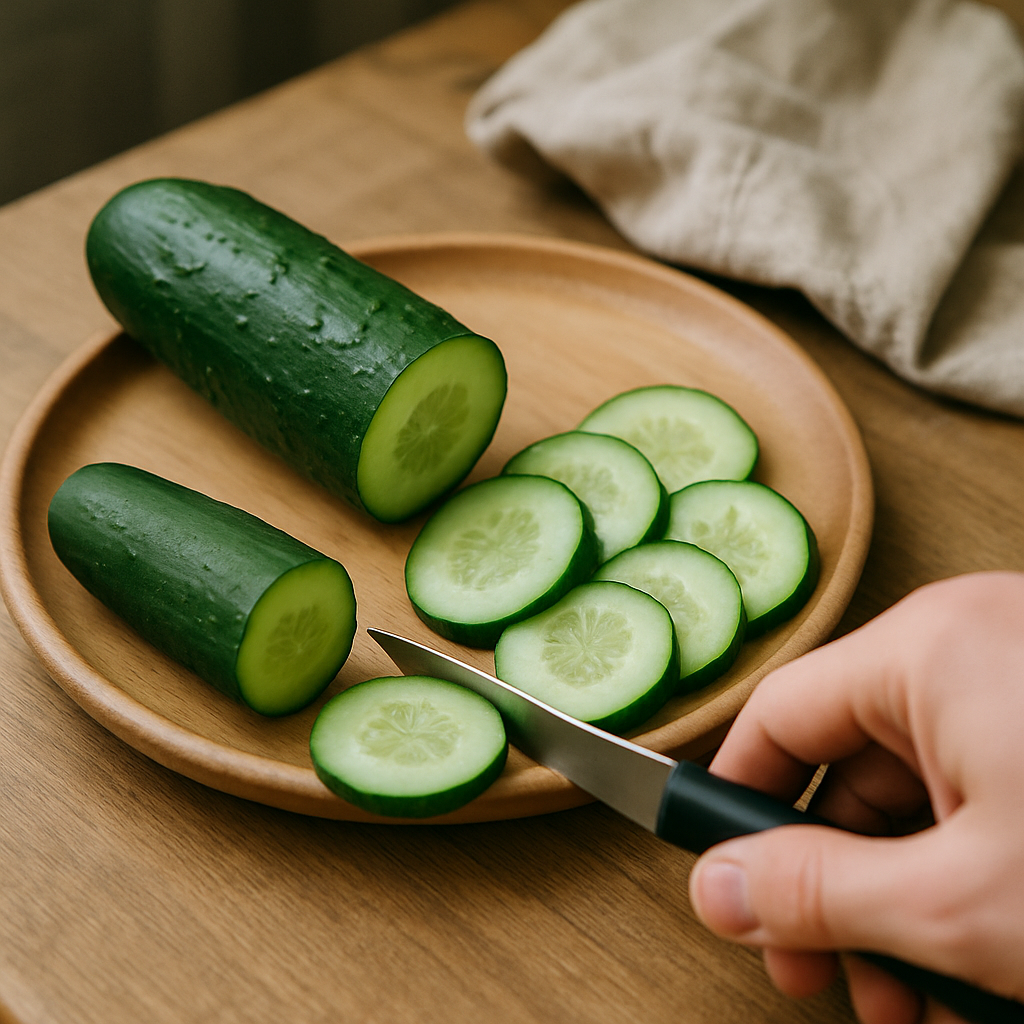
Cucumber and IBS: Helpful or Harmful?
This is where things get even more individual. If you’ve been diagnosed with Irritable Bowel Syndrome (IBS), you might be extra cautious about foods that can trigger bloating or cramps. So, is cucumber good for IBS?
The answer isn’t black-and-white. On one hand, cucumbers are low FODMAP when eaten in modest amounts, which usually makes them safe for people with IBS. They also provide hydration, which is essential for soothing digestive flare-ups. On the other hand, some IBS sufferers report that cucumber causes gas, especially when consumed raw and with skin.
So, can cucumber cause bloating in IBS patients? Yes, it can, but it doesn’t always. If you’re following a low FODMAP plan, cucumber for IBS may still be beneficial in small portions. But if you notice worsening symptoms, try peeling and deseeding them—or switching to other veggies that are gentler on the gut.
Alternatives to Cucumber for Sensitive Digestion
If cucumbers just don’t sit well with you, there are plenty of alternatives that provide the same refreshing crunch without the gas. Zucchini, for example, is much easier to digest when lightly cooked. Celery is another hydrating option that rarely causes bloating.
Other gentle choices include lettuce, spinach, or even steamed carrots. These veggies can replace cucumber in salads, smoothies, or side dishes without triggering discomfort.
So, while cucumber can cause gas for some, you don’t need to give up that light, fresh texture—you just need to choose a different veggie that your gut loves.
Conclusion
So, can cucumber cause gas and bloating? The answer is: sometimes. For many people, cucumbers are a hydrating, refreshing, and digestion-friendly vegetable. But for others, especially those with sensitive stomachs or IBS, cucumber can cause gas and mild discomfort.
The key takeaway is that cucumbers are not “bad” or universally problematic. Whether cucumber causes bloating for you depends on factors like preparation, portion size, timing, and your unique digestive system. Peeling, deseeding, and cooking cucumbers can reduce their tendency to cause bloating. And if they still don’t sit right, there are plenty of gut-friendly alternatives to enjoy.
At the end of the day, cucumbers are packed with water, fiber, and antioxidants. They can be a valuable part of your diet if you eat them in a way that suits your body. Don’t be afraid to experiment, listen to your gut (literally), and find the balance that works for you.
And hey, if this article helped you figure out why cucumbers sometimes make you feel puffy or heavy, share it with a friend. Chances are, they’ve wondered the same thing too!!
स्वयं दवा न लें और प्रतीक्षा न करें। अभी डॉक्टर से चैट शुरू करें
FAQs
How to eat cucumber to avoid gas?
To minimize bloating, peel off the skin, remove the seeds, and avoid eating very large portions in one sitting. Lightly cooking cucumbers, or pairing them with digestive spices like cumin and ginger, can also help reduce gas.
Can cucumber cause discomfort when eaten at night?
Yes, cucumber can cause gas or discomfort if eaten right before bed. Since digestion slows at night, cucumbers may sit longer in your stomach, increasing the chance of bloating. Eating them earlier in the day is usually easier on digestion.
Does cucumber skin increase the chance of bloating?
Yes, the skin contains insoluble fiber, which is harder to break down. For some people, especially those with IBS, the skin can make cucumbers more likely to cause gas. Peeling them before eating is often a good idea.
Final Thoughts
Cucumber is one of those foods that seems simple, but its effects on digestion are surprisingly complex. For some, it’s the perfect summer snack—hydrating, crisp, and belly-friendly. For others, cucumber can cause gas, bloating, and mild discomfort. Neither group is wrong.
The most important thing is to pay attention to how your body reacts. If cucumbers leave you feeling light and refreshed, keep enjoying them! If they cause bloating, try peeling, deseeding, or cooking them—or swap them out for alternatives like zucchini or celery.
Ultimately, no single food should control your comfort or your diet. Experiment, make small changes, and remember: every gut is unique.
If you found this guide helpful, share it with someone who might be wondering the same thing. And if you’re interested in more tips on digestion, healthy eating, and food swaps for sensitive stomachs, subscribe to our newsletter or check out our other articles on gut health.
उपयोगकर्ताओं के प्रश्न
Is cucumber safe to eat when experiencing digestive discomfort?
Client_396c47
26 दिनों पहले
Cucumbers are generally safe to eat when experiencing digestive discomfort, but individual responses can vary. Cucumbers are low in FODMAPs, which often makes them a good choice for those with sensitivities. However, the high water content might cause some people to feel bloated or gassy. Peeling cucumbers and removing seeds can reduce this risk. If you frequently experience discomfort after eating cucumbers, it may be beneficial to consume them in moderation or experiment by pairing them with carminative herbs like mint. Persistent or severe symptoms should be discussed with a healthcare provider to rule out underlying conditions.
How does eating cucumbers compare to other vegetables for digestion?
Client_633854
31 दिनों पहले
Cucumbers are generally considered easy to digest compared to many other vegetables, but they can cause gas and bloating for some people, especially when eaten late at night. Cucumbers have a high water content, which can be soothing to the digestive system, but their skin contains insoluble fiber that might be harder to digest for certain individuals. Cooking zucchini, a similar vegetable, can often make it easier to digest by breaking down fibers, unlike cucumbers which are usually eaten raw. If cucumbers seem to cause discomfort, consider peeling them or trying them in smaller portions to monitor your body's reaction. If digestive issues persist with cucumbers or other vegetables, it's advisable to consult a healthcare professional for personalized advice.
What are some safe cucumber substitutes for IBS sufferers?
Client_6b26b5
36 दिनों पहले
Celery, lettuce, spinach, and steamed carrots are safe cucumber substitutes for IBS sufferers. These options are low in FODMAPs and less likely to cause gas or bloating, making them gentle on the digestive system. Symptoms can vary, so if any alternative still causes issues, consider discussing it with a healthcare provider. If cucumber remains a preferred choice, try peeling and deseeding it to reduce symptoms. If symptoms persist or worsen, a consultation with a doctor or dietitian is advisable.
How does timing of cucumber consumption impact digestion?
Client_7c8f77
41 दिनों पहले
The timing of cucumber consumption can impact digestion, particularly if eaten earlier in the day when your digestive system is typically more active. Cucumbers are high in water and contain fiber, which aids digestion, but consuming them in excess, especially raw, can lead to gas and bloating. To minimize discomfort, pair cucumbers with light proteins or non-gassy vegetables. If bloating persists, consider peeling them as the skin contains insoluble fiber, which can contribute to bloating. If digestive issues continue, consult a doctor to rule out other conditions.
What are some easy cucumber recipes that promote digestion?
Client_f90b4e
46 दिनों पहले
To promote digestion with cucumbers, consider recipes that minimize bloating, such as cucumber salads or soups. Start with a simple cucumber salad: peel and deseed cucumbers to reduce potential bloating, then mix them with yogurt or a light vinaigrette. Adding fresh herbs like dill or mint can enhance flavor and digestion. If raw cucumbers cause discomfort, try cooking them in a light soup with celery or zucchini. Hydration from cucumbers is beneficial, but if bloating persists, swap them for gentler vegetables like lettuce or steamed carrots. If digestive issues continue, consult a healthcare professional.
How to prepare cucumbers to minimize gas and bloating?
Client_b04699
51 दिनों पहले
To minimize gas and bloating from cucumbers, start by peeling them and removing the seeds, as these parts are more likely to cause digestive discomfort. Cooking cucumbers instead of eating them raw can also help reduce bloating by breaking down fibers and cucurbitacins, compounds that can lead to indigestion. Monitor your body's response and adjust portion sizes accordingly; consuming large quantities in one sitting may still lead to bloating. If discomfort persists, consult a doctor to rule out other issues.
What are the health benefits of cucumber for hydration?
Client_30304a
56 दिनों पहले
Cucumbers offer great health benefits for hydration due to their high water content, which is about 95%. This makes them an excellent choice for replenishing fluids in the body and maintaining hydration levels. Consuming cucumbers can help flush out toxins and support regular bowel movements thanks to their water and fiber content. For those with sensitive digestion, incorporating digestive spices like cumin or ginger can aid in reducing bloating. If you experience persistent digestive discomfort after eating cucumbers, consult a healthcare professional.
Is cucumber water effective for improving digestion?
Client_bef5c6
61 दिनों पहले
Cucumber water is not scientifically proven to directly improve digestion. While cucumber is hydrating and low in calories, which can support overall digestive health, it may cause gas or mild discomfort in individuals with sensitive stomachs or IBS. If you enjoy cucumber water, it's generally safe as a refreshing drink. However, if digestive issues persist, consider adding digestive spices like cumin, fennel, or ginger. Always consult with a healthcare provider if you experience ongoing digestive discomfort.
What are the nutritional benefits of eating cucumbers daily?
Client_68a4d0
66 दिनों पहले
Eating cucumbers daily can offer several nutritional benefits due to their high water content, low calorie count, and richness in essential nutrients like vitamin K, vitamin C, and potassium. Cucumbers are about 95% water, which helps with hydration and maintaining healthy skin. They provide antioxidants that can reduce inflammation and support the immune system. Consuming cucumbers can also aid in digestion due to their fiber content, especially when eaten with the skin. Watch for digestive discomfort like gas if sensitive; peel the cucumbers if necessary. If digestive issues persist, consult a doctor.
What are the best cucumber storage tips to maintain freshness?
Client_2834a6
71 दिनों पहले
To maintain the freshness of cucumbers, store them in the refrigerator. Place them in the crisper drawer to regulate humidity, ideally keeping the temperature between 45°F to 50°F. Before storing, do not wash cucumbers, as moisture can promote spoilage. Instead, wrap them in a paper towel and place them in a partially opened plastic bag to allow for air circulation. Properly stored, cucumbers typically stay fresh for about 1 week. If cucumbers become soft or yellow, it indicates they are past their prime. If cucumbers cause discomfort, monitor your portion size and consider eating them earlier in the day.
संबंधित आलेख

Nutrition
Ayurvedic Diet: Eat for Balance, Energy, and Well-Being
Explore the Ayurvedic diet: how to eat for your dosha, enjoy easy Ayurvedic meals, and improve digestion, energy, and balance with this holistic nutrition approach
2,499

Nutrition
चिरौंजी क्या है? आयुर्वेदिक बीज, फायदे और उपयोग
चिरौंजी की खोज: सेहत और स्किनकेयर के लिए पोषण से भरपूर सुपरफूड
6,171

Nutrition
Is Almond Milk Good for Weight Loss: Ayurvedic View & Nutrition
Is almond milk good for weight loss? Discover its calorie count, benefits, and Ayurvedic view. Compare badam milk, dairy, and plant-based options for fat loss
5,184

Nutrition
Vidaryadi Ghritam Uses and Health Benefits in Ayurveda
Learn about the Ayurvedic formulation Vidaryadi Ghritam, its traditional uses, clinical relevance, and benefits for fertility, immunity, and strength.
3,860

Nutrition
How to Consume Pumpkin Seeds: Ayurvedic Tips, Benefits, and Daily Use
How to consume pumpkin seeds? Discover the best time to eat them, how much to eat daily, and how to use pumpkin seeds for hair growth, weight, and energy
20,597

Nutrition
पतंजलि यौवन चूर्ण
पतंजलि यौवन चूर्ण की खोज
5,977

Nutrition
Why Are Vitamins Necessary in the Diet: Ayurvedic View and Daily Needs
Understand the importance of vitamins in diet, their role in health, and vitamin-rich foods. Learn why vitamins are necessary in our diet for immunity
2,463

Nutrition
Pomegranate: The Fruit of Legends
Pomegranate is celebrated globally as the "king of fruits" due to its rich history and versatile culinary uses.
4,289

Nutrition
दही गर्म है या ठंडा? आयुर्वेदिक सच, डाइट टिप्स और लाइफस्टाइल इनसाइट्स
आयुर्वेद, जो कि प्राचीन भारतीय जीवन विज्ञान है, दही को गर्म मानता है — हां, भले ही इसे ठंडा रखा जाता है और यह जीभ पर ठंडा महसूस होता है। यह भारी, खट्टा होता है और कफ और पित्त दोष को बढ़ाता है — खासकर जब इसे गलत तरीके से खाया जाता है। इसका मतलब है कि दही...
13,169

Nutrition
What Are the Benefits of Muskmelon: Ayurvedic and Nutritional Guide
Exploration of Discover the Health and Skin Benefits of Muskmelon
3,663
विषय से संबंधित परामर्श
अतिरिक्त दस्तावेज़
© 2026 Ask Ayurveda. सर्वाधिकार सुरक्षित।