Vasti Kriya: Evidence, Techniques, and Health Insights
Introduction
In recent years, traditional cleansing practices have gained increasing attention in both integrative and mainstream medicine. One such practice, Vasti Kriya, is rooted in ancient Ayurvedic and yogic traditions. Picture this: You’re on a wellness journey, seeking holistic approaches to boost digestive health, reduce stress, and revitalize your body. Enter Vasti Kriya—an internal cleansing technique that promises to aid in detoxification and balance. But what does the science say? And how can you practice it safely and effectively? This comprehensive guide delves into the core concepts, current research, potential health benefits, and best practices surrounding Vasti Kriya.
Table of Contents
What Is Vasti Kriya?
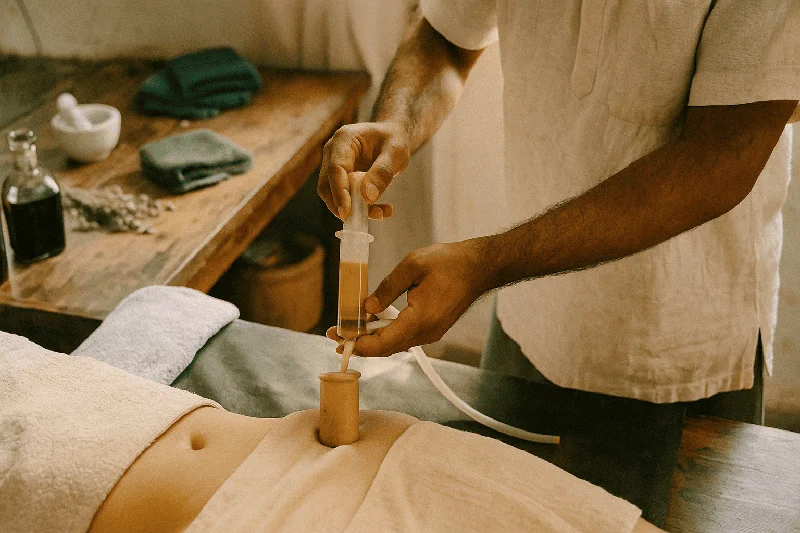
Vasti Kriya, sometimes referred to simply as “Vasti,” is an ancient yogic or Ayurvedic cleansing technique focused primarily on the lower gastrointestinal tract. In Sanskrit, the term “vasti” can be understood as “bladder” or “container,” symbolizing the body’s capacity to hold and eliminate waste. Traditionally, Vasti Kriya involves the introduction of water—or in some cases, medicated oils—into the colon under controlled conditions.
Many practitioners consider Vasti Kriya part of the Shat Kriyas (the six cleansing techniques of Hatha Yoga), which aim to purify and balance the body. Unlike external cleansing methods, such as nasal irrigation (jala neti) or eye wash (trataka), Vasti Kriya focuses on internal detoxification. The goal is to remove impurities and restore harmony within the digestive system, believed to be a cornerstone of overall health.
Historical and Philosophical Foundations
-
Ayurvedic Tradition: Ayurveda, often hailed as the “Science of Life,” places immense emphasis on a clean and balanced gut for health and longevity. Historical texts like the Charaka Samhita and Sushruta Samhita mention the importance of regular detoxification processes, including Vasti-related therapies.
-
Yogic Insights: Yogic philosophy teaches that the human body is composed of various energy channels, or nadis. Cleansing these pathways is considered essential for spiritual growth, mental clarity, and physical well-being. Vasti Kriya is often recommended alongside yogic breathing exercises (pranayama) and meditation to maintain a clear and harmonious state.
-
Integration Into Modern Healthcare: In contemporary holistic medicine, certain practitioners have integrated Vasti Kriya into wellness programs for digestive support. While not universally accepted in mainstream medicine, it continues to pique interest among researchers looking to understand its potential physiological effects.

The Science Behind Vasti Kriya
From a medical standpoint, any technique involving the colon or lower gastrointestinal tract can influence gut motility, microbiome balance, and waste elimination. While classical yoga texts attribute Vasti Kriya’s benefits to an enhanced prana (life force), modern physiology looks at the practice through the lens of:
-
Mechanoreceptor Stimulation: Introducing water or fluid into the colon may stimulate mechanoreceptors in the intestinal walls, potentially aiding peristalsis—the natural muscle contractions that propel waste through the gut.
-
Hydration and Osmosis: Water absorption can occur in the large intestine, which may impact electrolyte balance, particularly if the water used is saline or otherwise modified. This aspect is crucial for safely practicing Vasti Kriya, as excessive or imbalanced fluid introduction can disrupt normal electrolyte levels.
-
Microbial Environment: The gut microbiome comprises trillions of microorganisms essential for digestion, immunity, and overall health. Studies on colon irrigation techniques suggest that altering the colon’s environment can have short-term effects on microbial balance, though long-term impacts remain an area of active research.
-
Nervous System Modulation: The “gut-brain axis” is a hot topic in medical circles, signifying the close relationship between gut health and mental well-being. By cleansing the colon, some experts theorize that Vasti Kriya may indirectly influence stress response, mood, and other cognitive functions.
Potential Health Benefits
Though clinical evidence on Vasti Kriya is still emerging, anecdotal reports and preliminary studies suggest the following potential advantages:
-
Improved Digestive Function: Proponents claim regular practice can alleviate symptoms like bloating, constipation, and irregular bowel movements.
-
Enhanced Detoxification: By promoting waste elimination, Vasti Kriya may aid in flushing out toxins, though the body’s liver and kidneys are the primary detox organs.
-
Reduced Gut Inflammation: Some yoga experts suggest that certain cleansing practices may calm inflammatory processes in the GI tract, potentially benefiting individuals with mild digestive discomfort.
-
Stress Relief and Mental Clarity: Traditional yogic texts highlight mental and emotional balance. Modern theories on the gut-brain axis support the idea that good digestive health correlates with improved mental well-being.
-
Support for Weight Management: While not a direct weight-loss method, improved gut function can sometimes contribute to better nutrient absorption and metabolism, indirectly supporting a healthy weight.
Common Techniques and Step-by-Step Guide
Disclaimer: Always consult a qualified healthcare provider before attempting any new cleansing technique, especially those involving internal procedures like Vasti Kriya.
1. Preparatory Phase
-
Consult a Professional: Seek guidance from a certified yoga therapist, Ayurvedic practitioner, or medical professional familiar with colon-cleansing methods.
-
Dietary Adjustments: Light, easily digestible meals are often recommended 24 hours before attempting Vasti Kriya. Avoid heavy, spicy, or oily foods that may strain the digestive system.
-
Gather Equipment: You’ll need a specialized enema kit or a designated colon-cleansing apparatus, warm filtered water (sometimes saline or infused with mild herbal solutions), and a comfortable space.
2. Execution Phase
-
Sterilize Equipment: Ensure that all tubes, nozzles, and containers are cleaned with a medical-grade disinfectant to minimize infection risks.
-
Positioning: Lie on your left side (left lateral position) with your right knee bent. This posture aligns with standard medical enema procedures for optimal fluid flow.
-
Introduce Water Slowly: Gradually allow the warm water or saline solution to enter the colon, pausing if you experience discomfort. Overfilling may cause cramping or nausea.
-
Hold the Fluid: Attempt to retain the fluid for a few minutes. Some practitioners recommend light abdominal massage to aid distribution throughout the colon.
-
Release: Move to the bathroom and release the fluid, allowing any waste material to exit the body naturally.
3. Post-Procedure Care
-
Rehydrate: Drink ample water or electrolyte-rich beverages to replenish fluids.
-
Light Meals: Opt for balanced, mild meals for the rest of the day, focusing on easily digestible foods like soups, steamed vegetables, and whole grains.
-
Observation: Monitor for any signs of discomfort, dizziness, or abnormal bowel movements. Seek medical advice if symptoms persist.
Evidence from Current Research
While rigorous, large-scale clinical trials on Vasti Kriya are limited, related research on colon-cleansing and enema-based therapies offers some insights:
-
Systematic Review (2017): A review in the Journal of Alternative and Complementary Medicine concluded that colon-cleaning methods could potentially reduce constipation and bloating but emphasized the need for standardized protocols and long-term studies.
-
Pilot Study (2019): A small study published in the Ayurvedic Research and Practice Journal observed that participants who practiced Vasti therapy for four weeks reported subjective improvements in digestive comfort and reduced gastrointestinal symptoms. However, the authors called for larger randomized controlled trials to validate these findings.
-
Microbiome Studies: Research into the gut microbiota suggests that certain enema procedures might transiently alter bacterial populations. While this might help expel pathogenic bacteria in some cases, there is also a risk of disrupting beneficial flora. Maintaining gut balance post-cleansing through probiotics or a nutritious diet may be beneficial.
Key Takeaway: Emerging studies hint at potential digestive improvements but also highlight the importance of standardization and caution. It is paramount to consult professionals and stay updated on ongoing research, often listed in credible databases like PubMed, for evidence-based recommendations.
Precautions and Contraindications
Like any health-related practice, Vasti Kriya comes with considerations:
-
Infection Risk: Using non-sterile equipment can lead to bacterial contamination and potential infection.
-
Electrolyte Imbalance: Repeated or excessive colon-cleansing can disrupt electrolyte balance, posing risks to heart and kidney function.
-
Underlying Medical Conditions: Individuals with inflammatory bowel disease (e.g., Crohn’s disease, ulcerative colitis), recent intestinal surgery, or severe hemorrhoids should avoid or strictly limit Vasti Kriya.
-
Pregnancy and Postpartum: Expectant mothers or women in the postpartum period should consult a qualified healthcare provider before attempting any internal cleansing.
-
Frequency: Overuse of colon-cleansing techniques can weaken natural bowel function, potentially leading to dependency. Moderation and professional guidance are crucial.
Frequently Asked Questions (FAQ)
Q1: How often should I practice Vasti Kriya?
A1: Frequency varies based on individual health conditions and professional recommendations. Some practitioners suggest once a month, while others may advise seasonal cleanses. Always consult a healthcare provider for personalized advice.
Q2: Can I use herbal solutions instead of plain water?
A2: Yes, some Ayurvedic texts recommend mild herbal infusions, but it’s essential to seek guidance from a qualified practitioner to ensure safety and correct dosage.
Q3: Will Vasti Kriya help me lose weight?
A3: While it may support better digestion and metabolic function indirectly, Vasti Kriya is not a primary weight-loss method. Sustainable weight management relies on balanced nutrition, regular exercise, and a healthy lifestyle.
Q4: Is Vasti Kriya painful?
A4: If performed correctly with proper lubrication and controlled fluid flow, discomfort should be minimal. However, slight cramping can occur if too much fluid is introduced or if the water is too cold/hot.
Q5: Can I do Vasti Kriya at home?
A5: If you have no serious health conditions and have consulted a professional for guidance, you can practice a mild form of Vasti Kriya at home using a standard enema kit. Always prioritize cleanliness and safety.
Conclusion and Final Thoughts
Vasti Kriya stands as a testament to the timeless human pursuit of holistic wellness. Steeped in Ayurvedic tradition and increasingly examined by modern science, this internal cleansing technique offers potential benefits ranging from digestive relief to enhanced mental clarity. However, it also presents inherent risks when not performed with caution and professional oversight. Current research provides a promising yet incomplete picture, highlighting the need for standardized protocols and more extensive clinical trials.
For anyone considering Vasti Kriya, the key is balance and informed practice. Consult reputable healthcare professionals, be wary of overuse, and always follow sterilization guidelines to minimize risks. As interest in integrative medicine continues to grow, practices like Vasti Kriya may find a broader role within health and wellness circles—provided they are approached with evidence-based caution and respect for individual differences.
Call to Action
If you found this guide helpful, please share it with your friends, comment with your own experiences or questions about Vasti Kriya, and subscribe to our newsletter for more science-backed insights into wellness and integrative health practices.
Medical Disclaimer: This article is for informational purposes only and does not substitute for professional medical advice. Always consult a qualified healthcare provider for personalized recommendations regarding your health or before starting new treatments or therapies.
आयुर्वेदिक डॉक्टर से एक प्रश्न पूछें और मुफ़्त या सशुल्क मोड में अपनी चिंता की समस्या पर ऑनलाइन परामर्श प्राप्त करें।
2,000 से अधिक अनुभवी डॉक्टर हमारी साइट पर काम करते हैं और आपके प्रश्नों की प्रतीक्षा करते हैं और प्रतिदिन उपयोगकर्ताओं को उनकी स्वास्थ्य समस्याओं को हल करने में मदद करते हैं।
संबंधित आलेख